How Hot Is Too Hot for a German Shorthaired Pointer
One of the biggest worries for any German Shorthaired Pointer owner, especially as the temperatures climb, is figuring out just how much heat their energetic companion can handle. These incredible dogs are bred for relentless work, often to their own detriment, and their enthusiasm can lead them right into dangerous situations if we're not vigilant. This guide is here to walk you through understanding your GSP's unique vulnerabilities to heat, recognizing the critical warning signs of overheating, and equipping you with practical strategies to keep your beloved hunting partner safe and sound when the mercury rises.
Understanding Your German Shorthaired Pointer's Heat Vulnerability
It’s easy to look at a sleek, short-coated German Shorthaired Pointer and think they’re built for heat. After all, they don't have a thick double coat like a Husky or a Malamute. But that short coat, combined with their incredible drive and lean build, actually presents a unique set of challenges when the weather turns warm. They are athletes through and through, designed for sustained effort, and this hardwired drive can sometimes override their instinct for self-preservation.
The GSP's Athletic Physiology in Warm Weather
Think about it: your German Shorthaired Pointer is a canine athlete, pure and simple. They're built for speed, endurance, and a non-stop work ethic. This means their metabolism is high, and when they're active, they generate a lot of internal heat. Unlike humans who sweat profusely across their skin, dogs primarily cool themselves by panting, which is much less efficient in high humidity. Their short, single coat offers little insulation against external heat and doesn't do much to trap a cooling layer of air, but it also doesn't provide significant protection from direct sun. Many Shorthairs have large patches of white, especially on their back and head, which can be prone to sunburn, further compromising their ability to regulate temperature.
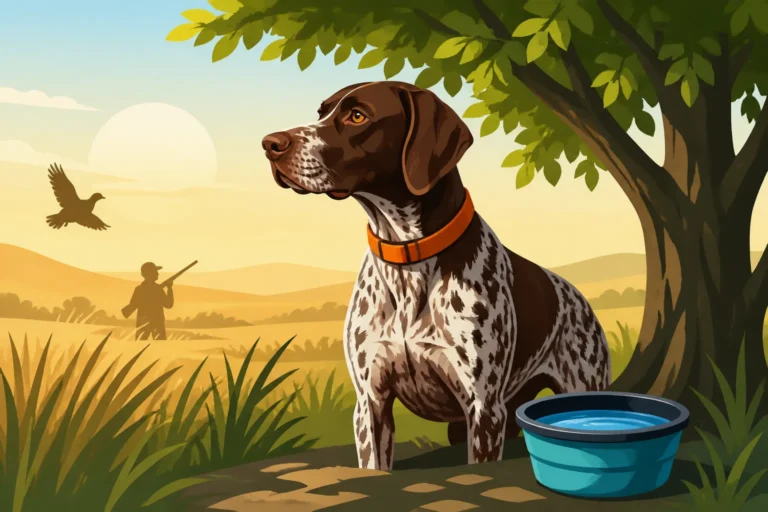
Imagine a crisp fall morning hunt compared to an early season September outing. In the fall, their bodies are perfectly adapted to push hard, burning energy to stay warm and focused. But in September, when the air is still thick with humidity and the sun beats down, that same drive pushes them into overdrive, and their internal cooling systems struggle to keep up. The Temperature a German Shorthaired Pointer Should Not Hunt In is a crucial piece of knowledge for any owner who wants to keep their dog safe.
The Peril of Relentless Drive
Perhaps the most dangerous aspect of a German Shorthaired Pointer in the heat is their sheer unwillingness to quit. They live to work, to run, to point, and to retrieve. Whether it's chasing pheasants in a stubble field, retrieving ducks from a pond, or just playing fetch in the backyard, they often push themselves until they literally cannot go another step. This intense drive, while admirable, means they won't always signal distress early. They'll push past discomfort, past exhaustion, and into dangerous territory, all for the joy of the task or to please their owner.
This isn't a dog that will politely lie down in the shade and wait for you to notice they're hot. They're more likely to collapse from heat exhaustion, or worse, heat stroke, before they choose to stop. It's our responsibility as their guardians to know their limits and enforce them, even when they're begging for "just one more retrieve." This is especially true for young, enthusiastic dogs who haven't learned their own limits yet, and even for seasoned veterans whose bodies might be slowing down, but whose spirit is still 100% GSP.
Recognizing the Signs a Shorthair Is Overheating
Knowing the critical temperature thresholds is important, but equally vital is being able to read your individual German Shorthaired Pointer. Every dog is different, and some may be more sensitive to heat due to age, underlying health conditions, or even their conditioning level. Ignoring these subtle early signs can quickly escalate into a life-threatening situation.
Early Warning Signals
Before things get really serious, your Shorthair will likely give off some subtle cues that they're getting too warm. These are your red flags, your chance to intervene before a full-blown emergency.
- Excessive panting: This might seem obvious, but it's more than just normal panting after a run. Look for panting that is rapid, shallow, and doesn't seem to slow down even when they're resting. Their breath might sound labored or raspy.
- Bright red gums: Healthy gums are usually pink. If your GSP's gums appear much redder than usual, almost brick red, it's a sign that their body is working hard to cool itself down, and blood vessels are dilating.
- Seeking shade and water excessively: While a normal response to heat, an unusual urgency to find shade or a desperate thirst can be an early indicator they're struggling more than usual. They might try to lie in any puddle or even dig at the ground to find cooler dirt.
- Slight decrease in energy or enthusiasm: This is tricky with a GSP, but if your normally tireless dog seems a little less keen on the next fetch, or their pace is just a touch slower than normal, pay attention. They might not quit entirely, but a dip in their usual gusto is a sign.
It's tempting to think, "Oh, they're just a little tired," but with a GSP, "a little tired" in the heat can turn into a serious problem fast. Catching Signs a Shorthair Is Overheating in the Field early can make all the difference.
Moderate to Severe Symptoms of Heat Exhaustion and Heat Stroke
If the early warnings are missed, or if conditions are particularly brutal, your German Shorthaired Pointer can quickly progress from being uncomfortably warm to suffering from heat exhaustion, and then potentially life-threatening heat stroke. These symptoms demand immediate action.
- Heavy drooling and thick saliva: As they overheat, dogs can start to produce thick, ropey saliva, sometimes with foam around their mouth. This is a sign of dehydration and extreme panting, and it makes it even harder for them to effectively cool down.
- Stumbling, weakness, or collapse: Muscle weakness and coordination issues are serious signs. They might stumble, sway, or even collapse outright. This is often the point where owners realize just how dire the situation has become.
- Vomiting and diarrhea: The body's systems start to shut down, leading to gastrointestinal distress. The vomit or diarrhea might contain blood, indicating internal damage.
- Disorientation or confusion: Your GSP might seem confused, unresponsive to commands, or act strangely. Their eyes might appear glazed, and they may not recognize you.
- Rapid heart rate and high body temperature: While you might not carry a thermometer, you can feel their chest for a racing heartbeat. Their skin, especially around the ears and belly, will feel incredibly hot to the touch. A dog's normal temperature is typically between 101 and 102.5 degrees Fahrenheit. Anything significantly above that, especially over 104°F, is a serious emergency.
- Seizures or unconsciousness: These are critical, life-threatening symptoms, indicating severe brain damage is occurring. At this point, irreversible organ damage or death can be minutes away.
Heat-Related Condition Comparison
Here's a quick comparison of the stages of heat-related illness in dogs:
| Condition | Core Body Temperature | Key Symptoms (GSP Specific) | Action Required |
|---|---|---|---|
| Overheating | 103-104°F | Excessive panting, red gums, seeking shade, reduced enthusiasm. | Stop activity, move to shade, offer water, cool down gradually. |
| Heat Exhaustion | 104-106°F | Heavy drooling, weakness, stumbling, vomiting/diarrhea, disorientation. | Immediate active cooling, vet contact, transport to vet. |
| Heat Stroke | 106°F+ | Collapse, seizures, unconsciousness, bloody vomiting/diarrhea. | Emergency veterinary care immediately, rapid cooling on the way. |
Practical Strategies for Hot Weather Management
Preventing your German Shorthaired Pointer from overheating is always easier and safer than trying to treat heat exhaustion or heat stroke. With these smart strategies, you can enjoy the warmer months with your GSP without putting them at undue risk.
Timing and Modifying Exercise Routines
This is perhaps the most fundamental and impactful step you can take. Your German Shorthaired Pointer needs a lot of exercise, but that doesn't mean it has to be at high noon in July.
- Embrace the early bird (and the night owl): Shift walks, runs, and training sessions to the coolest parts of the day – early mornings, before the sun has a chance to bake the earth, and late evenings, after it has set. Even a few degrees difference can make a huge impact on your Shorthair's ability to dissipate heat.
- Shorten and intensify (or spread out) activities: Instead of one long, grueling session, consider shorter, more intense bursts of activity, followed by ample rest in the shade. Or, spread their exercise throughout the day in smaller, manageable chunks. Remember, a GSP's desire to please means they might not pace themselves.
- Avoid hot surfaces: Asphalt, concrete, and even dark gravel can absorb and retain an incredible amount of heat. If it's too hot for you to walk barefoot on, it's too hot for your dog's sensitive paw pads. Opt for grassy areas, shaded trails, or indoor activities during the peak heat. Roading a German Shorthaired Pointer for Fitness should be done with extreme caution on hot days.
Hydration and Cooling Aids
Water is your GSP's best friend in the heat, and there are plenty of tools to help them stay cool.
- Constant access to fresh, cool water: This seems obvious, but it's non-negotiable. Always have a bowl of water available indoors and take water with you wherever you go. Consider a portable, collapsible bowl. On long walks or hunts, multiple water breaks are essential. Your Shorthair will drink a lot, so be prepared to carry plenty of water.
- Strategic cooling with water: Don't just pour water over their back. Focus on areas with major blood vessels close to the surface, like their belly, armpits, and groin. Wetting their paws and ears can also help. A shallow kiddie pool can be a fantastic way for them to cool off after a strenuous activity. However, be mindful of Water Intoxication in a Retrieving German Shorthaired Pointer if they're playing hard and gulping excessive amounts of water from a hose or pool.
- Cooling vests and mats: Whether a Cooling Vest Helps a Shorthair in September is a question many owners ask. Cooling vests, which often use evaporative cooling, can provide significant relief for GSPs, especially if they must be out during warmer parts of the day. Cooling mats, activated by pressure or water, can give them a cool spot to rest indoors. You can find a good selection of these on Amazon or Chewy.
- Electrolyte supplements: For German Shorthaired Pointers working hard in warm weather, electrolytes can be beneficial. Just like human athletes, dogs can lose vital salts and minerals through excessive sweating (panting is a form of evaporative cooling, which does involve some fluid loss). Adding an appropriate canine electrolyte supplement to their water, particularly after a long session, can aid in rehydration and maintain their body's balance. Always check with your vet before introducing any new supplements.
Diet and General Health Considerations
A well-fed, healthy German Shorthaired Pointer is better equipped to handle environmental stressors like heat.
- Adjust feeding times: Similar to exercise, avoid feeding large meals right before or after strenuous activity in the heat. Digestion generates heat, and a full stomach can contribute to discomfort. Split meals into smaller portions and feed them during cooler times of the day. This also ties into managing The Bloat Risk a Shorthair Carries Into Every Season, which can be exacerbated by activity around meal times.
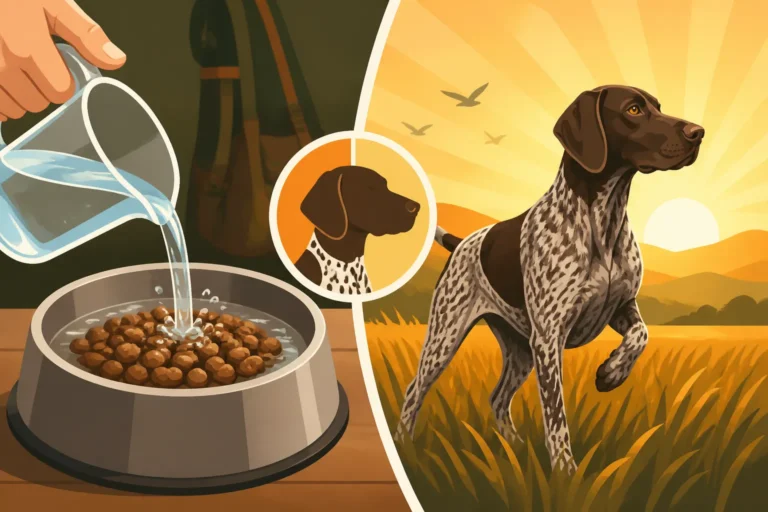
- Quality nutrition: Ensure your GSP is on a high-quality diet that supports their energy needs without causing them to carry excess weight. A lean, fit German Shorthaired Pointer handles heat better than an overweight one. Some owners find that a fresh food diet, like that offered by Ollie, can sometimes be more palatable and hydrating, especially for dogs who might pick at their kibble in the heat.
- Regular veterinary check-ups: Underlying health conditions, especially cardiac or respiratory issues, can significantly impair your GSP's ability to regulate body temperature. Regular vet visits ensure any such problems are caught and managed, reducing their risk in hot weather.
Emergency Response to Heat-Related Illness
Even with the best precautions, accidents happen. Knowing how to react quickly and effectively can save your German Shorthaired Pointer's life if they succumb to heat exhaustion or heat stroke. This is not a time for hesitation.
Immediate First Aid Steps
If you suspect your Shorthair is overheating, especially showing signs of heat exhaustion or stroke, every second counts.
- Stop all activity immediately: Get them out of the sun and into the coolest, shadiest spot you can find. If you have access to air conditioning, that's even better.
- Begin active cooling:
- Cool water: Get them wet with cool (not ice cold) water. Focus on their belly, inner thighs, armpits, and paw pads. You can use a hose, wet towels, or even just pour water from a bottle. Ice water can cause blood vessels to constrict, which traps heat, so stick to cool or lukewarm water.
- Fan: If available, use a fan to increase evaporative cooling. This is highly effective when combined with wetting their coat.
- Rubbing alcohol (small areas): You can carefully wipe a little rubbing alcohol on their paw pads, as it evaporates very quickly and helps draw heat away. Do not use large amounts.
- Avoid covering with wet towels: While it sounds logical, covering their entire body with wet towels can actually trap heat if the towels warm up. Instead, use continuously re-wet cool towels, or focus on directly wetting the key areas mentioned above.
- Offer small amounts of water: If they are conscious and able to drink, offer them small sips of cool water. Do not let them gulp large amounts, especially if they are already nauseous, as this can lead to further upset or even bloat.
- Monitor their temperature: If you have a rectal thermometer, carefully take their temperature. Stop cooling once their temperature drops to 103°F to avoid over-cooling, which can lead to hypothermia. Getting a Shorthair's Temperature Down After a Run is a fine balance.
- Call your veterinarian: Even if your dog seems to be recovering, it's crucial to call your vet. Heat stroke can cause internal organ damage that isn't immediately apparent. Let them know you're on your way and describe your GSP's symptoms and the first aid you've administered.
What to Expect at the Veterinary Clinic
When you arrive at the vet, be prepared for immediate and intensive care. They will prioritize stabilizing your German Shorthaired Pointer and addressing any potential organ damage.
- Continued cooling: The vet staff will continue cooling your dog, potentially using intravenous cool fluids, enemas, or even specialized cooling blankets.
- Intravenous fluids: IV fluids are essential to combat dehydration, restore electrolyte balance, and support organ function.
- Blood work: The vet will likely run blood tests to check for organ damage (especially kidney and liver), clotting abnormalities, and electrolyte imbalances. Heat stroke can cause serious internal issues, including disseminated intravascular coagulation (DIC), a severe bleeding disorder.
- Medications: Depending on the symptoms, your GSP might receive anti-nausea medications, medications to protect the stomach lining, or even anti-seizure drugs if needed.
- Monitoring: Your Shorthair will be closely monitored for several hours, or even days, to ensure their temperature stabilizes, organ function returns to normal, and there are no delayed complications.
The cost and intensity of treatment for heat stroke can be significant, so prevention truly is the best medicine. Being prepared and knowing how to act can make all the difference for your German Shorthaired Pointer when the weather heats up.
Disclaimer
This article is for general informational purposes only and does not constitute professional advice. Laws, prices and regulations vary by location and change over time. Consult a qualified professional for guidance on your specific situation.