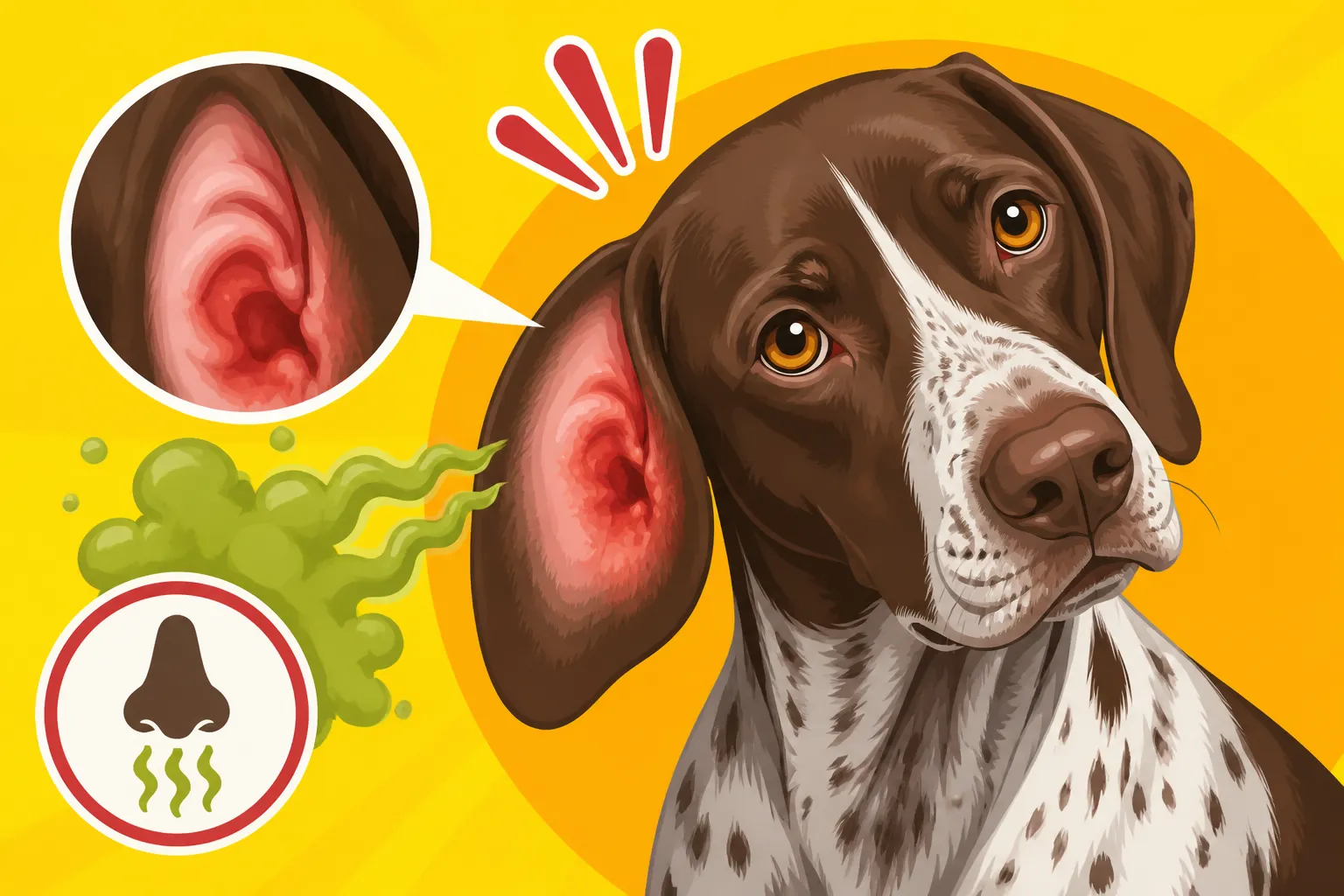
The Smell That Means a Shorthair’s Ear Is Infected
Oh, the joys of owning a German Shorthaired Pointer! They're magnificent, tireless athletes, always ready for the next adventure. But let's be honest, sometimes those adventures, especially the wet and muddy ones, can lead to less-than-pleasant surprises. One of the most common, and frankly, most odorous issues we GSP owners face is the dreaded ear infection. That distinct, often pungent smell emanating from your beloved companion's ear can send shivers down your spine, signaling trouble. This guide will help you understand why your Shorthair is prone to these stinky situations, how to recognize the specific smells of an infection, and what steps you can take to get your dog relief and prevent future funk.
Why German Shorthaired Pointers Are Prone to Ear Infections
It's not just bad luck that seems to target our GSPs with ear problems; their very design, perfect for their working lives, unfortunately creates a bit of a perfect storm for ear infections. Unlike breeds with erect, open ears, German Shorthaired Pointers have those lovely, pendulous ears that hang down. While they give them an undeniably dignified look, they also effectively seal off the ear canal, limiting airflow significantly.
Think about it: the dark, warm, and often moist environment that forms under those floppy ears is exactly what bacteria and yeast thrive in. Every time your GSP plunges into a pond after a duck, dashes through dewy tall grass, or even just gets a good bath, moisture can get trapped deep inside that canal. Without proper ventilation, it doesn't dry out quickly, creating an incubator for microscopic nasties. This predisposition is just one of those things we have to manage as responsible GSP parents.
The Impact of Their Active Lifestyle
Our GSPs are built to run, swim, and dive into thick cover. This active lifestyle, while wonderful for their physical and mental health, exposes their ears to all sorts of irritants. They are constantly pushing through brush, tall weeds, and water, all of which can introduce foreign bodies, dirt, pollen, or excess moisture directly into their ear canals. A foxtail working its way into an ear canal, for instance, is a classic cause of severe irritation and subsequent infection for a hunting Shorthair.
Moreover, the sheer amount of exercise they get means they often build up more earwax and debris. Combined with poor air circulation, this can quickly become a breeding ground for problems. It’s why checking a German Shorthaired Pointer over after a hunt isn't just about looking for cuts or ticks, but also giving those ears a thorough inspection. It's a constant battle, but knowing the enemy helps.
Anatomy and Contributing Factors
Beyond the floppy ears, the shape of a dog's ear canal is another culprit. It's not a straight shot like ours; instead, it has a distinct "L" shape. This bend makes it incredibly difficult for debris, water, or earwax to naturally drain out. Instead, things tend to get stuck at the bend, accumulating and causing irritation.
Furthermore, some GSPs might have narrower ear canals to begin with, or more hair growing inside, both of which can exacerbate the problem by further trapping moisture and reducing airflow. Allergies, whether environmental or food-related, can also play a huge role by causing inflammation in the ear canal, making it even more susceptible to infection. We often hear about Environmental Allergies in a Shorthair That Works Cover, and these can frequently manifest as recurring ear issues.
Identifying the Distinct Smells of an Ear Infection
Alright, let's talk about the smell. Because let's be real, it's often the very first, and most unmistakable, sign that something is amiss in your German Shorthaired Pointer's ears. It's not just a general "doggy smell"; ear infections have their own unique, often quite unpleasant, bouquet. Being able to pinpoint the type of smell can give your vet a huge head start in diagnosing the underlying cause.
You'll notice it when your Shorthair comes close, perhaps when they lean their head on your lap, or even just when they shake their head. Don't be shy about lifting those floppy ears and taking a good sniff. It might not be pleasant, but it's crucial for early detection.
Yeast Infections: Sweet, Musty, and Often Persistent
One of the most common culprits behind that funky ear smell is yeast, specifically Malassezia pachydermatis. When your GSP has a yeast infection, the smell is often described as sweet, musty, or even bread-like. Some people liken it to stale beer or old cheese. It's a heavy, cloying odor that you can't quite escape, and it tends to be quite strong.
Along with the smell, you might notice a brownish or reddish-brown discharge, often a bit greasy in texture. The skin inside the ear might look red and inflamed, sometimes even thickened. This type of infection thrives in warm, moist conditions, which, as we discussed, GSP ears are practically designed to provide. If you're wondering A Shorthair's Ear Infection That Returns Every Duck Season, yeast is a very likely repeat offender, especially if the ears aren't thoroughly dried after swims.
Bacterial Infections: Pungent, Foul, and Sometimes Pus-Like
Bacterial infections often bring an even more offensive odor. If your German Shorthaired Pointer's ear smells genuinely putrid, foul, or like something rotten, you're likely dealing with a bacterial invader. It can be a very strong, often pus-like smell, truly stomach-turning for some. This is a sign that things are quite serious and need immediate attention.
Accompanying this foul smell, you'll typically see yellow, green, or even black discharge, which might be thick and pus-like. The ear will likely be very red, swollen, and painful to the touch. Your dog might be crying out when you try to examine it. These infections can escalate quickly and cause significant discomfort for your Shorthair.
Ear Mites: Subtle, Waxy, and Often Like Dirty Socks
While less common in adult GSPs than puppies, ear mites can also cause an unpleasant smell, though it's often more subtle than yeast or bacterial infections. The smell associated with ear mites is typically described as a waxy, yeasty, or even dirty sock odor. It's not quite as pungent as a full-blown bacterial infection, but it's definitely noticeable if you get a good whiff.
The tell-tale sign of ear mites is often a dark, crumbly discharge that looks like coffee grounds. This is a mixture of earwax, blood, and mite debris. Your dog will also be incredibly itchy, scratching at their ears, shaking their head excessively, and sometimes even rubbing their head along furniture or the floor. While the smell might not be as aggressive, the discomfort certainly is.
Here's a quick comparison of the common ear infection smells and their likely culprits:
| Smell Description | Likely Culprit | Common Discharge Color/Texture | Other Key Signs | Urgency |
|---|---|---|---|---|
| Sweet, musty, bready, yeasty | Yeast (Malassezia) | Brownish-red, greasy | Red, inflamed skin, itchiness, head shaking | Needs vet visit soon, manageable |
| Pungent, foul, rotten, pus | Bacteria (various types) | Yellow, green, black, thick | Red, swollen, very painful, severe head shaking | URGENT Vet visit, can worsen quickly |
| Waxy, dirty socks, subtle | Ear Mites | Dark, crumbly (coffee grounds) | Intense itching, head shaking, scratching at ears | Needs vet visit, easily contagious to other pets |
Other Signs of an Ear Infection Beyond the Smell
While the smell is a dead giveaway, your German Shorthaired Pointer will usually give you other clues that their ears are bothering them. These signs can sometimes even appear before the odor becomes strong, making early intervention possible. Being observant is key, especially with a breed as stoic and driven as a GSP, who might try to "power through" discomfort.
You know your dog best, and any change in their usual behavior, particularly around their head and ears, should raise a red flag. Pay attention during your daily interactions, after walks, and definitely after any water work.
Head Shaking and Ear Scratching
This is probably the most obvious non-odor sign. If your GSP is constantly shaking their head, often tilting it to one side, or incessantly scratching at one or both ears with a back paw, it's a huge indicator of discomfort. They might even whine or cry out if they hit a particularly sensitive spot.
Sometimes, the scratching can be so intense that they break the skin around their ears or neck, creating secondary infections or "hot spots." This self-trauma only makes things worse, so if you see vigorous scratching, it's time to investigate immediately.
Redness, Swelling, and Discharge
A visual inspection of the ear flap and just inside the ear canal can reveal a lot. Gently lift your GSP's ear and look at the skin. Is it noticeably redder than usual? Is there any swelling, particularly along the ear flap or the opening of the canal? Compare it to the healthy ear if only one is affected.
Then, look for discharge. As mentioned, different types of infections produce different kinds of gunk. A healthy ear should be relatively clean, with minimal light brown wax. Anything else – dark, crumbly, yellow, green, or excessive brown – is a cause for concern. Sometimes, the discharge is so profuse that it mats the hair around the ear opening. Remember, What Collects in a Shorthair's Folded Ear can often be the precursor to this kind of discharge.
Pain or Sensitivity to Touch
Try gently touching your GSP's ear. If they flinch, pull away, yelp, or even snap, it's a clear sign of pain. They might resist having their ears touched at all, or become withdrawn when you approach their head. This sensitivity can be quite pronounced, and it's their way of telling you just how much they hurt.
Some dogs might even hold their head perpetually tilted to one side, favoring the unaffected ear, or rub their head against objects in an attempt to alleviate the discomfort. This can also lead to unusual behaviors, such as being less keen to retrieve or reluctant to engage in play that involves their head, like tug.
Common Causes of German Shorthaired Pointer Ear Infections
Understanding why these infections happen is crucial for both treatment and prevention. It's rarely just one factor, but often a combination of predispositions and external triggers that lead to those smelly, painful ears.
As we discussed, the GSP's ear anatomy and active lifestyle create a perfect storm, but let's dive into the specific agents that cause the trouble.
Yeast Overgrowth (Malassezia)
Yeast infections, primarily caused by Malassezia pachydermatis, are incredibly common in GSPs. This yeast is a normal inhabitant of a dog's skin and ears in small numbers. However, when conditions become favorable—like excessive moisture, warmth, or an underlying allergic reaction that disrupts the ear's normal environment—the yeast population explodes.
The result is that distinct musty odor and often greasy, brownish discharge. Yeast infections are incredibly itchy, leading to intense scratching and head shaking. They can also be secondary to bacterial infections, making treatment more complex as your vet will need to address both culprits. These often crop up after a lot of swimming or during humid weather.
Bacterial Infections (Staphylococcus, Pseudomonas, etc.)
Bacteria are another major player in GSP ear infections. Common culprits include Staphylococcus and Pseudomonas. Bacterial infections tend to be more painful and aggressive than yeast infections and are the usual source of that truly foul, putrid smell and pus-like discharge.
These infections can be primary, meaning they start on their own, or secondary, meaning they take advantage of an ear already irritated by allergies, mites, or yeast. Pseudomonas in particular can be notoriously difficult to treat, often requiring specific antibiotics and persistent care. Left untreated, bacterial infections can lead to serious damage to the ear canal and eardrum.
Ear Mites (Otodectes cynotis)
While more prevalent in puppies, ear mites can affect GSPs of any age, especially if they've been in contact with an infested animal. These tiny parasites live on the surface of the ear canal, feeding on skin debris and causing intense irritation.
The tell-tale sign of ear mites is that dark, crumbly, "coffee ground" discharge, and extreme itchiness. While the smell might not be as strong as bacterial or yeast infections, the constant scratching can lead to secondary bacterial or yeast infections, compounding the problem. If you have multiple pets, be aware that ear mites are highly contagious.
Allergies (Environmental and Food)
Allergies are a huge underlying cause of recurrent ear infections in GSPs. When a dog has allergies, their immune system overreacts to something harmless (like pollen, dust mites, or certain food proteins), causing inflammation throughout the body, including the skin and ear canals. This inflammation creates an environment where yeast and bacteria can easily take hold.
If your GSP gets ear infections frequently, especially in conjunction with skin itchiness, paw licking, or digestive issues, allergies are a very strong suspect. Diagnosing allergies can be a lengthy process, often involving elimination diets or allergy testing, but getting to the root cause can significantly reduce ear infection episodes. It's often the answer to Managing a German Shorthaired Pointer's Lifelong Skin Disease.
Foreign Bodies and Moisture
Given their active, outdoor lifestyles, GSPs are prone to getting foreign objects in their ears. Grass awns (like foxtails), burrs, or even excessive dirt can become lodged in the ear canal, causing irritation, inflammation, and inevitably, infection. The L-shaped ear canal makes it very hard for these items to come out on their own.
And of course, moisture is a constant battle. Swimming, heavy rain, or even just high humidity can trap water in those floppy ears, creating the ideal damp, warm environment for infections to flourish. This is why Drying a Shorthair's Ears After Every Swim is such a critical preventive measure.
Taking First Steps When You Notice the Smell
Discovering that unpleasant smell coming from your GSP's ears is never a good feeling, but don't panic! There are immediate steps you can take to assess the situation and prepare for professional help. Remember, your goal here is not to treat the infection yourself, but to gather information and provide initial comfort.
The temptation to dive in with home remedies or old ear cleaner might be strong, but resist it until you've consulted your vet. Using the wrong product can actually make things worse, mask symptoms, or complicate diagnosis.
Gentle Examination and Observation
First, find a well-lit area and gently lift your GSP's ear flap. Take a deep breath and look inside. What color is the discharge? What consistency is it? Is the skin red, swollen, or inflamed? Does it look excessively waxy or crusty? Try to compare it to the other ear if it appears healthy.
Gently touch the outside of the ear, around the base of the ear canal. Is it warm to the touch? Does your dog react with pain or discomfort? Note all your observations. Also, observe your dog's general behavior: are they lethargic? Are they refusing to eat? These details will be incredibly helpful for your veterinarian. Don't try to dig deep into the ear canal with cotton swabs, as this can push debris further in and potentially damage the eardrum.
Contact Your Veterinarian
This is the most important step. As soon as you suspect an ear infection, call your vet. Explain the smell, the discharge, and any other symptoms you've noticed. They'll likely want to see your German Shorthaired Pointer for an examination. Prompt veterinary attention is crucial because untreated ear infections can lead to chronic issues, hearing loss, and even spread to the middle or inner ear, which can have serious neurological consequences.
Even if you've dealt with ear infections before, a vet visit is essential because different types of infections require different medications. What worked for a yeast infection last time might be completely ineffective, or even harmful, for a bacterial infection this time. They can also check for foreign bodies that you might not be able to see. Establishing The Vet Schedule a Working Shorthair Should Keep is vital for staying on top of these common issues.
Keeping the Ear Clean and Dry (Temporarily)
While waiting for your vet appointment, you can take some temporary steps to keep your GSP comfortable and prevent further irritation. If there's a lot of visible discharge, you can gently wipe the outer ear flap and the immediate opening of the ear canal with a soft cloth or a cotton ball dampened with plain water. Do not insert anything into the ear canal itself unless specifically instructed by your vet.
It's also critical to keep the ear as dry as possible. Avoid baths or swimming until the infection is cleared. If your GSP is still shaking their head excessively, they might fling discharge around, so try to keep the area clean to prevent secondary skin issues. For general supplies, you can often find suitable gentle wipes or cotton balls on sites like Chewy or Amazon.
Veterinary Diagnosis and Treatment
Once you've made that vet appointment, you're on the right track. A proper diagnosis from a qualified professional is absolutely essential for effectively treating your German Shorthaired Pointer's ear infection. There's no one-size-fits-all solution, and attempting to treat it yourself with incorrect medication can lead to resistance or worsening of the condition.
Your vet will employ a few key diagnostic tools to figure out exactly what's going on inside that smelly ear. This allows them to tailor a treatment plan specifically for your dog.
Otoscopic Examination
The first thing your vet will do is a thorough otoscopic examination. This involves using an otoscope, a specialized tool with a light and magnifying lens, to look deep into your GSP's ear canal. They'll be checking for several things:
- The extent of redness and swelling.
- The type and amount of discharge.
- The presence of foreign bodies (like those pesky grass awns).
- The condition of the eardrum (tympanic membrane). It's crucial that the eardrum is intact before certain medications can be used. If it's ruptured, some ear drops could cause inner ear damage.
This examination can be uncomfortable for a painful ear, so your vet might need to gently restrain your GSP or even use a mild sedative if the pain is severe.
Ear Cytology (Microscopic Examination)
This is the cornerstone of diagnosing ear infections. Your vet will take a swab of the discharge from your GSP's ear and examine it under a microscope. This simple test allows them to identify:
- Yeast: They'll look for characteristic peanut-shaped yeast organisms.
- Bacteria: They'll identify different shapes of bacteria (cocci or rods) and estimate their numbers.
- Ear Mites: These tiny eight-legged creatures are often visible under the microscope, sometimes even moving!
- Inflammatory Cells: The presence of white blood cells indicates an active inflammatory process.
Knowing whether it's yeast, bacteria, mites, or a combination, is critical. For instance, yeast infections are treated with anti-fungals, while bacterial infections need antibiotics. If rod-shaped bacteria are found, it often suggests a more resistant bacterial strain that might require specific antibiotics.
Culture and Sensitivity Testing
In cases of severe, chronic, or recurrent bacterial ear infections, especially those not responding to initial treatment, your vet might recommend a culture and sensitivity test. This involves sending a sterile swab of the ear discharge to a laboratory. The lab will grow the bacteria present (culture it) and then test which antibiotics are effective against that specific strain (sensitivity).
This test is invaluable for identifying resistant bacteria, such as certain Pseudomonas strains, that won't respond to common antibiotics. It ensures your GSP gets the most targeted and effective antibiotic, preventing prolonged suffering and the development of further resistance. This can be a game-changer if your Shorthair has A Shorthair's Ear Infection That Returns Every Duck Season.
Treatment Modalities
Once the diagnosis is clear, your vet will prescribe the appropriate medication. This typically involves:
- Ear Cleaners: Before medication can be effective, the ear needs to be cleaned. Your vet might perform a deep ear flush in the clinic, or send you home with a specific ear cleaner. These cleaners help break down wax and debris, creating a better environment for the medication to work. Some cleaners also have anti-bacterial or anti-yeast properties.
- Topical Medications: Most ear infections are treated with ear drops or ointments that contain anti-fungal, antibiotic, and/or anti-inflammatory ingredients. These are applied directly into the ear canal for a specified period (often 7-14 days, sometimes longer). It's crucial to follow the instructions precisely and complete the full course of medication, even if the ear seems better sooner.
- Oral Medications: In more severe cases, or when the infection extends beyond the ear canal, oral antibiotics or anti-fungals might be prescribed. Oral anti-inflammatories might also be used to reduce pain and swelling, especially if the ear is very inflamed.
- Addressing Underlying Causes: If allergies are suspected, your vet will discuss strategies to manage them, which might include dietary changes, environmental controls, or allergy medications. For foreign bodies, surgical removal under sedation might be necessary.
Follow-up appointments are often needed to ensure the infection has completely cleared, sometimes involving another cytology to confirm everything is back to normal.
Preventing Future Ear Funk: Proactive Care for Your GSP
Dealing with a stinky, painful ear infection is no fun for anyone, least of all your German Shorthaired Pointer. The good news is that with consistent, proactive care, you can significantly reduce the chances of your GSP developing recurrent ear infections. It’s all about creating an environment in their ears where yeast and bacteria can’t thrive.
Prevention is always better than cure, especially with a breed that loves to get their ears wet and dirty. Incorporating these habits into your routine can save you and your GSP a lot of discomfort and vet bills down the line.
Regular Ear Cleaning and Drying
This is probably the most crucial preventive step for GSPs. Regular ear cleaning with a vet-approved ear cleaning solution helps remove wax, debris, and excess moisture before it can cause problems. The frequency depends on your individual dog and their activities – some GSPs might need weekly cleaning, while others might only need it every few weeks.
Crucially, always dry your GSP's ears thoroughly after swimming, baths, or any wet adventures. Use cotton balls or a soft cloth to gently absorb moisture from the visible parts of the ear. You can even use a small towel or gauze to gently dry inside the outer ear folds. Some owners find Whether Ear Powder Helps a Swimming Shorthair, as certain powders are designed to absorb moisture and slightly acidify the ear canal. You can find quality ear cleaning solutions and cotton balls on Chewy or Amazon.
Managing Underlying Allergies
If your German Shorthaired Pointer suffers from chronic ear infections, there's a good chance allergies are playing a role. Working with your vet to identify and manage these allergies is paramount for long-term ear health. This might involve:
- Dietary Trials: Switching to a limited ingredient or hydrolyzed protein diet to rule out food allergies. Brands like Ollie can provide high-quality, limited-ingredient fresh food options that might be beneficial for sensitive dogs.
- Environmental Controls: Reducing exposure to known allergens (e.g., frequent vacuuming, air purifiers, wiping paws after outdoor excursions).
- Medication: Your vet might prescribe antihistamines, steroids, or newer allergy medications to control the inflammatory response that makes ears vulnerable.
Successfully managing allergies can dramatically reduce the incidence of ear infections.
Hair Trimming and Ventilation
For some GSPs, excessive hair growth inside the ear canal can contribute to poor airflow and trapped moisture. While GSPs don't have thick ear hair like Poodles, some individuals might benefit from a gentle trimming of any hair obstructing the ear canal opening. This is best done by a groomer or your vet, as it's easy to accidentally injure the delicate ear tissue.
Increasing ventilation, even subtly, can make a difference. After walks or activities, let your GSP's ears air out for a bit. This might involve gently holding the ear flap up for a few minutes while they're relaxing, allowing some fresh air to circulate.
Routine Vet Check-ups
Even if your GSP seems healthy, regular veterinary check-ups are essential. Your vet can spot subtle changes in the ear canal that you might miss, and address potential problems before they escalate into full-blown infections. This is especially true for working GSPs who are frequently exposed to environments that predispose them to ear issues.
During these visits, discuss your GSP's ear health history, any new activities, and concerns you might have. Your vet is your best partner in keeping those magnificent ears clean, dry, and funk-free. Catching things early is always easier and less expensive than dealing with an advanced infection.
Disclaimer
This article is for general informational purposes only and does not constitute professional advice. Laws, prices and regulations vary by location and change over time. Consult a qualified professional for guidance on your specific situation.