Whether Ear Powder Helps a Swimming Shorthair
It’s a familiar scenario for any German Shorthaired Pointer owner: your energetic companion bounds into the nearest pond or stream, emerges dripping, shakes off, and then… the head shaking starts. You know that tell-tale sign of water in the ears, and for a breed prone to ear infections, it’s a constant worry. This guide dives deep into whether ear powder can genuinely help prevent those dreaded swimming-related ear infections and offers practical, realistic advice for keeping your Shorthair's ears healthy.
Understanding the German Shorthaired Pointer's Ear Anatomy and Swimming Habits
The Anatomy That Predisposes Shorthairs to Ear Issues
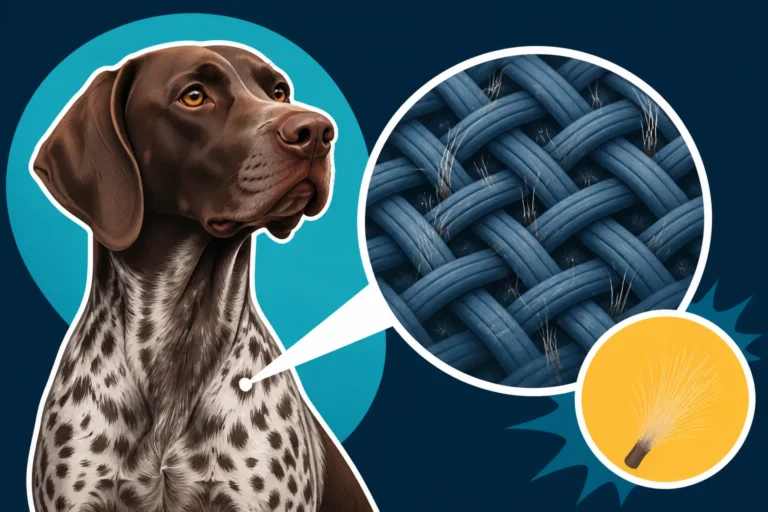
German Shorthaired Pointers are built for athleticism, speed, and versatility, but their ear structure, while classic to the breed, can be a real headache – literally, for them! Unlike breeds with pricked ears that allow for ample air circulation, Shorthairs have pendulous, or dropped, ears. These ears hang close to the side of their head, creating a warm, dark, and often moist environment within the ear canal. This sealed-off condition is a perfect breeding ground for bacteria and yeast, the usual culprits behind ear infections. The ear canal itself is also quite long and L-shaped, making it difficult for natural drainage and debris to exit without assistance. Imagine trying to drain water from a twisted, narrow pipe – that’s essentially what a Shorthair's ear canal contends with. This unique anatomical setup means that simply having water enter the ear isn't just a minor annoyance; it’s a significant risk factor for serious discomfort and infection.
Furthermore, some Shorthairs have more hair growing inside their ear canals than others. While not as extreme as some other breeds like Poodles, even a moderate amount of hair can trap moisture and debris further down the canal. This trapped material, combined with the lack of airflow, exacerbates the problem, turning a damp ear into a full-blown bacterial or yeast party. It’s a challenge many of us face, trying to balance their natural love for water with the realities of their ear health. What Collects in a Shorthair's Folded Ear explores this in more detail. Even if you're checking your Shorthair over after a hunt, those ears can be easily overlooked in the general post-adventure pat down.
Why Swimming is a Double-Edged Sword for Their Ears
German Shorthaired Pointers absolutely adore water. Whether it's retrieving ducks, cooling off on a hot day, or just splashing around, they are truly in their element when wet. This innate love for swimming, while wonderful for their physical and mental exercise, unfortunately, puts their already vulnerable ears at an even higher risk. When water gets into the ear canal during a swim, it doesn't just evaporate quickly. Instead, it gets trapped by that pendulous ear flap and the L-shaped canal, creating an even more humid environment inside. This lingering moisture softens the delicate skin lining the ear canal, making it more susceptible to irritation and inflammation.
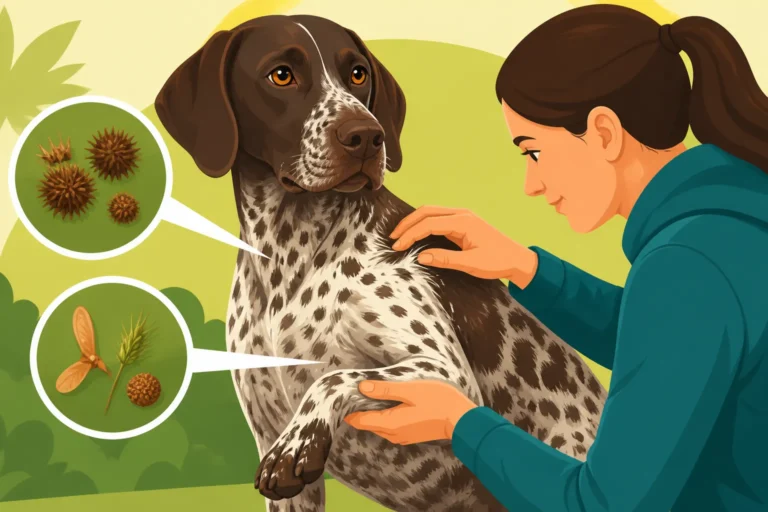
The problem isn't just the water itself. Ponds, lakes, and even some rivers contain various microorganisms, dirt, and debris that can easily enter the ear canal with the water. These foreign invaders, once introduced into that warm, moist, dark environment, have everything they need to flourish and cause an infection. We've all seen our dogs shake their heads vigorously after a swim, trying to dislodge the water. While this helps some, it often isn't enough to thoroughly dry the deep recesses of the ear. This is why Ear Infections in a Shorthair That Swims are such a common complaint among owners, leading to endless vet visits and discomfort for our beloved companions. It's a cruel irony that their favorite activity can lead to such persistent health issues. Especially when they are also prone to Water Intoxication in a Retrieving German Shorthaired Pointer, it really highlights the need for careful management around water.
The Role of Ear Powders in Canine Ear Care
How Ear Powders Are Supposed to Work
Ear powders for dogs are generally formulated with ingredients designed to absorb excess moisture and sometimes, to create an environment less hospitable for bacteria and yeast. The primary mechanism is desiccation – drying out the ear canal. By removing dampness, the powder aims to prevent the proliferation of opportunistic pathogens that thrive in moist conditions. Many powders contain agents like boric acid, zinc oxide, or silica gel, which are known for their drying properties. Some also include mild antiseptics or astringents to help reduce inflammation or inhibit microbial growth. The idea is to apply a small amount into the ear canal, and as the powder absorbs moisture, it leaves the ear drier and, theoretically, healthier.
The perceived benefit, especially for swimming dogs, is to tackle that crucial post-swim dampness that so often leads to problems. If a powder can quickly and effectively dry out the ear canal after water exposure, it could potentially break the cycle of recurring infections. Owners often reach for these products as a preventative measure, hoping to avoid the head-shaking, scratching, and painful cries that accompany an ear infection. However, it's important to understand that not all powders are created equal, and their effectiveness can vary greatly depending on their formulation and how they are used. Even with all the best intentions, knowing The Vet Schedule a Working Shorthair Should Keep can help you get the right advice for proper ear care.
Different Types of Ear Powders Available
When you start looking for ear powders, you'll find a variety on the market, each claiming different benefits. Broadly, they can be categorized by their primary function:
- Drying Powders: These are the most common, focusing purely on moisture absorption. They often contain ingredients like diatomaceous earth or zinc oxide. These are the ones many owners consider after a swim. You can find many options on platforms like Chewy or Amazon, making it easy to compare ingredients and read reviews from other pet parents.
- Medicated Powders: Some powders include antifungal or antibacterial agents in addition to drying ingredients. These are typically used for mild, existing infections or as a preventative if a dog is particularly prone to certain types of infections. However, using medicated products without a vet's diagnosis can sometimes mask a more serious issue or contribute to antibiotic resistance.
- Hair Removal Powders: A specific type of ear powder is designed to aid in plucking excess hair from the ear canal. These powders often contain ingredients that make the hair easier to grip, and they are usually applied before plucking, not as a general post-swim drying agent. This is less about water and more about managing an anatomical predisposition to trapped debris, which can also contribute to A Shorthair's Ear Infection That Returns Every Duck Season.
It's crucial to read the labels carefully and understand what each product is designed to do. For example, a hair removal powder won't do much to dry out a wet ear. Similarly, a simple drying powder won't clear an established bacterial infection. The sheer volume of choices can be overwhelming, but focusing on the specific need – drying after a swim – can help narrow it down. We’re often looking for that magic bullet, but sometimes, the simplest solutions are the most effective, or at least, the safest.
Evaluating the Effectiveness and Risks of Ear Powder for Swimming Shorthairs
When Ear Powder Might Be Helpful (and When It's Not)
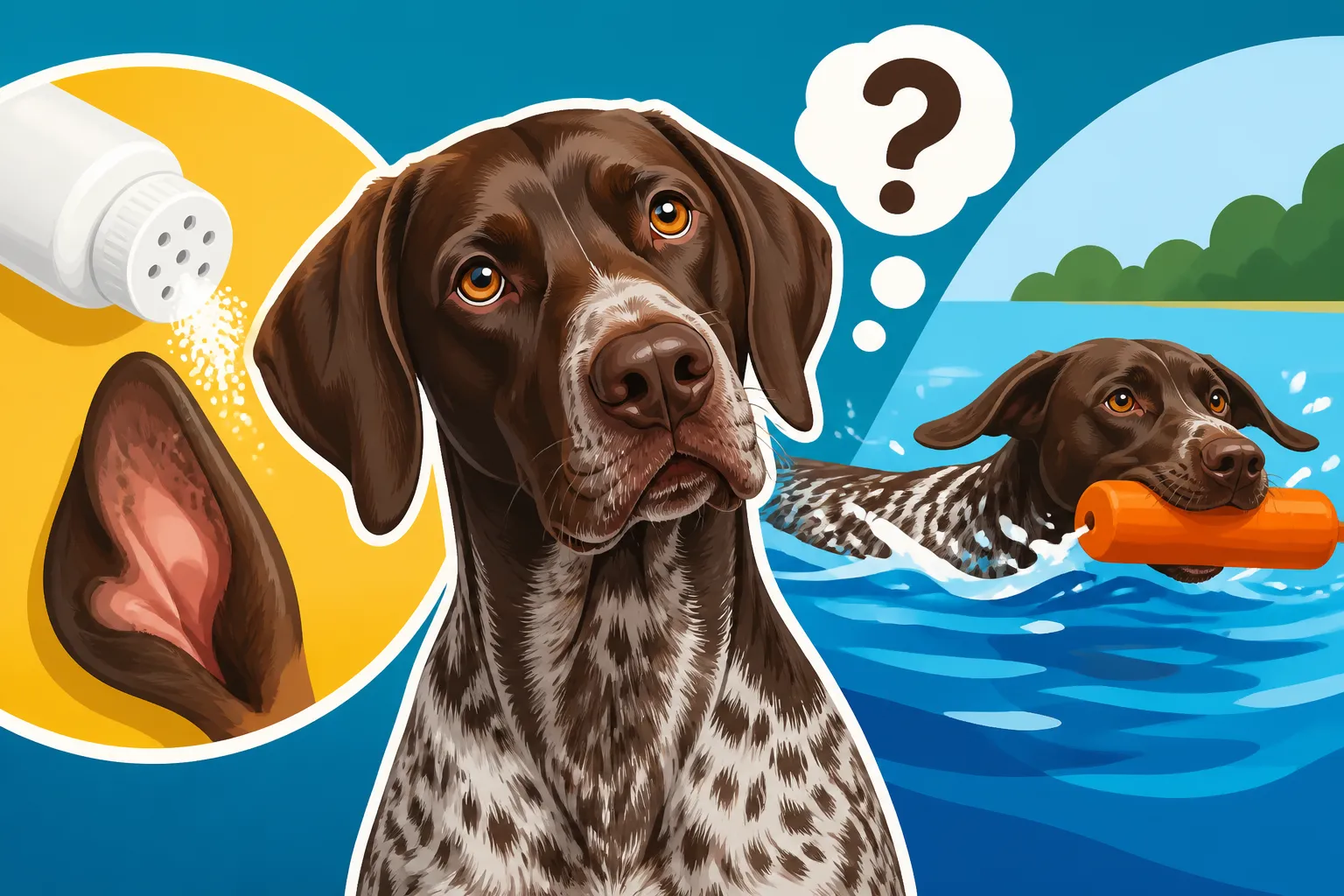
Ear powder can be helpful for a swimming Shorthair, but its application is quite specific. For dogs with healthy ears that simply get wet occasionally and have a tendency to retain a bit of moisture, a good quality drying ear powder used immediately after swimming might offer some benefit. It works by absorbing superficial moisture, reducing the damp environment that bacteria and yeast love. Think of it as a prophylactic step, a quick measure to aid in drying. For instance, if you're out for a quick dip in a clean lake, and you know your Shorthair gets a bit of water trapped, a gentle puff of powder after a thorough outer ear wipe could be part of your routine. This proactive approach, coupled with other drying methods like cotton balls, is key.
However, ear powder is absolutely not a cure-all or a treatment for existing ear infections. If your Shorthair is already showing signs of an ear infection – head shaking, scratching, redness, discharge, or a foul odor – applying powder will likely only make things worse. The powder can clump up with discharge, trap bacteria, and prevent prescribed medications from reaching the affected areas. It’s also not appropriate for dogs with sensitive skin, allergies (which can often manifest as ear issues, sometimes due to Environmental Allergies in a Shorthair That Works Cover), or any underlying ear conditions. Many Shorthairs struggle with The Smell That Means a Shorthair's Ear Is Infected, and in these cases, powder is definitely off the table. Using powder in an already irritated or infected ear can cause further irritation, blockage, and intensify the problem, leading to more pain and a longer recovery. Always consult your vet before introducing new products, especially if there's any existing irritation.
Potential Downsides and Misconceptions About Ear Powder Use
While ear powders promise to keep ears dry, they come with potential downsides and are often misunderstood. One major concern is that the powder itself can become a foreign body if too much is applied or if it clumps up with wax and moisture. This can create blockages in the ear canal, trapping debris and moisture deeper inside, thus defeating its own purpose and potentially causing more irritation or infection. Imagine adding fine dust to a wet, narrow tube – it might not clear things, but rather create a paste. This is particularly problematic in the L-shaped ear canal of a GSP.
Another misconception is that ear powder replaces thorough cleaning and drying. It doesn't. A quick sprinkle of powder can't do the job of a proper ear cleaner or the physical drying action of cotton balls or gauze. Some powders, especially those with strong astringents, can also be irritating to a dog's sensitive ear canal lining, leading to redness, itching, and discomfort. If your dog has any skin sensitivities or allergies, a powdered product could easily trigger a flare-up. There's also the risk of your dog inhaling the powder during application, which can irritate their respiratory system. For these reasons, many veterinarians prefer liquid ear drying solutions or thorough manual drying over powders, especially for breeds like German Shorthaired Pointers who are already prone to ear issues. Ollie, for example, focuses on fresh, whole ingredients in their food, which can be beneficial for overall health, but they don't offer ear powder solutions – highlighting that a holistic approach often excludes such products. We have to be really careful not to accidentally cause more harm than good, especially with something as delicate as their ears.
A Holistic Approach to Preventing Swimming-Related Ear Infections
Essential Post-Swim Ear Care Practices
When your German Shorthaired Pointer comes out of the water, a proactive and thorough ear care routine is your best defense against infections. Forget relying solely on powder; the first and most critical step is physical drying. Gently but firmly blot the outer ear flap and the visible parts of the ear canal with a soft, absorbent cloth or cotton balls. You want to remove as much surface water as possible. Never use cotton swabs deep inside the ear canal, as this can push debris further in and damage delicate structures. It’s about careful absorption, not aggressive probing. Drying a Shorthair's Ears After Every Swim emphasizes this immediate action.
After blotting, consider using a veterinary-approved ear drying solution. These are typically liquid and designed to quickly evaporate moisture while often containing mild antiseptic ingredients. Many brands are available through pet retailers like Chewy or your vet’s office. You'd apply the recommended amount, massage the base of the ear for a few seconds to distribute the liquid, and then let your dog shake its head. This helps to dislodge any remaining cleaner and debris. Follow up with another gentle wipe of the outer ear. This two-step process – physical drying followed by a liquid drying agent – is far more effective and safer than relying on powder alone. Regular checks of your Shorthair's ears, even when they haven't been swimming, are also vital to catch any early signs of trouble. This helps prevent A Shorthair's Ear Infection That Returns Every Duck Season and ensures you're doing more than just Whether Weekly Ear Cleaning Is Enough for a Shorthair. Remember to always be gentle, especially after Rinsing a German Shorthaired Pointer After Pond Water.
When to Seek Veterinary Advice and Explore Alternatives
No matter how diligent you are with preventative care, ear infections can still happen, especially with a breed so predisposed to them. It's crucial to know when to stop home remedies and call your veterinarian. If you notice any persistent signs of discomfort like head shaking, pawing at the ears, discharge (yellow, brown, or black), a strong odor, redness, swelling, or sensitivity to touch, it's time for a vet visit. These are clear indications that an infection has taken hold and requires professional diagnosis and treatment. Delaying treatment can lead to more severe infections, pain, and even permanent damage to the ear canal. Your vet can take a swab of the ear to determine whether the infection is bacterial, yeast, or a combination, and prescribe the appropriate medication.
Beyond immediate treatment for an infection, your vet can also help you explore alternatives and long-term management strategies. If your Shorthair experiences recurrent ear infections, there might be underlying issues such as allergies – environmental or food-related – or even anatomical abnormalities. Your vet might recommend regular ear cleanings, specific prescription ear rinses, or dietary changes. In some extreme cases of chronic, severe ear infections, surgical options like a Total Ear Canal Ablation (TECA) might even be discussed, though these are last resorts. For many Shorthairs, Managing a German Shorthaired Pointer's Lifelong Skin Disease goes hand-in-hand with managing ear health, as skin issues often present in the ears too. Don't hesitate to lean on your vet's expertise; they are your best resource for keeping your beloved Shorthair comfortable and healthy. It's a bill you'll definitely want to budget for, even if it's not quite What a Vet Charges to Close a Shorthair's Field Cut, regular ear care can still add up.
Comparison of Ear Care Methods for Swimming German Shorthaired Pointers
| Method | Primary Action | Pros | Cons | Best Use Case |
|---|---|---|---|---|
| Physical Drying | Removes surface water | Immediate, safe, simple, no chemicals | May not reach deep into ear canal, requires active effort | Always, immediately after swimming |
| Liquid Drying Solution | Evaporates moisture, antiseptic | Deeper penetration, often contains mild antiseptics | Can be irritating if overused, requires vet approval for some | After physical drying, for regular post-swim care |
| Ear Powder | Absorbs moisture | Easy to apply, convenient | Can clump, irritate, or block canal; not for infected ears | Limited, for minor superficial dampness in healthy ears |
| Veterinary Cleaning | Thorough professional clean | Removes deep debris, addresses infection, diagnosis | Requires vet visit, more invasive, costly | For existing infections, recurrent issues, or deep cleaning |
Disclaimer
This article is for general informational purposes only and does not constitute professional advice. Laws, prices and regulations vary by location and change over time. Consult a qualified professional for guidance on your specific situation.