Why Shorthair Hair Weaves Into Fabric
If you've ever owned a German Shorthaired Pointer, you know the struggle: you lovingly brush them, vacuum your floors diligently, and then somehow, magically, you find their short, stiff hairs embedded in your couch cushions, woven into your favorite sweater, and practically fused with your car's upholstery. It's a frustrating reality for many GSP owners, and this guide is here to explain precisely why those seemingly innocuous hairs become so deeply entrenched in your fabrics and, more importantly, what you can do to reclaim your home (and your wardrobe) from their persistent embrace.
The Unique Design of a Shorthair's Coat
Understanding why German Shorthaired Pointer hair seems to defy gravity and conventional cleaning methods starts with a closer look at their distinctive coat. It's not just "short hair"; it's a marvel of canine engineering, designed for their active, outdoor lifestyle. But this design also comes with a few trade-offs when it comes to keeping your home spotless.
Short, Stiff, and Surprisingly Coarse
Unlike breeds with long, flowing locks or soft, downy undercoats, a German Shorthaired Pointer boasts a coat that is short, dense, and remarkably coarse to the touch. Each individual hair is relatively stiff, almost like a tiny bristle. This texture is actually a huge asset in the field. It helps protect them from thorns, briars, and abrasive cover, allowing them to push through dense brush with minimal skin irritation. The stiffness also means it resists matting and collects less debris than a softer coat might.
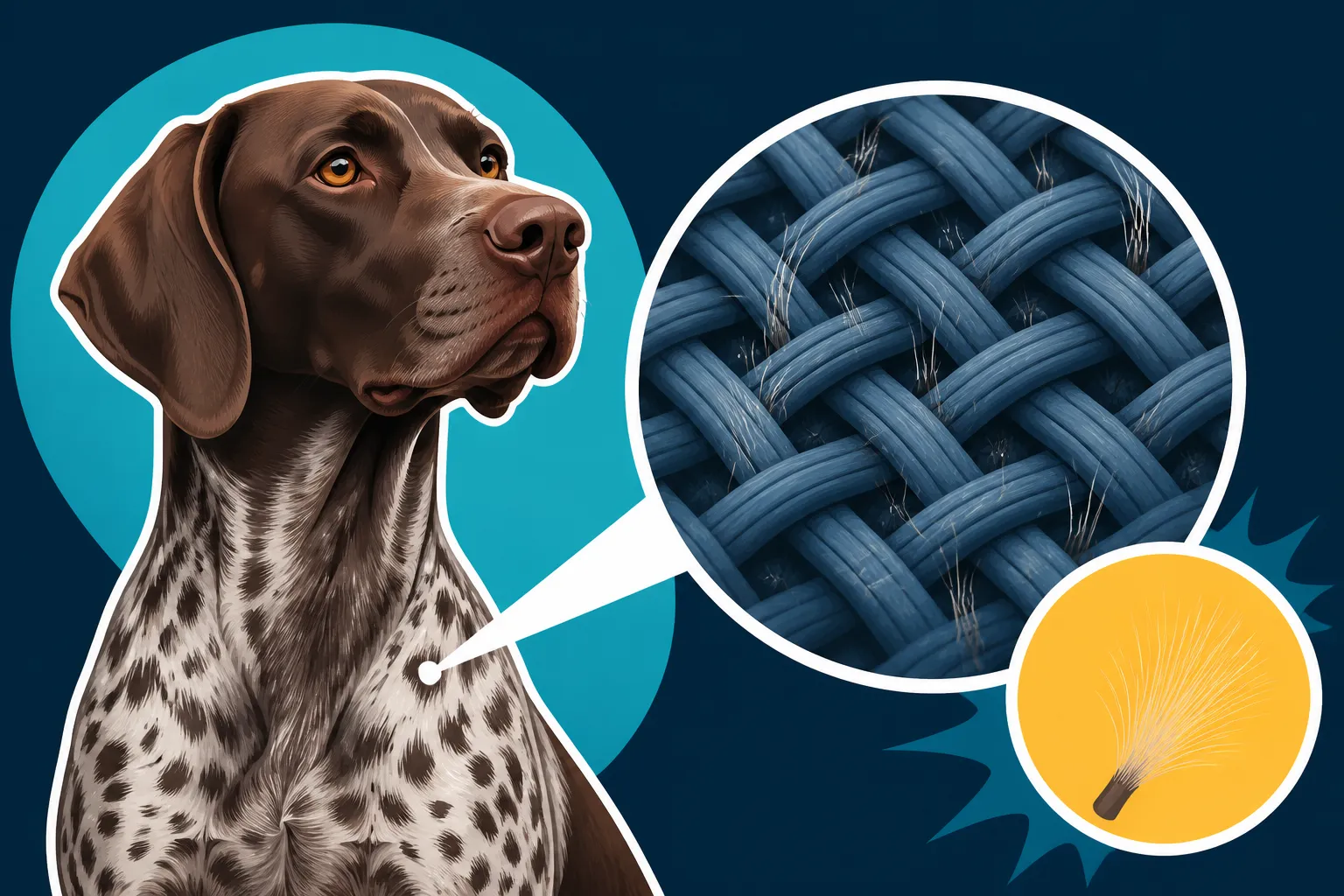
However, this same quality is what makes it so challenging in your home. When these stiff hairs detach, they don't just sit lightly on surfaces. They act like microscopic needles, capable of piercing the weave of fabrics. Think of it like trying to sweep up a pile of tiny, stiff toothpicks versus a pile of soft cotton balls. The toothpicks are going to dig in, aren't they? That's your GSP's hair on your couch.
The Barbs and Microscopic Hooks
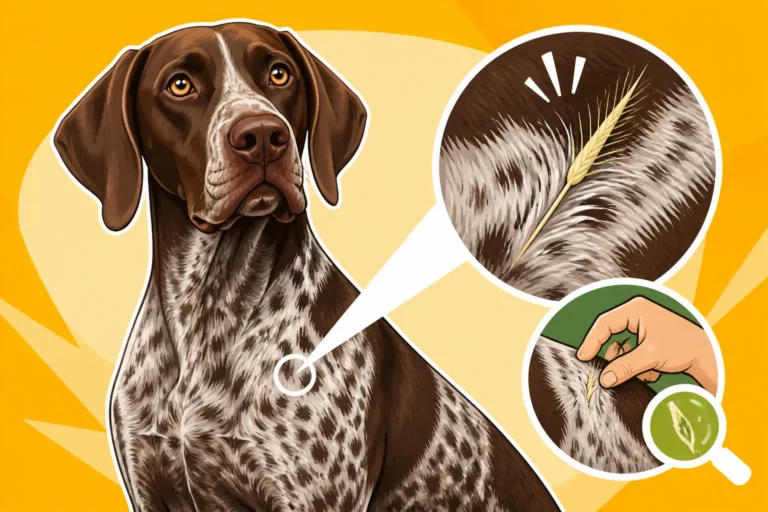
While you can't see them with the naked eye, many dog hairs, including those of German Shorthaired Pointers, have a slightly irregular surface structure. They aren't perfectly smooth cylinders. Instead, they can possess tiny barbs or scale-like structures along their length. These aren't like the barbs on a porcupine quill, but they are sufficient to create friction and resistance.
When a GSP hair lands on a piece of fabric, especially one with a looser weave like many upholstery materials or knitwear, these microscopic "hooks" catch on the individual fibers of the cloth. As you sit, move, or even just brush past, the pressure and movement push the hair deeper into the fabric, and those tiny barbs lock it in place. It's a bit like Velcro on a miniature scale, which is why we often jokingly refer to GSP hair as "velcro hair." This is a significant factor in why a quick swipe with a hand often fails to dislodge them.
The Relentless Cycle of German Shorthaired Pointer Shedding
It's one thing for hair to weave into fabric, but it's quite another for there to be a constant, seemingly endless supply of it. German Shorthaired Pointers are, by nature, pretty consistent shredders. It’s not always a massive "coat blow" twice a year like some double-coated breeds; for a GSP, it's often a steady trickle that adds up fast.
Year-Round Shedding Habits
Many German Shorthaired Pointers shed pretty much all the time, albeit with seasonal fluctuations. They don't have the heavy double coat that some Northern breeds do, which would prompt a dramatic, noticeable "blowing" of their undercoat twice a year. Instead, their single, dense coat is constantly renewing itself. Old hairs fall out, and new ones grow in.
This continuous shedding means there's always a fresh supply of those stiff, weaving hairs ready to colonize your furniture and clothes. Even during times of minimal shedding, a few hairs here and there are enough to make their presence known. For those who own a German Shorthaired Pointer, the idea of a truly hair-free home often feels like a distant dream, especially in the thick of The Weeks a Shorthair Drops Its Coat.
Factors Influencing Shedding Volume
While a baseline of shedding is normal for a GSP, several factors can influence just how much hair you're contending with at any given time:
- Season: While often year-round, shedding can increase noticeably in spring as they shed their denser winter coat, and again in the fall, though less dramatically.
- Diet and Nutrition: A healthy diet rich in omega fatty acids can contribute to a healthy coat and potentially reduce excessive shedding caused by dry, brittle hair. If you're looking for quality food or supplements, many owners find options on sites like Chewy or can explore fresh food options like Ollie that aim to improve coat health. Fish Oil for a German Shorthaired Pointer's Skin is a popular supplement for this very reason.
- Health and Stress: Underlying health issues, allergies, parasites, or even stress can lead to increased shedding. If you notice a sudden, dramatic change in your GSP's shedding patterns, it's always worth a check-up with your vet. A healthy The Body Condition a Field Shorthair Should Carry often correlates with a healthy coat.
- Grooming Routine: Inconsistent brushing means more loose hair is allowed to fall out and embed itself in your home rather than being collected by a brush. Regular grooming is a proactive step in managing the hair situation.
Reclaiming Your Fabrics: Strategies for Hair Removal and Prevention
Okay, so we know why GSP hair weaves itself into everything. Now for the crucial part: what can we do about it? While achieving a completely hair-free existence with a German Shorthaired Pointer is a lofty goal, there are many effective strategies to significantly reduce the impact and keep your home much tidier.
Brushing: Your First Line of Defense
Regular and effective brushing is paramount. The goal is to remove as much loose hair as possible before it has a chance to migrate to your furniture and clothes.
- Tools of the Trade: Forget soft bristled brushes for your GSP. You need something that can really grab those stiff hairs.
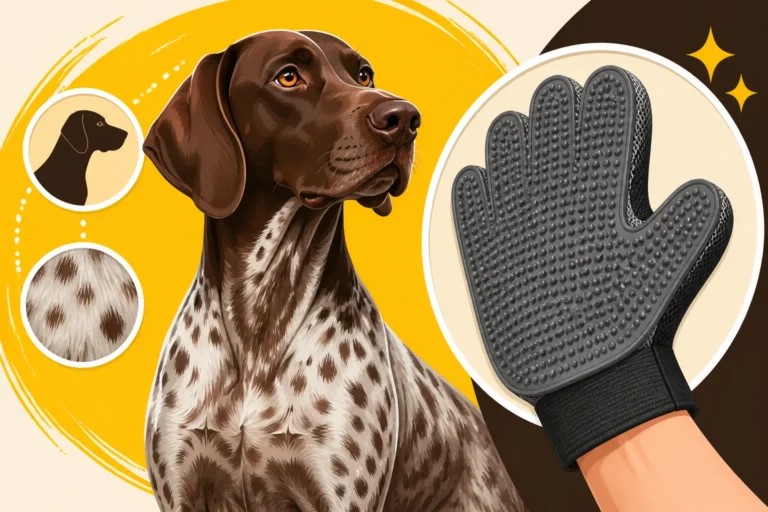
- Rubber Curry Brushes or Grooming Mitts: These are fantastic! The rubber nubs create static and friction, lifting loose hairs from the coat and collecting them. Many owners swear by them. The Grooming Mitt That Suits a Shorthair Coat is often an unsung hero in the fight against GSP hair.
- Shedding Blades/Tools: Be careful with these; some are very effective but can be harsh if used improperly. Always read instructions and use gently.
- Frequency: Aim for daily brushing, especially during peak shedding periods. Even a quick 5-10 minute session can make a huge difference. Brushing outdoors, if possible, is even better, keeping the loose hair out of your home entirely. Whether a Shorthair needs brushing at all is a question many new owners ask, and the answer is a resounding yes!
Laundry Day: A Strategic Battle
Doing laundry with a GSP in the house requires a different approach. Simply throwing everything in the wash might just redistribute the hair, or even embed it further.
- Pre-Wash Ritual: Before anything goes into the washing machine, give it a good shake outdoors. Use a strong lint roller or a rubber glove (dampened) to pull off as much hair as possible.
- The Dryer Trick: For items that can go in the dryer, run them on a no-heat or air-fluff cycle for 10-15 minutes before washing. The tumbling action and dryer sheet (if used) can loosen and collect a surprising amount of hair in the lint trap. Clean the lint trap thoroughly afterward.
- Washing Machine Strategy: Don't overload the machine. This allows items to move more freely, helping to dislodge hair. Add a cup of white vinegar to the rinse cycle; it can help relax fabric fibers, making it easier for hair to rinse away. Make sure to clean out the drum and rubber gasket of your washing machine regularly, as hair can accumulate there.
- Specialty Products: There are laundry additives specifically designed to help release pet hair from fabrics. You might find these on Amazon or in dedicated pet supply sections.
Home Cleaning: Tools and Techniques
Your regular cleaning routine needs an upgrade when living with a German Shorthaired Pointer.
- Vacuum Cleaners: Invest in a good quality vacuum cleaner specifically designed for pet hair. Look for models with strong suction, a brush roll that effectively picks up hair, and good filtration. Robot vacuums can also be a game-changer for daily maintenance, constantly patrolling for rogue hairs.
- Rubber Squeegees or Gloves: For carpets and upholstery, a rubber squeegee or a damp rubber glove can work wonders. Simply drag it across the surface, and watch the hair clump up, ready to be picked by hand or vacuum.
- Damp Cloths and Mops: For hard floors, a damp microfiber mop or cloth is often more effective than a dry one, as it traps the hair rather than just pushing it around.
- Furniture Covers: Consider washable covers for your couches, chairs, and car seats. These act as a barrier, collecting the hair which can then be easily removed or thrown in the wash. You can find many options on sites like Chewy or Amazon.
Here's a quick comparison of popular hair removal tools:
| Tool/Method | Best For | Pros | Cons |
|---|---|---|---|
| Rubber Curry Brush / Mitt | Dog's coat, short-pile carpets | Very effective at lifting embedded hair, gentle on dog's skin | Requires direct contact, can be tiring for large areas |
| Lint Roller (Sticky) | Clothing, light upholstery, quick touch-ups | Easy to use, portable | Sheets fill up quickly, not effective for deeply embedded hair |
| Rubber Squeegee / Glove (damp) | Carpets, upholstery, car interiors | Excellent for clumping deeply woven hair, reusable | Can require effort, may not get every last hair |
| Pet Hair Vacuum Cleaner | Carpets, hard floors, upholstery | Powerful suction, various attachments, good for large areas | Can be expensive, requires electricity, regular maintenance |
| Dryer (no heat cycle) | Machine-washable fabrics | Loosens hair before washing, collects in lint trap | Not for all fabrics, requires clean lint trap |
| Microfiber Cloth (damp) | Hard surfaces, baseboards, blinds | Traps dust and hair effectively | Needs frequent rinsing, less effective on fabric |
Living with a German Shorthaired Pointer: Accepting the Hair as Part of the Charm
Ultimately, if you own a German Shorthaired Pointer, you're going to have German Shorthaired Pointer hair in your life. It's a fundamental part of their charm, an inevitable byproduct of sharing your home with such a dynamic, loving, and active companion.
Adjusting Expectations
It's important to adjust your expectations. Aiming for a completely hair-free home might lead to constant frustration. Instead, focus on managing the hair effectively, keeping it under control, and reducing its prevalence in key areas. Establish a routine for grooming and cleaning that works for you and your GSP. Maybe you embrace a slightly "shaggy chic" aesthetic for your home, or you designate certain areas as GSP-free zones (good luck with that!).
Grooming as Bonding Time
Instead of viewing grooming as a chore, try to see it as valuable bonding time with your dog. Most GSPs enjoy a good brushing session, especially with a gentle rubber curry brush. It’s a chance to connect, check them over for any bumps or scrapes, and reinforce your bond. It's also a great opportunity to do a quick check for Field Injuries a Hunting German Shorthaired Pointer Comes Home With or just give them some extra affection.
The Trade-Off is Worth It
While the hair can be a persistent challenge, the boundless energy, unwavering loyalty, and sheer joy a German Shorthaired Pointer brings into your life far outweigh the minor inconvenience of a few embedded hairs. They are incredible companions, whether in the field or curled up beside you on the couch (shedding discreetly, of course). Embrace the hair as a small price to pay for the privilege of sharing your life with one of the most magnificent and versatile dog breeds out there. It's just part of the package, and a small reminder of the vibrant life you share.
Disclaimer
This article is for general informational purposes only and does not constitute professional advice. Laws, prices and regulations vary by location and change over time. Consult a qualified professional for guidance on your specific situation.