The Body Condition a Field Shorthair Should Carry
It's a common challenge for German Shorthaired Pointer owners, especially those of us with working or field-bred dogs: how do you know if your dog is at its ideal weight? They're supposed to be lean, athletic machines, but where's the line between "fit" and "too skinny"? This guide is going to walk you through exactly what a healthy, hard-running German Shorthaired Pointer should look like and feel like, so you can keep them performing at their best and prevent common issues.
Understanding the Field German Shorthaired Pointer's Unique Needs
When we talk about a German Shorthaired Pointer, especially one bred for the field, we're not talking about your average couch potato. These dogs are finely tuned athletes, and their body condition needs to reflect that. It's a different standard than what you might expect for a more sedentary breed, or even a GSP who spends most of its days as a beloved pet without extensive exercise. Their lean, muscular build isn't just for aesthetics; it's fundamental to their ability to perform the work they were bred for.
More Than Just "Thin": The Athlete's Build
A field German Shorthaired Pointer isn't just "thin"; they possess a specific athletic build that screams power and endurance. Think of a human marathon runner or a cross-country skier—they're lean, certainly, but incredibly strong and well-muscled. You see definition, not just bone. Their frame is designed for speed, agility, and the stamina required to cover vast amounts of ground in varied terrain, often pushing through dense cover or splashing through marshy areas. This isn't a dog meant to carry extra padding; every ounce needs to serve a purpose.
Their musculature should be evident, particularly over the loin, thighs, and shoulders. When they move, you should see those muscles working, rippling under their short, sleek coat. This lean mass contributes to their explosive power and quick directional changes, which are vital for quartering a field or making a fast retrieve. Anything that adds unnecessary bulk or reduces their flexibility would hinder their natural capabilities.
The Energy Burn of a Working Dog
The sheer amount of energy a working German Shorthaired Pointer expends is astounding. Imagine running at a fast clip, stopping suddenly, pointing intensely for minutes, then retrieving a bird through thick brush, only to do it all over again for hours on end. This isn't a casual walk around the block; this is an all-out athletic performance, day after day during hunting season. This incredible output means their metabolic rate is exceptionally high.
Such high energy expenditure directly impacts their body condition. They burn through calories at an astonishing rate, much faster than a dog with a lower activity level. If their diet doesn't adequately compensate for this burn, they will quickly lose weight and condition, which can lead to fatigue, reduced performance, and even health problems. This is why understanding Calorie Needs of a German Shorthaired Pointer in Season is so vital for their overall well-being and maintaining that hard, fit physique.
The Ideal Body Condition Score for a Field GSP
To objectively assess your German Shorthaired Pointer's physique, veterinarians and experienced dog handlers often use a Body Condition Score (BCS). This isn't just a subjective "looks good" assessment but a standardized way to evaluate fat reserves and muscle mass. For a field GSP, we're generally looking for a BCS that indicates a very lean, athletic build, but definitely not emaciated.
Visual Cues: Ribs, Waist, and Tuck
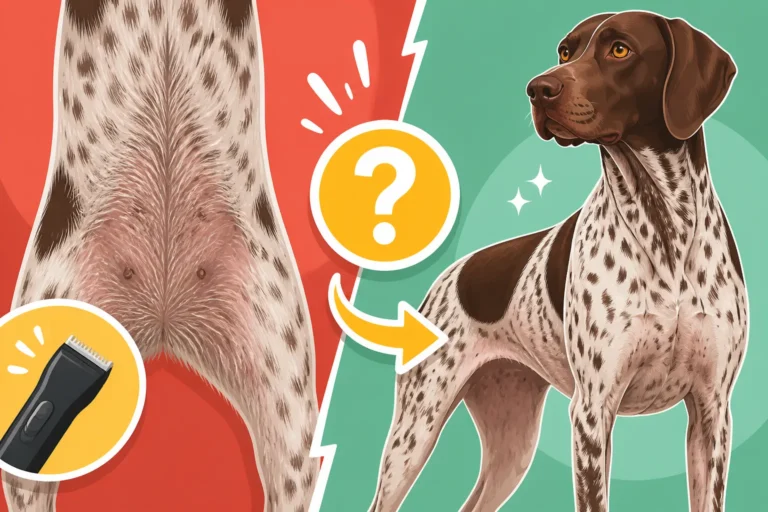
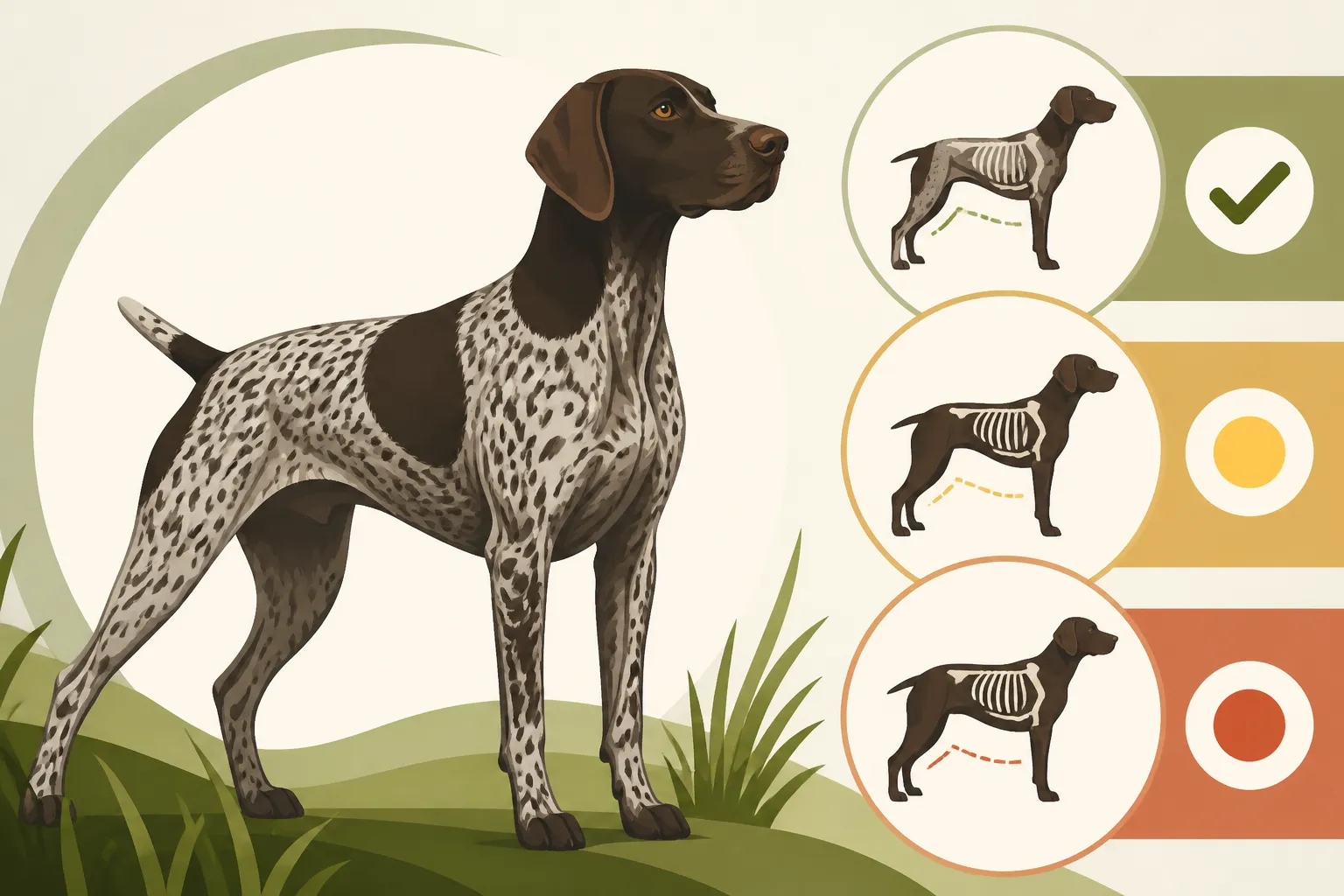
When you're looking at your German Shorthaired Pointer, there are several key visual indicators that point to ideal body condition. From the side, you should see a distinct "tuck-up" behind the ribcage, where the abdomen slopes upwards towards the pelvis. This shows good abdominal muscle tone and minimal excess fat. A deep, prominent tuck-up is a hallmark of a fit GSP.
From above, your dog should have a clearly defined waist. It should narrow significantly behind the ribcage, creating an hourglass shape before widening slightly over the hips. If your dog looks like a straight line from ribs to hips, or even bulges out, they are likely carrying too much weight. Now, regarding those ribs: yes, you should see a hint of their last two or three ribs when they're standing naturally. It’s a common misconception that seeing ribs means a dog is too thin, but for a high-performance athlete like a GSP, it's often a sign of excellent condition. We're talking about visible outlines, not bones jutting out sharply. To delve deeper into this, check out Whether You Should See a German Shorthaired Pointer's Ribs.
| BCS Rating | Description for a Field GSP | Appearance & Feel | Implications |
|---|---|---|---|
| 1 (Emaciated) | Dangerously thin, no fat | Ribs, spine, pelvis, prominent. No muscle mass. | Severe malnutrition, seek vet immediately. |
| 2 (Very Thin) | Underweight, minimal fat | Ribs, spine easily visible. Some muscle loss. | Needs significant weight gain, vet consult advised. |
| 3 (Ideal Lean) | Target for Field GSP | Ribs easily felt, last 2-3 often visible. Clear waist, abdominal tuck. Good muscle mass. | Optimal for performance and health. |
| 4 (Good/Slightly Heavy) | Borderline, a bit soft | Ribs felt with slight pressure. Waist less distinct. Slight fat over spine. | Consider reducing food or increasing exercise. |
| 5 (Overweight) | Carrying too much fat | Ribs difficult to feel. No waist or tuck. Noticeable fat deposits. | Health risks, reduced performance. Strict diet needed. |
Palpation: Feeling for Fitness
Looking at your GSP is just one part of the assessment; feeling them is equally, if not more, important. Run your hands along their sides. You should be able to easily feel their ribs, almost like feeling the knuckles on your hand, with just a thin layer of muscle and skin over them. If you have to press hard to feel the ribs, your dog is likely carrying too much fat. Conversely, if the ribs feel sharp and prominent, almost like individual pencils, they might be too thin.
Next, run your hands over their spine and hip bones. You should be able to feel these bones, but they shouldn't protrude sharply or be devoid of muscle. There should be a smooth, muscular covering. Again, a slight padding is fine, but heavy fat deposits over the spine or hips are a red flag. A well-conditioned field GSP will have firm, well-developed muscles, particularly along their back and hindquarters. This tactile assessment gives you a direct indication of both fat cover and muscle condition.
Why Proper Body Condition is Crucial for Performance and Health
Maintaining the correct body condition for your German Shorthaired Pointer isn't just about appearances; it's absolutely fundamental to their ability to do their job, their overall comfort, and their long-term health. A GSP that is too heavy or too thin faces a host of challenges that can significantly impact their life in the field and at home. We're talking about preventing injuries, optimizing their energy, and ensuring they live out their full, active lifespan.
Optimizing Agility and Endurance
Imagine trying to sprint or jump with a heavy backpack on. That's essentially what an overweight GSP experiences in the field. Every extra pound acts as dead weight, requiring more energy to move and placing additional strain on their cardiovascular system. A GSP needs to be quick on their feet, able to turn on a dime, burst through cover, and maintain a steady pace for hours. Excess weight compromises their agility, slowing them down and making them less efficient. This can mean they miss birds, tire out faster, and ultimately, their performance suffers.
Furthermore, being too heavy can exacerbate conditions like The Bloat Risk a Shorthair Carries Into Every Season. While bloat isn't directly caused by weight, a dog struggling with overall fitness might have a harder time recovering from stress or exertion. On the flip side, an underweight dog, while lean, often lacks the muscle mass and energy reserves needed for sustained endurance. They might start strong but quickly fade, lacking the fuel to continue working effectively throughout a long day of hunting. Optimal condition ensures they have both the power and the stamina needed.
Mitigating Injury Risks and Joint Strain
The very nature of a German Shorthaired Pointer's work involves high-impact activities: jumping, leaping, running over uneven ground, and making sudden stops and turns. Their joints, particularly their hips, knees, and elbows, take a tremendous amount of stress. Carrying even a few extra pounds dramatically increases this load, accelerating wear and tear on cartilage and increasing the risk of injuries like cruciate ligament tears or exacerbating conditions like Hip Dysplasia in a Hard Running German Shorthaired Pointer. A lighter, fitter dog is simply more resilient to these physical demands.
Conversely, a dog that is too thin might lack the protective muscle mass and fat padding that can help cushion joints and absorb impact. While rare for active GSPs to be too thin in a way that directly compromises joints, severe muscle wasting can leave joints vulnerable. The ideal is that powerful, lean muscle that supports and stabilizes the skeletal structure without added bulk. Maintaining this optimal condition is perhaps the single most important preventative measure an owner can take to protect their GSP's musculoskeletal health over a lifetime of active work.
Common Pitfalls and How to Avoid Them
Even with the best intentions, it's easy to fall into traps that can lead to your German Shorthaired Pointer being out of ideal body condition. Sometimes, it's an unconscious habit, other times it's simply a misunderstanding of their specific needs. Recognizing these common pitfalls is the first step toward correcting them and ensuring your GSP stays in prime shape.
The "Fat Shorthair" Trap
This is perhaps the most common issue, especially for GSPs that are primarily pets or don't get the rigorous exercise their breed demands. It often starts subtly: a few extra treats here, a slightly too-large meal there, and perhaps a reduction in activity during the off-season. Because German Shorthaired Pointers are so naturally lean, a little weight gain can make a big visual difference and easily tip them into the overweight category. Owners sometimes mistake a solid, muscular build for a layer of fat, or they simply aren't aware of how much food their dog truly needs versus what they're being fed.
Another contributor to the "fat Shorthair" trap is the belief that a dog should look "filled out" or chunky. For many breeds, this might be a healthy look, but for a GSP, it's a precursor to problems. They are not built to carry significant fat reserves. Their bodies are designed for efficiency. Overfeeding or under-exercising them turns their sleek, athletic frame into a softer, less capable one, impacting their health and lifespan. It's a hard truth, but an overweight GSP is an unhealthy GSP, regardless of how much you love to spoil them with treats.
The "Too Lean" Concern and When to Worry
While less common for GSPs that are well-fed and exercised, sometimes a German Shorthaired Pointer can become genuinely too lean. This is when you can see almost all their ribs distinctly, their spine and hip bones protrude sharply, and there's noticeable loss of muscle mass, particularly over the back and thighs. This isn't the healthy "last few ribs showing" look; it's a sign of a dog burning more calories than it consumes or potentially suffering from an underlying health issue.
If your GSP is losing weight despite eating what you believe is an appropriate amount, or if they appear gaunt and lethargic, it's time to consult your veterinarian. Reasons for being too lean can range from insufficient food intake for their activity level, stress, parasites, dental pain, malabsorption issues, or more serious conditions like thyroid problems or certain cancers. It’s crucial not to simply try to "fatten them up" without a vet check, as you might be masking a symptom of a deeper problem. If you find yourself needing to help your GSP recover weight after a strenuous period, our guide on Putting Weight Back on a Shorthair After Hunting can offer some practical advice, but always rule out medical issues first.
Maintaining Optimal Condition Through Diet and Exercise
Achieving and maintaining the ideal body condition for your field German Shorthaired Pointer is a dynamic process that requires a careful balance of diet and exercise. It's not a one-time fix but an ongoing commitment to their health and performance. The key is understanding that their needs aren't static; they change with seasons, activity levels, and age.
Tailoring Nutrition to Activity Levels
This is where many owners get tripped up. A German Shorthaired Pointer's caloric and nutrient needs can fluctuate wildly depending on whether it's hunting season, off-season, or if they're in intense training. During peak hunting season, when your GSP is running hard for multiple days a week, they need a high-quality, high-performance dog food that's rich in protein and fat. Many owners find brands like Pro Plan Sport or Eukanuba Premium Performance offer the energy density these dogs require. You might be surprised by The Daily Ration a Working Shorthair Actually Eats—it's often significantly more than a non-working dog.
In the off-season, when activity might be slightly reduced, it's essential to scale back their food intake to prevent them from gaining unwanted weight. You might switch to a maintenance formula or simply feed less of the performance food. Some owners prefer fresh food options, which can be highly digestible and nutrient-dense, with brands like Ollie offering tailored plans. Regardless of the food type, always measure accurately rather than free-feeding. And when it comes to specific macro-nutrient needs, understanding Whether a Shorthair Needs a High Fat Diet in Season can make a huge difference in their energy and recovery. Brands found on platforms like Chewy or Amazon can offer a wide selection of suitable performance foods and supplements.
Consistent Exercise Beyond the Hunt
It's tempting to think that hunting season provides all the exercise a GSP needs, but optimal body condition is a year-round endeavor. While hunting is certainly intense, the off-season shouldn't mean months of inactivity. Consistent, high-intensity exercise is crucial to maintain muscle mass, cardiovascular health, and a lean physique. This could involve daily runs, bikejoring, swimming, or long sessions of fetch in an open field. Aim for at least 90 minutes to two hours of vigorous exercise daily, not just a casual walk.
Engaging in activities like hiking, running alongside a bicycle, or even dedicated treadmill sessions can help burn off excess energy and keep muscles toned. Even when the weather isn't ideal for outdoor adventures, finding ways to maintain their fitness, like using puzzle toys for mental stimulation or indoor training sessions, is important. Our article, The Two Hours a Day a German Shorthaired Pointer Needs, highlights the importance of this consistent routine for their physical and mental well-being, showing that a balanced exercise regimen is key to preventing weight gain and maintaining that coveted athletic build.
Monitoring and Adjusting for Lifelong Health
Keeping a German Shorthaired Pointer in peak body condition isn't a set-it-and-forget-it task. It requires ongoing observation, periodic adjustments to their diet and exercise, and a willingness to adapt as they age or their activity levels change. Being proactive in monitoring their health and condition will serve them well throughout their entire lives, ensuring they remain happy, healthy, and ready for whatever adventure comes next.
Seasonal Changes and Weight Fluctuation
It's entirely normal for a hard-working German Shorthaired Pointer to experience some weight fluctuation throughout the year. They might be at their leanest, most conditioned state during the peak of hunting season, burning through calories at an incredible rate. As the season winds down and their physical output decreases, it's natural for them to put on a little bit of weight. The key is to manage this fluctuation so it stays within a healthy range. You don't want them to pack on several extra pounds in the off-season, only to have to shed it all again come fall, which can be stressful on their system and joints.
Instead, aim for a slight, controlled increase in weight during the off-season, perhaps moving from a BCS of 3 (lean ideal) to a very lean 4 (good). This can provide a small buffer for when they start working hard again. Regular weekly weigh-ins can be incredibly helpful for tracking these changes and making small, incremental adjustments to their food portions or exercise intensity. Don't wait until they're noticeably out of shape to make changes; subtle shifts caught early are much easier to manage.
Consulting Your Vet: When to Seek Professional Guidance
While you know your German Shorthaired Pointer best, sometimes an outside professional opinion is invaluable. If you're consistently struggling to get your dog to an ideal body condition—either they're always too thin despite adequate feeding, or they're gaining weight despite appropriate exercise—it's time to consult your veterinarian. There might be an underlying medical issue, a metabolic problem, or simply a need to fine-tune their diet or exercise plan with expert advice. Your vet can rule out health problems, provide specific dietary recommendations, or even refer you to a canine nutritionist or a sports medicine specialist.
Furthermore, as your GSP ages, their metabolism and activity levels will naturally change. What worked for a two-year-old dynamo won't necessarily be appropriate for an eight-year-old veteran. Your vet can help you navigate these transitions, adjusting their ideal body condition target slightly, recommending supplements, or modifying their routine to keep them comfortable and healthy in their senior years. Regular check-ups are always a good idea, and our guide on The Vet Schedule a Working Shorthair Should Keep can give you a clear idea of what to expect and ask for at these appointments. They are your best partner in ensuring your GSP lives a long, healthy, and active life.
Disclaimer
This article is for general informational purposes only and does not constitute professional advice. Laws, prices and regulations vary by location and change over time. Consult a qualified professional for guidance on your specific situation.