Trimming a German Shorthaired Pointer’s Dewclaws
It’s easy to overlook those seemingly insignificant little nails higher up on your German Shorthaired Pointer’s legs – the dewclaws. Many owners, even experienced ones, often forget they're even there until they cause a painful problem. This guide will walk you through everything you need to know about properly trimming your GSP's dewclaws, preventing discomfort and potential injuries for your active companion.
The Unique Role (or Lack Thereof) of a GSP's Dewclaws
Dewclaws are a fascinating little quirk of canine anatomy, often misunderstood or completely ignored. For a German Shorthaired Pointer, whose life is all about movement, agility, and sometimes navigating challenging terrains, understanding these small digits is crucial for their overall comfort and health.
What Exactly Are These Little Digits?
Imagine a thumb, but high up on the inside of your dog's leg, just above the main paw. That's essentially a dewclaw. Anatomically, they're a vestigial digit, meaning they're a remnant of what might have once been a functional toe for their ancient ancestors. On the front legs, most German Shorthaired Pointers have them, and they typically contain bone and muscle connection, making them a bit sturdier. These front dewclaws can sometimes be used by dogs for extra grip when climbing or holding onto objects, though this is less common for the fast-moving GSP than for some other breeds.
However, it's a different story for hind dewclaws. Many German Shorthaired Pointers are born without them, and if they do appear on the rear legs, they are often loosely attached, sometimes only by skin. This is why you might hear about breeders opting for their removal very early in a puppy's life, especially in working lines, to prevent future issues. Regardless of their bone structure, they all share one critical characteristic: they don't touch the ground.
Why Your German Shorthaired Pointer's Dewclaws Demand Attention
Here's the rub: because dewclaws don't make contact with the ground, they don't experience the natural wear and tear that helps keep a GSP's other nails at a manageable length. Your dog runs, walks, and plays, and all that friction helps file down their main nails. But the dewclaw just keeps growing, unimpeded. This unchecked growth is where problems begin to fester, often literally.
Left untrimmed, a dewclaw can grow excessively long, curling around in a full circle. When it gets long enough, it can pierce the skin of your German Shorthaired Pointer's leg, just like an ingrown toenail would on a human. This is incredibly painful, like having a sharp splinter constantly digging into tender flesh. It's not just discomfort; an open wound from an ingrown nail is an invitation for bacterial infection, which can lead to swelling, pus, and even lameness. It's a silent threat that can escalate quickly into a serious medical issue if not addressed.
The Hidden Dangers for Active German Shorthaired Pointers
The typical German Shorthaired Pointer is a dynamo, a blur of energy that thrives on intense physical activity. They love to run, hunt, and explore, often tearing through dense fields, thorny thickets, and rough undergrowth. This is where untrimmed dewclaws become not just a nuisance, but a real hazard. Imagine your GSP, full of drive, plunging through heavy cover in pursuit of a bird, or enjoying Running a Shorthair Beside a Bike Safely through wooded trails.
A long, sharp dewclaw can easily snag on a branch, a root, or even a piece of barbed wire that’s hidden in the brush. The force of your dog's momentum can then tear the dewclaw, either ripping it partially or completely off the leg. This is a profoundly painful injury, often accompanied by significant bleeding. It immediately brings their activity to a halt and usually requires veterinary attention, sometimes even stitches or pain medication. These types of incidents fall squarely under Field Injuries a Hunting German Shorthaired Pointer Comes Home With, and they're entirely preventable with proper care. It’s a stark reminder that every part of your GSP, even the seemingly insignificant dewclaw, needs diligent attention to keep them safe and sound in the field.
Mastering the Art of Dewclaw Trimming at Home
Taking charge of your German Shorthaired Pointer's dewclaw care might seem daunting at first, but with the right tools and a bit of confidence, it's a manageable task that saves your dog a lot of pain and prevents costly vet visits. It’s about being proactive, not reactive, when it comes to their paw health.
Essential Tools for a Successful Trim
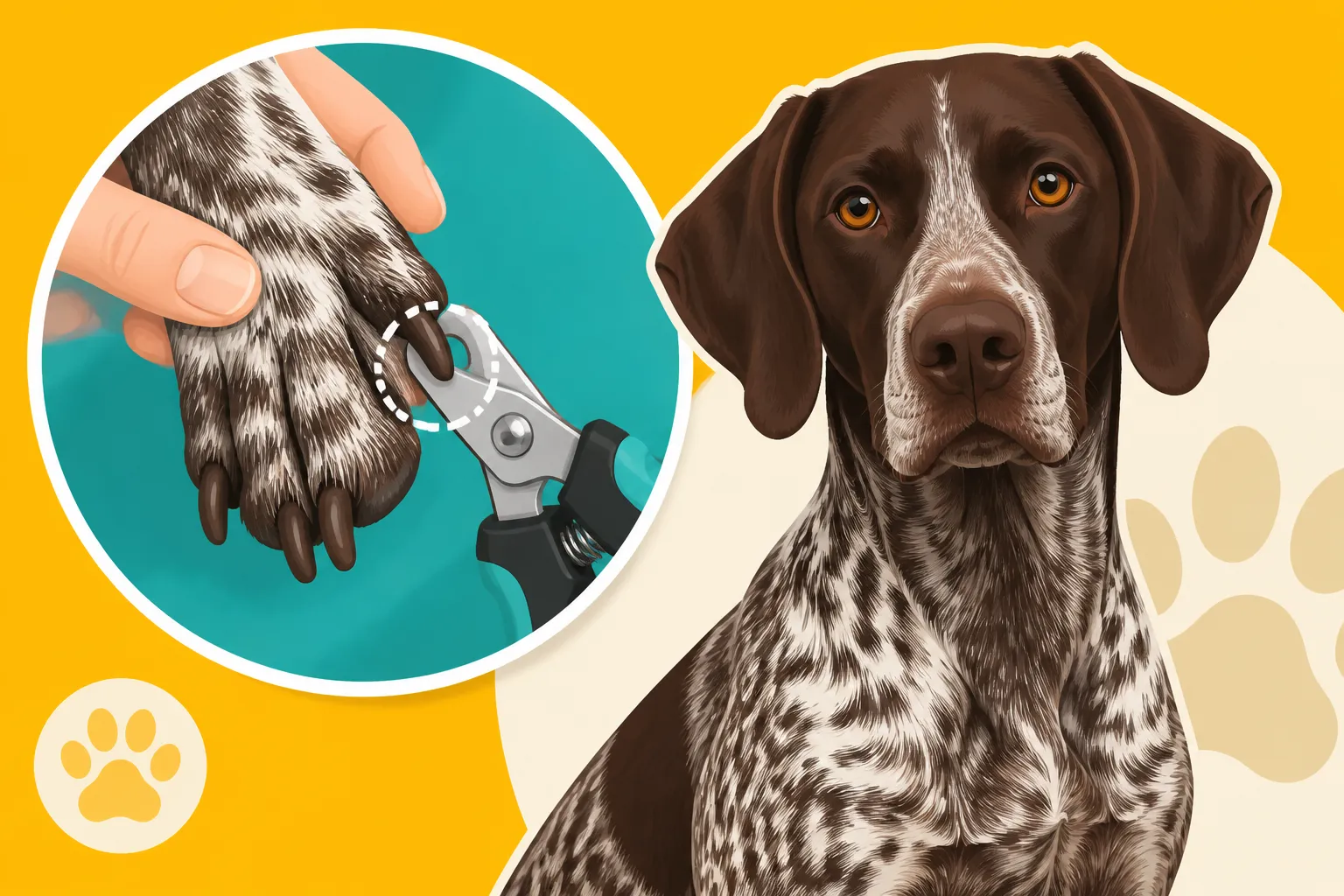
Before you even think about making a cut, gather your supplies. Having everything at hand minimizes stress for both you and your German Shorthaired Pointer. First, you'll need a good pair of dog nail clippers. There are two main types: guillotine-style and scissor-style. Many owners find the scissor-style clippers easier to maneuver for dewclaws, as they offer more control, but it really comes down to personal preference. Invest in a sharp, high-quality pair; dull clippers can crush the nail rather than cut it cleanly, which is painful for your dog.
Next, and this is non-negotiable, you absolutely must have styptic powder. This magical stuff immediately stops bleeding if you accidentally cut too far and hit the quick. If you don't have styptic powder, cornstarch can work as a temporary substitute in a pinch, though it’s less effective. Finally, and arguably most importantly, stock up on high-value treats! These are your secret weapon for positive reinforcement, turning a potentially stressful experience into a rewarding one. A good, bright light source, like a headlamp or a small flashlight, is also incredibly helpful, especially if your GSP has dark nails where the quick isn't easily visible. You can find all these grooming essentials from reliable online retailers like Chewy or Amazon.
A Step-by-Step Guide to a Stress-Free Trim
Alright, tools in hand, treats at the ready. Find a quiet, comfortable, and well-lit spot where both you and your German Shorthaired Pointer can be relaxed. If your GSP is nervous, start with just handling their paws, praising them, and offering treats without even bringing out the clippers. The goal is to build positive associations.
When you're ready to trim:
- Positioning: Gently but firmly hold your GSP's paw. You might need to kneel or sit with your dog in your lap, whatever provides stability.
- Locate the Dewclaw: It’s on the inner side of their leg, slightly above the paw.
- Identify the Quick: This is the living part of the nail, containing blood vessels and nerves.
- Light Nails: If your GSP has light-colored nails, you'll see a pink area within the translucent nail; this is the quick. You want to cut just before the pink, aiming for the white tip.
- Dark Nails: For dark nails, it's trickier. Instead of seeing the quick, you'll cut tiny slivers off the tip until you start to see a small gray or white oval appear in the center of the cut surface. This signals you're getting close to the quick, and it's time to stop. When in doubt, cut less.
- Make the Cut: Using your sharp clippers, make a quick, confident cut. Aim to cut the nail parallel to the floor, mimicking how a naturally worn nail would look.
- Praise and Reward: Immediately after each successful trim (or even after just touching a paw if your dog is anxious), offer lavish praise and a high-value treat. Keep the energy calm and positive.
- Keep it Short: If your GSP gets antsy, do one or two nails and finish the rest later. Short, positive sessions are always better than forcing a full trim and creating a negative association.
What to Do If You 'Quick' Your German Shorthaired Pointer
Let's be realistic: if you trim your dog's nails consistently over their lifetime, you will, at some point, accidentally cut too far and hit the quick. It's a common occurrence, even for seasoned owners, so please don't let the fear of it paralyze you. The quick will bleed, and your dog will likely yelp and pull away, possibly licking their paw. It can be startling for both of you.
The most important thing is to stay calm. Your dog will pick up on your anxiety. Immediately grab your styptic powder. Take a small pinch of the powder and apply it directly to the bleeding tip of the nail. Apply firm pressure for about 10-15 seconds. The powder works by constricting the blood vessels and helping the blood to clot. It might sting your dog slightly, but it's very effective at stopping the flow quickly. Once the bleeding has stopped, reassure your GSP with gentle words and offer a really special treat. Clean up any blood on the floor or their fur. Don't punish or scold your dog; they're already startled. End the session on a positive note, even if you only managed one dewclaw. It's a learning experience for both of you, and with proper preparation, you can minimize the risk.
Establishing a Regular Dewclaw Care Routine
The key to preventing dewclaw drama isn't just knowing how to trim them, but integrating it into a consistent care schedule. German Shorthaired Pointers are creatures of habit, and building a routine around paw care can make the process smoother and less stressful for everyone involved.
How Often is "Enough" for a German Shorthaired Pointer?
When it comes to dewclaws, "enough" is definitely more often than you might think for other nails. Because they don't experience natural wear, dewclaws can grow alarmingly fast. A good rule of thumb is to check and trim your GSP's dewclaws every 2 to 4 weeks. Yes, that often! While their regular nails might tolerate a 4-6 week schedule depending on how much pavement walking they do, the dewclaws need more frequent attention to prevent them from curling and becoming embedded.
Regularity is your best defense against problems. When you trim them frequently, you're only taking off small tips, making the quick gradually recede and reducing the risk of hitting it. This consistent attention is a small but vital part of keeping How Long a Working German Shorthaired Pointer Stays Sound, ensuring their active lifestyle isn't curtailed by a painful, preventable paw injury. Ignoring them, even for a few months, can result in severely overgrown nails that are much harder and riskier to trim, potentially requiring a trip to the vet for sedation.
Making Nail Trims a Positive Experience for Your GSP
No one wants to wrestle an unwilling 60-pound German Shorthaired Pointer with sharp clippers. That's why building a positive association with paw handling and nail trims from an early age is absolutely paramount. Start when your GSP is a puppy. Gently touch their paws and individual toes daily, offering praise and high-value treats. Don't even bring out the clippers at first. Just make paw handling a normal, pleasant part of their day.
Once they're comfortable with having their paws touched, introduce the clippers. Let them sniff the clippers, reward them. Touch the clippers to a nail without cutting, then reward. Gradually, work up to making a single snip, then immediate praise and a treat. Keep these sessions incredibly short – sometimes just a minute or two is all it takes to make progress. Never scold or punish your GSP for being nervous or pulling away; this only creates fear and makes the process harder in the long run. If they're showing apprehension during Puppy Classes Before a Shorthair Starts Field Work, talk to your trainer about desensitization techniques. Patience, consistency, and a generous supply of their favorite goodies will go a long way in turning nail trims into a calm, cooperative experience for your intelligent German Shorthaired Pointer.
Considering Professional Assistance or Removal
Sometimes, despite your best efforts, home trimming just isn't working out. Perhaps your German Shorthaired Pointer is genuinely distressed, or maybe their dewclaws are already severely overgrown and curled, making you nervous about attempting a trim yourself. In these situations, please don't hesitate to seek professional help. Your veterinarian or a professional groomer can be invaluable resources.
A vet can often provide a demonstration, offer tips for handling a difficult dog, or even perform the trim if necessary. For severely neglected or deeply ingrown dewclaws, a veterinarian might suggest light sedation to ensure a pain-free and thorough trim, preventing further trauma to your dog. Professional groomers also have specialized tools and experience, making quick work of even the trickiest nails.
Beyond regular maintenance, some breeders choose to have dewclaws surgically removed when puppies are just a few days old. This procedure is done primarily to prevent future injuries, particularly for active hunting dogs. It's a decision with pros and cons, and you can delve deeper into this topic in Whether a Shorthair's Dewclaws Should Be Removed to weigh if it's the right choice for a future GSP or a puppy you are considering.
Beyond Trimming: Comprehensive Paw Health for Your GSP
Trimming dewclaws is just one piece of the puzzle when it comes to maintaining your German Shorthaired Pointer's incredible paws. These powerful tools are central to their athleticism and well-being, and a holistic approach to paw care ensures they stay in top condition for all their adventures.
The Full Paw Check-Up After Every Adventure
For a breed that lives to run, jump, and explore, a thorough paw inspection should be as routine as cleaning their bowls. This is especially true after any vigorous activity, whether it's a long training session, a day in the field, or even just a particularly enthusiastic play session. Imagine your German Shorthaired Pointer bounding through tall grasses or rough terrain while Hunting Two German Shorthaired Pointers Together – those paws are taking a beating.
When you're doing your regular Checking a German Shorthaired Pointer Over After a Hunt, don't just glance at their paws. Take the time to meticulously inspect each one. Spread their toes and check between the pads for any foreign objects like burrs, foxtails (which can burrow deep and cause serious infections), thorns, or ticks. Look for cuts, scrapes, tenderness, or swelling. Feel each toe and pad for any signs of discomfort or injury. This is also the perfect time to give those dewclaws a quick check. Are they getting too long? Are they catching on anything? Early detection of any issue, from a minor cut to a problematic dewclaw, can prevent it from escalating into a major problem, saving your GSP pain and you a hefty vet bill.
Protecting Your GSP's Paws in All Conditions
Dewclaw care is specific, but it fits into a broader strategy for protecting your German Shorthaired Pointer's paws, which are constantly exposed to various elements. Depending on your environment and activities, your GSP's pads can face extreme heat, abrasive surfaces, ice, snow, and even harsh chemicals like sidewalk de-icers.
For very rough terrain, sharp stubble, or freezing conditions, consider outfitting your GSP with protective footwear. While some dogs take time to get used to them, Boots for a Shorthair on Rock and Stubble can provide an invaluable barrier against injury. Beyond boots, regular application of a quality paw balm can do wonders. Products like the ones you might find on Ollie's website are designed to keep pads moisturized, supple, and less prone to cracking, which is a common issue for active dogs. Healthy, resilient pads complement well-trimmed nails in ensuring your German Shorthaired Pointer's feet are tough enough to handle anything you throw at them.
The Long-Term Impact of Consistent Paw Care
It might seem like a small detail, but consistent, thoughtful care of your German Shorthaired Pointer's paws – including those often-forgotten dewclaws – has a massive impact on their overall health, comfort, and longevity. By preventing painful ingrown nails, nasty tears, and secondary infections, you're ensuring your GSP can continue to enjoy their active lifestyle without unnecessary physical limitations.
A German Shorthaired Pointer with well-maintained feet is a happier, more capable companion. They won't be hobbled by discomfort, won't hesitate to plunge into their favorite activities, and will simply feel better day in and day out. This dedication to their well-being is an investment in the long, healthy life you want for them, allowing them to truly thrive for The Twelve to Fourteen Years a German Shorthaired Pointer Gets by your side. Regular vet check-ups, which are outlined in The Vet Schedule a Working Shorthair Should Keep, should always include a thorough paw and nail assessment, reinforcing your home care efforts. It's a testament to your commitment as an owner to provide them with the best quality of life, right down to their very paws, and to ensure How Often a German Shorthaired Pointer's Nails Need Trimming is a consistent priority.
| Clipper Type | Pros | Cons | Best For |
|---|---|---|---|
| Scissor-Style | Good control, clean cut, often ergonomic | Can feel less "powerful" than guillotine on thick nails | General use, dewclaws, small to medium nails |
| Guillotine | Quick, efficient for larger, thicker nails | Less precise control, can crush if dull, harder for dewclaws | Larger breeds, very thick nails |
| Grinder (Dremel) | Smooth finish, reduces quicking risk (slowly) | Noise/vibration can scare dogs, takes longer, dust | Dogs sensitive to clippers, maintaining short nails |
Disclaimer
This article is for general informational purposes only and does not constitute professional advice. Laws, prices and regulations vary by location and change over time. Consult a qualified professional for guidance on your specific situation.