How Often a German Shorthaired Pointer’s Nails Need Trimming
If you're a proud German Shorthaired Pointer owner, you know their boundless energy often means their paws are constantly moving, covering ground at an impressive clip. This incredible activity, while fantastic for their health and happiness, can also make nail care a bit of a moving target. Keeping those nails at the right length is more than just aesthetics; it's fundamental to their comfort, joint health, and ability to perform in the field. This guide will delve into the nuances of GSP nail growth, help you figure out the ideal trimming frequency for your unique dog, and offer practical advice to make nail care a stress-free part of your routine.
Understanding the German Shorthaired Pointer's Nail Growth and Structure
German Shorthaired Pointers have nails that are built for action, just like the rest of them. But even the toughest nails can cause problems if they're not maintained. It's not just about trimming; it's about understanding how their nails grow and what impact neglected nail care can have on such an athletic breed.
The Anatomy of a GSP's Nail
A GSP's nail isn't just a hard outer shell; it's a living structure. Inside each nail is something called the "quick," which contains blood vessels and nerve endings. This quick grows along with the nail, extending further down as the nail gets longer. The outer part, the nail itself, is composed of keratin, much like our own fingernails. For many GSPs, especially those with darker coats, their nails can also be dark, making the quick harder to see. This can be a real source of anxiety for owners who worry about cutting too far back and causing pain or bleeding.
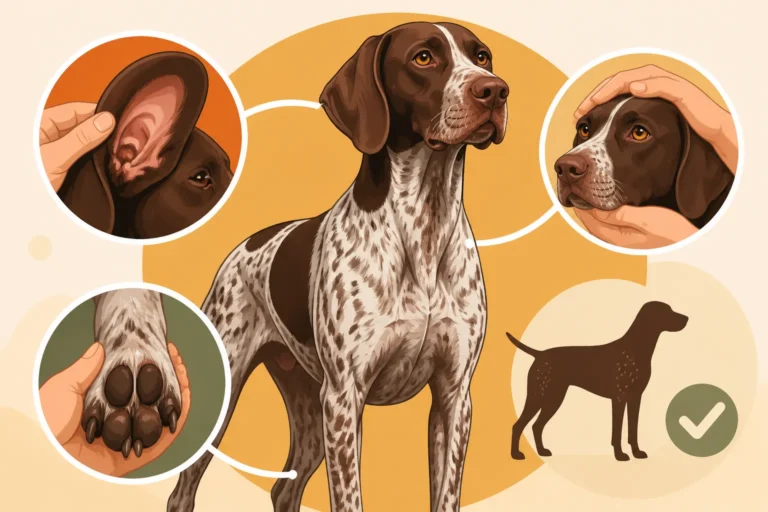
The structure of their paw, with its tight, well-arched toes, is designed for efficient movement and gripping. Long nails interfere with this natural paw structure, pushing the toes up and back, which can strain the joints over time. It's a subtle change at first, but for a dog bred to run and point, even small structural compromises can lead to bigger issues down the line.
Why Nail Length Matters for an Active Dog
For a German Shorthaired Pointer, every aspect of their physical well-being contributes to their ability to live life to the fullest, whether that's tearing through a field after pheasants or simply romping in the backyard with the kids. Long nails are a significant hindrance. When a GSP's nails touch the ground when they're standing, they create pressure on the toe joints, forcing the toes to splay and rotate unnaturally. Imagine trying to run a marathon in shoes that are too small, with your toes constantly jammed against the front – that's a bit like what long nails feel like to your GSP.
This constant pressure and unnatural splaying can lead to discomfort, pain, and eventually, more serious orthopedic issues like arthritis in the toe joints. It can also alter their gait, making them compensate in ways that put extra strain on other joints, like their ankles, knees, and even hips. For a hunting dog, this impacts their endurance, speed, and agility in the field. Overgrown nails are also more prone to snagging and tearing, which is incredibly painful and often requires a vet visit. A torn nail can be a nasty injury, leading to infection and downtime, which no GSP owner wants for their energetic companion. You might also notice a difference in their ability to grip on various surfaces if their nails are too long.
Establishing a Regular Trimming Schedule
The million-dollar question for many GSP owners is, "How often?" The truth is, there's no single magic number, but rather a range that depends heavily on your individual dog's lifestyle and genetics. What's "regular" for one German Shorthaired Pointer might be completely insufficient for another.
How Often is "Often Enough"?
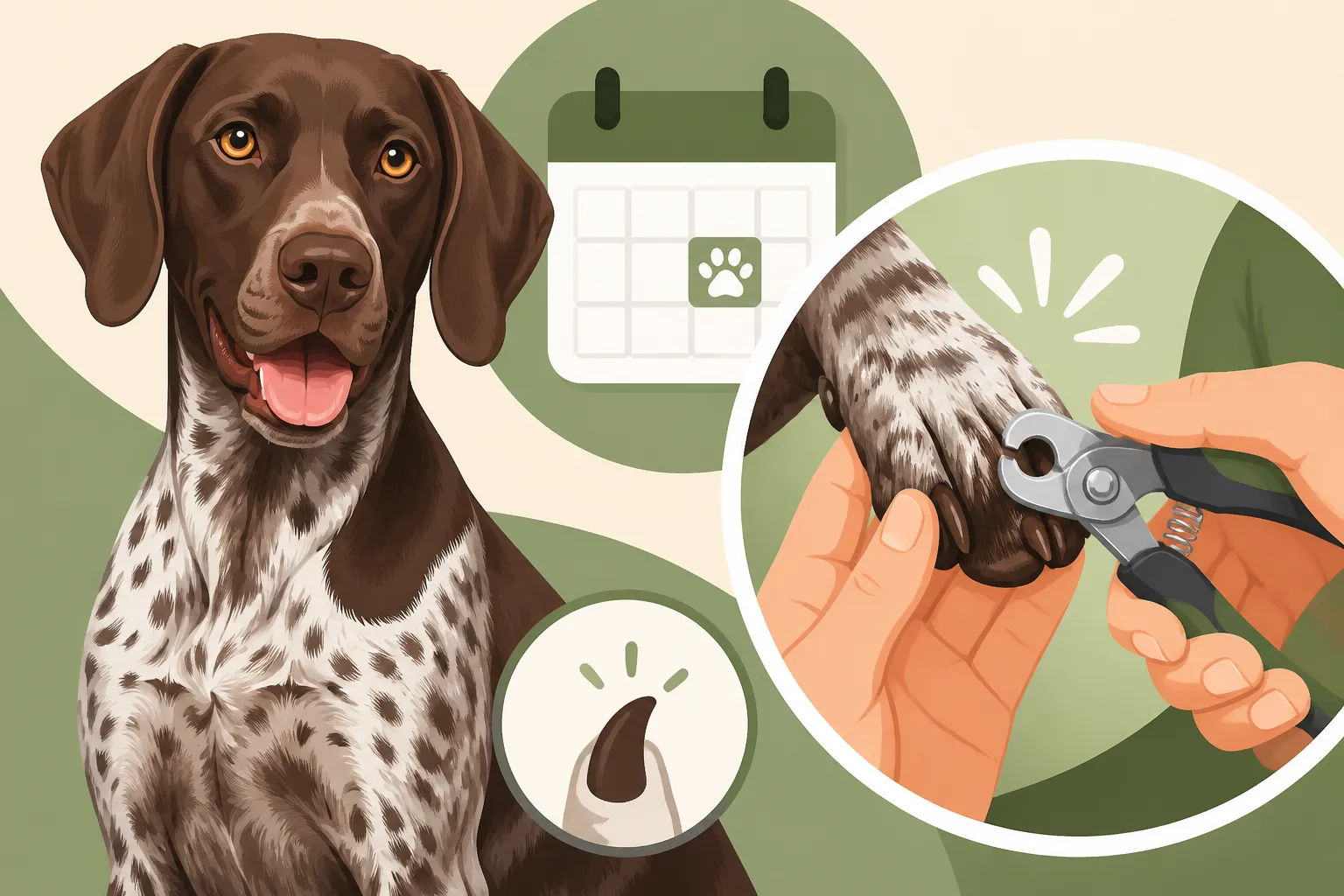
A general rule of thumb for most dogs, including GSPs, is that if you can hear their nails clicking on hard floors when they walk, they're too long. Ideally, your German Shorthaired Pointer's nails should be short enough that they don't touch the ground when they are standing naturally. For many active GSPs, this means a trim every two to four weeks. However, this can vary wildly.
If your GSP spends a lot of time running on abrasive surfaces like pavement, concrete, or rocky trails, they might naturally wear down their nails more efficiently, potentially stretching out the time between trims. Conversely, a GSP that spends most of its time on soft surfaces like grass, carpet, or dirt will need more frequent trimming because these surfaces don't provide the natural abrasion needed to keep nails short. Some dogs just have faster-growing nails, too, making more frequent attention a necessity. It’s a constant assessment, not a fixed schedule set in stone.
Reading Your Dog's Signals for a Trim
Your German Shorthaired Pointer is a master of communication, even if they can't tell you directly that their nails are bothering them. Learning to read their subtle cues can help you stay on top of their nail care. Beyond the audible clicking on hard floors, there are several signs that your GSP is due for a trim.
One common indicator is a change in their gait or posture. They might stand with their weight shifted back on their heels, trying to avoid putting pressure on their toes. You might notice them walking a bit gingerly, especially on hard surfaces. Some dogs will start to lick or chew at their paws more frequently, trying to alleviate the discomfort. They might also become reluctant to jump into the car or onto the couch if their nails are making landings painful or unstable. If you’re seeing these behaviors, it’s a clear signal that their nails are likely too long and impacting their comfort and mobility. Don't let it get to the point where their movement is visibly affected.
The Impact of Lifestyle on Nail Wear
A German Shorthaired Pointer's lifestyle is the biggest determinant of how quickly their nails wear down and, consequently, how often they'll need trimming. A GSP that gets regular, vigorous exercise on hard, abrasive surfaces like paved roads or trails will naturally wear down their nails much more than a dog whose primary exercise involves a grassy park or soft dirt. Think about a GSP that accompanies you on daily jogs or long bike rides, their paws consistently making contact with concrete or asphalt – those nails get a natural manicure! Running a Shorthair Beside a Bike Safely can be a fantastic way to keep them fit and can also contribute to natural nail wear.
However, even with regular roadwork, the dewclaws (the small nails higher up on the inside of the leg) usually don't make contact with the ground and will still require regular trimming. These often get overlooked but can snag on brush or tear easily if allowed to grow too long. If your GSP is primarily a house dog or spends most of its exercise time on soft ground, you can expect to be trimming their nails more frequently, possibly every two weeks, to maintain optimal length. Conversely, a GSP actively Keeping a German Shorthaired Pointer Hunting Past Ten might have nails that stay naturally shorter due to constant field work, but even then, vigilance is key. It's a constant observation game.
Practical Tips for Effective Nail Care
Nail trimming doesn't have to be a wrestling match or a dreaded chore. With the right approach and tools, it can become a routine, even enjoyable, part of your German Shorthaired Pointer's grooming.
Choosing the Right Tools and Techniques
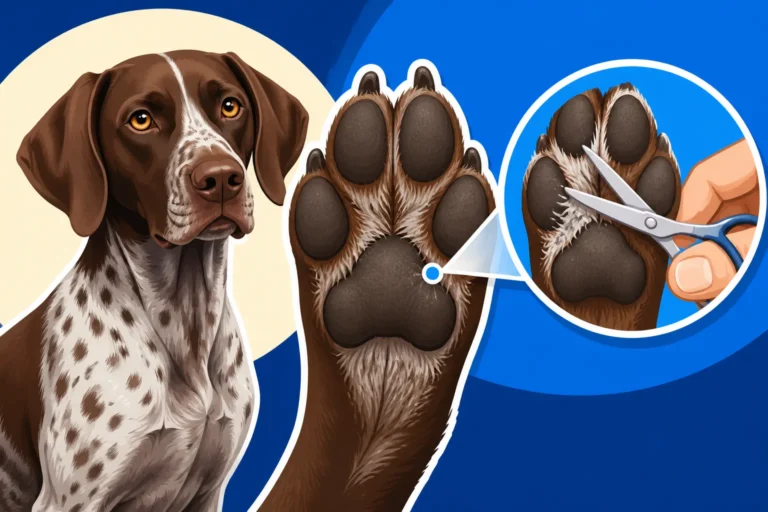
First, let's talk tools. There are two main types of clippers: scissor-style and guillotine-style. Many GSP owners find scissor-style clippers, which resemble a pair of pliers, easier to use on strong, thick GSP nails, especially if they are accustomed to them. A good quality pair of clippers, like those you can find on Amazon or Chewy, makes a huge difference. Dull clippers will crush the nail rather than cut cleanly, causing discomfort and making the process harder. Always keep a styptic powder or stick (also easily found on Chewy) handy in case you cut into the quick. This quickly stops bleeding and provides relief.
For dogs that are particularly averse to clippers, a Dremel-style rotary tool can be a game-changer. Grinding the nails down often feels less invasive to the dog and allows for more precise removal, slowly pushing the quick back over time. This can be especially good for dark nails where the quick is hard to see. Regardless of the tool, the technique is key: take off small amounts at a time. It’s always better to trim a little bit more frequently than to try and take off too much at once, risking the quick. Angle the cut straight across the nail or slightly upward, following the natural curve of the paw.
Making Nail Trimming a Positive Experience
Positive reinforcement is your best friend when it comes to nail trimming. Start early with puppies, handling their paws frequently, and pairing it with high-value treats and praise. Even if your GSP is older and already has a negative association, it's never too late to try and change it. Begin by just touching their paws, then tapping the clippers against their nails without actually cutting, rewarding them heavily for calm behavior. Gradually work up to trimming one nail, then two, always showering them with treats and praise for cooperation. Some owners find that a distraction, like a lick mat smeared with peanut butter, helps immensely during the actual trimming process.
Make it a calm, quiet time. Rushing or showing your own anxiety will only make your GSP more stressed. If your dog is really struggling, don't force it. Take a break, try again later, or even just work on one nail at a time over several sessions. Consistency is key, not speed. Your goal is to build trust and show them that nail trims aren't scary, but rather lead to good things (treats!). This patient approach will pay dividends in the long run, making the process easier for both of you.
When to Seek Professional Help
There's absolutely no shame in admitting that nail trimming is a challenge and seeking professional help. Many GSP owners find themselves in this boat, especially if their dog has developed a strong aversion or if their nails have become severely overgrown. Your veterinarian or a professional groomer can be invaluable resources. They have the experience, tools, and often, an extra set of hands to get the job done safely and efficiently.
A professional groomer can teach you the correct technique, show you how to handle your dog effectively, and help you get the nails to a manageable length. If your GSP is particularly anxious or aggressive about nail trims, your vet can offer advice, and in some cases, even provide mild sedation to make the process less traumatic for everyone involved. This is especially true if you are dealing with severely overgrown nails where the quick has extended, and careful, gradual trimming is required to prevent pain and bleeding. They can also examine the paws for other issues, like Cut Pads on a German Shorthaired Pointer After a Long Day or signs of infection, which might be contributing to your dog's reluctance to have their feet handled. Regular professional trims can help maintain proper nail length and make at-home maintenance less daunting.
Addressing Common Nail Care Challenges
Even with the best intentions, GSP owners can encounter a few common roadblocks when it comes to nail care. Knowing how to navigate these can save a lot of stress.
Dealing with Overgrown Nails and the Quick
The biggest challenge with overgrown nails, particularly in dogs with dark nails, is the extended quick. When nails get too long, the quick grows with them, making it impossible to trim them back to the ideal length in one go without causing pain and bleeding. This often leads to a vicious cycle where owners avoid trimming, the nails grow longer, the quick extends further, and the problem worsens.
The solution is gradual, frequent trimming. If you have overgrown nails, start by taking off just the very tip of the nail, enough to see a small grey or pink dot in the center, which indicates you're close to the quick. Do this every few days, or at least weekly. Over time, the quick will recede further back, allowing you to shorten the nail gradually. This process can take weeks or even months, but it's the safest and most humane way to get those nails back to a healthy length. Combining this with a Dremel tool can be particularly effective, as the grinding action helps to cauterize tiny blood vessels and can be less alarming than the sharp snap of clippers.
Avoiding the Dreaded Quicking Incident
Every dog owner's worst fear when trimming nails is cutting into the quick. It's painful for the dog, causes bleeding, and can make future nail trims a nightmare for both of you. But with proper technique and caution, you can minimize this risk significantly.
As mentioned, always trim small amounts at a time, especially if you're unsure where the quick ends. For light-colored nails, you can often see the pink quick through the nail. For dark nails, look for the grey or pink dot that appears in the center of the clipped nail as you get closer to the quick. Stop cutting once you see this. If you do accidentally quick your GSP, don't panic. Apply styptic powder (or cornstarch in a pinch) with gentle pressure to the bleeding nail until it stops. Offer plenty of praise and a high-value treat, and try to end the session on a positive note, even if it means only trimming one more nail without incident. This helps prevent your dog from developing a lasting fear of nail trims. Regular, small trims are key to keeping the quick short and reducing the risk of a quicking incident.
Nail Care Frequency Based on Activity Level
Here's a quick guide to help you determine a good starting point for your GSP's nail trimming schedule:
| Activity Level | Typical Environment | Expected Natural Wear | Recommended Trimming Frequency |
|---|---|---|---|
| High Activity Hunter | Field, varied terrain, concrete | Moderate to High | Every 3-4 weeks (check dewclaws weekly) |
| Active Companion | Daily walks on pavement, park | Moderate | Every 2-3 weeks |
| Low to Moderate Activity | Mostly soft surfaces (grass, carpet) | Low | Every 1-2 weeks |
| Senior/Less Mobile | Limited outdoor activity | Very Low | Every 1-2 weeks (can grow faster) |
Remember, this table is a general guideline. Always observe your individual German Shorthaired Pointer and adjust as needed. For older dogs, even if their activity decreases, their nails might still grow quickly, so Caring for a German Shorthaired Pointer After Nine often includes diligent nail care.
Keeping your German Shorthaired Pointer's nails properly trimmed is a critical, yet often overlooked, aspect of their overall health and well-being. It prevents discomfort, safeguards their joint health, and allows them to move with the grace and power they were bred for. By understanding their nail anatomy, establishing a consistent routine, and employing positive reinforcement, you can make nail care a stress-free experience for both of you. Whether you're doing it yourself or seeking professional help, commitment to this regular maintenance will ensure your energetic companion remains happy, healthy, and ready for adventure.
Disclaimer
This article is for general informational purposes only and does not constitute professional advice. Laws, prices and regulations vary by location and change over time. Consult a qualified professional for guidance on your specific situation.