Caring for a German Shorthaired Pointer After Nine
Seeing your beloved German Shorthaired Pointer begin to slow down after nine years can be heart-wrenching. The boundless energy that once defined them might start to wane, replaced by a slower gait and more naps, leaving many owners wondering how to best support their aging companion. This guide aims to walk you through the common changes and specific care strategies that will help your senior GSP live out their golden years with comfort, dignity, and as much joy as possible.
Understanding the Senior Shorthair: What Changes to Expect
When your GSP hits the nine-year mark, they're officially entering their senior years. This isn't a sudden cliff edge, but a gradual transition where you'll start noticing subtle shifts in their behavior, physical capabilities, and overall demeanor. It's a natural part of life, but knowing what to anticipate can help you adjust your care proactively, making their later years truly golden.
The Age a German Shorthaired Pointer Is Considered Senior
For German Shorthaired Pointers, known for their athletic prowess and tireless work ethic, the term "senior" often begins around 8 to 9 years of age. While some breeds might not show significant signs until much later, a GSP's high metabolism and active lifestyle often mean their bodies start experiencing age-related wear and tear a little earlier. Think of it less as a definitive birthday and more as a period where their body's reserves aren't quite what they used to be. You might still see bursts of their youthful exuberance, but they'll recover slower and need more rest. This often prompts questions like The Age a German Shorthaired Pointer Is Called Senior, as owners try to pinpoint when to start making those crucial adjustments.
Initially, these changes might be almost imperceptible. Perhaps they're a little less enthusiastic to jump out of bed in the morning, or their daily walk gets trimmed by a few minutes. It's easy to dismiss these as just "a bad day." However, over time, a pattern emerges. Their coat might thin slightly, they might gain a little weight if their diet isn't adjusted, or their once-perfect recall might falter as their hearing starts to fade. Recognizing these early signs isn't about dwelling on the negative, but about empowering yourself to provide the best possible comfort and care as they gracefully age.
Common Physical and Behavioral Shifts
The physical changes in a senior GSP are often the most noticeable. Joints that once propelled them over fences or through dense cover might become stiff, leading to a hesitant gait or difficulty with stairs. Their muscles may lose some mass, making them appear a bit thinner even if their weight stays the same. You might see their muzzle start to silver, a charming hallmark of age. Internally, their organ function can begin to decline, affecting everything from kidney health to thyroid function. This is why it’s so important to be observant and discuss any changes with your veterinarian.
Behaviorally, senior GSPs often become more settled, sometimes even a bit clingy. They might seek out warmer, softer sleeping spots and prefer quiet evenings to boisterous play. However, some can also exhibit signs of cognitive decline, such as confusion, changes in sleep patterns, or increased anxiety. It’s crucial not to dismiss these as "just old age" without a vet check, as some issues can be managed with medication or environmental changes. For example, if your previously bombproof GSP suddenly seems hesitant around new people or places, it could be a sign of discomfort or a subtle sensory change rather than just a mood swing. What a Ten Year Old German Shorthaired Pointer Can Still Do highlights that they still have plenty to offer, even if the pace has changed.
One of the most common physical shifts you'll notice is a general slowing down. The boundless energy that had them racing across fields for hours might now be replaced by a more moderate pace, and they might choose to lie down more often during walks. Their reflexes can become a little slower, and their once-sharp senses might begin to dull. They might not hear you call them from a distance as readily, or they may take longer to process new visual information. These changes, while challenging for an active breed owner, are normal and require patience and understanding, not frustration.
Adjusting Exercise Routines for the Aging GSP
Your German Shorthaired Pointer's need for exercise doesn't vanish when they hit their senior years, but the type and intensity of that exercise definitely need to change. Pushing an older dog too hard can lead to injury and discomfort, while too little activity can exacerbate joint stiffness and contribute to weight gain. Finding that sweet spot is key to keeping them happy and healthy for as long as possible.
Rethinking Duration and Intensity of Activity
The days of hour-long, full-throttle runs might be behind your senior GSP, but that doesn't mean they should become a couch potato. Instead, focus on shorter, more frequent bursts of activity. Two or three shorter walks a day, perhaps 15-20 minutes each, can be far more beneficial than one long, strenuous outing. The goal is to keep their muscles supple and their joints moving without overtaxing them. Think gentle trotting, sniffing expeditions, and slow, deliberate movements rather than sprints and sharp turns. If your GSP has Arthritis in a German Shorthaired Pointer at Eight, this adjustment becomes even more critical.
Observe your dog closely during and after exercise. Are they limping? Are they excessively stiff the next morning? These are clear signs you might be overdoing it. On the flip side, if they seem restless or gain weight, they might need a bit more gentle activity. A great way to gauge their comfort is to try different terrains. Softer ground like grass or dirt paths is much kinder on joints than pavement. Remember, every dog is an individual, and their capacity for exercise will vary, so what works for one 9-year-old GSP might be too much or too little for another.
Water work can be an excellent low-impact exercise for senior GSPs, especially those with joint issues. Swimming supports their body weight, reducing stress on their joints while still providing a great cardiovascular workout and strengthening muscles. Many GSPs love the water, so it can be a joyful activity. However, always ensure the water isn't too cold, as older dogs can get chilled more easily, and supervise them closely. Consider whether Whether an Old Shorthair Should Still Swim is right for your dog, perhaps with a life vest for added safety and buoyancy.
Low-Impact Activities and Mental Stimulation
Beyond walks, incorporating other low-impact activities can be very beneficial. Scent games, where you hide treats or toys for them to find, are fantastic for mental stimulation and don't require much physical exertion. This taps into their incredible nose and natural hunting drive without stressing their body. Puzzle toys, which require them to figure out how to get a treat, also offer great mental enrichment and can keep them engaged when physical activity is limited.
Continued training, even just refreshing basic commands with positive reinforcement, keeps their mind sharp. Short, fun sessions that don't put pressure on their joints can maintain their bond with you and give them a sense of purpose. Think "find it" games indoors, or a gentle session of "stay" and "come" in the yard. These activities are particularly important for a breed like the GSP, which thrives on engagement and mental challenge. If you're noticing A German Shorthaired Pointer That Has Stopped Wanting to Run, these alternatives become even more vital.
Another often overlooked aspect is simply spending quality time together. Gentle petting, brushing, or just sitting quietly with them provides comfort and reinforces your bond. For an older GSP, knowing they are loved and secure is just as important as physical exercise. These moments contribute to their overall well-being and can help reduce anxiety or confusion that might come with aging. Every interaction, even a quiet one, adds to their happiness.
Tailoring Nutrition for Senior German Shorthaired Pointers
As your German Shorthaired Pointer ages, their metabolism slows down, and their nutritional needs change significantly. What kept them lean and energetic as a young adult might now lead to unwanted weight gain, putting extra strain on already aging joints. Adjusting their diet is one of the most impactful ways you can support their health and comfort in their golden years.
Choosing the Right Senior Dog Food
The market is filled with foods specially formulated for senior dogs, and for good reason. These diets typically have fewer calories to prevent weight gain, while maintaining adequate protein levels to help preserve muscle mass, which is crucial for mobility. They often contain added joint support ingredients like glucosamine and chondroitin, and sometimes omega-3 fatty acids to help reduce inflammation. When looking at food options, check the ingredient list for high-quality protein sources and ensure the fat content is appropriate for a less active dog. For owners who want to explore different options, Chewy offers a wide selection of senior-specific dog foods, making it easier to compare and find what might work best for your GSP's changing needs.
Portion control becomes paramount. Even if you're feeding a "senior" formula, overfeeding will still lead to weight gain. Use a measuring cup and stick to the recommended guidelines on the food packaging, adjusting as needed based on your dog's activity level and body condition. It's often helpful to divide their daily ration into two smaller meals rather than one large one, which can be easier on their digestive system. For those interested in fresh food, services like Ollie provide pre-portioned, human-grade meals that can be tailored to a senior dog's specific dietary requirements, offering a more customized approach.
Always make any dietary changes gradually over several days to avoid upsetting their stomach. Mix a small amount of the new food with their old food, slowly increasing the new food's proportion while decreasing the old. This transition period gives their digestive system time to adapt. And remember, treats still count! Opt for low-calorie, healthy treats, or simply use a portion of their kibble as training rewards. Feeding a Senior Shorthair That Has Slowed Down often means thinking about everything that goes into their bowl.
Supplements for Joint Health and Overall Vitality
Beyond a high-quality senior dog food, many owners find great success incorporating supplements to support their aging GSP's joints, skin, and cognitive function. Glucosamine and chondroitin are widely recognized for their role in cartilage health, helping to cushion joints and reduce discomfort. Omega-3 fatty acids, particularly EPA and DHA, are powerful anti-inflammatories that can significantly ease joint pain and improve skin and coat health. These are often found in fish oil supplements. Joint Supplements for a Hunting German Shorthaired Pointer offers more insights into options.
For cognitive support, some supplements contain ingredients like antioxidants, B vitamins, and medium-chain triglycerides (MCTs) which are thought to help maintain brain health and improve mental acuity. Discussing these options with your vet is crucial, as they can recommend specific products and dosages based on your GSP's individual health profile. Not all supplements are created equal, and your vet can help you navigate the vast array of choices.
Remember that supplements are meant to supplement a balanced diet, not replace it. They can provide targeted support for specific age-related challenges, but they won't magically reverse the aging process. Consistency is key; these beneficial compounds take time to build up in the system and show their full effects. Incorporating them into your GSP's daily routine, perhaps with their meals, makes it easier for both of you.
Managing Joint Health and Mobility Challenges
Joint stiffness and reduced mobility are almost inevitable companions for a senior German Shorthaired Pointer. Years of hard running, jumping, and retrieving take their toll, and conditions like arthritis or hip and elbow dysplasia can become more pronounced. Proactive management and a multi-faceted approach are essential to keep your GSP comfortable and moving for as long as possible.
Recognizing and Addressing Arthritis and Joint Pain
One of the first signs you might notice in your senior GSP is a reluctance to perform actions they once loved, such as jumping into the car or tackling a flight of stairs. They might be slower to rise after a nap, or their gait might appear stiff, especially in the mornings or after exercise. These can all be indicators of arthritis or other joint pain. Arthritis in a German Shorthaired Pointer at Eight is a common concern for owners. It's not about them being lazy; it's about genuine discomfort. A veterinarian can conduct a physical exam, and sometimes X-rays, to accurately diagnose the extent of joint issues.
Treatment for arthritis often involves a combination of strategies. Non-steroidal anti-inflammatory drugs (NSAIDs) prescribed by your vet can significantly reduce pain and inflammation, improving comfort and mobility. There are also newer medications specifically designed to target nerve pain or promote joint health. Beyond medication, weight management is critical: every extra pound puts immense stress on already compromised joints. Physical therapy, including therapeutic exercises, massage, and even cold laser therapy, can also be highly effective in reducing pain and improving range of motion.
Don't hesitate to seek veterinary advice if you suspect your GSP is in pain. They often hide their discomfort well, a trait common in stoic working breeds. Subtle behavioral changes, like licking a particular joint more frequently, irritability when touched, or a decrease in appetite, can also be signs of chronic pain. Early intervention and consistent management can make a world of difference in their quality of life, allowing them to enjoy their daily activities with less suffering.
Maintaining Muscle Mass and Supporting Mobility
While joint issues are prominent, maintaining strong muscle mass around those joints is equally vital. Muscles provide support and stability, taking some of the burden off compromised cartilage. Gentle, consistent exercise, as discussed earlier, helps to keep muscles engaged and prevents atrophy. This could include controlled leash walks, short periods of trotting, or swimming. Focused exercises, perhaps with guidance from a canine physical therapist, can also target specific muscle groups. Keeping Muscle on an Aging German Shorthaired Pointer is a proactive approach every owner should consider.
Providing external support can also significantly improve mobility. Ramps are invaluable for helping a GSP get into cars or onto elevated surfaces like beds or couches, eliminating the need for painful jumping. Orthopedic dog beds, often filled with memory foam, distribute weight evenly and relieve pressure points, making rest more comfortable and helping with stiffness. Beds for a Shorthair With Worn Out Joints are more than a luxury; they're a necessity for comfort. For those needing a little extra help, lifting harnesses or slings can assist them with getting up from a lying position or navigating stairs, reducing strain on both the dog and the owner.
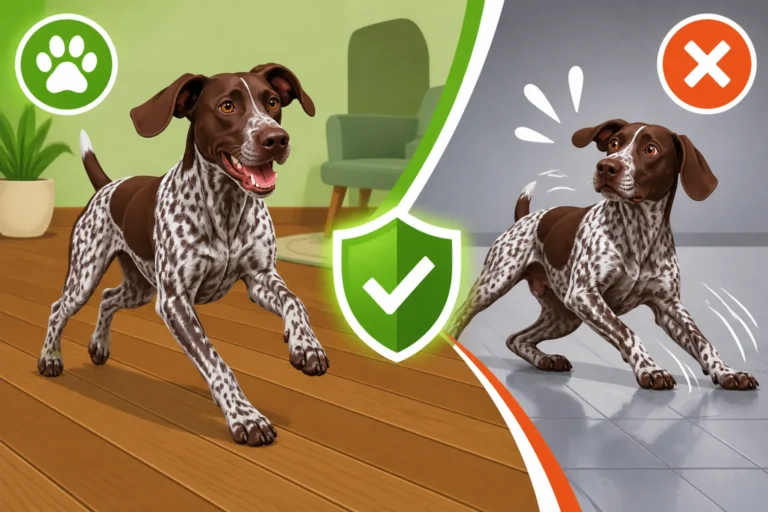
The home environment plays a huge role in supporting their mobility. Consider adding non-slip rugs or runners on slick floors (hardwood, tile) to provide better traction and prevent falls, which can be devastating for an older dog. Keep pathways clear of clutter to minimize tripping hazards. Simple changes like these can significantly improve your GSP's confidence and ability to move independently within their own home. Flooring That Stops an Old Shorthair Slipping is often an overlooked but impactful adjustment.
Supporting Cognitive Function and Behavioral Changes
Aging isn't just about the body; it's about the mind too. Just like people, German Shorthaired Pointers can experience cognitive decline as they get older, leading to various behavioral changes. These can range from mild confusion to more significant issues affecting their daily routines and interactions. Understanding these changes and how to support them is crucial for maintaining their quality of life.
Recognizing Signs of Cognitive Dysfunction
Cognitive Dysfunction Syndrome (CDS), often referred to as "doggy dementia," can manifest in several ways. You might notice your GSP becoming disoriented in familiar surroundings, sometimes getting stuck in corners or staring blankly at walls. Their sleep-wake cycle might reverse, leading to restlessness at night and excessive sleeping during the day. House-training might regress, with accidents occurring inside even if they've been perfectly reliable for years. They might also show changes in their social interactions, becoming more withdrawn or, conversely, more clingy or irritable. They might even appear to be ignoring commands, which can be frustrating until you realize it's not defiance, but rather A German Shorthaired Pointer That Has Stopped Wanting to Run because of a deeper issue.
It's important to differentiate these signs from other medical conditions. For example, increased urination could be a sign of kidney disease or diabetes, not just confusion. A vet check is always the first step to rule out treatable medical causes for behavioral changes. If CDS is suspected, your vet can discuss strategies, including certain medications or supplements designed to improve brain function and reduce symptoms. There are also specific diets enriched with antioxidants and omega-3 fatty acids that claim to support brain health.
Keeping a journal of your GSP's symptoms can be incredibly helpful for your vet. Note when changes occur, how often, and what, if anything, seems to trigger or alleviate them. This detailed information provides a clearer picture and helps your vet make a more accurate diagnosis and recommend the most effective course of action. Patience is paramount when dealing with a dog experiencing cognitive decline; their confusion is not intentional.
Maintaining Routine and Mental Engagement
A consistent daily routine becomes a lifeline for a senior GSP experiencing cognitive decline. Predictability reduces anxiety and helps them feel secure. Try to feed them at the same times each day, go for walks on a regular schedule, and maintain consistent bedtime routines. Sudden changes can be very upsetting and increase their confusion. If you have to deviate, try to introduce the change gradually if possible.
Mental stimulation, even in small doses, is still incredibly important. Short, gentle training sessions, puzzle toys with low-value treats, or slow sniff walks around the yard can keep their minds engaged without overtaxing them. Scent work, in particular, can be very rewarding for GSPs, as it taps into their natural instincts and is less physically demanding. Rotating toys can also help keep things fresh and interesting. Amazon offers a wide range of interactive puzzle toys that can keep a senior GSP's mind active without requiring too much physical exertion.
Providing a safe and calm environment is also key. Consider a quiet, comfortable sleeping area away from household hustle and bustle. Nightlights can help with disorientation if they wake up in the dark. For dogs who become anxious when left alone, strategies to reduce separation anxiety might be needed, sometimes involving pheromone diffusers or calming supplements. The goal is to minimize stress and maximize their feelings of security and well-being.
Proactive Veterinary Care and Health Monitoring
As your German Shorthaired Pointer ages, regular veterinary check-ups transition from preventative to proactive, focusing on early detection and management of age-related conditions. These routine visits become even more critical, allowing your vet to monitor chronic issues and screen for new ones before they become advanced.
Importance of Biannual Vet Check-ups
For senior GSPs, switching from annual to biannual (every six months) vet visits is highly recommended. This might seem frequent, but given that dogs age much faster than humans, six months for a senior dog is equivalent to several human years. These more frequent visits allow your vet to catch subtle changes, track the progression of existing conditions like arthritis or early kidney disease, and adjust treatment plans much more promptly. It also builds a stronger history for your vet, who can then notice trends and changes more easily.
During these check-ups, your vet will perform a thorough physical examination, assessing their weight, dental health, joint mobility, heart and lung sounds, and checking for any lumps or bumps. They'll also discuss any behavioral changes or concerns you've noticed, such as changes in appetite, thirst, urination, or energy levels. Many common senior ailments, if caught early, can be managed effectively, vastly improving your dog's comfort and extending their healthy lifespan.
Don't be afraid to come prepared with a list of questions or observations. You are your GSP's primary advocate, and your insights are invaluable to your vet. Even seemingly minor changes can be significant in an older dog. For example, noticing that your GSP is drinking more water could be an early sign of kidney disease or diabetes, both treatable conditions if caught early. This is a critical time for open communication with your veterinary team.
Recommended Screenings and Bloodwork
Beyond the physical exam, your vet will likely recommend a panel of diagnostic tests at these biannual visits. Comprehensive bloodwork, including a complete blood count (CBC) and a chemistry panel, provides a snapshot of their internal organ function. This can reveal early signs of kidney disease, liver issues, diabetes, or thyroid imbalances. For instance, Weight Gain That Points at a Shorthair's Thyroid might be the first sign of hypothyroidism, easily managed with medication. Urinalysis is also important for screening for urinary tract infections, kidney disease, and diabetes.
Depending on your GSP's history and any specific concerns, your vet might recommend additional screenings. This could include X-rays to assess the progression of arthritis or hip/elbow dysplasia, or an ultrasound if there are concerns about abdominal organs. Blood pressure checks are also common, as hypertension can affect older dogs and impact kidney and heart health. If your GSP has a history of heart murmurs, more detailed cardiac evaluations like an echocardiogram might be suggested. All of these screenings are aimed at identifying potential problems before they become critical.
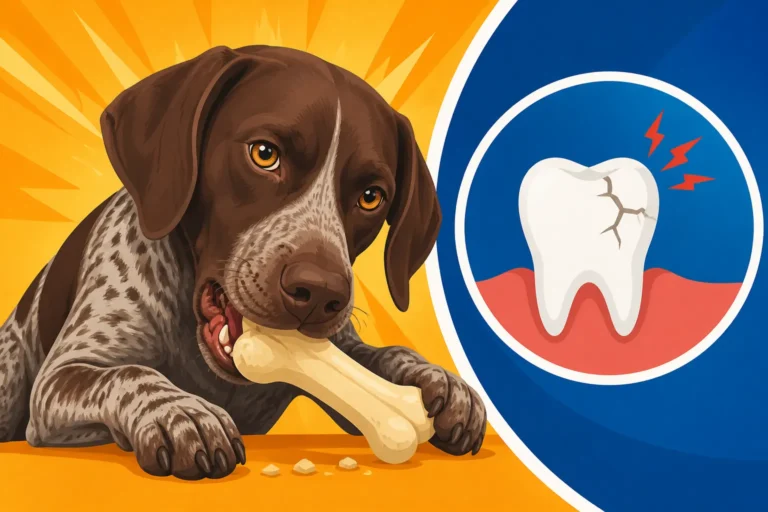
Regular dental check-ups, often requiring sedation for a thorough cleaning, are also incredibly important. Dental disease is common in older dogs and can lead to pain, difficulty eating, and even systemic infections if bacteria from the mouth enter the bloodstream. Addressing dental health proactively can prevent more serious issues and significantly improve your GSP's overall well-being. Discuss the best schedule for dental care with your vet based on your dog's oral health.
| Aspect of Care | Young Adult GSP (2-7 years) | Senior GSP (9+ years) |
|---|---|---|
| Exercise Routine | High-intensity, long runs, vigorous field work | Shorter, more frequent, low-impact walks/swims |
| Nutritional Needs | High-calorie, performance-oriented diet | Lower-calorie senior diet, muscle-preserving protein |
| Supplements | Potentially for preventative joint health | Essential for joint, cognitive, and coat health |
| Vet Check-ups | Annually, routine vaccinations | Biannually, focused on age-related screenings |
| Diagnostic Tests | Basic bloodwork for baseline | Comprehensive bloodwork, urinalysis, possibly X-rays |
| Home Environment | Durable, spacious, active play areas | Orthopedic beds, ramps, non-slip flooring |
| Grooming Focus | Basic brushing, ear/nail care | More frequent attention to skin, ears, nails, anal glands |
| Mental Stimulation | Field work, advanced training, complex puzzles | Gentle puzzle toys, scent games, consistent routine |
Creating a Comfortable and Accessible Home Environment
As your German Shorthaired Pointer enters their golden years, their home environment needs to evolve to match their changing physical needs. Simple adjustments can make a profound difference in their comfort, safety, and ability to move freely and confidently within their own space, reducing stress for both them and you.
Orthopedic Bedding and Mobility Aids
The days of your GSP happily flopping down on a hard floor or a thin blanket might be over. Their aging joints crave support and cushioning. Investing in a high-quality orthopedic dog bed is one of the best things you can do for a senior GSP. These beds, often made with memory foam, conform to their body, relieve pressure points, and provide excellent insulation from cold floors. This can significantly reduce morning stiffness and provide truly restorative rest. When looking for Beds for a Shorthair With Worn Out Joints, consider one with a removable, washable cover for easy cleaning.
Beyond beds, mobility aids can transform their daily life. Ramps or pet stairs are invaluable for helping them access cars, furniture, or elevated dog beds without painful jumping, which can exacerbate joint problems. Even a few steps can become a mountain for an arthritic dog. For those struggling to get up from a lying position, especially on slick floors, a lifting harness or support sling can be a godsend. These allow you to provide gentle assistance, taking pressure off their hindquarters and helping them maintain some independence. Helping a Stiff Old German Shorthaired Pointer Get Up can be a daily challenge, and these tools offer practical solutions.
Consider placing several comfortable beds or mats around the house in their favorite resting spots. This way, they don't have to travel far to find a soft place to lie down. If they spend time in a crate, ensure it's outfitted with ample padding and easy access. The goal is to minimize effort and maximize comfort in all their frequently used areas.
Adapting the Home for Safety and Ease of Movement
Your home, which once seemed perfectly safe for a spry young GSP, might now present hazards for an older dog with diminished senses or mobility. Slick flooring, like hardwood or tile, can be a major challenge, leading to slips and falls that can cause serious injury. Lay down non-slip rugs or runners in high-traffic areas to provide better traction. This can greatly increase their confidence and prevent accidents. Flooring That Stops an Old Shorthair Slipping is more critical than many owners realize.
Clear pathways are also important. Remove clutter, loose cords, or small furniture that could become tripping hazards, especially if your GSP's vision is declining. If your dog struggles with stairs, consider blocking off access or carrying them if they are small enough, or using a ramp if it's a gradual incline. For dogs with Cloudy Eyes in a Shorthair Past Ten or reduced vision, keeping furniture in consistent locations helps them navigate by memory.
Temperature regulation also becomes more critical for older GSPs. With a thinner coat and reduced muscle mass, they can feel the cold more keenly. Provide warm bedding, consider a dog sweater or jacket in cooler weather, and ensure their sleeping area is draft-free. Conversely, they can also overheat more easily, so ensure they have access to cool, shaded areas and plenty of fresh water during warmer months. Whether an Old Shorthair Feels the Cold More is a common reality that needs attention. These simple environmental modifications contribute significantly to their daily comfort and safety.
Maintaining Grooming and Hygiene for Senior Dogs
Grooming might seem like a superficial concern, but for a senior German Shorthaired Pointer, it's an essential part of their overall health and comfort. As they age, their flexibility decreases, and they may struggle to self-groom, making them more prone to skin issues, matted fur, and overgrown nails. Your help becomes crucial in keeping them clean, comfortable, and healthy.
Regular Brushing and Skin Checks
Even with their short coats, senior GSPs benefit greatly from regular brushing. While they don't mat easily, brushing helps stimulate blood flow to the skin, distributes natural oils, and removes loose hair and dander. More importantly, it provides an excellent opportunity for you to conduct a thorough skin check. As dogs age, they are more prone to developing lumps, bumps, and skin lesions. Catching these early can be vital for successful treatment. Lumps Worth Removing on a German Shorthaired Pointer can often appear as they get older, and regular skin checks can help you identify them promptly.
Pay close attention to areas that might be harder for them to reach, such as their hindquarters, under the tail, and between their legs. Look for any changes in skin color, texture, or the presence of rashes, scabs, or parasites. If you notice any unusual smells, excessive scratching, or irritation, it's time for a vet visit. Your GSP's short coat means any skin issues are usually visible, which is a blessing for early detection.
Bathing frequency doesn't necessarily need to increase, but when you do bathe them, use a gentle, moisturizing shampoo formulated for sensitive skin. Ensure you rinse thoroughly to prevent skin irritation. Drying them completely, especially in cooler weather, is important to prevent chilling. For some older GSPs, bathing might become physically challenging, so a walk-in shower or a groomer with an accessible tub can be helpful. Keeping an Old Shorthair Comfortable at Grooming Time means adapting the process to their capabilities.
Nail, Ear, and Dental Care Adjustments
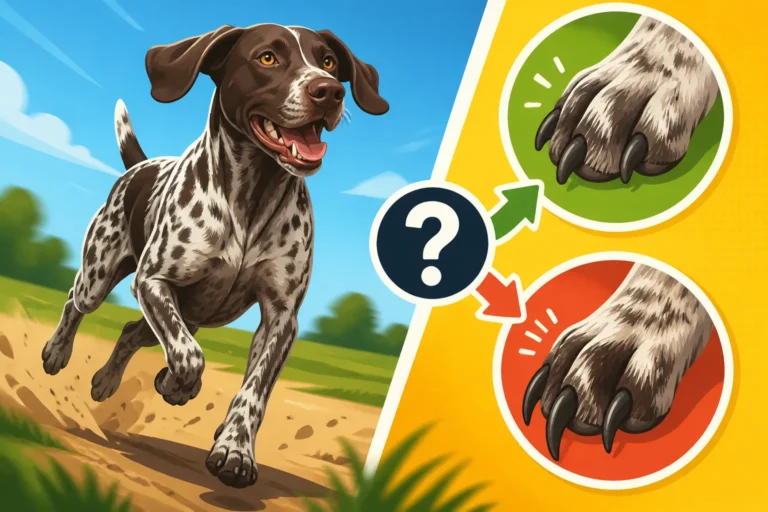
Nail care is paramount for senior GSPs. Less active dogs wear their nails down less naturally, leading to overgrowth. Long nails can alter their gait, causing pain in their toes and joints, and even lead to splayed feet or painful ingrown nails. Regular trimming, perhaps every 2-4 weeks, is essential. If you're uncomfortable doing it yourself, have your vet or a professional groomer handle it. It's often easier to trim a little more frequently than to let them get too long.
Their ears, still prone to infections, might also need more frequent cleaning as they age, especially if they spend time swimming or in damp environments. Their natural ear defenses can weaken, and ear canals might narrow. Check their ears regularly for redness, odor, or discharge, and clean them gently with a vet-approved ear cleaner. Drying their ears thoroughly after baths or swims is also very important.
Dental care, as mentioned in the vet section, is critical. Beyond professional cleanings, try to incorporate daily tooth brushing if your GSP tolerates it. Even wiping their teeth with a dental wipe or providing dental chews can help reduce plaque and tartar buildup. Bad breath isn't just unpleasant; it's often a sign of dental disease that needs attention. Addressing dental health can improve their appetite and overall comfort.
Saying Goodbye and Making End-of-Life Decisions
This is perhaps the hardest part of sharing your life with a German Shorthaired Pointer. As they age, the inevitable conversation about their quality of life and eventual end-of-life care will arise. It's a deeply personal journey, filled with difficult decisions, but approaching it with thoughtful preparation can ensure your beloved GSP's final days are as peaceful and loving as possible.
Assessing Quality of Life
Determining your senior GSP's quality of life is a continuous assessment, not a single decision point. It involves honestly evaluating their physical comfort, mental state, and ability to enjoy activities they once loved. Your veterinarian can provide objective medical insights, but you, as their owner, are the expert on your dog's personality and daily happiness. Look for consistent signs of pain that can't be managed, extreme lethargy, loss of appetite or thirst, chronic vomiting or diarrhea, or severe cognitive dysfunction that leads to constant distress or disorientation.
A helpful tool is often a "Quality of Life Scale," which helps owners assess different aspects of their dog's well-being (e.g., pain, appetite, hydration, hygiene, happiness, mobility). Scoring these regularly can reveal trends. If there are more bad days than good days, or if they've lost their spark and no longer find joy in simple pleasures, it's a strong indicator that their quality of life has significantly diminished. This is about Knowing When an Old Shorthair Has Had Enough, and it's a decision made out of love, not abandonment.
Involving family members in these discussions can also be helpful, as different people might observe different aspects of your GSP's condition. However, ultimately, the decision rests with you, guided by your vet's professional opinion and your deep understanding of your dog. It's an act of profound kindness to prevent unnecessary suffering.
Planning for End-of-Life Care and Grief
Once the difficult decision has been made, planning for end-of-life care ensures a peaceful transition. Many veterinary clinics offer compassionate euthanasia services, and some even provide at-home euthanasia, which allows your GSP to pass away in the comfort and familiarity of their own home, surrounded by loved ones. Discuss these options with your vet beforehand to understand the process and make arrangements that feel right for you and your dog.
Consider practical arrangements for aftercare, such as cremation (private or communal) or burial, and discuss memorial options. Having these details sorted out in advance can alleviate some stress during an intensely emotional time. Focusing on making their final moments as comfortable and loving as possible is the greatest gift you can give them.
Grief is a natural and profound response to the loss of a beloved pet. Allow yourself to feel that grief. There are numerous resources available, including pet loss support groups, online forums, and counseling services, that can help you navigate this difficult period. Remember that your GSP lived a full life because of the love and care you provided, and honoring that bond, even in sorrow, is an important part of the journey. The memories of their loyalty, spirit, and companionship will forever be a part of you.
Disclaimer
This article is for general informational purposes only and does not constitute professional advice. Laws, prices and regulations vary by location and change over time. Consult a qualified professional for guidance on your specific situation.