Weight Gain That Points at a Shorthair’s Thyroid
It can be incredibly frustrating and frankly, confusing, when your high-energy German Shorthaired Pointer starts packing on the pounds despite what seems like a consistent diet and plenty of exercise. You know your GSP is a lean, athletic machine, and seeing them gain weight unexpectedly often sends alarm bells ringing. This guide is all about shedding light on one common culprit behind such changes: a struggling thyroid, helping you understand the signs, the diagnosis, and how to get your beloved companion back to their energetic best.
Understanding Weight Gain in an Active German Shorthaired Pointer
When you live with a German Shorthaired Pointer, you quickly learn that these dogs are practically synonymous with boundless energy. They're built for action, always ready for the next adventure, whether it's tearing across a field, plunging into a lake, or just doing zoomies in the backyard. Their natural metabolism is usually revving high, making any unexpected weight gain a real head-scratcher and often a source of significant worry for their devoted owners.
Why Unexplained Weight is So Concerning for GSP Owners
The frustration is palpable when you're meticulously monitoring food portions and hitting those daily exercise goals, yet your GSP is still putting on weight. It goes against everything we understand about these incredible athletes. A GSP that’s gaining weight might start to slow down, struggle on longer runs, or even seem less enthusiastic about the activities they once adored. This isn't just about aesthetics; extra weight puts strain on their joints, especially the hips and elbows that GSPs already need care with, and can impact their cardiovascular health. You want your GSP to live a long, full, and active life, and unexplained weight gain feels like a direct threat to that vision. It's truly heartbreaking to see your usually vibrant dog becoming less mobile or comfortable, and it leaves you searching for answers.
Moreover, many GSP owners are very in tune with their dog's performance, especially if they participate in hunting, field trials, or even just regular long-distance running. A few extra pounds can directly impede their agility, endurance, and overall efficiency in the field. This isn't just about winning ribbons; it's about the joy of seeing your dog excel at what they were bred to do. When that starts to diminish due to unexplained weight, it's a huge cause for concern.
Ruling Out Other Common Causes of Weight Gain
Before jumping straight to a thyroid diagnosis, it's important to work with your vet to systematically rule out other, more straightforward causes of weight gain. Sometimes, it truly is as simple as a slight overestimation of food portions or a subtle decrease in exercise that you might not have noticed. Perhaps your GSP is getting more treats than you realize, or maybe the "active" dog food you're using is actually too calorie-dense for their current activity level, even if they're still quite active.
However, for many GSP owners, these easy answers don't quite fit. You might already be running miles every day, playing fetch for hours, and carefully measuring out their meals. That's when your vet might start considering other metabolic or medical conditions. Older GSPs, just like older people, might experience a natural slowdown in metabolism, meaning their caloric needs decrease as they age. Conditions like Cushing's disease, certain types of tumors, or even fluid retention can also manifest as weight gain, though these usually come with a host of other more specific symptoms. It’s this process of elimination, when the obvious culprits are crossed off the list, that often leads veterinarians to investigate the thyroid as a primary suspect in a GSP displaying unexplained weight gain.
The Thyroid Gland and Its Role in Canine Metabolism
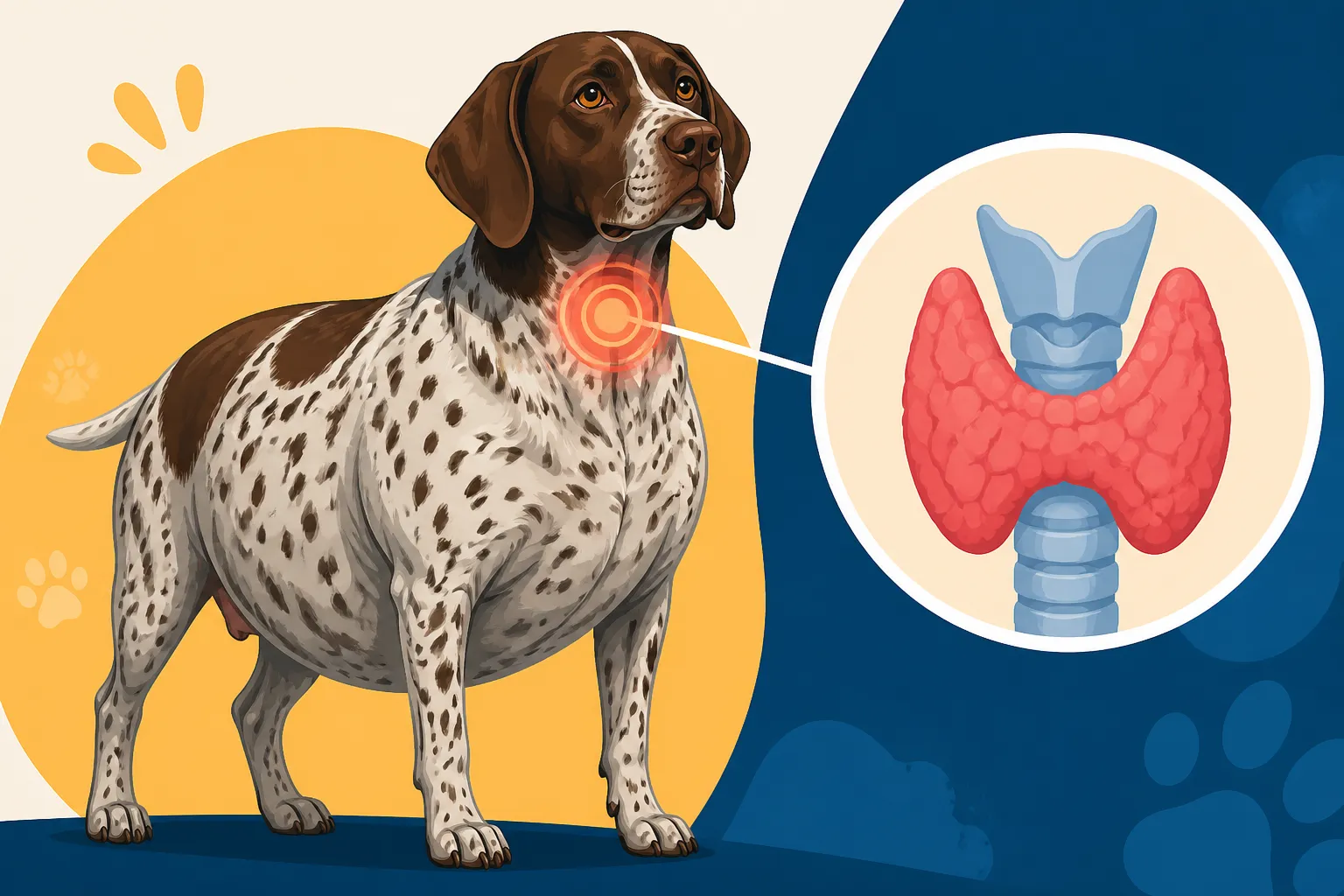
The thyroid gland might be small, but it plays an absolutely monumental role in your dog's overall health and well-being. Nestled in the neck, this tiny butterfly-shaped gland is essentially the master regulator of metabolism, impacting almost every cell and organ system in the body. When it's not functioning correctly, the ripple effects can be wide-ranging and truly impact your German Shorthaired Pointer's quality of life.
What the Thyroid Does in a Dog's Body
Think of the thyroid gland as the body's internal thermostat and energy manager. It produces two primary hormones, thyroxine (T4) and triiodothyronine (T3), which are crucial for regulating metabolic rate. These hormones control how quickly your GSP’s body converts food into energy, how fast cells grow and repair, and even how well their body temperature is maintained. When the thyroid is working optimally, your dog has a healthy coat, good energy levels, a stable weight, and generally thrives.
If the thyroid becomes underactive, a condition known as hypothyroidism, it doesn't produce enough of these vital hormones. This causes the metabolic rate to slow down across the board. Suddenly, your GSP's body isn't burning calories efficiently, leading to weight gain even on a controlled diet. Other processes also slow, affecting everything from hair growth and skin health to gut motility and brain function. It’s a systemic slowdown that can creep up slowly, making it hard to pinpoint initially.
Why German Shorthaired Pointers Are Susceptible to Thyroid Issues
Unfortunately, German Shorthaired Pointers are among the breeds identified as being genetically predisposed to developing hypothyroidism. While any dog can develop a thyroid issue, GSPs have a higher incidence of autoimmune thyroiditis, which is the most common cause of hypothyroidism in dogs. In this condition, the dog's own immune system mistakenly attacks and destroys the thyroid gland over time. This isn't something that happens overnight; it's a gradual process that can begin long before clinical signs become apparent.
Because of this breed predisposition, responsible GSP breeders often screen their breeding dogs for thyroid health, just as they might for hip and elbow issues. Understanding this genetic link is vital for owners, as it means that if your GSP is showing symptoms, a thyroid test should be high on the list of diagnostic steps. It's not just a random ailment; it's a known vulnerability in our beloved breed. You might even find it discussed when looking into Thyroid Failure in a Middle Aged German Shorthaired Pointer, highlighting how prevalent it can be.
Recognizing the Subtle Signs of Hypothyroidism in Your Shorthair
One of the challenging aspects of hypothyroidism is that its symptoms can be quite subtle at first, often mistaken for normal aging or just a "lazy day." With a German Shorthaired Pointer, whose energy levels are usually off the charts, any sustained change from their typical exuberance should definitely catch your attention. It's about noticing those slight deviations from their norm.
Beyond Just Weight Gain: Other Physical Symptoms
While weight gain is a prominent sign, it rarely travels alone. You might start to notice your GSP is just not as keen on the morning run, seeming more tired or less enthusiastic than usual – a symptom often described as lethargy. They might also become less tolerant of cold weather, shivering more readily or seeking out warm spots, even indoors, which is particularly notable for a dog that typically handles the elements well.
Then there are the skin and coat changes. This is where many owners often first suspect something is amiss, especially with the GSP's short, sleek coat. You might observe a dull, dry, or brittle coat that sheds more than usual. Patches of hair loss, often symmetrical, can appear, particularly on the flanks, chest, or tail, sometimes leading to what’s colloquially called a "rat tail" where the tail loses most of its hair. Their skin might become flaky, thickened, or even hyperpigmented (darkened), making them more prone to recurrent skin infections. If you notice Coat Changes From Hypothyroidism in a Shorthair, it's definitely time to consult your vet.
Behavioral Changes That Might Point to a Thyroid Problem
Beyond the physical, hypothyroidism can subtly alter your GSP's behavior and personality. The most common behavioral change is a general slowing down. The dog who used to greet you at the door with a full-body wiggle and a toy in their mouth might now just slowly get up, offer a tail wag, and then settle back down. Their once-insatiable desire to run, hunt, or retrieve might diminish; you might notice your GSP has stopped wanting to run like they used to. This isn't just about physical energy; it can also manifest as mental dullness or even a mild depression, where they seem less engaged with their surroundings or family interactions.
In some less common instances, and often due to chronic discomfort or an overall feeling of malaise, you might even see personality shifts like increased anxiety, irritability, or even aggression. While these are not primary symptoms of hypothyroidism, they can certainly be secondary effects of a dog feeling unwell and not being able to express their natural drive. If your normally happy-go-lucky GSP is acting uncharacteristically withdrawn or grumbly, combined with other physical signs, it strengthens the case for a thorough thyroid investigation.
Diagnosing Hypothyroidism: What to Expect at the Vet
When you finally decide to bring your concerns to the vet, you're taking a crucial step towards understanding what's going on with your GSP. The diagnostic process for hypothyroidism is generally straightforward, but it requires a careful approach and sometimes a bit of patience to get a clear picture. It's more than just a single test; it's about looking at the whole picture your dog presents.
The Initial Exam and Blood Tests
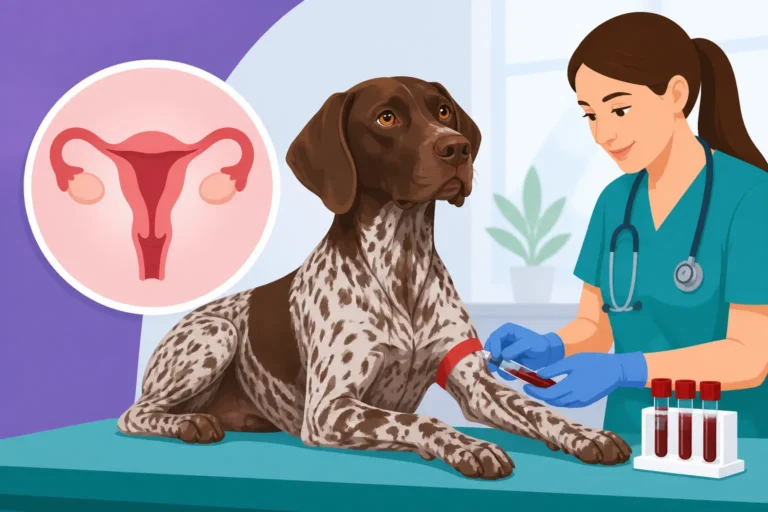
Your veterinarian will start with a thorough physical examination, taking into account all the symptoms you've observed—the weight gain, changes in energy, coat condition, and any behavioral shifts. This initial conversation is vital, so be prepared to discuss your GSP's diet, exercise routine, and how long you've been noticing changes. Following the exam, the primary diagnostic tool for hypothyroidism is a blood test.
A comprehensive thyroid panel is usually recommended, which typically includes several key markers:
- Total T4 (TT4): Measures the total amount of thyroxine in the blood. While useful, it can be influenced by other illnesses or medications, so a low TT4 alone isn't always definitive.
- Free T4 (fT4): Measures the unbound, biologically active form of T4. This is often considered a more accurate indicator as it's less affected by non-thyroidal factors.
- TSH (Thyroid-Stimulating Hormone): This hormone, produced by the pituitary gland, tells the thyroid to make more T4 and T3. In hypothyroidism, the pituitary gland tries to compensate for the underactive thyroid by releasing more TSH, so a high TSH combined with low T4/fT4 is a strong indicator of primary hypothyroidism.
- Thyroglobulin Autoantibodies (TgAA): These antibodies indicate the presence of autoimmune thyroiditis, where the body's immune system attacks its own thyroid gland. A positive result, even if T4 levels are currently normal, can suggest an ongoing destructive process that will eventually lead to hypothyroidism.
It’s important to understand that a single low T4 reading isn't always enough to diagnose hypothyroidism, especially in a German Shorthaired Pointer who might have naturally lower "normal" thyroid levels compared to other breeds. Your vet may also want to run Bloodwork Worth Running on an Older Shorthair to rule out other issues. A full panel provides a much more accurate and complete picture of your dog's thyroid function.
Understanding the Results and Next Steps
Once the blood test results are in, your vet will interpret them in conjunction with your GSP's clinical signs. The classic pattern for primary hypothyroidism is a low fT4, a low TT4, and an elevated TSH. If the TgAA is also positive, it strongly supports a diagnosis of autoimmune thyroiditis.
Sometimes, the results can be a bit ambiguous, showing "low normal" or borderline values. In these cases, especially if your GSP is showing clear symptoms, your vet might suggest a "therapeutic trial." This involves starting your dog on a low dose of thyroid hormone medication (levothyroxine) and closely monitoring their response and symptoms over several weeks. If there's a significant improvement in energy, activity, and overall well-being, it often confirms the diagnosis. Regular follow-up blood tests, usually 6-8 weeks after starting medication, will be crucial to fine-tune the dosage and ensure your German Shorthaired Pointer is getting the right amount of hormone replacement.
Managing Hypothyroidism in Your German Shorthaired Pointer
Receiving a diagnosis of hypothyroidism can feel daunting, as it's a lifelong condition. However, the good news is that it's typically very manageable with proper care, and many dogs go on to live full, happy, and active lives once their thyroid levels are regulated. The key is consistency and a close working relationship with your veterinarian.
Lifelong Medication and Dosage Adjustments
The cornerstone of treatment for hypothyroidism is daily medication, specifically synthetic thyroid hormone, most commonly levothyroxine. This medication effectively replaces the hormones your GSP's body isn't producing enough of. It's usually given orally, once or twice a day, and consistency is absolutely paramount. Missing doses or giving them erratically can lead to fluctuating hormone levels and a return of symptoms. Your vet will advise on whether it should be given with or without food, as this can affect absorption.
Initially, your vet will prescribe a starting dose, but this isn't a "set it and forget it" situation. Regular follow-up blood tests are critical to monitor your GSP's response and adjust the dosage as needed. Typically, these rechecks occur every 6-8 weeks after starting medication or making a dosage change, and then annually once a stable dose is found. These tests, often timed about 4-6 hours after their morning dose, measure the T4 levels to ensure they are within the optimal therapeutic range. Overdosing can lead to hyperthyroidism symptoms (like anxiety, excessive thirst, and weight loss), so careful monitoring is essential. You can learn more about this in Medicating a Hypothyroid German Shorthaired Pointer.
Supporting Your Shorthair's Health Beyond Medication
While medication is vital, managing hypothyroidism effectively also involves a holistic approach to your German Shorthaired Pointer's health. Maintaining a healthy weight becomes easier once their metabolism normalizes, but it's still important to provide an appropriate, balanced diet. As their energy levels return, you'll want to reintroduce consistent, moderate exercise, but be careful not to overdo it too quickly as they get back into shape.
Regular vet check-ups will continue to be important for monitoring the thyroid condition and overall health. This includes discussing any new symptoms or concerns that arise. For many GSP owners, the ongoing costs of medication, blood tests, and vet visits can add up. This is where pet insurance, like a plan from Healthy Paws, can be a real lifesaver, helping to cover the expenses associated with managing a chronic condition like hypothyroidism. Having that safety net allows you to focus on your dog's health without the added financial stress.
Proactive Health and What to Ask Your Breeder
While a diagnosis of hypothyroidism isn't the end of the world for your German Shorthaired Pointer, understanding how to be proactive, both before getting a puppy and throughout their life, can make a significant difference. Knowledge is power, especially when it comes to breed-specific health concerns.
Screening and Responsible Breeding Practices
Given the known predisposition of German Shorthaired Pointers to autoimmune thyroiditis, asking the right questions of a breeder is crucial if you're looking for a puppy. A responsible breeder will be transparent about the health of their breeding stock and their lines, including thyroid health. They should be able to provide documentation that their breeding dogs have been screened for thyroid disease, often through the Orthopedic Foundation for Animals (OFA) Thyroid Registry. The OFA provides a public database of thyroid test results, helping breeders and potential buyers make informed decisions.
A "clear" or "normal" thyroid certification means the dog tested negative for thyroid autoantibodies and had normal thyroid hormone levels at the time of testing. While this doesn't guarantee a puppy won't develop the condition later in life, it significantly reduces the risk if parents and grandparents have healthy thyroids. Reputable breeders actively work to eliminate these inheritable conditions from their lines, contributing to the overall health of the breed. Don't be shy about inquiring about these health clearances; it shows you're a responsible prospective owner.
General Wellness Tips to Support Thyroid Health
Beyond genetic screening, maintaining a generally healthy lifestyle for your German Shorthaired Pointer can support overall endocrine function, including the thyroid. A high-quality, balanced diet that meets their nutritional needs without excessive additives is always recommended. While rare, some studies suggest that certain foods, like excessive amounts of soy or certain cruciferous vegetables (e.g., kale, broccoli), could potentially interfere with thyroid function in highly susceptible individuals, but this is far less impactful than genetic predisposition.
Managing stress in your GSP's life is also beneficial for overall health, as chronic stress can impact hormonal balance. Providing a consistent routine, plenty of appropriate exercise (which we know GSPs absolutely need), and a loving, stable environment contributes significantly to their well-being. And, of course, regular veterinary visits for preventive care, even if your dog seems perfectly healthy, are essential. These check-ups allow your vet to catch subtle changes early, which can make a world of difference for conditions like hypothyroidism, where early detection often leads to more effective and less complicated management. Staying on top of The Vet Schedule a Working Shorthair Should Keep is key for any GSP owner.
Understanding Hypothyroidism in German Shorthaired Pointers
| Symptom Category | Hypothyroidism Signs (Before Treatment) | Healthy Shorthair (After Treatment/Normal) |
|---|---|---|
| Energy Level | Lethargy, reduced stamina, sleeps more | Energetic, playful, sustained endurance |
| Weight | Unexplained weight gain, difficulty losing weight | Lean, athletic build, healthy metabolism |
| Coat & Skin | Dry, brittle, thinning hair, hair loss, flaky skin, recurrent infections | Sleek, shiny, dense coat, healthy skin |
| Body Temp. | Cold intolerance, seeks warmth, shivers | Tolerates various temperatures well |
| Behavior | Mental dullness, less enthusiasm, mild depression | Engaged, alert, happy, eager to work |
| Activity | Reluctant to exercise, slows down in field | Eager for activity, strong drive, robust |
| Recovery | Slower recovery from activity | Quick recovery after exertion |
Disclaimer
This article is for general informational purposes only and does not constitute professional advice. Laws, prices and regulations vary by location and change over time. Consult a qualified professional for guidance on your specific situation.