The Age a German Shorthaired Pointer Slows in the Field
It's a tough pill to swallow for any German Shorthaired Pointer owner, especially those of us who cherish their dogs as dedicated hunting partners, to start noticing a beloved companion losing a step in the field. One day they're a whirlwind of boundless energy, and the next, you're observing subtle shifts that tug at your heart. This guide is here to walk you through understanding when and why your GSP might begin to slow down, and how you can best support them through these natural changes while keeping them engaged and happy for as long as possible.
Understanding the German Shorthaired Pointer's Energetic Nature and Longevity
German Shorthaired Pointers are renowned for their incredible stamina, powerful drive, and seemingly endless energy. For years, they're the definition of a tireless athlete, ready to hit the cover from dawn till dusk. But even for these magnificent dogs, time marches on, bringing with it inevitable changes to their physical capabilities and overall zeal.
The Prime Years of a Field German Shorthaired Pointer
For many German Shorthaired Pointers, their athletic prime in the field typically spans from about 2 to 7 or 8 years old. During these years, they are often at their peak in terms of speed, endurance, agility, and mental sharpness. This is when they truly embody the "versatile gun dog" title, quartering fields relentlessly, locking on point with unwavering focus, and retrieving with powerful enthusiasm. Owners often describe them as "energizer bunnies" during this period, capable of outworking many other breeds and even their human counterparts.
However, it's not a universal cutoff. Some GSPs, particularly those with exceptional genetics, excellent conditioning, and a bit of luck avoiding major injuries, might maintain a high level of performance well into their ninth or tenth year. I've known a few dogs that seemed to defy the calendar, still putting in respectable days afield when their peers were already enjoying a more relaxed retirement. But even these canine鐵men will eventually show signs that their body isn't quite what it once was. Understanding what constitutes "How Long a Working German Shorthaired Pointer Stays Sound" involves looking beyond just age and considering individual health and fitness.
General Lifespan Expectations
While a GSP's working career might peak in their middle years, their overall lifespan typically extends much further. The median age a German Shorthaired Pointer reaches is generally between 10 to 12 years, though it's not uncommon to hear of some living to 14 years or even beyond. This means that while they might slow down in the field around 7 or 8, they still have many years of companionship and activity ahead of them, just perhaps at a different pace.
It's crucial to differentiate between a dog's general longevity and their specific ability to perform strenuous field work. A dog can be considered a senior by age 7 or 8, but still be quite active and healthy for a good long while. The change isn't a sudden drop-off, but rather a gradual decrease in explosive energy and sustained stamina. We're talking about a transition from a marathon runner to a seasoned hiker – still capable, still enjoying the journey, but not necessarily sprinting the whole way. Thinking about "The Age a German Shorthaired Pointer Is Called Senior" might make you consider these shifts sooner rather than later.
Recognizing the Early Signs of Slowing Down
It can be tough to admit that your tireless partner is beginning to slow down. Often, the signs are subtle at first, easy to dismiss as an off-day or a temporary dip in energy. But paying close attention to these early indicators can help you adjust your expectations and care proactively, ensuring your GSP remains comfortable and happy as they age.
Subtle Changes in Gait and Endurance
One of the first things you might notice is a change in their movement. That fluid, powerful trot that covered ground effortlessly might become a little less springy. They might still move quickly, but perhaps they don't hold that top speed for as long, or they tire more noticeably after a burst of running. You might observe a slight stiffness when they first get up, especially after a nap or a long ride in the truck. This isn't usually outright lameness, but a diminished ease of movement.
During a hunt, they might start to quarter a bit tighter, or their range might subtly shorten without you even realizing it at first. Instead of relentlessly pushing forward, they might pause more frequently, perhaps to catch their breath or shake out a stiff limb. Recovery after a strenuous effort will also tell a tale. Where they once bounced back almost immediately, they might now take a little longer to settle their breathing or may seem more drained when you load them back into the kennel at the end of the day. These are often precursors to more pronounced signs of aging, and can sometimes be attributed to early "Arthritis in a German Shorthaired Pointer at Eight" or even earlier.
Reduced Enthusiasm and Drive
Another indicator isn't just physical, but mental and emotional. A GSP's drive to hunt is legendary, so a dip in that enthusiasm can be a significant sign. They might still get excited when you pull out the hunting vest, but perhaps they don't explode out the door with the same frantic energy. In the field, their desire to chase down every scent might be slightly less intense, or they might seem content to work closer to you rather than stretching out to the horizon.
This isn't to say they've lost their love for the hunt. Far from it! It's more that their body is starting to whisper to them, telling them that absolute maximal effort isn't quite as easy or comfortable anymore. They might choose their battles, prioritizing the best scent instead of trying to hit every single patch of cover. It's a pragmatic adjustment, and often a reflection of a wisdom that comes with age. If you're used to a dog that lives for the retrieve, you might even notice them taking a bit longer to fetch a downed bird, or perhaps needing a little more encouragement.
Changes in Recovery Time
This is a critical, often overlooked sign. When your GSP was in their prime, they could run hard all day, sleep it off overnight, and be ready to go again the next morning, sometimes with even more gusto. As they age, this recovery window lengthens. A full day of hunting might now require two days of rest before they are truly back to feeling themselves. You might notice them sleeping more deeply and for longer durations, or being less inclined to engage in their usual boisterous play once home from an outing.
If you typically hunt consecutive days, you'll likely observe a more significant drop in performance on the second or third day compared to their younger self. Their stride will be shorter, their points less intense, and their overall energy much lower. This isn't laziness; it's their body sending clear signals that the wear and tear is accumulating and needs more time to repair. Ignoring these signs and pushing them too hard can lead to injury and unnecessary discomfort, shortening the window of enjoyable activity they have left.
Factors Influencing a GSP's Field Longevity
While genetics play a huge role, a GSP's longevity in the field isn't purely predetermined. A multitude of factors, from how they're bred to how they're cared for throughout their lives, can significantly influence how long they remain a capable and enthusiastic hunting partner.
Genetics and Breeding
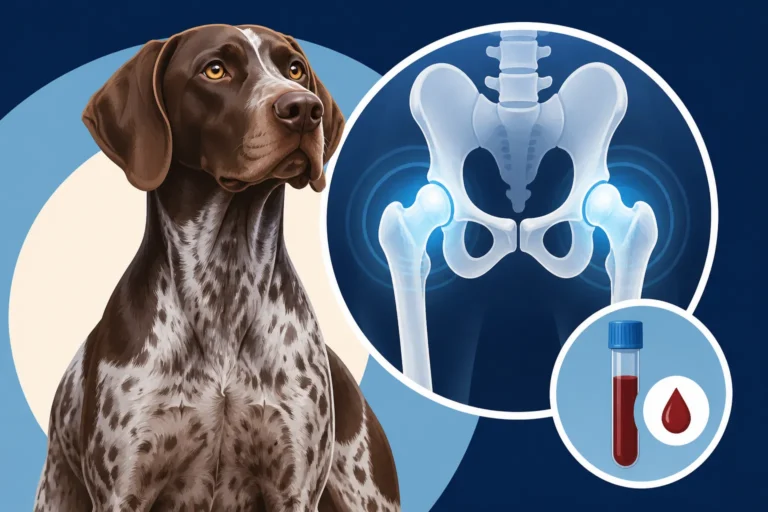
The genetic blueprint of your German Shorthaired Pointer is a major determinant of their athletic potential and how well their body holds up over time. A well-bred GSP from lines known for soundness and longevity is inherently more likely to have a longer working career. Breeders who prioritize health clearances, such as OFA evaluations for hips and elbows, and screen for hereditary conditions, are laying the groundwork for resilient dogs. Dogs from lines prone to early onset arthritis, certain cancers, or structural weaknesses might naturally slow down sooner.
It's also worth noting that some field lines are bred for extreme speed and intensity, which, while impressive in their youth, can sometimes put greater strain on their joints and bodies over a lifetime. Conversely, dogs from more moderate lines might have less flashy speed but greater endurance and structural durability in the long run. When considering a puppy, looking at "Hip Dysplasia in a Hard Running German Shorthaired Pointer" in the pedigree can give you insights into potential joint health issues down the line. A good breeder will be transparent about their dogs' health histories and what they're doing to produce sound pups.
Nutrition and Weight Management
What you feed your GSP and how you manage their weight are foundational to their long-term health and field performance. A high-quality diet that supports their energy needs without overfeeding is crucial. For working dogs, this often means a performance-oriented kibble with appropriate protein and fat levels during hunting season, and perhaps a slightly less calorie-dense diet in the off-season to prevent weight gain.
Obesity is a silent killer for a working dog's career. Even a few extra pounds put immense strain on joints, exacerbating conditions like arthritis and making it harder for them to maintain stamina. A lean, athletic body condition is paramount for a GSP's working longevity. You should be able to easily feel their ribs, but not see them prominently. Their waist should be evident when viewed from above. Regularly assessing their body condition and adjusting their food intake accordingly is one of the most impactful things you can do to help them stay sound. "Feeding a Dog That Burns What a Shorthair Burns" is a constant balancing act throughout their life.
Cumulative Wear and Tear: Joint Health
Years of pounding the fields, navigating rough terrain, jumping over logs, and crashing through heavy cover take their toll on a GSP's joints. Even the soundest dog will experience some degree of wear and tear. Conditions like arthritis, whether primary or secondary to old injuries or genetic predispositions like hip or elbow dysplasia, are almost inevitable as they age. This gradual breakdown of cartilage and inflammation in the joints directly impacts their comfort and ability to move freely, often being the primary reason they slow down.
Proactive management, including appropriate warm-ups before strenuous activity, cool-downs afterwards, and consideration of "Joint Supplements for a Hunting German Shorthaired Pointer", can help mitigate some of this cumulative damage. Regular check-ups with your vet can identify early signs of joint issues, allowing for interventions like pain management, anti-inflammatory medications, or even physical therapy to extend their comfort and mobility. Ignoring stiffness or minor limping only allows these issues to progress untreated.
Underlying Health Conditions
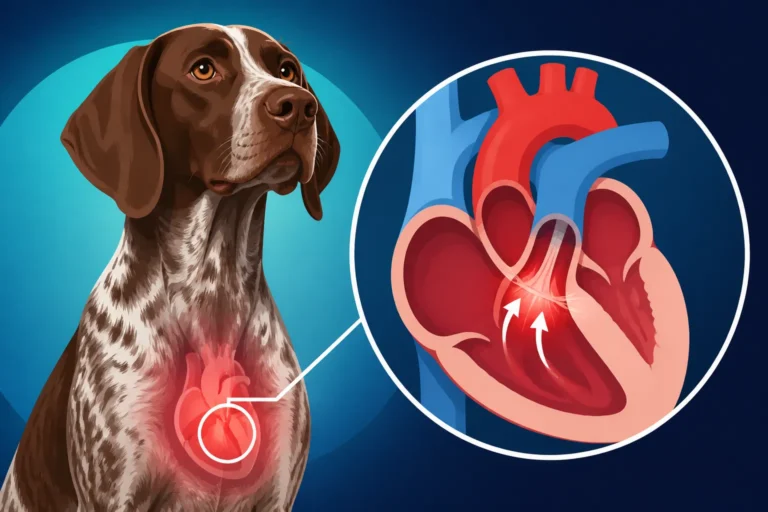
While wear and tear is common, sometimes a sudden or more pronounced decline in field performance can signal an underlying health issue unrelated to just aging joints. Conditions like hypothyroidism, cardiac issues (even mild ones can impact stamina), or even early stages of cancer can significantly reduce a GSP's energy levels and desire to work. Even a less obvious issue, like chronic pain from dental disease, can make a dog less enthusiastic about activity.
This is why regular veterinary check-ups, especially as your GSP approaches their senior years, are so important. Your vet can perform bloodwork, check for heart murmurs, and conduct comprehensive physical exams to catch these issues early. Many conditions, if detected soon enough, can be managed with medication or lifestyle adjustments, giving your GSP more comfortable, active years. Don't assume every slow-down is "just age" – rule out treatable health problems first. Having pet insurance, like a plan from Healthy Paws, can be invaluable for covering these diagnostic tests and ongoing treatments, allowing you to prioritize your dog's health without financial stress.
Adapting Training and Hunting Strategies for an Aging GSP
When your German Shorthaired Pointer starts to show signs of slowing down, it doesn't mean their hunting career is over. It simply means it's time to adapt. Thoughtful adjustments to their routines and expectations can allow them to continue enjoying the field for many more seasons, albeit perhaps in a different capacity.
Modifying Exercise Routines
The key here is quality over quantity, and smarter management of impact. Instead of long, grueling runs, opt for shorter, more frequent bursts of activity. Focus on exercises that maintain muscle tone and flexibility without putting excessive strain on their joints. Swimming, for example, is fantastic for older GSPs as it's non-weight bearing and provides a full-body workout. Regular, brisk walks on softer surfaces like grass or dirt trails are preferable to concrete.
Consider incorporating low-impact strength training exercises. This might involve slow, controlled walks up gentle inclines, or using balance boards if your vet approves. It's about maintaining their core strength and hindquarter power, which helps support their aging joints. Remember that consistency is more important than intensity. Daily moderate activity is far better than sporadic, all-out efforts followed by long periods of inactivity, which can lead to stiffness and injury. If you find your dog is particularly stiff after exercise, consult your vet about pain management or "Physical Therapy for a Shorthair After Knee Surgery" if relevant, even for general age-related stiffness.
Adjusting Hunt Durations and Intensity
This is where tough decisions often come into play for dedicated hunting partners. You'll need to recognize that your aging GSP simply can't handle the same long, intense days they once could. Start by shortening your hunts, perhaps only going out for a few hours in the morning or evening when temperatures are cooler and conditions less demanding. If you typically hunt all day, consider breaking it into two shorter sessions with a long rest in between.
Pay close attention to their signals. Are they lagging behind? Are their points less animated? Are they taking longer breaks? These are cues that it's time to call it a day, even if you still feel fresh. Hunting in less challenging cover can also reduce strain. Avoid dense, thorny brush that requires strenuous pushing through, and opt for more open fields. If you hunt in very cold or hot weather, their limited endurance makes them more susceptible to extremes, so adjust accordingly. Prioritizing their comfort and enjoyment over bagging a limit will ensure they want to keep "Keeping a German Shorthaired Pointer Hunting Past Ten."
Introducing New Roles and Activities
Just because your GSP can't run the big country like they used to doesn't mean they can't contribute to the hunt. Consider shifting their role. An older GSP might excel as a close-working flushing dog or a dedicated retriever for upland game where their stamina isn't as critical. Their experience and nose are still invaluable, even if their speed is diminished. They might become the ultimate "clean-up" dog, finding downed birds that younger, faster dogs miss.
For those whose GSPs are slowing significantly, but still love to work their nose, consider introducing scent work games or even competitive nose work. These activities tap into their incredible olfactory abilities and provide immense mental stimulation without taxing their body. Tracking wounded game can also be a wonderful role for an older GSP, leveraging their keen nose and methodical pace. The goal is to keep them engaged, mentally stimulated, and feeling like a valued member of the team, even if their job description has changed.
Supporting an Older GSP's Health and Well-being
As your German Shorthaired Pointer transitions into their senior years and begins to slow down, their overall health and well-being become even more critical. Proactive care, from veterinary visits to home adjustments, can make a huge difference in their quality of life.
Veterinary Care and Proactive Management
Regular veterinary check-ups become paramount as your GSP ages. These aren't just for vaccinations; they're comprehensive health assessments. Your vet can perform geriatric blood panels to check organ function, identify early signs of systemic diseases, and monitor for changes in thyroid or kidney function. These tests often catch problems before they become clinically apparent, allowing for earlier intervention. Discuss any changes you've observed, no matter how subtle, with your vet. Stiffness, changes in appetite, increased thirst, or even behavioral shifts can all be indicators of underlying issues.
Pain management is a huge component of proactive care for an aging GSP. Many vets will recommend non-steroidal anti-inflammatory drugs (NSAIDs) for arthritis, or other medications to help with nerve pain or general discomfort. Alternative therapies like acupuncture, laser therapy, or chiropractic adjustments are also gaining popularity and can provide significant relief for some dogs. Your vet can help you create a tailored plan that addresses your dog's specific needs, ensuring they stay as comfortable as possible. This is also where a good pet insurance policy, like one from Healthy Paws, can be a game-changer, helping to cover the costs of ongoing medications, special diets, or advanced therapies that can truly extend a dog's comfortable lifespan. Regular check-ups are also part of "The Vet Schedule a Working Shorthair Should Keep" even as they get older.
Here’s a look at common age-related issues and management strategies:
| Age-Related Issue | Common Signs | Management Strategies |
|---|---|---|
| Arthritis/Joint Pain | Stiffness, difficulty rising, limping, reluctance to jump | NSAIDs, joint supplements, physical therapy, weight management, orthopedic beds |
| Decreased Vision/Hearing | Bumping into objects, startle easily, reduced response to commands | Maintain consistent home layout, verbal cues, hand signals, night lights |
| Dental Disease | Bad breath, difficulty eating, pawing at mouth | Regular dental cleanings (professional), dental chews, home brushing |
| Cognitive Decline | Disorientation, altered sleep cycles, house-soiling, anxiety | Mental enrichment, consistent routine, L-carnitine, specific diets, medication |
| Organ Function Decline | Increased thirst/urination, appetite changes, lethargy | Regular bloodwork, specialized prescription diets, medication as needed |
Comfort and Environmental Adjustments
Making your home more comfortable and accessible for an aging GSP can significantly improve their quality of life. This includes providing orthopedic beds that support their joints and alleviate pressure points. If they have trouble on slippery floors, consider laying down rugs or runners to give them better traction and prevent falls.
Ramps can be invaluable for helping them get into vehicles, onto furniture, or even up and down stairs if they struggle with jumping or climbing. These small changes prevent further injury and reduce the daily physical effort required, making their environment less stressful. Even adjusting their feeding station to an elevated position can make mealtime more comfortable if bending down is difficult. Consider "Beds for a Shorthair With Worn Out Joints" and other comfort items to support their body.
Mental Stimulation and Enrichment
While their bodies may be slowing down, an aging GSP's mind often remains sharp and eager to engage. Mental stimulation is just as important as physical activity for their overall well-being. Continue to engage them with puzzle toys, scent games, and short training sessions. Teaching them new tricks or reinforcing old commands keeps their brains active and provides a sense of purpose.
Spend quality time with them, offering plenty of gentle petting and interaction. Their need for companionship doesn't diminish with age; if anything, it often increases. These interactions reinforce your bond and provide comfort. Even a simple change of scenery, like a car ride to a new park for a gentle sniff-walk, can offer novel sensory input and prevent boredom. Keeping their minds active and happy ensures that even if they're no longer the field dynamo they once were, they remain a vibrant, cherished member of your family. And remember, Healthy Paws can also help you afford enriching activities or specialized foods like "Feeding a Senior Shorthair That Has Slowed Down" if recommended by your vet to support their changing needs.
Disclaimer
The information provided in this article is for general informational purposes only and is not a substitute for professional veterinary advice. Always consult with a qualified veterinarian regarding your German Shorthaired Pointer's health, medical conditions, and any treatment options.