Bleeding Risk During a German Shorthaired Pointer’s Surgery
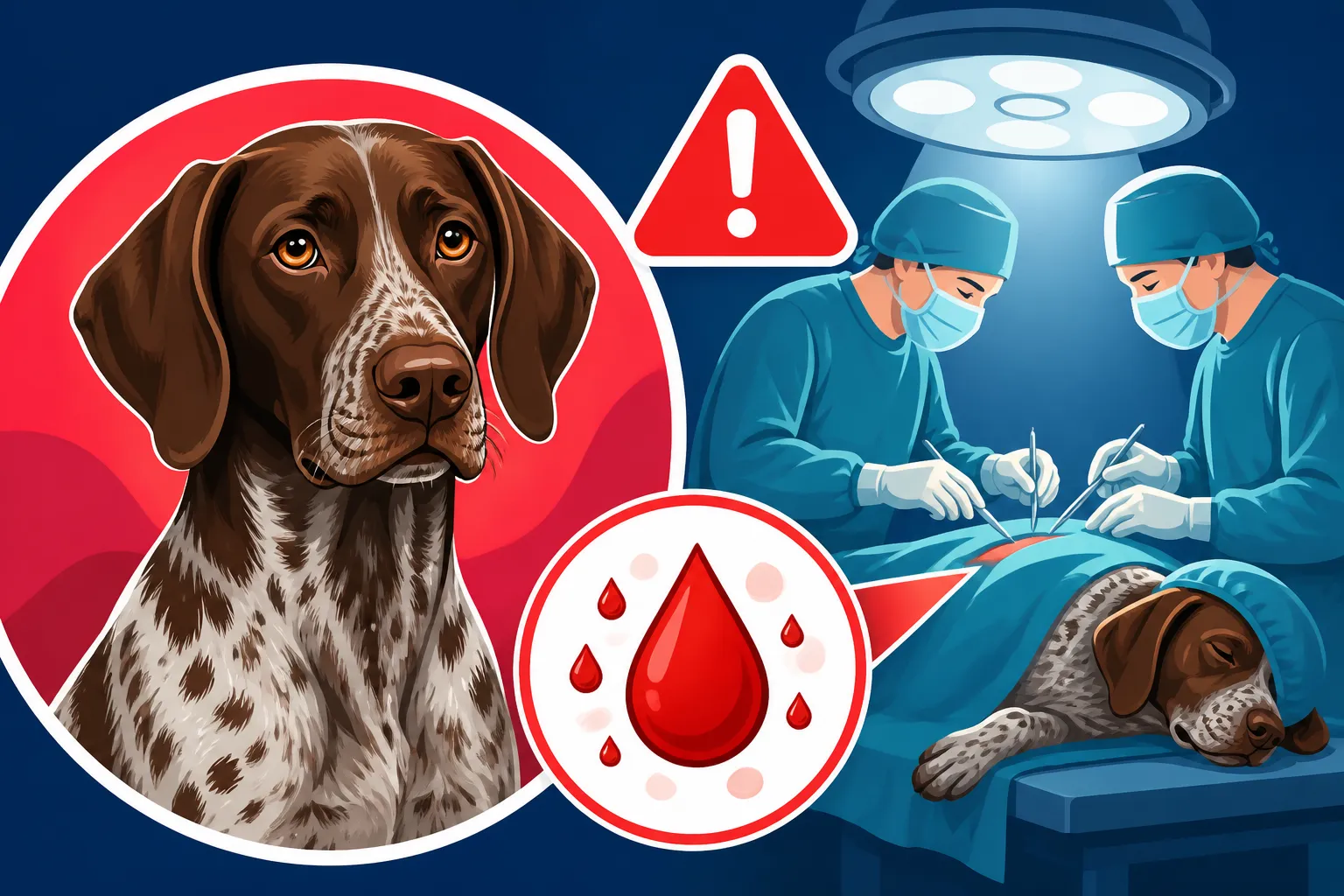
The thought of your energetic German Shorthaired Pointer needing surgery is enough to make any dog owner's stomach churn. Add to that the very real, often unspoken fear of complications like excessive bleeding, and the anxiety can become overwhelming. It’s a valid concern, especially with active breeds that push their bodies and can be prone to certain genetic conditions. This comprehensive guide is here to walk you through the potential bleeding risks during a GSP’s surgery, what you and your vet can do to prepare, and how to manage the recovery process, helping you feel more in control.
Understanding the Basics of Blood Clotting in German Shorthaired Pointers
Before diving into the specifics of surgical bleeding risks, it’s helpful to understand how a healthy dog's body typically stops bleeding. It’s a complex and incredible process, often referred to as hemostasis, and it's something we usually take for granted until there’s a problem. For our active, often rambunctious GSPs, good clotting ability is crucial, both in the field and on the operating table.
How a Dog's Body Stops Bleeding Naturally
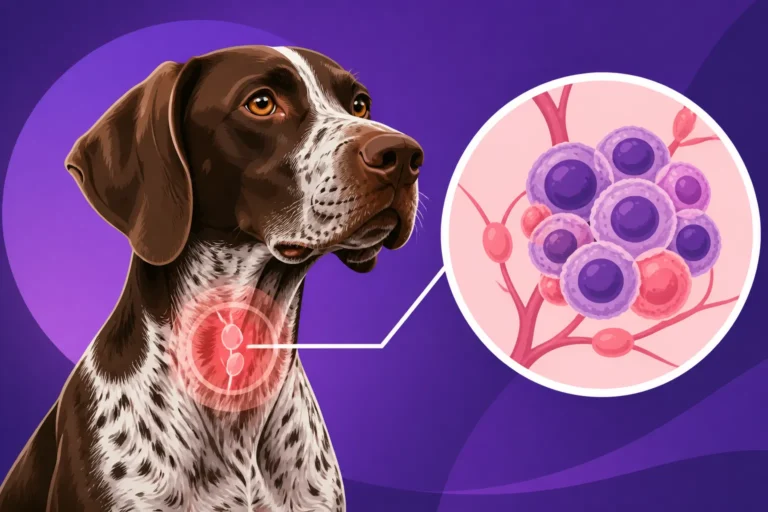
When a blood vessel is injured, the body springs into action with a two-part defense system. First, the blood vessels constrict, narrowing the opening to reduce blood flow to the area. Simultaneously, tiny cell fragments called platelets rush to the site, sticking together to form a temporary plug, much like patching a leaky hose. This initial response is quick and vital for immediate control.
The second, more robust phase involves a cascade of proteins in the blood plasma known as clotting factors. These factors work together in a precise sequence, culminating in the formation of fibrin, a strong, mesh-like protein. This fibrin mesh strengthens the platelet plug, creating a stable clot that effectively seals the injured vessel. It’s a marvel of biological engineering, and any disruption in this intricate dance can lead to prolonged or excessive bleeding, which is a significant concern during and after a surgical procedure.
Why German Shorthaired Pointers Can Be Different
While all dogs rely on this same hemostatic process, German Shorthaired Pointers, like many purebreds, can carry genetic predispositions that impact their clotting ability. Their athletic nature also means they’re more likely to encounter injuries that test their body's capacity to heal. Some GSPs may have inherited conditions that make them less efficient at forming clots, turning a routine spay or a minor injury into a higher-stakes situation.
It's not about being fragile, it's about being aware. Many GSP owners learn early on about their breed's drive and potential for bumps and scrapes, but internal bleeding risks are often overlooked until a problem arises. Knowing your dog's lineage and understanding potential inherited conditions is a crucial first step in proactive care, especially when surgery is on the horizon.
Common Causes of Increased Bleeding Risk in GSP Surgery
When your German Shorthaired Pointer goes in for surgery, whether it’s a routine spay/neuter, a necessary orthopedic repair, or even emergency surgery like addressing a torsion (bloat), preventing excessive bleeding is a top priority for your veterinary team. Several factors can increase this risk, and it’s important for owners to be aware of them.
Genetic Predispositions and Bleeding Disorders
One of the most significant concerns for GSP owners is the breed's susceptibility to certain inherited bleeding disorders. The most notable among these is Von Willebrand Disease (vWD), specifically Type II, which has been identified in German Shorthaired Pointers. This disorder affects the Von Willebrand factor, a protein essential for platelet adhesion and the transport of Factor VIII, another critical clotting factor. Dogs with vWD either have too little of this factor or it doesn't function correctly, leading to issues with forming a stable clot.
Even if your GSP doesn't show obvious signs like prolonged bleeding after minor cuts or spontaneous nosebleeds, a carrier status or mild form of the disease could become a major issue under the stress of surgery. This is why discussing your dog's family history and considering specific pre-surgical testing for conditions like vWD is so important. A proactive approach can literally be life-saving. You might want to ask your breeder about their practices, or look into Von Willebrand Testing Before a German Shorthaired Pointer Is Bred if you're considering breeding your GSP.
Medication Interactions and Supplements
Another common, yet often overlooked, cause of increased bleeding risk involves medications and supplements your GSP might be taking. Non-steroidal anti-inflammatory drugs (NSAIDs), for example, are frequently prescribed for pain management, especially in active dogs prone to joint issues. While generally safe, some NSAIDs can interfere with platelet function, increasing bleeding tendencies. It’s why vets often advise stopping these medications several days or even a week before surgery.
Beyond prescription drugs, many well-meaning owners give their dogs various supplements, from fish oil for coat health to joint support supplements containing ingredients like glucosamine. While beneficial in their own right, some of these, particularly high doses of omega-3 fatty acids, can have anticoagulant effects. Always provide your veterinary team with a complete and accurate list of everything your GSP consumes – food, treats, supplements, and medications – no matter how innocuous it seems. This comprehensive disclosure allows your vet to assess potential interactions and make necessary adjustments to minimize risk.
Underlying Health Conditions
Lastly, other underlying health conditions can significantly heighten the risk of surgical bleeding. Liver disease, for instance, can impair the liver's ability to produce essential clotting factors. Dogs with severe kidney disease might also have platelet dysfunction. Even seemingly unrelated conditions, or ones that might not be immediately obvious, can influence clotting.
Conditions that cause chronic inflammation, certain types of cancer, or even severe infections can disrupt the body's normal hemostatic balance. For older German Shorthaired Pointers, or those with a history of other medical issues, a thorough pre-surgical workup becomes even more critical. This is not just about identifying known bleeding disorders but getting a holistic picture of your dog’s overall health, ensuring they are as stable as possible before undergoing anesthesia and surgery. Every piece of information helps your vet tailor the best and safest surgical plan.
Pre-Surgical Screening and Preparation for Your GSP
The best defense against surgical complications, especially excessive bleeding, is thorough preparation. This involves a comprehensive screening process and open communication with your veterinary team. You want to walk into that surgery day feeling as confident as possible that every precaution has been taken for your German Shorthaired Pointer.
Comprehensive Bloodwork and Coagulation Panels
Before any elective surgery, your vet will undoubtedly recommend pre-anesthetic bloodwork. This isn't just a formality; it's a vital diagnostic step that provides a snapshot of your GSP's internal health. Standard blood panels, such as a Complete Blood Count (CBC) and a biochemistry profile, can reveal issues like anemia, infection, organ dysfunction, or electrolyte imbalances that might affect anesthesia or healing.
For breeds like the German Shorthaired Pointer, and especially when there's any suspicion of a bleeding tendency, your vet might also recommend a specific coagulation panel. This specialized testing measures various aspects of the clotting process, including:
- Platelet count: To ensure there are enough platelets to form a primary plug.
- Prothrombin Time (PT): Measures the extrinsic and common coagulation pathways.
- Activated Partial Thromboplastin Time (aPTT): Measures the intrinsic and common coagulation pathways.
- Buccal Mucosal Bleeding Time (BMBT): A simple test that assesses platelet function by measuring how long it takes for a small prick on the gum to stop bleeding. This can be a good screening test for vWD.
These tests can help identify if there's a delay or deficiency in any part of the clotting cascade, allowing your vet to anticipate and mitigate risks. It’s a small investment for peace of mind and potentially preventing a serious post-operative issue. Don't hesitate to ask your vet about these specific tests, particularly if you have a dog from a line with any known bleeding issues.
Discussing Medical History and Family Lineage
You are your GSP’s primary advocate, and your knowledge of their history is invaluable to your veterinary team. Before surgery, take the time to compile a detailed medical history. This should include:
- Any previous surgeries or anesthetic events and how your dog recovered.
- Past injuries, even minor ones, and how long they bled.
- Any known allergies or adverse reactions to medications.
- All current medications, supplements, and even specialized diets.
- Any unusual bruising, nosebleeds, or prolonged bleeding after minor wounds.
Equally important is discussing your GSP’s family lineage, if you know it. Reputable breeders often screen for genetic conditions like Von Willebrand Disease and will provide health clearances. If you know that a grandparent or a sibling has a history of bleeding issues, even if your GSP has never shown symptoms, it's critical information to share. This allows your vet to perform targeted diagnostics and take extra precautions. Don't assume anything is too trivial; a small detail from your GSP's past could be a crucial clue for a safe surgical outcome.
Pre-Surgical Protocols and Risk Mitigation
Once all the information is gathered and tests are run, your veterinary team will establish specific pre-surgical protocols tailored to your GSP's individual risk profile. If a bleeding disorder is identified, or even strongly suspected, steps can be taken to minimize risk. For instance, in cases of Von Willebrand Disease, a vet might administer a desmopressin acetate (DDAVP) infusion before surgery, which helps release stored Von Willebrand factor into the bloodstream, temporarily improving clotting. In more severe cases, a plasma transfusion might be considered.
Your vet will also review all current medications and supplements, advising you on which ones to discontinue and for how long. For example, stopping certain pain relievers or fish oil supplements a week or two prior to surgery is common. Beyond medication, they will discuss fasting protocols to reduce the risk of aspiration during anesthesia and advise on safe exercise levels in the days leading up to the procedure. This meticulous planning is key to mitigating risks and setting your German Shorthaired Pointer up for the safest possible surgery and recovery. Having a clear plan in place and understanding these steps can help ease your own worries, knowing that everything possible is being done.
| Bleeding Risk Factor | Pre-Surgical Action | Importance |
|---|---|---|
| Von Willebrand Disease | Coagulation panel, BMBT, genetic testing, DDAVP/plasma if positive | Essential to identify genetic deficiency and administer factor-boosting medication or transfusions. |
| Medication/Supplement Use | Comprehensive medication review, discontinue blood thinners (NSAIDs, fish oil) | Prevents drug-induced platelet dysfunction or reduced clotting factor activity during surgery. |
| Liver Disease | Full biochemistry panel, clotting factors (PT/aPTT) | Liver produces clotting factors; dysfunction increases bleeding. Identification allows for supportive care. |
| Low Platelet Count | Complete Blood Count (CBC) | Platelets are first responders for clot formation; low count severely impairs initial hemostasis. |
| Anemia | Complete Blood Count (CBC) | Indicates potential blood loss or underlying disease, can complicate surgery and recovery. |
| Active Infection | CBC, physical exam | Can interfere with healing, increase inflammation, and stress the body's clotting mechanisms. |
Managing Bleeding During and After Surgery
Even with the most thorough pre-surgical screening, surgery inherently carries a risk of bleeding. What matters most is how the veterinary team is prepared to manage it in the moment and how you care for your German Shorthaired Pointer afterwards. It’s a team effort between you and your vet.
Surgical Techniques to Minimize Blood Loss
Skilled veterinary surgeons employ a variety of techniques to minimize blood loss during an operation. This starts with meticulous tissue handling, gentle dissection, and precise incision placement. Modern surgical tools also play a significant role. Electrocautery, for example, uses heat to simultaneously cut tissue and seal small blood vessels, reducing seepage. Ligating vessels (tying them off with sutures) and using surgical clips are fundamental methods to secure larger blood vessels before they are cut.
In complex procedures, or those known to be highly vascular, vets may use specialized sponges, packing materials, or even topical hemostatic agents that promote clotting at the surgical site. The goal is always to achieve hemostasis – stopping blood flow – as quickly and effectively as possible. You can always ask your vet about the specific techniques they plan to use, especially if you have concerns, showing them you’re an engaged and informed owner.
Monitoring for Hemorrhage During the Procedure
During surgery, your GSP is under constant, vigilant monitoring. This isn't just about heart rate and respiration; it includes keeping a close eye on blood pressure, oxygen saturation, and, critically, any signs of hemorrhage. Anesthesia technicians and veterinarians will be observing the surgical field directly for excessive bleeding. They also monitor parameters like blood pressure, as a sudden drop could indicate significant internal blood loss.
In longer or more involved surgeries, especially those where a bleeding risk has been identified, blood transfusions might be on standby. If blood loss becomes substantial, transfusions of whole blood or plasma can be administered to maintain blood volume and replace lost red blood cells and clotting factors. This level of preparedness is crucial to rapidly respond to any unexpected bleeding, ensuring your GSP’s stability throughout the operation. For complex cases, having a plan for potential blood products is a standard part of good practice.
Immediate Post-Operative Care and Observation
Once the surgery is complete, the immediate post-operative period is equally critical for preventing and detecting complications like hemorrhage. Your GSP will be carefully monitored as they recover from anesthesia. The surgical site will be regularly checked for swelling, bruising, or active bleeding. Drainage from the incision, especially if it's profuse or bright red, would be an immediate red flag.
The veterinary team will also continue to monitor vital signs. A rising heart rate, pale gums, weakness, or lethargy can all be subtle indicators of internal bleeding. It's not uncommon for a GSP to be kept overnight for observation, particularly after major surgery or if there were any concerns during the procedure. This allows for continuous professional oversight during the most vulnerable hours of recovery, catching any potential issues early before they escalate. It’s a time when many of us are anxious, but knowing our dogs are under experienced care brings comfort.
Post-Operative Care and Watching for Complications
Bringing your German Shorthaired Pointer home after surgery can be both a relief and a new source of anxiety. You've gotten through the procedure itself, but now it's up to you to diligently monitor their recovery and watch for any signs of post-operative bleeding. Your attentive care is paramount during this critical period.
Signs of Internal and External Bleeding
Knowing what to look for can make all the difference. While the surgical site might have a small amount of discharge or bruising, excessive or persistent bleeding is a concern.
External Bleeding Signs:
- Excessive Redness or Swelling: The area around the incision might be red and slightly swollen, but if it's becoming increasingly red, hot to the touch, or swollen like a balloon, it warrants immediate attention.
- Active Dripping or Soaking Bandages: A few drops are normal, but if the incision is actively dripping blood, or if bandages become quickly saturated with bright red blood, contact your vet immediately.
- Persistent Oozing: Light pink or reddish-brown discharge can be normal, but continuous, significant oozing that doesn't slow down after a day or two is concerning.
Internal Bleeding Signs:
These are often more subtle and can be harder to detect, but they are just as serious:
- Pale Gums: Check your GSP's gums regularly. They should be a healthy pink. If they appear pale, white, or grey, it could indicate blood loss.
- Lethargy and Weakness: While some sleepiness is normal after surgery, profound weakness, inability to stand, or extreme lethargy are red flags.
- Rapid Breathing or Heart Rate: Your dog might breathe faster or have a noticeably elevated heart rate even at rest.
- Distended or Painful Abdomen: If your GSP's belly appears swollen or they show signs of pain when you gently touch their abdomen, it could indicate internal bleeding.
- Cold Extremities: The ears or paws might feel unusually cold to the touch.
- Collapse or Loss of Consciousness: This is an emergency and requires immediate veterinary attention.
Never hesitate to call your vet if you observe any of these signs. It's always better to be overly cautious when it comes to potential hemorrhage.
Activity Restriction and Incision Care
Proper incision care and activity restriction are critical for preventing post-operative bleeding and ensuring good healing. Your vet will provide specific instructions, and it’s vital to follow them precisely.
- Activity Restriction: This is often the hardest part with an active German Shorthaired Pointer! Even if they seem to feel better quickly, internal healing takes time. Strenuous activity, jumping, running, or even rough play can put strain on internal sutures, potentially causing them to tear and leading to bleeding or hernia formation. Leash walks for bathroom breaks only, keeping them confined to a crate or small room, and avoiding stairs are common recommendations. Remember, a burst of energy from your GSP could undo days of careful healing.
- Incision Monitoring: Check the incision site daily, looking for excessive redness, swelling, discharge, or open areas. Gently cleaning the area with a prescribed solution or warm water if advised by your vet is usually all that’s needed.
- Preventing Licking/Chewing: Dogs instinctively want to lick their wounds, but this can introduce bacteria, pull out sutures, and cause inflammation or bleeding. An Elizabethan collar (cone), recovery suit, or even a soft neck donut might be necessary. While your GSP will likely hate it, it’s a non-negotiable step for proper healing. Many an owner has learned the hard way that a quick lick can become a big problem.
Following these instructions to the letter will minimize the chances of complications and give your GSP the best chance for a smooth recovery.
When to Contact Your Veterinarian Immediately
You'll be given emergency contact information and specific guidance for post-operative care. However, if you observe any of the following, do not wait – contact your veterinarian immediately:
- Continuous or copious bleeding from the incision site.
- Severe swelling, heat, or pain at the incision.
- Pale gums, extreme lethargy, or weakness.
- Difficulty breathing or very rapid breathing.
- A distended or painful abdomen.
- Sudden collapse or unresponsiveness.
- Any unusual behavior that strongly indicates your dog is in severe pain or distress.
It's common for vets to check in with a follow-up call, but if you have serious concerns, don't wait for them to call you. Err on the side of caution. Even a seemingly minor issue can escalate quickly with a large, active dog like a GSP. Quick action can often prevent a minor setback from becoming a life-threatening emergency. Remember, your vet knows the procedure best and can guide you through any uncertainties during recovery.
Financial Planning for Unexpected Surgical Complications
Let's be real, veterinary care, especially surgery, can be expensive. And when unexpected complications like severe bleeding arise, the costs can escalate rapidly. While we always hope for the best, it’s financially prudent to consider these possibilities when owning an active German Shorthaired Pointer.
The High Cost of Emergency Interventions
A planned surgery has a known cost, but a complication like post-operative hemorrhage can quickly rack up emergency vet bills. Imagine your GSP needing an emergency blood transfusion, additional surgical exploration to find and stop bleeding, or even an extended stay in an intensive care unit (ICU) for continuous monitoring and supportive care. Each of these interventions comes with a significant price tag.
For instance, a single blood transfusion can cost hundreds to over a thousand dollars, depending on the volume needed and the facility. Revisiting surgery for internal bleeding could easily double the initial surgical cost. ICU stays, with their round-the-clock monitoring, IV fluids, medications, and specialized equipment, can run into thousands of dollars per day. These aren't just hypotheticals; they are very real scenarios that many GSP owners have faced. Being emotionally prepared is one thing, but being financially prepared for these possibilities is another entirely.
Pet Insurance as a Safety Net
This is where pet insurance truly shines, acting as a crucial safety net for those unforeseen emergencies. Policies from providers like Healthy Paws are designed to help cover a significant portion of unexpected veterinary costs, including those arising from surgical complications. Instead of facing a five-figure bill alone, a good insurance plan can reimburse you for 70-90% of eligible expenses after your deductible.
When choosing a policy, it’s important to understand what it covers. Look for plans that include:
- Accident and Illness Coverage: This is key for surgical complications, emergency care, and follow-up treatments.
- High Reimbursement Rates: Aim for at least 80% if possible.
- Flexible Deductibles: Choose one that fits your budget.
- No Per-Incident or Annual Caps (or very high ones): German Shorthaired Pointers can be prone to various issues, from Field Injuries a Hunting German Shorthaired Pointer Comes Home With to The Bloat Risk a Shorthair Carries Into Every Season, and you don't want to hit a cap on a major incident.
While pet insurance typically doesn't cover pre-existing conditions, if you enroll your GSP when they are young and healthy, it can be invaluable protection for future unexpected events, including bleeding complications during surgery. It truly offers peace of mind when facing scary situations.
Building an Emergency Fund
Even with pet insurance, or if you choose not to get it, having a dedicated emergency fund for your GSP is incredibly wise. Deductibles and co-pays still need to be covered, and there might be unexpected costs not fully reimbursed by insurance. Aim to have at least a few thousand dollars set aside, if possible, specifically for veterinary emergencies.
You can build this fund through regular small contributions, much like saving for a major life event. Think about those vet bills your hunting German Shorthaired Pointer earns over its lifetime – a good emergency fund can smooth out the financial impact of those unforeseen, high-cost events. This financial preparedness allows you to make decisions based on your GSP's best medical interests, rather than being forced to choose based on your wallet. Nobody wants to be in a position where they have to compromise on their beloved dog's care due to unexpected financial strain, and proactive planning helps avoid that heartbreaking scenario.
Disclaimer
The information provided in this article is for general informational purposes only and does not constitute veterinary medical advice. Always consult with a qualified veterinarian for any health concerns or before making any decisions related to your German Shorthaired Pointer's medical care, diet, or treatment.