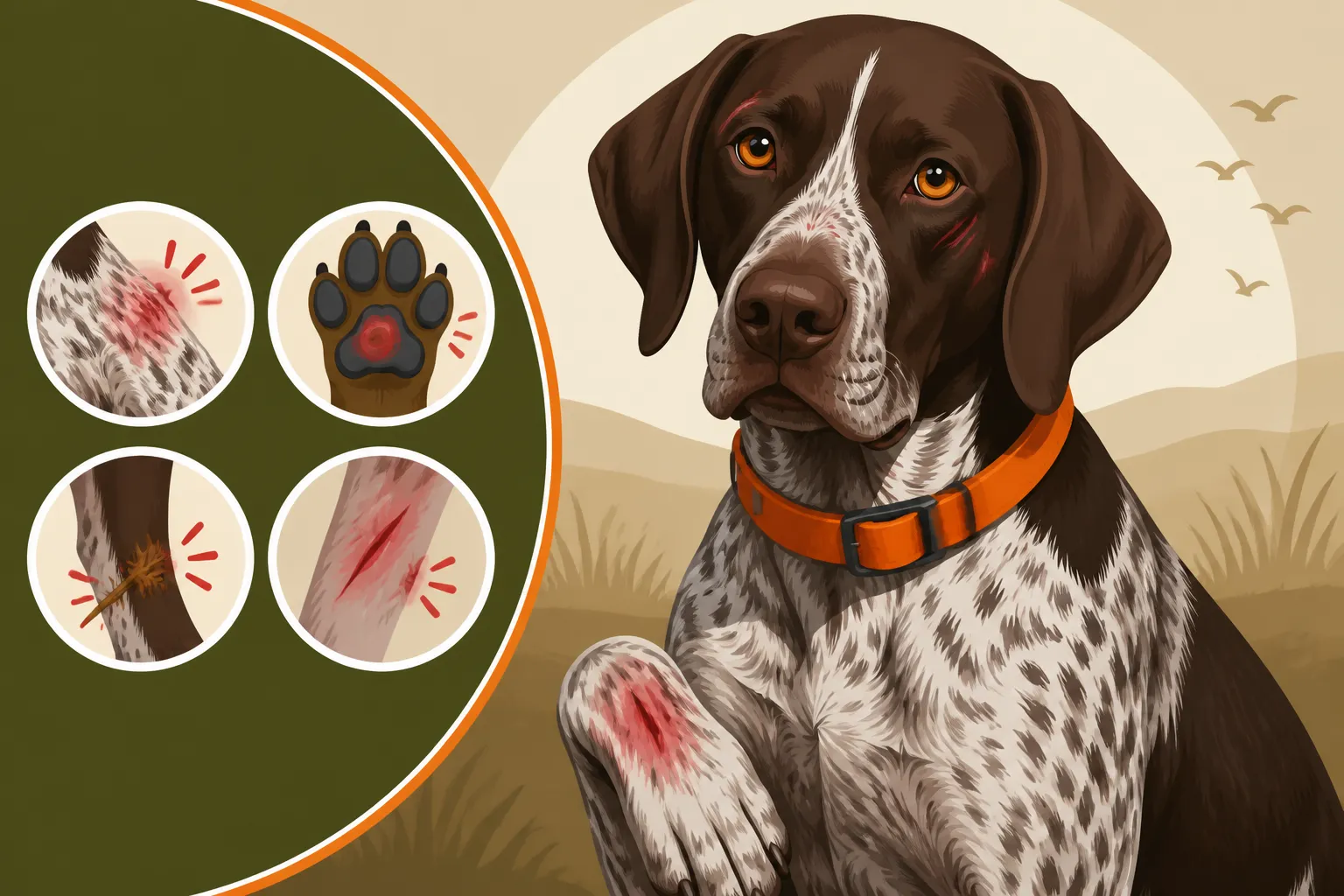
Field Injuries a Hunting German Shorthaired Pointer Comes Home With
There’s nothing quite like the sight of your German Shorthaired Pointer working the field, nose to the ground, tail whipping with anticipation. It’s a thing of beauty, a testament to their breeding and boundless energy. But for every exhilarating retrieve and rock-solid point, there’s a shadow of worry for us owners: the inevitable field injury. These incredible athletes push themselves to the limit, often with little regard for thorns, barbed wire, or jagged rocks. This guide will walk you through the common injuries a hunting Shorthair might come home with, how to provide immediate care, and crucial preventative measures to keep your partner safe and sound.
The Inevitable Reality of Field Injuries
Every time our German Shorthaired Pointers hit the field, whether it's for training or a full-blown hunting season, they're stepping into an environment filled with potential hazards. It's a tough truth that comes with owning such a driven, high-energy hunting dog. They live for the chase, the scent, the retrieve, and often, that singular focus means they don't always see the danger until they're in it.
Why German Shorthaired Pointers Are Prone to Injury
If you've spent any time with a German Shorthaired Pointer, you know they're not exactly known for their cautious approach to life. They are powerful, athletic dogs bred for relentless work, often covering vast amounts of ground at high speeds. This incredible drive, while essential for their work in the field, is precisely why they're so susceptible to injuries. They’re built like canine rockets, and they deploy that speed and athleticism with an almost reckless abandon when a bird is involved. They’ll blast through thick briars, leap over downed logs, and crash through icy water, all fueled by instinct and a desire to please.
This intensity means they often don't register pain or potential harm until after the fact. A GSP might run a cut pad raw for hours before showing a limp, or push through a muscle strain until the adrenaline wears off. Their pain tolerance is remarkably high, which is both a blessing and a curse. It allows them to perform their duties admirably, but it also means we, as their handlers, need to be extra vigilant, constantly checking them over and knowing the subtle signs that something isn't quite right. Their short coats offer little protection against sharp objects, and their lean, muscular build, while efficient, doesn't always cushion them against hard impacts or awkward landings.
The Different Environments That Pose Risks
The types of injuries your German Shorthaired Pointer might sustain are often dictated by the specific terrain and cover they're working. Every environment has its own unique set of challenges and dangers, and understanding these can help you better prepare and recognize potential issues.
Think about hunting pheasants in a dense CRP field in the Midwest. That thick, waist-high cover might seem soft, but it often hides sharp stubble from harvested crops, jagged sticks, or even discarded farm equipment. A dog running at full tilt through this can easily slice a pad or jab an eye. Then there are the rocky outcroppings and steep hillsides you might encounter while chasing chukar in Idaho. Here, slips, falls, and twisting injuries to joints are much more prevalent. A misplaced paw on a loose rock can lead to a sprain, or worse, a torn ligament. Waterfowl hunting, especially in late fall, introduces the risk of hypothermia, but also unseen underwater obstacles that can cause severe cuts or blunt force trauma if a dog jumps into shallow, debris-filled water. And let’s not forget the ever-present danger of fences—barbed wire being a notorious culprit—that dogs try to clear, sometimes misjudging the jump with painful results. Each landscape, from the open prairie to dense woodland, demands different awareness from us, the owners, to keep our hardworking partners safe.
Common Paw and Leg Injuries
When your German Shorthaired Pointer spends hours pounding the ground, pushing through various types of cover, their paws and legs are often the first parts of their body to suffer. These injuries can range from minor annoyances to severe lameness that requires significant veterinary intervention.
Cut Pads and Torn Nails
There's almost no hunting season that goes by without a GSP owner dealing with a cut pad or a torn nail. It's practically a rite of passage. Picture this: your dog is tearing through a dry cornfield, enthusiastic as ever, and suddenly lets out a yelp. You stop, call them back, and find a deep gash on one of their paw pads. This happens constantly because those tough, rubbery pads, while designed for traction and durability, are not impervious to sharp rocks, broken glass, or the incredibly abrasive stubble left behind after harvesting. A deep cut can bleed profusely and is incredibly painful, often sidelining a dog for days or even weeks. Immediate field care involves cleaning the wound as best you can, applying pressure to stop bleeding, and then wrapping it securely with vet wrap or a similar material to protect it until you can get to a vet. You can learn more about specific care in Cut Pads on a German Shorthaired Pointer After a Long Day.
Torn nails are another frequent issue. These can happen when a nail catches on something, like a root or a piece of tangled brush, and gets ripped or fractured. The dewclaws, often left on field-bred dogs for extra traction, are particularly vulnerable. A torn nail is not only painful, sometimes exposing the quick, but it's also prone to infection if not properly cleaned and cared for. You might notice your dog licking their paw incessantly, or see blood on the ground where they've been standing. Sometimes, the entire nail can be avulsed, meaning it's ripped completely off, which is incredibly painful and will definitely require veterinary attention to ensure proper healing and prevent infection.
Sprains, Strains, and Cruciate Ligament Tears
The sheer athleticism of German Shorthaired Pointers, while magnificent to watch, puts them at high risk for soft tissue injuries. A sudden twist, a hard stop, an awkward landing from a jump—any of these can result in a sprain (ligament injury) or a strain (muscle or tendon injury). You might see a subtle limp at first, or your dog might favor a leg. These can be difficult to diagnose in the field because, again, GSPs are stoic. A mild strain might just look like a bit of stiffness after a long hunt, while a more serious sprain could cause obvious lameness. Rest is usually the first line of treatment, often combined with anti-inflammatory medication prescribed by your vet.
However, a much more severe and unfortunately common injury in active dogs like Shorthairs is a torn cruciate ligament in the knee. This often happens with a sudden pivot or misstep, or even repetitive stress over time. The "cranial cruciate ligament" in a dog's knee is analogous to the ACL in humans. When it tears, it causes instability and significant pain. You might see your dog suddenly become three-legged lame, unable or unwilling to put weight on the affected leg. Sometimes, the initial tear isn't complete, and the lameness comes and goes until the ligament gives way entirely. A torn cruciate almost always requires surgical repair, which is a major undertaking both physically for your dog and financially for you. This is a topic that deserves a deeper dive, and you can find more information on Torn Cruciates in a Field Bred German Shorthaired Pointer. Recognizing the signs early and getting veterinary attention is crucial for the best outcome.
Shoulder and Toe Injuries in a Running Shorthair
While hip and knee issues often get more attention, a German Shorthaired Pointer's shoulders and toes are also vulnerable to the stresses of hard running and hunting. Shoulder injuries, such as soft tissue strains or even damage to the shoulder joint itself, can occur when a dog makes a sudden, jarring stop or takes a hard fall. Imagine your GSP full-speed ahead, locked on scent, and then they hit an unseen dip or snag and tumble. That impact can transmit significant force through the shoulder. Signs might include a reluctance to put full weight on a front leg, favoring it when lying down, or pain when the shoulder is manipulated. These often require careful diagnosis through palpation, X-rays, or even advanced imaging like MRI, and treatment can range from strict rest to physical therapy.
Toe injuries, though seemingly minor, can be incredibly debilitating for an active hunting dog. A toe sprain or fracture can occur if a dog jams a toe running over uneven ground or catches it on a hidden obstacle. You might notice swelling, redness, and lameness that specifically localizes to a digit. Because GSPs rely on all their toes for propulsion and grip, even a single injured toe can significantly impact their ability to run and perform. Sometimes, a toe can even dislocate. These injuries often require splinting or strict rest to heal properly, and in some cases, a small fracture might go unnoticed and lead to chronic lameness if not properly diagnosed and treated. Given how much ground a Shorthair covers, keeping a close eye on their entire foot structure, not just the pads, is vital.
Body Wounds and Lacerations
Beyond the paws and legs, the body of a German Shorthaired Pointer is also susceptible to various scrapes, punctures, and lacerations when they’re pushing through demanding cover or navigating tricky environments. Their short, dense coats offer some protection, but aren’t impenetrable.
Barbed Wire Cuts on a Running Shorthair
Barbed wire. Just the phrase sends a shiver down any hunting dog owner’s spine. It's one of the most insidious dangers in agricultural and wild areas, often hidden in tall grass or overgrown fences, and almost invisible until it’s too late. Your German Shorthaired Pointer, driven by instinct, might try to leap over a downed fence they didn't see, or push through what they think is just heavy brush, only to encounter the sharp barbs. The resulting cuts can be deep, jagged, and extensive. I've seen a GSP come back with a long, nasty slice along its flank that looked like it had been filleted.
Immediate action is critical. First, you need to control the bleeding by applying firm, direct pressure. Then, carefully assess the wound. Is it a superficial scrape, or is it deep enough to expose muscle or even bone? Are there multiple cuts? Clean the area as best you can with clean water or an antiseptic wipe if you have one. Often, these types of wounds are contaminated with dirt and debris, making infection a real risk. If the cut is deep or wide, it will likely require stitches or staples, and a trip to the vet is non-negotiable. Even seemingly minor barbed wire cuts should be monitored closely for signs of infection in the days following the incident.
Puncture Wounds from Sticks and Stubs
While less visually dramatic than a barbed wire laceration, puncture wounds from sticks, sharp branches, or even stiff crop stubble can be incredibly dangerous precisely because they often don't look as bad on the surface. Your German Shorthaired Pointer might be running through a dense thicket, and a broken branch or a sharp stick could jab deep into their chest, flank, or armpit.
The danger with punctures is twofold: first, the object itself might break off inside the wound, leaving foreign material that can cause severe infection and inflammation. Second, the external opening might be small, but the internal damage can be significant, potentially piercing muscles, organs, or even leading to a collapsed lung if it's in the chest area. You might not see much external bleeding, just a small hole, but your dog could be in immense pain, or develop lameness, swelling, or a fever later on. Always check your dog meticulously after they've pushed through dense cover. If you suspect a puncture wound, especially if it's deep or your dog is showing signs of discomfort or illness, do not probe it yourself. Get to a veterinarian immediately. They can often clean and flush these wounds thoroughly, and sometimes even perform exploratory surgery to ensure no foreign bodies remain and to address any internal damage.
Stapling a German Shorthaired Pointer's Field Wound
In the remote backcountry, far from the nearest veterinary clinic, knowing some basic emergency first aid for cuts can be a game-changer. For certain types of field wounds, particularly straight-edged lacerations that aren't too deep and are relatively clean, temporary stapling can be a viable option to close the wound and prevent further contamination until you can reach professional veterinary care. This is absolutely not a substitute for a vet, but a temporary measure to stabilize your dog. You can find more detailed guidance on Stapling a German Shorthaired Pointer's Field Wound.
To do this, you’d need a dedicated veterinary or human skin stapler (never use a construction stapler!). First, clean the wound thoroughly with antiseptic solution and ensure there's no debris. Then, carefully bring the edges of the skin together and apply the staples about half an inch apart. The goal isn't necessarily to achieve perfect closure, but to hold the skin edges close enough to prevent them from gaping open and collecting more dirt. Remember, this is a stop-gap measure. Even if the wound looks good after stapling, your GSP still needs to see a vet as soon as possible for proper cleaning, possibly re-closure, antibiotics, and pain management. Always consult your vet if you're unsure about the severity of a wound or the appropriateness of field stapling.
Eye and Ear Trauma
The head of a German Shorthaired Pointer, constantly sweeping the ground for scent, is often exposed to the perils of dense cover. Their expressive eyes and long, pendulous ears are particularly vulnerable to injury in the field.
Eye Injuries a Shorthair Gets Running Heavy Cover
A Shorthair's intense focus on scent often means their head is down, pushing through whatever vegetation stands in their way. This puts their eyes at significant risk. Imagine your GSP bursting through a thick patch of briars; a sharp twig can easily whip back and scratch the cornea, or even worse, pierce the eye itself. I’ve seen dogs come home with eyes swollen shut, tearing excessively, or obviously in pain.
Common eye injuries include corneal abrasions (scratches on the surface of the eye), foreign bodies lodged under the eyelids (like grass seeds or small thorns), and sometimes, more severe trauma such as a proptosis (when the eyeball pops out of its socket, though this is less common in GSPs than brachycephalic breeds) or a penetrating wound. If you notice your dog squinting, pawing at their eye, excessive tearing, redness, or any discharge, it's an emergency. Time is of the essence with eye injuries, as they can rapidly worsen and lead to permanent vision loss or even loss of the eye if not treated promptly. A quick trip to the vet is essential to flush out foreign objects, stain the cornea to check for scratches, and prescribe appropriate medication. You may also want to review Eye Injuries a Shorthair Gets Running Heavy Cover for more detailed advice.
Ear Flap Tears and Hematomas
A German Shorthaired Pointer's long, floppy ears are not just adorable; they're also highly susceptible to injury when crashing through thick cover. These ears, with their abundant blood supply, can easily get snagged on thorns, branches, or even barbed wire, leading to tears or lacerations. You might notice blood splatters on your dog's ears or neck, or they might shake their head vigorously after the incident. Even a small tear can bleed quite a bit due to the rich vascularization of the ear flap. Cleaning the wound and applying gentle pressure can help in the field, but deeper tears often require sutures to heal properly and prevent disfigurement.
Another common ear issue is an aural hematoma. This often occurs when a GSP vigorously shakes its head, perhaps due to an ear infection or after getting a foxtail inside the ear canal, causing blood vessels within the ear flap to burst. The blood then collects between the cartilage and skin of the ear, creating a soft, fluid-filled swelling that can grow quite large. This is incredibly uncomfortable for the dog, making their ear feel heavy and painful. Aural hematomas almost always require veterinary intervention, often surgical, to drain the blood and prevent the ear from developing a "cauliflower ear" appearance due to scar tissue. Prevention is key here: regularly check your GSP's ears for infections and foreign bodies, especially after swimming or hunting in tall grass.
Foxtails and Grass Awns in a Hunting Shorthair
If there's one silent, insidious enemy of the hunting German Shorthaired Pointer, it's the foxtail or other barbed grass awns. These seemingly innocuous plant seeds are masters of migration. Their unique shape allows them to only move forward, burrowing into skin, between toes, into ears, up nostrils, and even into eyes, often unnoticed at first. Your GSP, with its short coat, might be slightly less prone to them matting in their fur compared to a long-haired breed, but they are still highly vulnerable due to their constant movement through vegetation.
A foxtail embedded between the toes can cause swelling, lameness, and a draining tract. One that makes its way into an ear canal can cause intense irritation, head shaking, pawing at the ear, and eventually lead to infection or an aural hematoma. If inhaled through the nose, they can cause sneezing, nosebleeds, and migrate into the sinuses or even the lungs, leading to severe respiratory issues or abscesses. An awn in the eye can cause corneal ulcers. The key to managing these is vigilance: thorough inspection of your dog after every outing, paying close attention to the paws (especially between the pads), ears, armpits, and groin. If you suspect a foxtail, especially if you see a small, inflamed puncture site or your dog is showing persistent discomfort, a vet visit is imperative. These often require sedation and surgical removal. More details can be found on Foxtails and Grass Awns in a Hunting Shorthair.
Environmental Hazards and Bites
Beyond direct physical trauma, the natural environment itself poses several significant health risks to our German Shorthaired Pointers, especially during hunting season. Being prepared for these less obvious dangers is just as important as knowing how to treat a cut.
Snake Bites and a German Shorthaired Pointer
In many parts of the country, snake bites are a very real, and often terrifying, threat to hunting dogs. Your German Shorthaired Pointer, with its natural curiosity and drive to explore, might accidentally stumble upon a venomous snake hidden in tall grass or under a rock. Rattlesnakes, copperheads, cottonmouths (water moccasins), and coral snakes are among the most common venomous snakes in North America. A bite typically causes immediate pain, swelling, and often two distinct puncture marks. The venom can cause tissue damage, blood clotting issues, and systemic shock, and can be fatal if not treated quickly.
If you suspect your GSP has been bitten by a venomous snake, try to remain calm. Keep your dog as still as possible to slow the spread of venom, and head to the nearest emergency veterinary clinic immediately. Do not try to cut the wound, suck out venom, or apply a tourniquet, as these actions can often do more harm than good. Your vet will likely administer antivenin, fluids, and pain medication. The rattlesnake vaccine is available and can reduce the severity of the reaction, buying precious time, though it doesn't prevent a bite or eliminate the need for veterinary care. For more information on this critical topic, refer to Snake Bites and a German Shorthaired Pointer.
Blue-Green Algae and a Swimming Shorthair
For many German Shorthaired Pointers, a day afield isn't complete without a refreshing dip in a pond or lake. However, not all water is safe. Blue-green algae, also known as cyanobacteria, are a serious, often deadly, threat that thrives in warm, still freshwater during late summer and early fall. These algae produce toxins that can be rapidly absorbed through ingestion, either by your dog drinking the water or by licking their fur after swimming. The appearance can range from a pea-soup green film on the water to distinct mats, but it's not always visible or easily identifiable.
Symptoms of blue-green algae poisoning can appear rapidly, often within minutes to hours. These include vomiting, diarrhea, weakness, seizures, difficulty breathing, excessive drooling, and even sudden collapse or death. If you suspect your GSP has been exposed, rinse them thoroughly with clean water without letting them lick themselves dry, and seek emergency veterinary care immediately. There is no specific antidote, so treatment focuses on supportive care. The best prevention is vigilance: if the water looks suspicious, smells bad, or has visible algae blooms, keep your dog out of it. "When in doubt, stay out" is a good rule of thumb.
Heat Exhaustion in an Early Season Shorthair
German Shorthaired Pointers are incredibly driven, and they often refuse to quit, even when their bodies are telling them to. This can be particularly dangerous during early season hunts or training sessions when temperatures are still high and our dogs aren't fully conditioned. Their short coats offer little insulation against heat, and their high metabolism generates a lot of internal heat during strenuous exercise. Heat exhaustion, which can quickly progress to life-threatening heatstroke, occurs when a dog's body temperature rises to dangerous levels.
Signs include excessive panting, bright red gums, thick sticky saliva, weakness, stumbling, vomiting, and eventually collapse or seizures. If you notice these signs, it's an emergency. Immediately get your dog into the shade, apply cool (not ice cold) water to their belly, armpits, and groin, and offer small amounts of water. Crucially, transport them to the vet as quickly as possible, continuing cooling efforts on the way. Never leave a GSP in a parked car, even for a few minutes, on a warm day. Prevention involves conditioning your dog gradually, hunting during cooler parts of the day, ensuring constant access to fresh water, and knowing The Temperature a German Shorthaired Pointer Should Not Hunt In. You can also find more essential tips in Heat Exhaustion in an Early Season Shorthair.
Water Intoxication in a Retrieving German Shorthaired Pointer
While far less common than heatstroke, water intoxication (hyponatremia) is a serious and potentially fatal condition that can affect highly enthusiastic retrieving dogs, including German Shorthaired Pointers, especially during extended water retrieves or playtime in the water. It occurs when a dog ingests an excessive amount of water too quickly, diluting the sodium levels in their blood to dangerously low concentrations. This imbalance can lead to cell swelling, particularly in the brain.
Symptoms can include lethargy, bloating, vomiting, staggering, dilated pupils, excessive drooling, and in severe cases, seizures, coma, and death. Because GSPs are often used for waterfowl retrieves, and many love to play in the water, it's a risk factor to be aware of. To prevent it, try to limit continuous water retrieving sessions, especially with high-energy dogs that gulp water while working. Take frequent breaks and discourage them from excessively swallowing water. If you notice any of the aforementioned symptoms after a long session in the water, seek immediate veterinary attention. This is a true emergency, and prompt treatment with diuretics and intravenous fluids can be life-saving.
When to Seek Veterinary Care Immediately
As devoted owners of German Shorthaired Pointers, we often become adept at patching up minor scrapes and bumps. But there are crucial times when immediate professional veterinary care is not just recommended, but absolutely essential to save your dog's life or prevent long-term damage.
Red Flag Symptoms Not to Ignore
Knowing when a field injury crosses the line from "manageable at home" to "emergency room needed" is paramount. There are several red flag symptoms that should always prompt an immediate call to your veterinarian or a trip to the emergency clinic, regardless of how minor the initial injury seemed.
Firstly, any severe or uncontrollable bleeding is a critical emergency. If you can't stop the bleeding with firm pressure after 10-15 minutes, or if blood is spurting, get to the vet now. Secondly, significant lameness where your GSP is unwilling or unable to bear weight on a limb, or if the limb appears deformed or dangling, indicates a likely fracture, dislocation, or severe ligament tear that needs urgent attention. Thirdly, signs of shock, such as pale gums, rapid breathing, a weak pulse, lethargy, or collapse, are all dire warnings that internal bleeding, severe pain, or a major systemic issue is at play. Any deep puncture wound, especially to the chest or abdomen, is also an emergency due to the risk of internal damage and infection. And lastly, sudden and severe swelling of the abdomen, particularly if accompanied by unproductive retching, is a classic sign of The Unproductive Retching That Means a Shorthair Is Bloating or gastric dilatation-volvulus (GDV), which is a rapidly fatal condition in deep-chested breeds like Shorthairs. Never delay seeking care for these symptoms; early intervention can be the difference between life and death.
Emergency Vet Preparedness
Being prepared for a field emergency can significantly improve your German Shorthaired Pointer's chances of a positive outcome. It’s not just about knowing what to do, but having the tools and information readily available. Imagine you're miles from home, deep in the backcountry, and your dog has a serious injury. Panic sets in, but a well-thought-out emergency plan can cut through the chaos.
First, always carry a comprehensive first-aid kit designed for dogs. This should include sterile gauze, vet wrap, antiseptic wipes, tape, blunt-tipped scissors, tweezers, saline solution, and a styptic pencil or powder for bleeding nails. Knowing Emergency Care for a Bloating German Shorthaired Pointer is also critical. Beyond supplies, have a list of emergency veterinary clinics, both your regular vet and the closest emergency 24/7 facility to your hunting location, pre-programmed into your phone. Know their directions and call ahead if possible, to alert them you're coming. Consider joining an emergency pet transport service if you frequently hunt in very remote areas. Finally, having pet insurance, such as through a provider like Healthy Paws, can be an absolute lifesaver. Knowing that a significant portion of those unexpected, high emergency vet bills will be covered can reduce the immense stress during an already difficult time, allowing you to focus on getting your GSP the best care possible without immediate financial burden. This proactive step can provide invaluable peace of mind when your adventurous Shorthair inevitably finds trouble.
Prevention and Proactive Measures
While completely eliminating field injuries for a driven German Shorthaired Pointer is impossible, there's a lot we can do as owners to significantly reduce the risks and prepare them for the rigors of hunting. Proactive care is just as important as reactive first aid.
Checking a German Shorthaired Pointer Over After a Hunt
This might sound like a simple, obvious step, but it’s one that’s often rushed when you’re tired after a long day in the field. Establishing a thorough post-hunt inspection routine is one of the most effective preventative measures you can take. Every single time your German Shorthaired Pointer comes out of the field, dedicate at least 10-15 minutes to a head-to-tail examination.
Start with their face and eyes, checking for redness, discharge, or embedded debris. Gently lift their floppy ears and inspect the canals for foreign objects like foxtails, ticks, or signs of irritation. Run your hands over their entire body, feeling for lumps, bumps, swelling, or any tender spots. Pay close attention to their armpits and groin area, where stickers and burrs often hide. The paws, however, deserve the most meticulous attention. Spread their toes apart, checking between the pads for cuts, cracks, embedded seeds, or thorns. Inspect each nail carefully for chips or tears. This thorough Checking a German Shorthaired Pointer Over After a Hunt routine not only helps you catch injuries early, but also builds a stronger bond with your dog, making them comfortable with handling. It allows you to address issues before they escalate into serious infections or lameness, potentially saving your dog pain and you costly vet bills.
Conditioning a Shorthair's Pads Before Opening Day
A German Shorthaired Pointer’s paws are their primary tools in the field, enduring countless miles over varied and often harsh terrain. Just like a human athlete prepares their body, we need to prepare our GSP’s feet for the season ahead. Sending a "soft" dog with unconditioned pads into a full day of hunting is an invitation for injury.
The process of Conditioning a Shorthair's Pads Before Opening Day should begin weeks, if not months, before hunting season. Gradually increase the distance and intensity of your dog's exercise on different surfaces, mimicking the terrain they’ll encounter. Start on softer ground like grass, then move to gravel roads, dirt paths, and eventually rocky areas. This controlled exposure helps toughen the pads naturally. During this conditioning period, regularly inspect their pads for any tenderness or cracks and apply a good quality paw balm, like Musher's Secret or Tough Enough, to keep them moisturized and resilient. These balms create a protective, breathable barrier and prevent pads from drying out and cracking, which can lead to painful cuts. For extra protection on particularly rough terrain, consider using dog boots. While some dogs resist them at first, proper fitting and gradual introduction can make them an invaluable tool for preventing Boots for a Shorthair on Rock and Stubble. Think of pad conditioning and protection as essential gear, just as important as your shotgun or hunting vest.
The Vet Schedule a Working Shorthair Should Keep
Beyond immediate injury response and preventative measures, maintaining a consistent and proactive veterinary schedule is foundational to the long-term health and field performance of your German Shorthaired Pointer. Working dogs have unique needs that go beyond the basic annual check-up of a sedentary pet.
Your GSP should have a thorough annual physical examination, where your veterinarian can assess their overall health, listen to their heart and lungs, palpate their joints, and discuss any changes you've observed. This is also the time to ensure they are up-to-date on all necessary vaccinations. For hunting dogs, this often includes core vaccines like rabies, distemper, parvovirus, and adenovirus, but also non-core vaccines crucial for field exposure, such as Leptospirosis, Lyme disease, and canine influenza. These protect against diseases they are more likely to encounter in the field. Additionally, regular fecal exams are important to detect parasites, and year-round flea, tick, and heartworm prevention is non-negotiable. Many veterinarians also recommend yearly bloodwork for older working dogs, which can catch early signs of kidney disease, thyroid issues like Thyroid Failure in a Middle Aged German Shorthaired Pointer, or other age-related conditions before they become critical. Discussing your hunting plans and local disease risks with your vet ensures your Shorthair's health plan is tailored to their active lifestyle, keeping them sound for many seasons to come.
Financial Realities and Insurance
The joy and companionship a German Shorthaired Pointer brings are immeasurable, but the financial responsibilities, especially when unexpected injuries strike, can be significant. It's a pragmatic aspect of dog ownership that no one likes to think about, but it's crucial for responsible pet parents.
The Vet Bills a Hunting German Shorthaired Pointer Earns
Let's be real: owning a hunting German Shorthaired Pointer is not for the faint of heart or the thin of wallet. Their energetic, driven nature means they often find themselves in situations that lead to expensive vet visits. A simple cut pad might just be a few hundred dollars for cleaning, stitching, and medication. But it can quickly escalate. A torn cruciate ligament, for example, typically runs into the thousands of dollars for surgery, aftercare, and rehabilitation. A severe puncture wound requiring exploratory surgery could easily be several thousand.
Then there are the less common, but equally costly, emergencies like a rattlesnake bite that requires antivenin, which can be astronomically priced depending on how many vials are needed, plus supportive care. Or imagine your GSP experiences The Bloat Risk a Shorthair Carries Into Every Season, requiring emergency surgery for gastric dilatation-volvulus (GDV) – that's another multi-thousand-dollar event. These aren't isolated incidents; these are common occurrences for active hunting dogs. It's not a matter of "if" your hunting Shorthair will earn a significant vet bill, but "when." Being prepared for these financial realities is a crucial part of responsible ownership, and you can learn more about what to expect on The Vet Bills a Hunting German Shorthaired Pointer Earns.
Whether a Policy Covers a Shorthair's Hunting Injuries
This is where pet insurance becomes a really valuable tool for hunting dog owners. Given the high likelihood of field-related injuries, a good pet insurance policy can provide a crucial safety net. However, not all policies are created equal, and it's essential to understand the fine print.
Many reputable pet insurance providers, like Healthy Paws, offer comprehensive coverage that includes accidental injuries sustained during hunting activities. This typically covers things like broken bones, lacerations, torn ligaments, snake bites, and other sudden traumas. When choosing a policy, pay close attention to the deductible (the amount you pay before coverage kicks in), the reimbursement percentage (what percentage of the vet bill the insurer pays), and the annual limits. It's also vital to understand what constitutes a "pre-existing condition," as these are generally not covered. If your dog had a recurring lameness before you got the policy, a similar injury might be excluded.
A good policy from a company like Healthy Paws can significantly mitigate the financial stress of a major field injury. Imagine your GSP tears a cruciate ligament; the surgery could be $4,000-$6,000. With a robust plan, you might pay your deductible and then receive 80-90% reimbursement, turning a potentially crippling bill into a manageable one. It frees you up to make medical decisions based on what’s best for your dog, rather than what you can afford out of pocket. Many GSP owners find the monthly premium a small price to pay for the peace of mind and protection it offers against the inherent risks of their dog's adventurous, working lifestyle.
Disclaimer
Please remember that the information provided in this guide is for informational purposes only and is not a substitute for professional veterinary advice. Always consult with a qualified veterinarian for any health concerns or before making any decisions related to your pet's medical care. In case of an emergency, contact your nearest veterinary emergency clinic immediately.