Testing a German Shorthaired Pointer Before a Spay
The decision to spay your beloved German Shorthaired Pointer can bring a mix of emotions – relief that you’re preventing unwanted litters and certain health issues, but also a knot of worry about the surgery itself. It’s completely normal to feel a bit anxious about putting your active, vibrant companion under anesthesia, and that's precisely why thorough pre-spay testing is not just a recommendation, but a crucial step to ensure her safety and your peace of mind.
Why Pre-Spay Testing is So Important for Your GSP's Safety
When it comes to any surgical procedure, especially one involving general anesthesia, the more information your veterinary team has about your German Shorthaired Pointer’s internal health, the better. GSPs are known for their incredible athleticism and generally robust health, but like all breeds, they can have predispositions to certain conditions, some of which might not be obvious from the outside. Pre-spay testing acts as an essential safeguard, helping to identify potential risks before they become serious complications.
Uncovering Hidden Health Issues
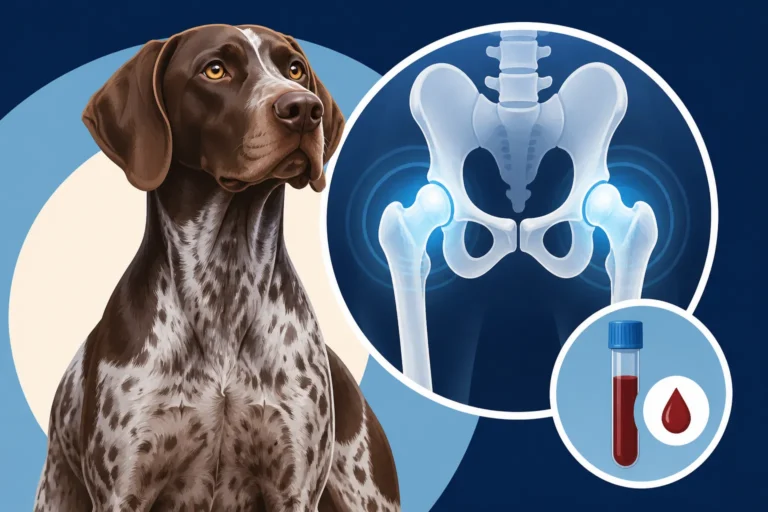
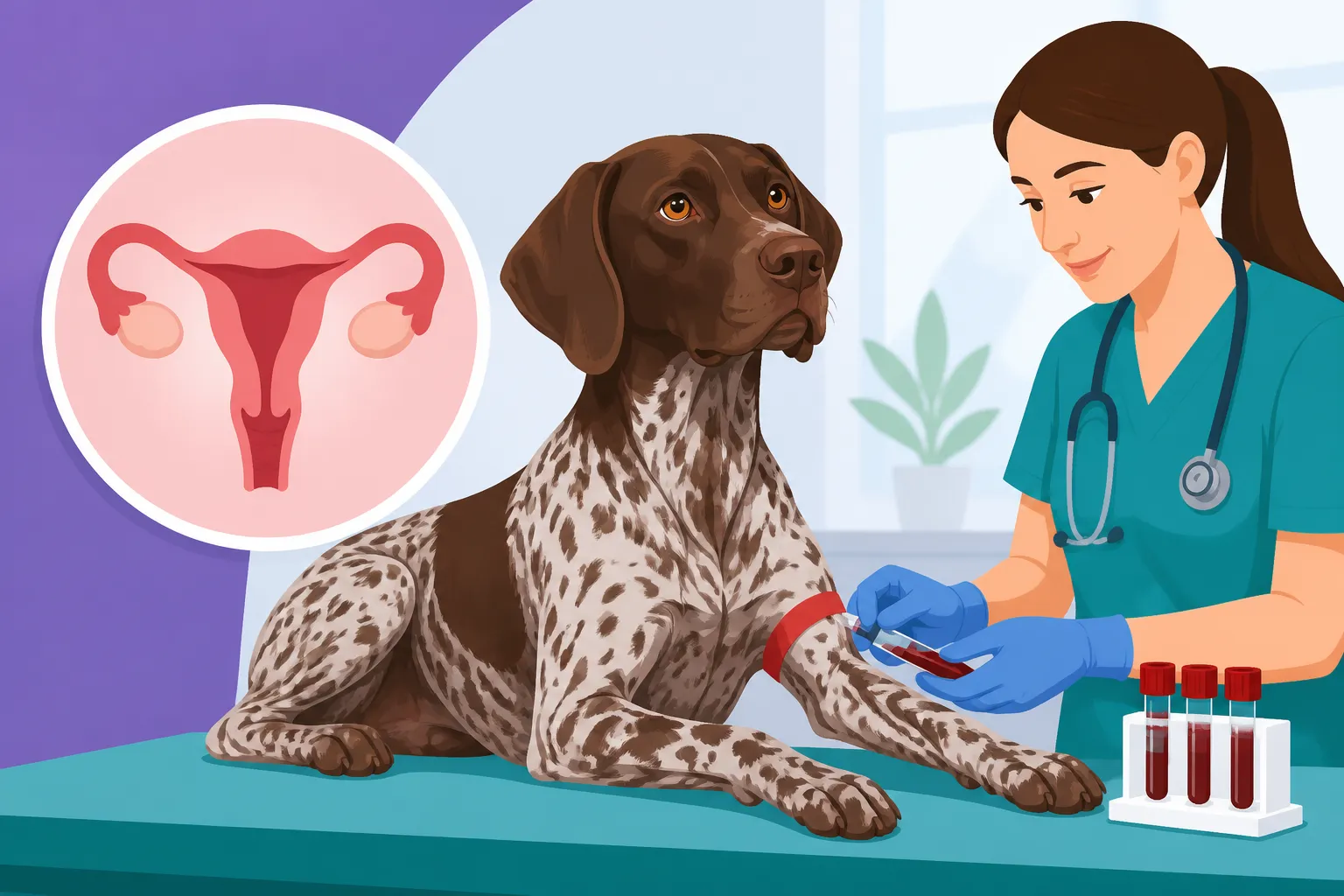
Your GSP might seem like the picture of health, full of boundless energy and always ready for the next adventure. However, many underlying health issues, particularly those affecting internal organs, don't show visible symptoms until they've progressed significantly. A German Shorthaired Pointer is a stoic breed, often powering through discomfort or minor ailments without letting on. Routine blood work can provide a comprehensive snapshot of her internal systems, flagging anything from subtle kidney or liver dysfunction to early signs of infection or anemia. These are things you simply can't tell by looking at her, no matter how observant you are.
For instance, a GSP might have a mild liver enzyme elevation that indicates her liver isn't processing toxins as efficiently as it should. If this isn't caught before surgery, the anesthetic drugs, which are metabolized by the liver, could pose a much greater risk. Similarly, an undetected kidney issue could mean her body struggles to excrete the medications. These hidden issues are precisely why those initial blood panels are invaluable; they turn guesswork into informed medical decisions, helping your vet tailor the safest possible anesthetic protocol for your individual dog.
Anesthesia Risk Assessment
Anesthesia is a significant concern for any pet owner, and rightly so. While modern veterinary anesthesia is incredibly safe, there are always inherent risks. This risk is amplified if your dog has an undiagnosed condition that affects how she processes medications, maintains blood pressure, or manages her heart rate. Pre-spay testing provides the critical data points needed to create an individualized anesthesia plan, minimizing potential complications.
For a breed as active and typically lean as a German Shorthaired Pointer, understanding their baseline physiology is paramount. Knowing their electrolyte balance, blood sugar levels, and organ function allows the veterinary team to choose the safest combination of pre-medication, induction agents, and anesthetic gases. It helps them anticipate and prepare for any potential adverse reactions, ensuring that your GSP wakes up comfortably and without incident. It’s all about giving her the best possible chance for a smooth, uneventful procedure.
Essential Pre-Spay Tests for German Shorthaired Pointers
When you bring your German Shorthaired Pointer in for her spay, your veterinarian will likely recommend a battery of tests. These aren't just generic checks; each one offers vital information that specifically impacts how your dog will fare under anesthesia and during recovery. Understanding what each test looks for can help you feel more confident in the process.
Complete Blood Count CBC
The Complete Blood Count, or CBC, is a foundational test that provides a wealth of information about the cellular components of your GSP's blood. It evaluates red blood cells, white blood cells, and platelets. Red blood cells are crucial for carrying oxygen throughout her body, which is essential during any surgery. If she's anemic, her ability to deliver oxygen to tissues might be compromised, increasing anesthetic risk.
White blood cells are the body's defense system. An elevated white blood cell count could indicate an undetected infection or inflammation, which would ideally be addressed before an elective surgery like a spay. Conversely, a very low count could signal an immune system issue. Platelets are tiny cells responsible for blood clotting. A low platelet count or dysfunctional platelets could mean your GSP is at a higher risk for excessive bleeding during or after the surgery. For a breed that can be quite energetic and sometimes prone to bumps and scrapes, having optimal clotting function is a definite plus for recovery.
Blood Chemistry Panel
A blood chemistry panel delves into the function of your GSP's major organs and her overall metabolic status. This panel typically includes tests for liver enzymes, kidney values (BUN and creatinine), glucose (blood sugar), and electrolytes. The liver and kidneys are vital for metabolizing and excreting anesthetic drugs, so ensuring they are functioning optimally is paramount for her safety. Abnormal values in these areas could necessitate adjusting the type or dosage of anesthetic agents used, or even postponing the surgery until the underlying issue can be managed.
For example, if your GSP has unexpectedly high kidney values, it might suggest early kidney disease that could be exacerbated by certain medications. Similarly, an abnormal glucose level could indicate an underlying metabolic disorder like diabetes, which needs careful management around surgery to prevent complications. Electrolyte imbalances, though less common, can impact heart function and overall stability during anesthesia. This panel truly gives your vet a window into her internal chemical balance, allowing them to anticipate and mitigate risks.
Coagulation Profile
While a CBC provides a basic platelet count, a dedicated coagulation profile takes things a step further by directly measuring how well your GSP's blood clots. This is an especially important consideration for German Shorthaired Pointers, as they are a breed known to have a higher incidence of certain inherited bleeding disorders, such as Von Willebrand Disease (vWD). For some GSPs, this can mean their blood takes longer to form clots, increasing the risk of hemorrhage during surgery.
A coagulation profile will typically assess clotting times, like prothrombin time (PT) and activated partial thromboplastin time (aPTT). If these times are prolonged, your vet might recommend specific precautions, such as administering clotting factors or fresh frozen plasma before or during the surgery to ensure proper hemostasis. Many vets might not routinely run a full coagulation profile for every breed before a spay, but given the GSP's genetic predisposition, discussing Von Willebrand Testing Before a German Shorthaired Pointer Is Bred as part of your pre-surgical workup is a very prudent step. Catching a bleeding disorder beforehand can literally be life-saving.
Beyond the Basics: Additional Considerations for GSPs
While the standard CBC and chemistry panels are crucial, there are times when your veterinarian might recommend additional tests or screenings for your German Shorthaired Pointer, especially given their breed-specific health considerations. These extra steps can offer even greater assurance for her surgical safety.
Cardiac Screening
German Shorthaired Pointers are generally robust, but heart conditions, even subtle ones, can sometimes be present from a young age. A thorough physical exam will always include auscultation of the heart, where your vet listens for murmurs or arrhythmias. If your vet detects any abnormality, or if your GSP has a history of fainting or exercise intolerance, further cardiac screening might be advised.
This could involve an electrocardiogram (EKG) to assess the electrical activity of the heart, or even an echocardiogram, which is an ultrasound of the heart, to visualize its structure and function. Conditions like Subaortic Stenosis in a Young German Shorthaired Pointer can affect GSPs, and an undiagnosed heart issue can significantly increase the risks associated with anesthesia. Catching The Heart Murmur a German Shorthaired Pointer Puppy Can Carry or other cardiac abnormalities beforehand allows your vet to consult with a veterinary cardiologist or adapt the anesthetic protocol to be as safe as possible for her specific condition.
Urinalysis and Thyroid Checks
A urinalysis is another valuable diagnostic tool that complements blood work by providing information about kidney function, hydration status, and the presence of infection or inflammation in the urinary tract. While not always mandatory for a routine spay, it can be particularly insightful for older GSPs or those with a history of urinary issues. It offers another layer of insight into her overall health, ensuring that all systems are go before surgery.
Thyroid checks, typically involving a T4 level, are often considered for middle-aged or senior GSPs. Hypothyroidism, where the thyroid gland doesn't produce enough hormones, is a condition that can affect German Shorthaired Pointers, often leading to symptoms like weight gain, lethargy, and coat changes. If your GSP shows any signs of Thyroid Failure in a Middle Aged German Shorthaired Pointer, or if she's past her younger years, a thyroid panel might be a wise addition to her pre-surgical workup. Anesthesia can put stress on the body, and ensuring optimal thyroid function helps her recover more smoothly. These proactive steps reflect a comprehensive approach to your GSP's long-term health.
Understanding the Costs and Your Options
Naturally, you want the best for your GSP, and that includes comprehensive pre-spay testing. However, it's also realistic to consider the financial aspect of these important diagnostics. Understanding the typical costs and how pet insurance can help can make the process less stressful.
What to Expect Financially
The cost of pre-surgical bloodwork for a German Shorthaired Pointer can vary quite a bit depending on your location, the specific veterinary clinic, and the comprehensiveness of the panel chosen. A basic pre-anesthetic panel, which typically includes a CBC and a basic chemistry panel, might range from $100 to $250. If more extensive testing is recommended, such as a full coagulation profile or thyroid check, the cost will increase accordingly. For example, a full diagnostic workup could run upwards of $300-$500 or more, especially if specialized cardiac screenings are needed.
It's always a good idea to discuss the exact costs with your vet clinic upfront. They should provide a detailed estimate for the spay procedure, including all recommended pre-surgical tests. Don't hesitate to ask for explanations of why each test is recommended; a good vet will be happy to walk you through it. Remember, these tests are an investment in your GSP's safety and well-being, helping to prevent potentially more expensive complications down the line.
Pet Insurance and Pre-approvals
This is where pet insurance can really shine as a valuable tool for proactive owners. Many pet insurance providers, including popular options like Healthy Paws, offer coverage for diagnostic tests, including pre-surgical bloodwork, provided the condition being investigated isn't pre-existing. It’s important to remember that most pet insurance policies do not cover routine wellness exams or elective procedures themselves, but they can help with unexpected findings during the pre-surgical screening process.
For instance, if your GSP's pre-spay bloodwork reveals a previously undiagnosed kidney issue that requires further investigation or treatment before surgery, your pet insurance might cover a significant portion of those diagnostic and treatment costs. Before scheduling any procedure, it's highly recommended to contact your insurance provider – whether it's Healthy Paws or another company – to understand exactly what your policy covers and if any pre-approvals are needed. Asking about Monthly Insurance Premiums on a German Shorthaired Pointer and what those policies actually entail before you need them can save you a lot of headache and financial strain. Planning ahead ensures you can make the best medical decisions for your German Shorthaired Pointer without added financial stress.
Here’s a quick overview of common pre-spay tests and what they offer:
| Test Type | What It Checks For | Why It's Important for a GSP |
|---|---|---|
| Complete Blood Count (CBC) | Red blood cells, white blood cells, platelets, hemoglobin | Screens for anemia, infection, inflammation, and basic clotting ability. Crucial for oxygenation and immune response. |
| Blood Chemistry Panel | Liver, kidney, glucose, protein, electrolytes | Assesses organ function for safe drug metabolism and excretion. Detects metabolic imbalances. |
| Coagulation Profile | Prothrombin Time (PT), Activated Partial Thromboplastin Time (aPTT), Fibrinogen | Directly measures blood clotting ability. Highly recommended for GSPs due to breed predisposition to bleeding disorders like vWD. |
| Urinalysis | Kidney function, hydration, urinary tract infection | Provides additional kidney insight, checks for hidden infections that could complicate recovery. |
| Thyroid Panel | Thyroid hormone levels (e.g., T4) | Important for older GSPs to rule out hypothyroidism, which can affect anesthetic response and recovery. |
| Cardiac Auscultation (Physical Exam) | Heart rate, rhythm, presence of murmurs | First line of defense for detecting heart abnormalities like The Heart Murmur a German Shorthaired Pointer Puppy Can Carry. |
Taking your GSP to the vet for The Vet Schedule a Working Shorthair Should Keep is always a good idea, and pre-spay testing is a perfect example of proactive health management. Ensuring your German Shorthaired Pointer is healthy from the inside out before any surgery, even a common one like a spay, is the best way to guarantee a safe outcome. It’s all part of loving and caring for these incredible dogs.
Disclaimer
The information provided in this article is for general informational purposes only and is not a substitute for professional veterinary advice. Always consult with a qualified veterinarian regarding your German Shorthaired Pointer's health and medical conditions, especially before making any decisions about surgical procedures or diagnostic testing. Individual needs and circumstances may vary.