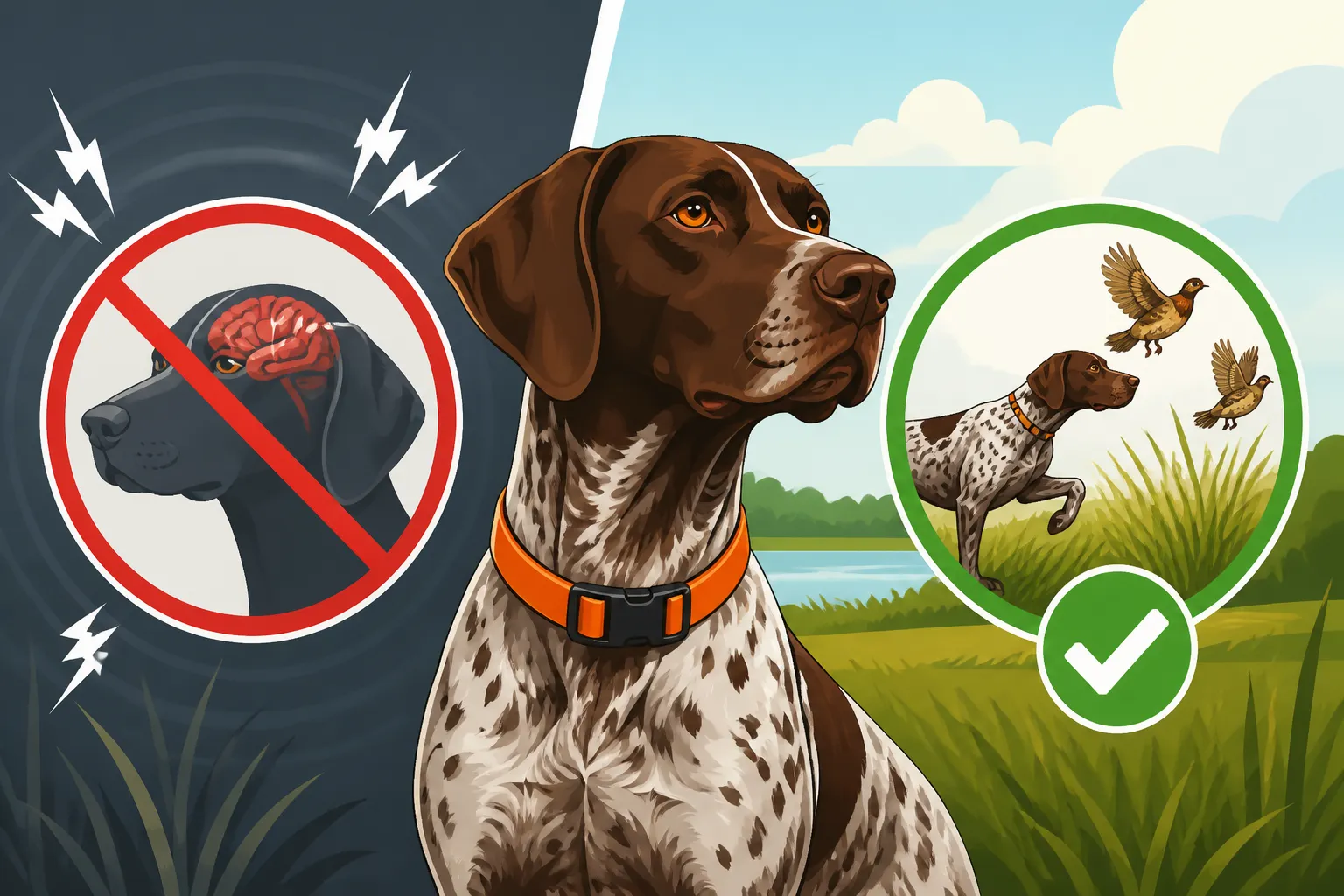
Whether an Epileptic Shorthair Can Keep Hunting
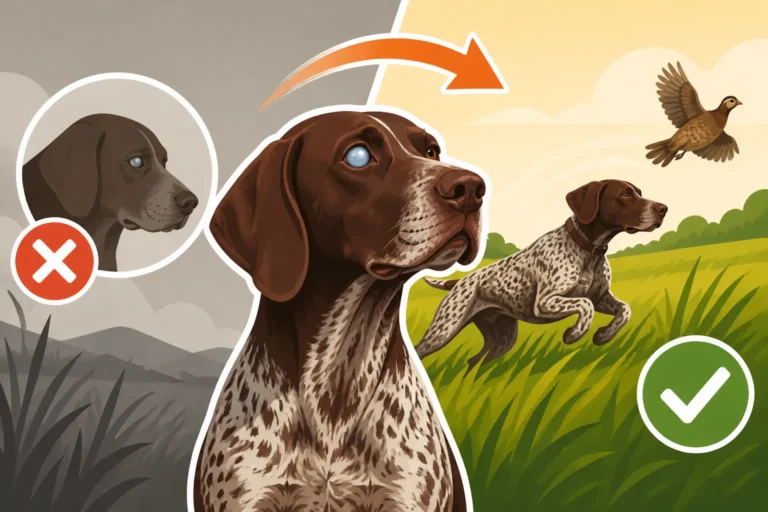
Discovering your beloved German Shorthaired Pointer has epilepsy can be a heartbreaking experience, especially when their entire world revolves around the field. That gnawing question, "Can my epileptic shorthair still hunt?" is a heavy one, and it’s natural to feel a mix of fear, hope, and uncertainty. This comprehensive guide will walk you through the complexities of managing epilepsy in an active GSP, helping you understand the condition, evaluate the risks, and make the best decisions for your cherished hunting companion's well-being and happiness.
Understanding Epilepsy in German Shorthaired Pointers
Epilepsy in dogs, just like in humans, is a chronic neurological disorder characterized by recurrent, unprovoked seizures. It's not a single disease but rather a group of conditions that lead to abnormal electrical activity in the brain. For a high-drive breed like a German Shorthaired Pointer, a diagnosis of epilepsy can feel particularly devastating, as their natural instincts are so tied to intense physical and mental exertion.
Recognizing Seizure Types and Triggers
Seizures aren't always the dramatic, full-body events we typically imagine. While those generalized or "grand mal" seizures are common, there are other types your GSP might experience. A generalized seizure often involves a sudden loss of consciousness, followed by stiffening, paddling motions of the limbs, drooling, vocalization, and sometimes loss of bladder or bowel control. These can be truly terrifying to witness. If you've never seen one, understanding What a Shorthair's Seizure Looks Like the First Time can prepare you for what to expect.
Focal or partial seizures, however, can be much more subtle. Your GSP might exhibit twitching in one part of their body, repetitive chewing or "fly-biting," staring blankly, or showing unusual, seemingly uncoordinated movements. They might remain somewhat aware during these episodes. The "post-ictal" phase, which follows any seizure, can be just as important. Your dog might be disoriented, temporarily blind, wobbly, extremely thirsty, or just exhausted. This period can last anywhere from a few minutes to several hours, and it's a critical time when they are vulnerable.
Understanding potential triggers is crucial. While epilepsy often strikes without a clear external cause, certain factors can increase the likelihood of a seizure in susceptible dogs. Stress and over-excitement, a sudden change in routine, intense physical exertion, lack of sleep, or even specific environmental stimuli like flashing lights can sometimes be culprits. Knowing What Sets Off a Shorthair's Seizures can help you identify and potentially mitigate these risks, especially when considering the demanding environment of a hunt.
Diagnosis and Medication Considerations
Diagnosing epilepsy isn't a straightforward process of a single test. Instead, it’s a diagnosis of exclusion. Your veterinarian will perform a thorough physical and neurological exam, and often recommend blood tests, urinalysis, and potentially more advanced diagnostics like an MRI of the brain or a spinal tap. This is all to rule out other possible causes of seizures, such as metabolic imbalances (like low blood sugar), toxins, infections, or structural brain abnormalities like tumors. Only after these other conditions are ruled out can a diagnosis of idiopathic (meaning the cause is unknown) epilepsy be made.
Once diagnosed, the primary goal of treatment is to reduce the frequency and severity of seizures, as well as the duration of the post-ictal phase, to improve your dog's quality of life. Epilepsy is typically managed with anticonvulsant medications. Common choices include phenobarbital, potassium bromide, zonisamide, and levetiracetam (Keppra). These medications don't cure epilepsy, but rather help stabilize the abnormal electrical activity in the brain.
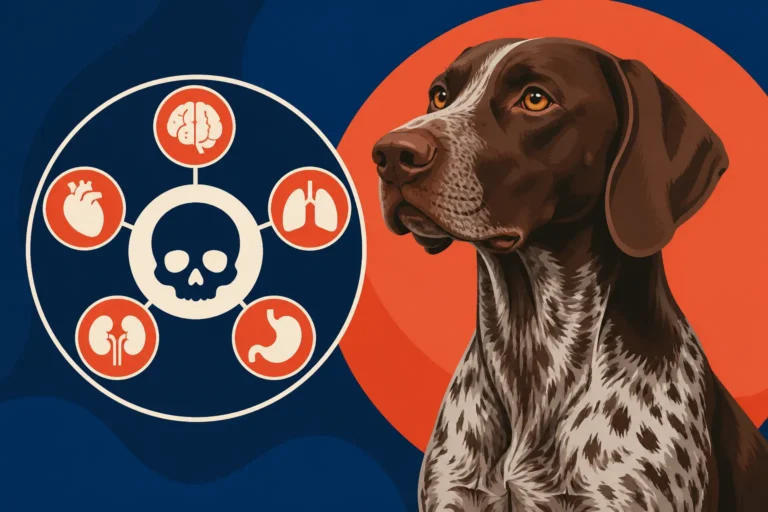
It’s important to understand that these medications come with potential side effects. Many anticonvulsants can cause sedation, increased thirst and appetite, and sometimes liver or kidney issues, necessitating regular blood monitoring. For a German Shorthaired Pointer, a breed known for its relentless drive and lean physique, these side effects can be particularly impactful. Sedation might mean a less enthusiastic hunt, increased thirst could lead to more frequent breaks, and weight gain could affect their agility and endurance. Consistent dosing is paramount; missing a dose can significantly increase the risk of a breakthrough seizure.
Evaluating Hunting Suitability with Epilepsy
The decision to continue hunting with an epileptic German Shorthaired Pointer is complex, weighing passion against profound risks. It requires honest assessment and a commitment to your dog's safety above all else.
Assessing Seizure Frequency and Severity
The first, and arguably most important, factor is the nature of your GSP's seizures. Are they infrequent and mild, perhaps occurring only once every few months and without significant post-ictal effects? Or do they experience frequent seizures, cluster seizures (multiple seizures within a 24-hour period), or severe grand mal episodes that leave them disoriented and vulnerable for extended periods?
A dog with well-controlled epilepsy, experiencing very rare and mild seizures, might still be considered for limited hunting activities, under strict supervision. However, if your GSP has frequent or severe seizures, the risks associated with hunting significantly escalate. Imagine a full-blown grand mal seizure in the middle of a dense pheasant field, far from immediate help, or worse, during a water retrieve. The unpredictable nature of a hunt – sudden bursts of activity, changes in scent, varied terrain, and weather fluctuations – could all act as triggers for a sensitive dog. A significant concern is the post-ictal phase; a disoriented GSP could easily become lost, injure themselves, or wander into dangerous situations like a road or a frozen pond.
Impact of Medication on Performance
As we discussed, epilepsy medications can have noticeable side effects. For a German Shorthaired Pointer, these aren't just minor inconveniences; they can directly impact their ability to perform safely and effectively in the field. Sedation, for instance, might dull their keen senses, reduce their explosive drive, or simply make them less interested in the hunt. A dog that's not fully "in the game" isn't just less effective; they're also at higher risk of injury due to reduced awareness.
Increased thirst and appetite are common side effects, which can mean your GSP needs more frequent water breaks, potentially disrupting the flow of a hunt and increasing the risk of dehydration if not meticulously managed. Weight gain, another possible side effect, can make a GSP less agile and increase strain on their joints, especially over rough terrain. Keeping a close eye on their overall health and performance during regular check-ups is vital. Your veterinarian will likely want to establish The Vet Schedule a Working Shorthair Should Keep to monitor both seizure control and the general health effects of long-term medication.
Safety Concerns in the Field
This is where the rubber meets the road. The safety of your epileptic German Shorthaired Pointer must be your absolute top priority, superseding any desire for them to continue hunting. A seizure in a hunting environment poses numerous dangers:
- Physical Injury: Your GSP could fall into a ditch, hit a tree, or even fall from a high bank during a seizure, leading to severe physical trauma.
- Drowning: If a seizure occurs while swimming or during a water retrieve, the risk of drowning is incredibly high.
- Getting Lost: The disorientation of the post-ictal phase can cause your dog to wander off, unable to find their way back to you, especially in unfamiliar or dense cover.
- Environmental Hazards: A seizing or disoriented dog could stumble into barbed wire, onto a road, or into poisonous plants.
- Interaction with Other Dogs/People: While rare, a dog experiencing a seizure might inadvertently injure another dog or person if they thrash unexpectedly.
Considering these severe risks, it's essential to have a robust emergency plan in place if you do decide to continue hunting. This includes carrying emergency contact information, knowing how to provide basic first aid, and having a way to safely transport your dog if a seizure occurs. Be aware that emergency veterinary care can be costly. While we all hope to avoid it, accidents happen in the field, and knowing your financial options, such as pet insurance, can offer immense peace of mind. Services like Healthy Paws can provide critical support when unexpected medical needs arise. Understanding The Bill When a Shorthair Torsions Mid Season, for example, can give you an idea of the kind of emergency costs you might face, which a good insurance plan could help mitigate.
Managing Epilepsy for an Active Shorthair
If, after careful consultation with your vet and a thorough risk assessment, you decide that limited hunting or other strenuous activities are still possible for your epileptic GSP, proactive management and constant vigilance are key.
Working Closely with Your Veterinarian
Your veterinarian, and potentially a veterinary neurologist, will be your most important allies. Regular check-ups are non-negotiable, not just to refill prescriptions but to continuously assess seizure control, monitor for side effects, and check organ function (especially liver and kidneys, which process many anticonvulsants). Don't hesitate to ask questions about your GSP's energy levels, thirst, appetite, and any subtle behavioral changes you observe.
Maintaining open communication is critical. Be meticulously detailed in keeping a seizure log: date, time, duration, type of seizure, potential triggers, and duration of the post-ictal phase. This information is invaluable for your vet to adjust medication dosages and fine-tune the treatment plan. If your GSP's seizures are particularly difficult to control, or if side effects are severe, your vet might recommend a referral to a veterinary neurologist, a specialist who can offer more advanced diagnostic and treatment options. Remember, ongoing care for a chronic condition like epilepsy can accumulate, so exploring options like pet insurance from providers such as Healthy Paws early on can be a wise financial decision, helping manage costs for consultations, medications, and any potential emergency interventions. Reviewing Monthly Insurance Premiums on a German Shorthaired Pointer can help you budget for this essential support.
Adapting Training and Hunting Routines
Should hunting still be considered safe, significant adaptations to your routine are paramount. First and foremost, the intensity and duration of hunts must be reduced. Instead of full-day excursions, opt for shorter, lower-stress outings in familiar, less hazardous terrain. Avoid extreme weather conditions, as heatstroke or hypothermia can exacerbate stress and potentially trigger seizures.
Always hunt with a trusted companion who is fully aware of your GSP's condition and knows what to do if a seizure occurs. Constant monitoring is crucial; watch for any subtle signs of fatigue, stress, or unusual behavior that might precede a seizure. This means taking more frequent breaks, offering water often, and being ready to call it a day at the first hint of trouble. For dogs on medication that causes increased thirst, always carry ample water and a bowl, even for short walks.
A GPS tracking collar is an absolute must. If your GSP does have a seizure and becomes disoriented, a reliable GPS device can be the difference between a quick recovery and a heartbreaking search. While your GSP may still have the drive to hunt, their overall physical conditioning needs to be carefully managed. Integrate periods of rest into their routine and ensure they get adequate, but not overbearing, exercise. If you are concerned about conditioning, consider adjusting their daily activities. For example, explore Exercise a Shorthair Needs Before a Work Day for ideas on balancing their high energy with their health needs.
Support and Monitoring in the Field
Taking an epileptic GSP into the field requires a comprehensive support system. You should never hunt alone. Your hunting partners need to be fully briefed on your dog's epilepsy, what to do if a seizure happens, and how to assist. Carry a small, easily accessible emergency kit containing any prescribed rescue medications (like rectal diazepam), your vet's contact information, and perhaps even a small blanket for warmth or to cushion your dog if they seize. Knowing basic canine first aid, including CPR, is always a good idea for any hunting dog owner, but it's particularly vital here.
The mental and emotional toll on an owner managing an epileptic hunting dog is significant. The constant worry, the need for hyper-vigilance, and the stress of potential emergencies can be draining. It's important to acknowledge these feelings and seek support if needed. Joining online forums or local groups for owners of epileptic dogs can provide a sense of community and shared experience. You might also want to look into how pet insurance, like Healthy Paws, specifically addresses coverage for chronic conditions and emergency care, as understanding Whether a Policy Covers a Shorthair's Hunting Injuries could be a vital part of your preparation. Ultimately, being prepared to immediately abort a hunt at the slightest sign of distress or an impending seizure is a testament to your commitment to your dog's welfare.
Prioritizing Quality of Life and Alternative Activities
The bond with a German Shorthaired Pointer is incredibly strong, especially when you share the thrill of the hunt. However, there may come a time when you have to make the toughest decision for their well-being.
When to Hang Up the Whistle
This is the most heartbreaking conversation to have, but it’s one that must be considered with unwavering honesty and love for your dog. There are clear indicators that hunting, or even intense physical activity, is no longer safe or humane for an epileptic GSP. These include:
- Increased Seizure Frequency: Despite medication adjustments, if seizures become more frequent or difficult to control, the risks in the field become too high.
- Severe Post-Ictal Effects: If your dog experiences prolonged disorientation, temporary blindness, or severe weakness after a seizure, putting them in a challenging environment like a field or dense cover is irresponsible.
- Intolerable Side Effects: If medication causes such severe sedation, balance issues, or other debilitating side effects that your dog's quality of life is compromised even outside of hunting, it’s a sign.
- High-Risk Environment: If your hunting grounds are particularly treacherous (e.g., steep ravines, fast-moving water, heavy traffic areas), the danger amplifies.
It's natural to grieve the loss of that shared activity, that connection in the field. Your GSP has been your partner, and this decision is immensely difficult. But remember, your primary responsibility is their comfort, safety, and overall happiness. Sometimes, the most loving choice is to protect them from potential harm, even if it means changing the traditions you once shared. For some owners, Knowing When an Old Shorthair Has Had Enough can offer a philosophical framework for making these difficult, end-of-an-era decisions, even when the dog isn't "old" in years, but rather in capability due to health.
Alternative Enrichment for an Epileptic Shorthair
A German Shorthaired Pointer is a dynamo, hardwired for work and activity. Even if hunting is off the table, their need for mental and physical stimulation doesn't disappear. The key is to find enriching activities that are safe, predictable, and low-stress.
Here are some excellent alternatives:
- Scent Work and Nose Games: GSPs have incredible noses. Activities like K9 Nose Work or simple hide-and-seek games with treats or toys can provide immense mental stimulation without intense physical exertion. It taps into their natural instincts in a controlled environment.
- Obedience and Trick Training: Continuing obedience training, teaching new tricks, or working towards a Canine Good Citizen (CGC) title can keep their minds sharp and reinforce your bond. The focus on positive reinforcement and clear commands creates a predictable, confidence-building environment.
- Controlled Exercise: Regular, leashed walks or hikes in familiar, safe parks or trails are excellent. Avoid off-leash running in unpredictable areas. Supervised swimming in calm, shallow water can be a great low-impact exercise, but ensure constant vigilance. If they enjoy it, a controlled activity like Running a Shorthair Beside a Bike Safely could be an option, provided they are well-trained and you can maintain absolute control.
- Puzzle Feeders and Chews: Engaging their minds during mealtime with puzzle feeders or providing safe, long-lasting chews can help satisfy their drive and prevent boredom.
- Consistent Routine: Maintaining a consistent daily schedule for feeding, walks, and playtime can help reduce stress and may contribute to better seizure control. Ensuring they are not overly stressed when alone is also important; consider how The Hours a Shorthair Tolerates an Empty House might need adjustment to prevent anxiety.
The goal is to channel your GSP's intelligence and energy into activities that enrich their life without putting them at undue risk. You're not "retiring" them; you're simply adapting to their new needs and finding new ways to celebrate their spirit and drive in a safe and loving manner.
Disclaimer
This article is intended for informational purposes only and does not constitute veterinary medical advice. Always consult with a qualified veterinarian regarding any health concerns or before making any decisions about your German Shorthaired Pointer's care, especially concerning epilepsy management and participation in strenuous activities like hunting. Individual cases of epilepsy can vary greatly, and professional veterinary guidance tailored to your dog's specific condition is essential.