Running a Shorthair Beside a Bike Safely
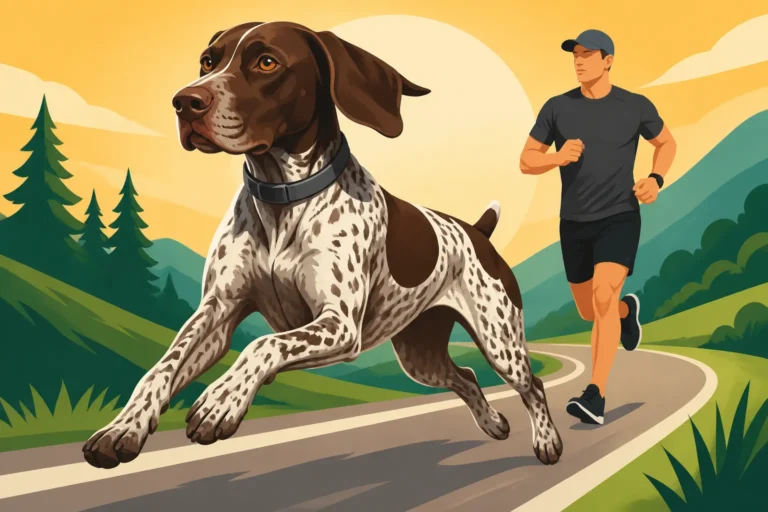
It’s a familiar sight: your German Shorthaired Pointer, bursting with energy even after a long walk, eyes bright with an unspent eagerness to go. You might look at your bicycle, then back at your dog, and think, "What a perfect pairing! This has to be the answer to all that boundless energy." And you’re not wrong – biking can be an incredible way to exercise a GSP, allowing them to stretch out into that magnificent trot they were bred for. But let me tell you, it's not as simple as hopping on and letting them pull. There are real risks, from paw injuries to overheating, that can turn a fun outing into a trip to the emergency vet. This guide is here to walk you through how to safely and effectively integrate bikejoring, or just biking alongside, into your GSP's exercise routine, making sure both of you stay happy and healthy on the trail.
Why Biking with Your German Shorthaired Pointer is Appealing and Challenging
The German Shorthaired Pointer is a marvel of canine athleticism, bred for hours of tireless work in the field. When you bring one into your home, you're not just getting a pet; you're adopting an Olympic athlete in fur, and they need an outlet for that incredible drive. Biking seems like a natural fit, offering a speed and endurance challenge that few other activities can match.
The Shorthair's Insatiable Need for Speed
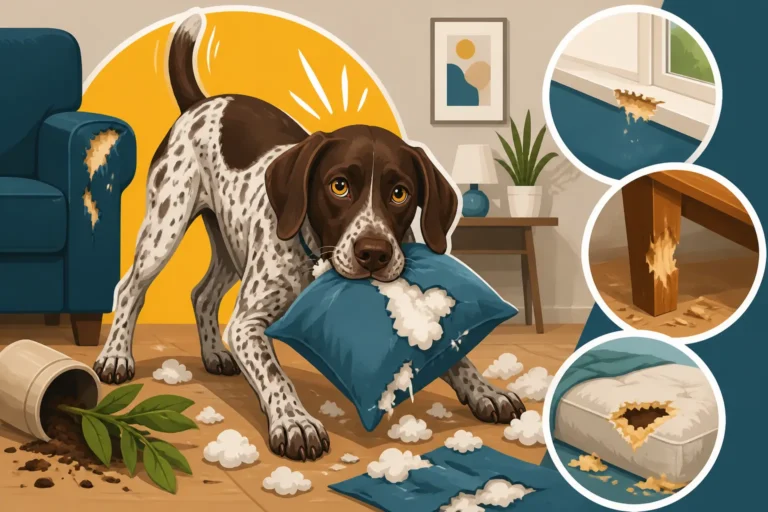
Let's be real, a quick stroll around the block just isn't cutting it for a GSP. These dogs were literally engineered to cover vast amounts of ground, pointing and retrieving game for hunters who spend full days afield. Their long legs, deep chests, and powerful musculature are all designed for sustained speed and endurance. When they don't get that physical release, that pent-up energy often manifests in ways we owners find… less than ideal. We’re talking about incessant barking, destructive chewing, digging craters in the yard, or developing anxiety. It's not because they're "bad dogs"; it's because their hardwiring is screaming for a job to do, for miles to be logged. Biking offers a chance to tap into that inherent need, allowing them to run at a pace that truly tires them out, engaging both their bodies and their minds. It's a fantastic way to meet their demand for speed and distance, which a human on foot simply can't always match. For more on what these energetic dogs need, check out The Two Hours a Day a German Shorthaired Pointer Needs.
Often, owners come to me, frustrated that their walks or even long runs aren't enough. "He's still bouncing off the walls!" they'll exclaim. And it’s true. A GSP might easily run five miles and still have plenty left in the tank. The sustained, steady pace you can achieve on a bike provides a different kind of workout than stop-and-go running or playing fetch. It engages their entire body in a rhythmic motion, mimicking the steady hunt and cover-searching they were bred for. This kind of exertion can lead to a truly satisfied, calm dog at the end of the day, which is what every GSP owner dreams of. It allows them to truly stretch out their stride, feeling the wind in their short coats, pushing their limits in a way that’s incredibly fulfilling for them.
The Hidden Dangers of Roadwork for Paws and Joints
While the appeal is undeniable, putting a GSP on a bike means introducing them to surfaces and strains they might not encounter during typical field work. Hard surfaces like asphalt and concrete are a particular concern. Your dog's paw pads are tough, but they're not indestructible. Imagine running barefoot on hot pavement for miles – that's what your dog is doing. The friction and heat can quickly cause blisters, abrasions, or even severe burns. Even on cooler days, the constant impact on hard surfaces can take a toll on their joints, especially their hips and elbows, areas where German Shorthaired Pointers can be prone to issues like dysplasia. This repetitive strain, particularly at speed, can exacerbate existing conditions or contribute to new ones over time.
Beyond paw damage and joint stress, there's the very real danger of debris. A shard of glass, a sharp rock, or even a persistent foxtail can cause a nasty injury that sidelongs your dog for weeks. Unlike us with our shoes, their paws are directly exposed to whatever the road or trail throws their way. It’s crucial to understand that while their athleticism is impressive, it doesn’t grant them immunity from the physics of repetitive motion on unforgiving ground. Ignoring these risks isn't just negligent; it can lead to chronic pain and expensive vet bills, curtailing your GSP's active life prematurely. You want your GSP to stay sound for as long as possible, so understanding these risks is paramount.
Essential Gear for Safe Bikejoring with Your GSP
Before you even think about putting pedal to the metal with your GSP trotting alongside, you need to assemble the right equipment. This isn't just about comfort; it's about safety for both you and your dog. Trying to make do with a regular collar and leash is a recipe for disaster, potentially leading to injuries or even loss of control.
Specialized Harnesses and Leads
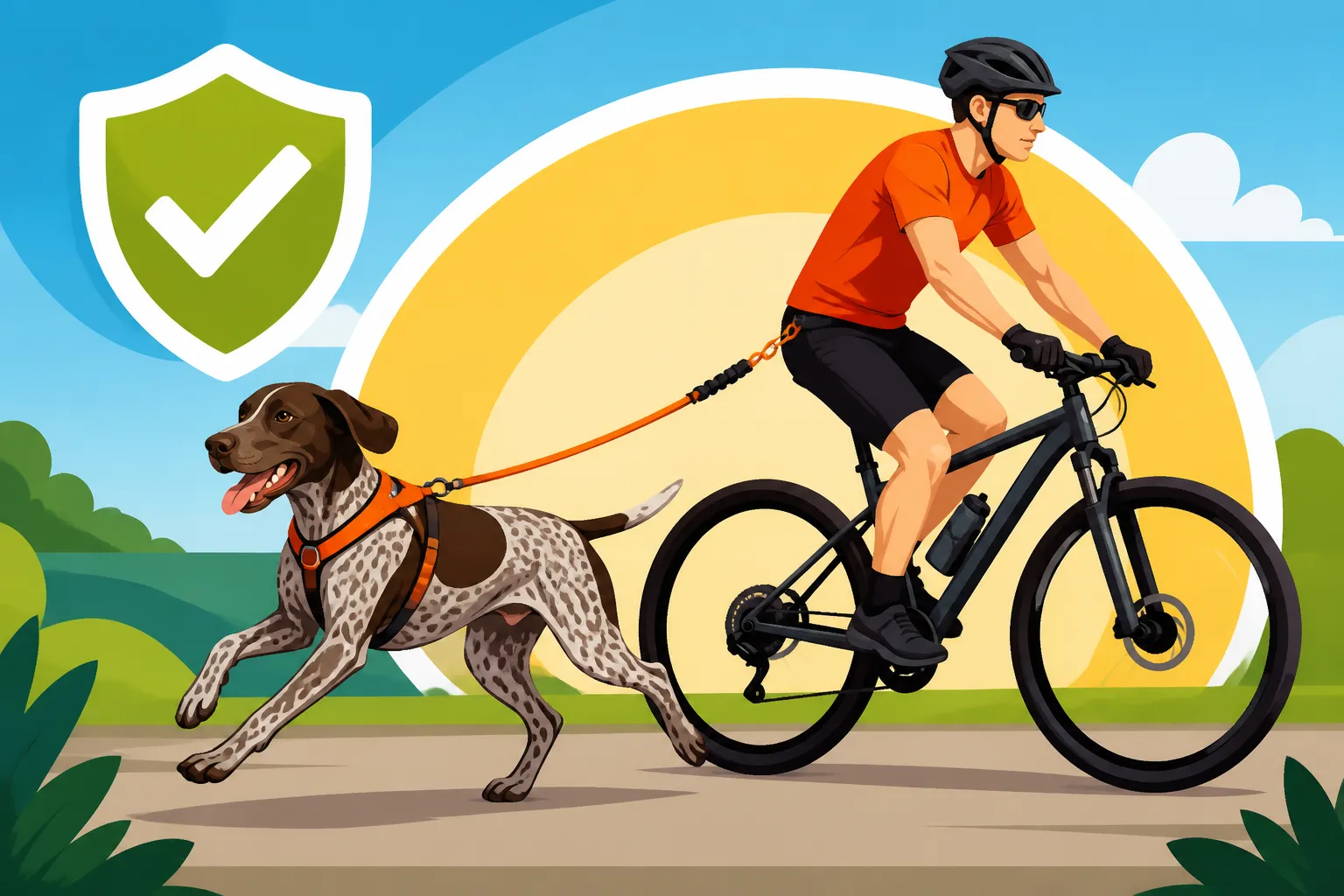
Forget the neck collar for biking. A sudden pull could cause severe neck injury to your dog or yank you off your bike. Instead, you need a specialized harness that distributes pressure evenly across their chest and shoulders, allowing them to pull comfortably and breathe freely. An X-back or H-back harness, often used for dog mushing or canicross, is ideal. These are designed to allow full range of motion while minimizing strain on their body. Look for durable, padded materials that won't chafe.
When it comes to leads, a strong, bungee-style lead is non-negotiable. This isn't your everyday walking leash. The bungee section absorbs shocks from sudden pulls or changes in pace, preventing jarring motions for both you and your dog. Standard leashes create abrupt jerks that can damage your dog's neck, back, or your own arms, and can easily cause you to lose control of the bike. These specialized leads also typically have a quick-release mechanism for emergencies. You can find a good selection of these on platforms like Amazon, offering various lengths and strengths suitable for a powerful dog like a German Shorthaired Pointer. Make sure whatever you choose is designed for active pulling, not just casual walks.
Bike Attachments and Safety Devices
A hands-free bike attachment is absolutely crucial. Never, and I mean never, try to hold a leash in your hand while biking with a German Shorthaired Pointer. One sudden dart after a squirrel, and you’ll be meeting the pavement face-first. These attachments, sometimes called bikejoring arms or springer attachments, typically consist of a spring-loaded rod that extends from your bike frame, keeping the lead away from your wheels and pedals. The spring action also helps absorb some of the tugs, further protecting both you and your dog. They allow your dog to pull steadily without interfering with your steering or balance.
Beyond the actual pulling mechanism, think about visibility. Your dog is low to the ground and can be hard to see, especially in low light conditions or if they blend with the surroundings. Outfit both yourself and your GSP in reflective gear. A reflective vest for your dog, or a collar with integrated LED lights, can be a lifesaver. Ensure your bike has proper lights – a bright headlight and taillight – for any rides that might extend into dusk or dawn. These simple additions can drastically reduce the risk of accidents with vehicles or other trail users.
Paw Protection and Hydration Solutions
As we discussed, paw injuries are a significant concern. Investing in good quality dog boots is a smart move, especially for rides on rough terrain, hot pavement, or in cold, icy conditions where salt and chemicals can be present. Look for boots that are durable, breathable, and fit snugly enough not to fall off but not so tight that they restrict circulation. Brands like Ruffwear or Pawz are popular choices. Even with boots, it's wise to carry paw wax for extra protection or for emergency use if a boot comes off or tears. Regularly inspect your GSP's paws before and after every ride, looking for cuts, cracks, or excessive wear. Toughening a Shorthair's Pads Over the Summer is an excellent resource for preparing their feet.
Staying hydrated is just as important for your GSP as it is for you, especially during strenuous activity. A German Shorthaired Pointer, burning calories and pushing hard, can easily become dehydrated. Always carry more water than you think you’ll need. A collapsible dog bowl or a portable dog water bottle that allows them to drink easily on the go are essential. Plan your routes to include water stops if possible, but never rely solely on finding natural water sources, as they may be contaminated or dry. Remember, a dehydrated dog is a tired dog, and a tired dog is at a higher risk for injury. Electrolytes for a German Shorthaired Pointer in the Field can also be beneficial on longer, hotter rides.
Training Your GSP for Bike Readiness
Getting your German Shorthaired Pointer to run alongside a bike isn't just about attaching them to a piece of equipment; it's about developing a sophisticated set of obedience cues and a deep understanding between you and your dog. This takes patience, consistency, and a methodical approach. Skipping steps here can lead to frustration, accidents, or even a dog that develops a negative association with biking.
Building Foundational Obedience and Cues
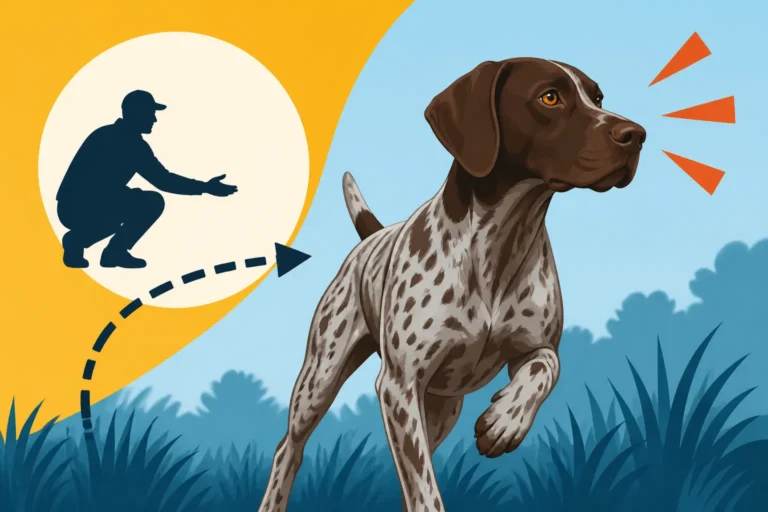
Before your GSP even sees the bike in motion, they need a rock-solid foundation of obedience. Commands like "sit," "stay," and "come" are paramount. But for biking, you'll need a few more specialized cues. "Whoa" is critical – this means stop and stay put, no matter what. It’s their emergency brake. Whoa and Why Every Shorthair Starts There dives deep into this vital command. They'll also need to understand "leave it" to ignore distractions like squirrels, birds, or even other dogs they might encounter. "Right" and "left" cues are incredibly helpful for navigating turns without cutting you off or pulling you into a ditch. And "on by" teaches them to continue past a distraction without stopping or veering.
Start practicing these commands on foot, in a controlled environment, long before the bike comes out. Use high-value treats and positive reinforcement to make these commands second nature. A German Shorthaired Pointer is smart and eager to please, but their prey drive can be intense. Consistency is key. Consider enrolling in an online training program, like those offered by BAXTER & Bella, which often provide structured lessons for advanced obedience and dog sports. Building this strong communication foundation ensures that when you're moving at speed, your verbal cues are instantly understood and obeyed, keeping both of you safe.
Gradual Introduction to the Bike and Movement
This isn't a race to get them pulling. The first step is simply introducing your GSP to the bike itself. Let them sniff it, investigate it, and get comfortable with its presence while it's stationary. Associate the bike with positive experiences – treats, praise, gentle petting. Once they're calm around the static bike, start walking with the bike, with your dog on a leash, walking beside you. Don't ride yet; just push the bike. This helps them get used to the sounds and movements of the bike as a "third party" companion, not something to fear or pull.
As they become comfortable walking calmly beside the bike, you can gradually transition to mounting the bike and pushing off for very short distances, still at a slow walk or very gentle pedal. Your dog should remain calm and focused on moving forward with you. Keep initial sessions brief and positive. The goal is to build their confidence and establish the routine: when the bike comes out, we walk/run together. This slow, systematic approach prevents fear or over-excitement, which can lead to erratic behavior when speed is introduced. Remember, this is a partnership, and mutual trust is built through these gradual steps.
Mastering the Art of Pace and Direction
Once your GSP is comfortable walking beside the bike, you can slowly introduce a steady trot. Start on flat, even terrain, like a quiet park path or an empty field. Begin with short bursts, giving your "forward" or "hike" command, and praising them for maintaining a consistent pace. Your goal is for them to understand that their job is to run smoothly alongside or slightly in front of the bike, maintaining tension on the lead without lagging or pulling excessively. Use your voice and body language to encourage them.
Teaching directional cues ("left," "right") will require repetition and often starting on foot. When you approach a turn, give the command a moment before you actually turn, reinforcing with praise as they correctly anticipate and execute. For pace control, praise slow, steady trots and use a gentle verbal cue or body language to encourage them to speed up or slow down with you. Never force the pace; let them set a comfortable working speed. If you feel them lagging or breathing heavily, it's time for a break. These dogs are powerful, but they still need to learn the nuance of working with a moving vehicle. Mastering these aspects allows for a harmonious and safe experience for both of you, making complex trails navigable and enjoyable.
Planning Your Routes and Environmental Considerations
Biking with your German Shorthaired Pointer is about more than just the gear and the commands; it's about choosing the right environment and being mindful of external factors. A poorly chosen route or ignoring weather conditions can quickly turn an enjoyable outing into a dangerous situation.
Choosing Safe Surfaces and Terrain
The type of surface you bike on is paramount for your GSP's paw health and joint longevity. Hard surfaces like asphalt and concrete, while convenient, are harsh. They don't offer much shock absorption, meaning every stride jars your dog's joints and grinds their paw pads. Over time, this can lead to arthritis, lameness, and chronic pain. On hot days, asphalt can reach scorching temperatures, easily burning sensitive paw pads. Imagine touching your hand to the pavement – if it's too hot for you to hold your hand there for five seconds, it's too hot for your dog's paws.
Prioritize soft, natural surfaces whenever possible. Dirt trails, well-maintained gravel paths, grassy fields, or even woodchip trails are much gentler on their bodies. These surfaces provide better traction and cushioning, reducing impact and wear on their paws. When selecting trails, also consider the presence of sharp rocks, thorny bushes, or other debris that could injure their feet or body. Avoid areas with heavy pedestrian or vehicle traffic, as distractions can be dangerous, and you need space for your dog to work safely. A wide, relatively clear path is always best. A quick check of the local park systems or dedicated multi-use trails can often yield excellent options.
Weather Wisdom and Timing Your Rides
German Shorthaired Pointers have short coats, which is great for staying cool in warm weather, but they also have very little insulation in the cold. More importantly, their high metabolism and drive mean they generate a lot of internal heat during exercise. Overheating is a serious risk, especially for a GSP pushing hard during a bike ride. Avoid riding in temperatures above 65-70°F, particularly if humidity is high. Early mornings or late evenings are often the safest times during warmer seasons, but even then, monitor your dog closely. Heat Exhaustion in an Early Season Shorthair is an important read on this topic.
In colder weather, while they generate heat, they can still get cold if they stop for too long or if it's exceptionally frigid, especially if wet. Consider a light vest if temperatures dip. Rain can also be a factor; wet fur and cold temperatures increase the risk of hypothermia. Always check the forecast and err on the side of caution. A fun ride isn't worth risking your dog's health. Timing your rides thoughtfully, according to the weather, ensures a safe and comfortable experience for your dedicated companion.
Recognizing Your Dog's Limits and Fatigue Signals
Your GSP is likely to push themselves beyond their limits for you, especially if they’re enjoying the run. It’s your responsibility to recognize when they're getting tired or showing signs of discomfort. Watch for subtle cues: lagging slightly behind, increasing panting that seems labored, changes in their gait (a slight limp or stiffness), or a decrease in their usual enthusiasm. Their tongue might hang out further, their ears might be lower, and their eyes might lose some of their sparkle. If you see any of these signs, stop immediately.
Never force your GSP to continue if they're showing signs of fatigue. Over-exercising can lead to serious injuries like torn muscles, stress fractures, or even heat stroke. Take frequent breaks for water, especially on longer rides. After the ride, check their paws for wear, their legs for swelling, and their overall demeanor for unusual quietness or stiffness. A tired but happy GSP should still be able to get up and move around without obvious pain. If you notice persistent lameness or reluctance to move, consult your vet. They are athletes, but like all athletes, they are susceptible to injury, and a keen eye from you can prevent a small issue from becoming a major one. For more information, look at Reading a German Shorthaired Pointer's Stress Signals.
Common Challenges and Troubleshooting
Even with the best preparation, things can go awry when you're out on the trail with a high-drive dog and a bicycle. Being prepared for common challenges can help you react calmly and effectively, keeping both you and your German Shorthaired Pointer safe.
Distraction Management: Birds, Squirrels, and Other Dogs
One of the biggest hurdles when biking with a GSP is their inherent prey drive. That flash of a squirrel, the scent of a bird, or even another dog walking by can trigger an instinctual chase response. This sudden surge can easily pull you off your bike or cause a tangled mess with the lead. This is where your foundational "leave it" and "on by" commands become absolutely critical. You need them to be so ingrained that your dog responds immediately, even with a strong distraction in sight.
Practice in progressively more distracting environments. Start in a quiet area, then move to a park where squirrels are visible but not right next to you, and gradually introduce other dogs at a distance. Reward heavily for successful disengagement. If your GSP is particularly reactive, consider carrying extra high-value treats to snap their focus back to you. Sometimes, a quick change of direction or a sharp "whoa" can break their fixation. Remember, prevention is better than reaction. If you know a certain area is teeming with wildlife, or if you see another dog approaching, be proactive: tighten your lead slightly, give a preparatory command, and be ready to reinforce their good behavior. The goal is to teach them that the most rewarding path is to stay with you, regardless of what else is happening around them.
Equipment Malfunctions and Unexpected Detours
Gear fails. It's a fact of life, especially with active sports. A harness buckle could snap, a bungee lead could fray, or your bike's tire could go flat. Always carry a small repair kit for your bike (patch kit, mini pump) and a spare leash. Knowing how to quickly disconnect your dog from the bike in an emergency is vital. Practice the quick-release mechanism on your bikejoring attachment so it's second nature. If a piece of equipment fails, stop immediately, secure your dog, and assess the situation. It’s better to cut a ride short and walk home than to risk injury because of faulty gear.
Unexpected detours or obstacles are also a given on trails. A fallen tree, a muddy patch, or a sudden closure can force you to change your plans. Your GSP needs to be flexible enough to navigate these changes with you. Use your directional cues, and teach them to "wait" or "over" to clear obstacles. Being aware of your surroundings and scanning ahead will give you time to react. If the path becomes too narrow or dangerous, dismount and walk. Remember, your dog trusts you to keep them safe, so making smart decisions for their well-being is paramount, even if it means altering your planned route.
Handling Collisions and Injuries
Despite all precautions, accidents can happen. Whether it's a minor stumble, a collision with another trail user, or a more serious injury, knowing how to respond is key. Always carry a basic first-aid kit for both yourself and your dog. For your GSP, this should include antiseptic wipes, gauze, vet wrap, medical tape, tweezers (for thorns or splinters), and perhaps some dog-safe pain relief (consult your vet about this beforehand). Knowing how to clean and dress a minor wound can prevent infection and allow you to get home safely.
In case of a more severe injury – a deep cut, a suspected fracture, or signs of heat stroke – your immediate priority is to stabilize your dog and get veterinary attention as quickly as possible. Have your vet's number, and the number for the nearest emergency vet clinic, programmed into your phone. Know your location well enough to direct emergency services if necessary. If your dog is in pain, they might be defensive; approach them calmly and gently. Always have a plan for how you would transport an injured GSP back to your vehicle or to help, especially if you're far from home. A strong, easily carried sling or blanket can be useful. While we hope these situations never arise, being prepared can make all the difference. Field Injuries a Hunting German Shorthaired Pointer Comes Home With provides further insight into managing such events.
Bikejoring Safety Checklist for German Shorthaired Pointers
To help you remember all the critical steps for a safe and enjoyable bikejoring experience with your GSP, here's a handy checklist you can run through before every ride. This covers everything from equipment to environmental considerations, ensuring you're both prepared for the adventure ahead.
| Category | Item | Check (Y/N) | Notes |
|---|---|---|---|
| Dog's Health | Hydrated and rested? | No recent large meals (bloat risk), not overly tired from previous day. | |
| Paws checked (no cuts/cracks)? | Apply paw wax if needed. | ||
| Overall health check (no lameness/pain)? | If unsure, skip the ride. | ||
| Equipment – Dog | Proper fitting pulling harness? | X-back or H-back recommended. | |
| Bungee lead with quick release? | Attached securely to harness and bike attachment. | ||
| Dog boots (if needed)? | Securely fitted, no rubbing. | ||
| Reflective vest/lights? | For low light conditions. | ||
| Equipment – Rider | Bike in good working order? | Brakes, tires, chain, gears checked. | |
| Bikejoring attachment secured? | Free from wheels, no obstruction. | ||
| Helmet worn? | Your safety is important too! | ||
| Reflective gear/lights? | For your visibility. | ||
| Water for dog (and you)? | Portable bowl/bottle. | ||
| First-aid kit (dog & human)? | Basic supplies for minor injuries. | ||
| Cell phone (charged) & emergency numbers? | For communication in case of an incident. | ||
| Environmental | Weather conditions appropriate? | Not too hot, cold, or humid. | |
| Route chosen (safe surface, low traffic)? | Natural surfaces preferred, avoid busy roads. | ||
| Time of day suitable? | Avoid peak heat/traffic. | ||
| Mental Prep | Commands fresh in dog's mind? | Quick review of "whoa," "leave it," "right," "left." | |
| Your focus on the dog and trail? | Minimize distractions for yourself. |
This checklist is designed to be a quick reference, ensuring you’ve thought through the most critical aspects of a safe bike ride with your incredible German Shorthaired Pointer. Enjoy the ride, knowing you've done your best to prepare for a successful and safe adventure!
Disclaimer
This article is for general informational purposes only and does not constitute professional advice. Laws, prices and regulations vary by location and change over time. Consult a qualified professional for guidance on your specific situation.