Electrolytes for a German Shorthaired Pointer in the Field
There's nothing quite like watching your German Shorthaired Pointer absolutely tear across a field, nose to the ground, locked onto a scent. It's a ballet of pure athleticism and instinct. But that incredible drive, that boundless energy, also means they push their bodies to the absolute limit. And when a Shorthair is working hard, especially in warmer weather or during long hunts, they’re not just burning calories—they’re rapidly losing vital electrolytes, which can lead to serious problems if not addressed. This guide is all about helping you understand why electrolytes are so critical for your GSP in the field and how you can ensure they stay hydrated, healthy, and ready for the next retrieve.
Understanding Electrolytes and Why They Matter for Your GSP
Electrolytes are more than just a buzzword; they're the unsung heroes of your dog's internal system, especially when they're putting in serious work. Without proper electrolyte balance, your German Shorthaired Pointer simply can't perform at their best, and their health can quickly suffer.
What Are Electrolytes Anyway?
Think of electrolytes as tiny electrical charges in your dog's body, crucial for countless functions. These are essential minerals like sodium, potassium, chloride, and magnesium, dissolved in the body's fluids. They play a vital role in nerve and muscle function, maintaining fluid balance, regulating blood pressure, and ensuring proper heart rhythm. For a German Shorthaired Pointer, a breed renowned for its endurance and high-intensity bursts of activity, these functions are constantly pushed to their limits. When your GSP is ranging hard, pointing, and retrieving, their muscles are firing nonstop, their heart is pumping furiously, and they're panting heavily to regulate body temperature. Each of these actions depletes electrolytes, primarily through sweat (yes, dogs "sweat" through their paw pads, but panting is their main cooling mechanism, which also expels moisture and electrolytes) and urination.
It's not just about drinking water; it's about what's in the water, or rather, what's not in plain water that the body needs. Water alone can quench thirst, but it doesn't replace the lost minerals. Imagine a marathon runner trying to perform on just plain water; they'd "bonk" quickly because their electrolyte levels would plummet. Your GSP is no different in their athletic demands.
The Dangers of Electrolyte Imbalance in the Field
When your GSP is working hard for hours, especially on a warm day, the consistent loss of electrolytes without replenishment can quickly lead to an imbalance. This isn't just about feeling a bit tired; it can have serious, even life-threatening, consequences. One of the most immediate concerns is dehydration, which is exacerbated by electrolyte loss. Water is drawn to areas with higher electrolyte concentrations, so if these levels drop, water moves out of the cells, intensifying dehydration. Beyond thirst and fatigue, electrolyte imbalance can lead to muscle weakness, cramping, tremors, and even loss of coordination, which is incredibly dangerous for a dog running through uneven terrain or dense cover.
Furthermore, a severe drop in electrolytes can impact heart function, leading to irregular heartbeats or even cardiac arrest in extreme cases. The risk of Heat Exhaustion in an Early Season Shorthair also escalates dramatically when electrolytes are low, as the body struggles to regulate temperature and maintain essential functions under stress. You might think your dog is just tired, but they could be on the verge of a serious medical emergency. It's crucial to remember that a GSP's enthusiasm can often mask early signs of trouble, as they are bred to push through discomfort.
Recognizing the Signs Your GSP Needs Electrolyte Support
Being attuned to your German Shorthaired Pointer's behavior and physical state is paramount, especially when they're exerting themselves. Catching the subtle cues early can prevent a minor issue from snowballing into a critical one.
Subtle Early Warning Signs
Your GSP is a stoic athlete, often pushing past discomfort. This means you need to be extra vigilant for the early, often subtle, signs that they might be heading for an electrolyte imbalance or dehydration. One of the first things you might notice is a slight decrease in their usual enthusiasm. Perhaps they're not ranging quite as wide, their retrieve is a bit slower, or they're just not as "on fire" as they usually are. They might start panting more heavily than usual for the conditions, even during short breaks, or their gums might appear less moist and a bit tacky to the touch. Another sign can be a prolonged recovery time after a short burst of activity; they might lie down more frequently or take longer to get back up and engage.
Observing their urine can also offer clues: if it's very dark and concentrated, it's a strong indicator of dehydration. Pay attention to their thirst—while increased thirst is obvious, sometimes dogs can become so depleted that they appear lethargic even when offered water. A field dog might also show a lack of focus, missing birds they would normally nail, or struggling with commands they usually obey instantly. These are not just signs of a tired dog; they're signals that their body's internal chemistry might be out of whack and needs your immediate attention.
Critical Dehydration and Electrolyte Loss Symptoms
When a GSP's electrolyte imbalance and dehydration progress unchecked, the signs become much more alarming and demand immediate intervention. These are the critical symptoms that mean your dog needs veterinary attention quickly. Look for profound lethargy, where your dog is genuinely struggling to stand or move, seeming weak and unresponsive. Their gums might become very pale, almost white, and their capillary refill time (press on their gums, then release; the color should return within 1-2 seconds) will be noticeably delayed. The skin turgor test is also crucial: gently pinch the skin on their back or neck; if it's slow to snap back into place or remains tented, they are severely dehydrated.
More advanced signs include sunken eyes, staggering gait, muscle tremors, or even seizures. They might vomit or experience diarrhea, which further compounds fluid and electrolyte loss. In severe cases, dogs can collapse. These symptoms are an emergency and indicate a breakdown in essential bodily functions. If you see any of these critical signs in the field, you need to stop the activity immediately, get your dog to a cool, shaded area, offer small amounts of water, and head directly to an emergency veterinarian. Don't wait to see if they'll "perk up." Recognizing Signs a Shorthair Is Overheating in the Field is vital, and severe electrolyte loss can quickly push them into this dangerous territory.
Choosing and Administering Electrolyte Supplements for Your Field Dog
Once you understand the importance of electrolytes, the next step is knowing how to effectively incorporate them into your GSP's regimen, both as a preventative measure and as an aid when needed. This isn't just about throwing some powder in their water; it's about strategy.
Types of Electrolyte Products Available
The market offers a variety of electrolyte supplements, each with its pros and cons, designed for different situations and preferences. The most common form is a powder that you mix into water. These are generally economical, easy to carry, and allow you to control the concentration. Many brands offer palatable flavors to encourage drinking. You can often find a wide selection of these powdered supplements on online retailers like Chewy or Amazon, making it easy to stock up before hunting season. The downside is that some dogs might be finicky about the taste, or you might not always have readily available water to mix them in perfectly.
Another option is liquid concentrates or pre-mixed solutions. These are often even easier to administer, as they just require pouring or diluting. Some come in convenient single-serving bottles perfect for a quick break in the field. They tend to be a bit pricier than powders. Then there are gels or pastes, which are highly concentrated and can be squirted directly into your dog's mouth. These are excellent for quick boosts or for dogs who refuse to drink water with a supplement. Lastly, some specialized recovery chews or treats might contain electrolytes, offering a tasty way to replenish. While these are convenient, they might not deliver the same quantity of electrolytes as a powdered or liquid solution, so they're best used for lighter activity or as a supplement to other methods.
When and How to Administer Electrolytes
Strategic administration of electrolytes is key to maximizing their benefit for your working German Shorthaired Pointer. It's not a one-size-fits-all approach, and timing matters.
Pre-Hydration: A smart approach is to start electrolyte replenishment before the hunt even begins. On the morning of a strenuous day in the field, offer your GSP water mixed with an electrolyte powder a couple of hours before you hit the cover. This helps to ensure their body's fluid and electrolyte levels are topped off and ready for exertion. Think of it as pre-loading their system. This is especially important if you anticipate warm weather or long hours.
During Breaks: Throughout the hunt, especially during short breaks, it’s crucial to offer both plain water and water mixed with electrolytes. Your dog might prefer plain water first to quench their immediate thirst, but then offering the electrolyte solution helps replace what's being lost. If they're hesitant to drink the electrolyte water, a quick gel or paste can be administered. Don't force them, but consistently offer. For long days, ensure you're Watering a German Shorthaired Pointer Through a Long Day, and electrolytes should be part of that strategy.
Post-Hunt Recovery: After the hunt, even if your GSP seems fine, their body has been through a lot. Continue offering electrolyte-enhanced water as they cool down and rest. This aids in muscle recovery and re-establishes full fluid balance. Just remember the rule about The Rest a Shorthair Needs Between Eating and Running applies to drinking too—don't let them gulp huge amounts of cold water or electrolyte solution immediately after intense exertion, as this can increase the risk of bloat. Small, frequent amounts are best.
| Electrolyte Product Type | Pros | Cons | Best Use Case |
|---|---|---|---|
| Powder | Economical, customizable concentration, easy to carry | May require mixing, taste can be an issue for some dogs | Routine pre-hydration, during extended breaks, post-hunt |
| Liquid Concentrate | Easy to dilute, palatable for many dogs | Can be more expensive than powders | Convenient for quick field hydration, specific flavor needs |
| Gel/Paste | Quick, direct administration, highly concentrated | Less volume for overall hydration, higher cost | Emergency boost, dogs refusing other forms, quick muscle recovery |
| Recovery Chews/Treats | Palatable, easy to give | Lower concentration, not ideal for severe depletion | Light activity, supplementary support, picky eaters |
Integrating Electrolytes into Your Hydration Strategy
Electrolyte supplementation isn't a standalone solution; it's a critical component of an overarching hydration strategy. First and foremost, constant access to fresh, clean water is non-negotiable. This means carrying plenty of water with you and a suitable bowl for your GSP. Carrying Water for a German Shorthaired Pointer should be part of your standard field kit. In addition to water and electrolytes, consider the conditions. On very hot days, or if you're hunting in particularly thick cover, you might need to increase the frequency of water breaks.
Never let your GSP become overly thirsty before offering water and electrolytes. Proactive hydration is always better than reactive rehydration. This strategy also involves managing their overall workload. Even the most driven GSP needs breaks, especially when weather conditions are challenging. Combine electrolyte offerings with rest in the shade to allow their body to recover and absorb fluids properly. If your dog is a frantic drinker after exercise, be cautious about the quantity they consume at once, particularly if they're prone to The Bloat Risk a Shorthair Carries Into Every Season. Small, frequent amounts of water and electrolyte solutions are always safer than a single large gulp.
Beyond Electrolytes: A Holistic Approach to Hydration and Energy
While electrolytes are crucial, they are just one piece of the puzzle when it comes to keeping your German Shorthaired Pointer in peak condition for field work. A truly robust approach considers diet, environmental management, and consistent access to water.
The Role of Proper Diet in Sustained Energy
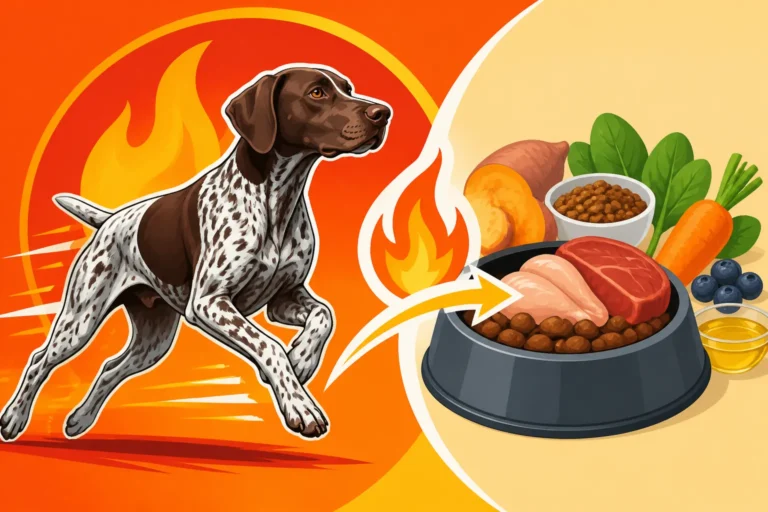
The foundation of your GSP's endurance and ability to handle strenuous activity starts with their daily diet. A high-quality, nutrient-dense diet ensures they have the sustained energy needed to perform without quickly burning out. For a working German Shorthaired Pointer, this usually means a performance-grade kibble that is specifically formulated for active dogs, often with higher protein and fat ratios. Foods like these provide the caloric density and readily available energy stores your GSP needs. You can often find excellent options from reputable brands on platforms like Chewy or Amazon, ensuring you have access to a wide range of choices.
Some owners also consider fresh food diets, which often have a higher moisture content, contributing to overall hydration naturally. While perhaps a different approach than traditional kibble, brands like Ollie can offer higher moisture content in their recipes. Regardless of the type, the goal is to provide a balanced intake of protein for muscle maintenance and repair, fats for concentrated energy, and carbohydrates for quick fuel. Understanding Whether a Shorthair Needs a High Fat Diet in Season is key, as increased fat can provide more sustained energy for long days in the field. Feeding consistent, measured meals helps maintain steady energy levels and ensures proper nutrient absorption, laying the groundwork for optimal performance and recovery.
Preventing Overheating and Exhaustion
Electrolytes will help your GSP recover, but preventing the conditions that lead to severe electrolyte loss and heat stress in the first place is always the best strategy. German Shorthaired Pointers, with their boundless energy and thin coats, can easily overheat. You must be hyper-aware of the environmental conditions. Avoid hunting during the hottest parts of the day, especially in early season when dogs are still conditioning. Pay close attention to The Temperature a German Shorthaired Pointer Should Not Hunt In. When temperatures rise, humidity becomes a significant factor as well, making it harder for your dog to cool down through panting.
Schedule frequent breaks in the shade, and use cooling vests or wet towels to help lower their body temperature. Some owners even carry portable battery-operated fans for their dog boxes. Acclimatizing your GSP to warmer weather gradually, rather than throwing them into a full day's hunt on the first hot day, is also vital. Always listen to your dog; if they seem sluggish, overly panting, or are seeking shade more than usual, it’s time to call it a day, regardless of how many birds are still out there. Providing Snacks That Keep a Shorthair Going Midday can also help sustain energy, reducing the strain that leads to exhaustion.
The Importance of Fresh Water Access
This might seem obvious, but it bears repeating: consistent, unfettered access to fresh water is the single most important component of your German Shorthaired Pointer's hydration strategy. Electrolyte supplements are supplements to water, not a replacement for it. Before, during, and after any activity, your GSP should have water available. In the field, this means planning ahead. Don't rely on finding natural water sources, which might be contaminated or simply not there. Carry enough water for yourself and your dog for the entire outing, plus extra.
Use a sturdy, travel-friendly water bowl that's easy to clean. During breaks, actively encourage your dog to drink. Some GSPs are so driven they'll ignore water, so you might need to physically bring them to the bowl and gently encourage them. Teach them to drink on command. After a long retrieve, or if they've been running hard, offer small amounts of water frequently rather than one large gulp to prevent issues like Water Intoxication in a Retrieving German Shorthaired Pointer or increasing the risk of bloat. This constant vigilance with water, combined with strategic electrolyte use and a well-managed diet and activity level, will keep your GSP performing at their peak, season after glorious season.
Disclaimer
This article is for general informational purposes only and does not constitute professional advice. Laws, prices and regulations vary by location and change over time. Consult a qualified professional for guidance on your specific situation.