Whether a Shorthair Drinks Enough on Its Own
You've just wrapped up a long run with your German Shorthaired Pointer, or maybe a solid hour of retrieving in the park, and you head back home, expecting them to gulp down a gallon of water. But sometimes, they just… don't. It’s a frustrating moment, making you wonder if your highly driven, tireless companion is truly getting enough hydration on their own. This guide is all about understanding your GSP's unique relationship with water and how to ensure they stay properly hydrated, even when their instincts tell them to keep going.
The Instinct to Push Through Thirst
German Shorthaired Pointers are incredible athletes, bred for endurance and an unwavering focus on their work. This drive, while admirable, can sometimes be a double-edged sword when it comes to basic needs like drinking water. Their genetic programming tells them to push through discomfort, to stay on task, and to ignore minor sensations in favor of the hunt. This means that a GSP, especially a younger or highly motivated one, might not self-regulate their water intake as effectively as we might hope. They're more concerned with the next bird, the next retrieve, or the next scent than they are with quenching their thirst, leading to a common challenge for owners.
The Driven Nature of a Working GSP
Think about your GSP in the field. When they lock onto a scent, or when they're tracking a downed bird, their entire world shrinks to that one objective. The adrenaline is pumping, their muscles are working, and their senses are honed. In this state, the subtle signals of thirst often get overridden by their intense focus. They might pass by a water source without a second glance, or take only a cursory sip before immediately trying to get back to the "action." This isn't stubbornness; it's the manifestation of centuries of selective breeding for a dog that will not quit. We, as their human partners, need to recognize that this powerful drive means we have to be proactive managers of their hydration, not just assume they'll drink when they need to. It's a testament to their dedication, but also a responsibility for us to step in and ensure their well-being.
This behavior isn't limited to professional hunting situations either. Even a GSP enjoying a spirited game of fetch in the backyard can become so engrossed that they ignore the water bowl. Their prey drive, even for a tennis ball, can be intense enough to delay drinking until they're dangerously dehydrated. Owners often report coming inside after a vigorous play session to find their GSP panting heavily but still reluctant to drink immediately. It's almost as if their body needs a moment to 'come down' from the high before the thirst signals register effectively. Understanding this inherent trait is the first step in creating a successful hydration strategy for your energetic companion.
Environmental Factors Affecting Water Intake
The weather plays a huge role in how much water your GSP needs, and unfortunately, their drive doesn't always account for it. A cool, overcast day might make you think they're fine, but humidity can be a silent killer, making it harder for them to cool themselves through panting. On days with high humidity, even if the temperature isn't soaring, your GSP will be working much harder to regulate their body temperature, losing more fluid in the process. Signs a Shorthair Is Overheating in the Field might not just be about high temperatures, but also about the unseen burden of humid air.
Then there's the obvious factor of heat. Hunting or exercising in warm weather puts immense strain on a GSP's system. Their short coat offers little insulation against direct sun, and their high metabolism generates a lot of internal heat. We often assume a dog will instinctively drink more when it's hot, but as discussed, a driven GSP might still prioritize activity over rehydration. This is where we need to step in, not just offering water, but actively encouraging it. Consider "The Temperature a German Shorthaired Pointer Should Not Hunt In" and plan your activities accordingly, always prioritizing hydration. The type of exercise matters too; a casual stroll is very different from intense sprinting or extended periods of pointing in thick cover, both of which drastically increase fluid loss.
Recognizing the Signs of Dehydration
Since we can't always rely on our GSPs to tell us when they're thirsty, it's crucial for us to become adept at reading their body language and physical cues. Dehydration can creep up quickly, especially in such active dogs, and waiting for obvious signs like lethargy or collapse means you're already in a serious situation. Early detection is key to preventing health complications and ensuring your GSP can continue to enjoy their vigorous lifestyle safely. Being observant after any period of exertion, regardless of whether you've offered water, is a critical part of being a responsible GSP owner.
Subtle Cues a GSP Is Getting Dehydrated
Before severe symptoms set in, a German Shorthaired Pointer will usually show more subtle signs that they're getting dehydrated. One of the easiest checks is skin elasticity. Gently pinch a fold of skin on their neck or shoulder and release it. In a well-hydrated dog, the skin should snap back almost immediately. If it's slow to return to its normal position, taking a second or two, it's a clear indicator of dehydration. Another key area is their gums. Healthy gums should be moist and pink. If they feel tacky or dry to the touch, or appear pale, your GSP needs water urgently.
You can also check their capillary refill time. Press your finger firmly on their gums until the spot turns white, then release. The pink color should return within one to two seconds. A longer refill time suggests poor circulation, which can be linked to dehydration. Pay attention to their eyes too; if they appear sunken or dull, it's another warning sign. A change in urine color (darker, more concentrated) or frequency (less often) can also be a subtle cue, though harder to monitor in the field. Even a slight decrease in their usual energy level after exercise, or a reluctance to engage in play, can indicate they're feeling the effects of inadequate hydration.
Here’s a quick reference for assessing hydration:
| Indicator | Well-Hydrated GSP | Dehydrated GSP |
|---|---|---|
| Skin Elasticity | Snaps back immediately | Slow to return, "tents" briefly |
| Gums | Moist, slick, healthy pink | Tacky, dry, pale, or reddish |
| Capillary Refill | 1-2 seconds | Longer than 2 seconds |
| Eyes | Bright, clear, normal | Dull, slightly sunken |
| Nose | Moist | Dry |
| Urination | Normal volume & frequency | Less frequent, darker, more concentrated |
When Dehydration Becomes an Emergency
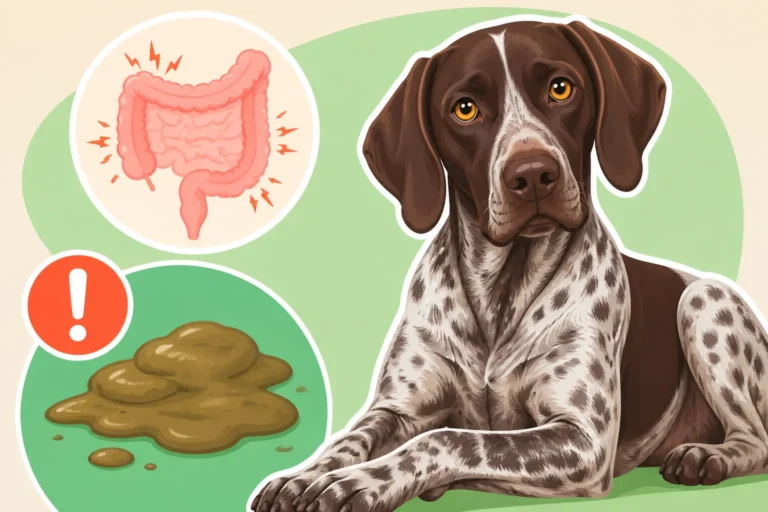
If those subtle cues are missed, dehydration can quickly escalate into a life-threatening situation. Severe dehydration manifests with much more alarming symptoms that require immediate veterinary attention. These include extreme lethargy, where your GSP is profoundly tired, struggles to stand, or collapses. Their breathing might become labored and shallow, and their heart rate can be elevated. Vomiting and diarrhea are also common in severe cases, ironically exacerbating the fluid loss even further.
At this stage, their body's systems begin to shut down, and organ damage can occur. Their skin will have very poor elasticity, perhaps staying tented for several seconds. Their gums will be extremely dry and pale, and their eyes will appear deeply sunken. They may even go into shock, with cold extremities and a rapid, weak pulse. If you suspect severe dehydration, do not try to force large amounts of water into them, as this can be dangerous. Instead, get them to an emergency veterinary clinic as quickly as possible. The vet can administer intravenous fluids to rapidly rehydrate them and address any secondary complications. This is a situation where every minute counts, and prompt action can mean the difference between recovery and a tragic outcome.
Strategies to Encourage Adequate Hydration
Given their tendency to push past thirst, we need to implement proactive strategies to ensure our German Shorthaired Pointers are drinking enough. It's not just about having water available, but making it appealing and integrating it into their daily routine, especially around periods of high activity. Getting creative with how and when you offer water can make a huge difference in their overall health and performance.
Making Water Accessible and Appealing
The most basic step is ensuring fresh water is always available in multiple locations at home. Don't just rely on one bowl in the kitchen. Place bowls in various rooms, especially near their resting spots or where they spend a lot of time. If you have a yard, put a water source outside too. For some GSPs, the novelty of a different bowl can encourage drinking. Consider stainless steel, ceramic, or even filtered pet fountains. Many dogs prefer moving water, and a fountain can be a great investment. You can find a wide variety of these options on platforms like Chewy or Amazon, making it easy to experiment with what your dog prefers.
Beyond accessibility, consider making the water itself more appealing. Some dogs are fussy about taste. Ensure bowls are cleaned daily to prevent slime and stale water, which can deter drinking. Adding a splash of low-sodium chicken broth (ensure no onion or garlic powder) or a few ice cubes can sometimes pique their interest. For dogs that are truly reluctant, try offering water from your hand or a clean bottle, as sometimes the interaction can encourage them. Remember, any amount of water they drink is better than none. Don't be afraid to experiment with different water sources and flavors until you find what encourages your particular Shorthair.
Integrating Hydration into Routines
Building hydration into your GSP's daily routine, especially around exercise, is paramount. Before any strenuous activity, offer water. Give them ample opportunity to drink, but don't force it. Then, during breaks in exercise – say, every 15-20 minutes during a long walk or training session – offer water again. Many owners carry a portable water bottle and collapsible bowl, making it easy to provide water on the go. Carrying Water for a German Shorthaired Pointer isn't just a suggestion; it's a necessity for these dogs.
After exercise, once they've had a chance to calm down a bit, provide a large, fresh bowl of water. Some GSPs will gulp it down immediately, while others need a few minutes to transition from "work mode" to "rest and rehydrate mode." Don't let them drink too much too quickly immediately after intense exercise, as this can increase the risk of bloat. Offer smaller amounts more frequently. You might also consider freezing some broth-filled Kongs or ice cubes for them to lick, which provides a slow, steady intake of fluid. Moreover, consider pairing hydration with their meal times. Watering a German Shorthaired Pointer Through a Long Day often involves strategic offers of water around feeding, exercise, and rest.
Tools and Tips for Monitoring Water Intake
It can feel overwhelming to constantly monitor your GSP's water intake, but with the right tools and a few simple habits, it becomes second nature. These tools range from practical gear for the field to dietary adjustments that help increase overall fluid consumption, all designed to give you peace of mind and keep your active companion healthy.
Portable Water Solutions for Active Shorthairs
For German Shorthaired Pointers who spend a lot of time outdoors, especially during hunting season or long hikes, portable water solutions are non-negotiable. Investing in a good quality portable dog water bottle with an attached bowl is highly recommended. Many designs are leak-proof and easy to use with one hand. Collapsible silicone bowls are also fantastic; they pack down small and can be filled from your own water bottle or a natural source (though always be cautious about stagnant water). You can find excellent, durable options for these on Amazon, often with reviews from fellow active dog owners.
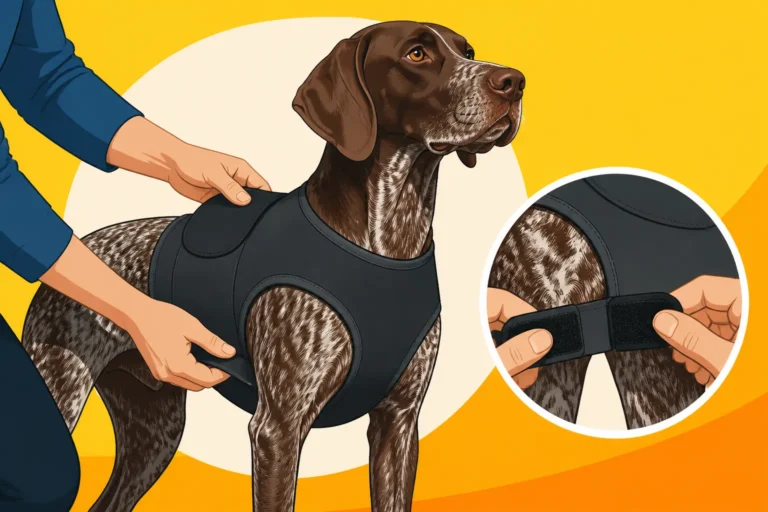
Consider a hydration vest for your dog if they're particularly adventurous or you're going on very long excursions in warm weather. These vests have pockets for water bottles that your dog carries, allowing you to bring more water without carrying it all yourself. While your GSP might not appreciate the extra weight, it's an option for extreme conditions. During training sessions or hunts, having multiple water stops planned is critical. Some handlers even bring a small cooler with ice water to offer refreshingly cold drinks to their GSPs, which can be more enticing than lukewarm water, especially when their body temperature is elevated.
Dietary Considerations for Hydration
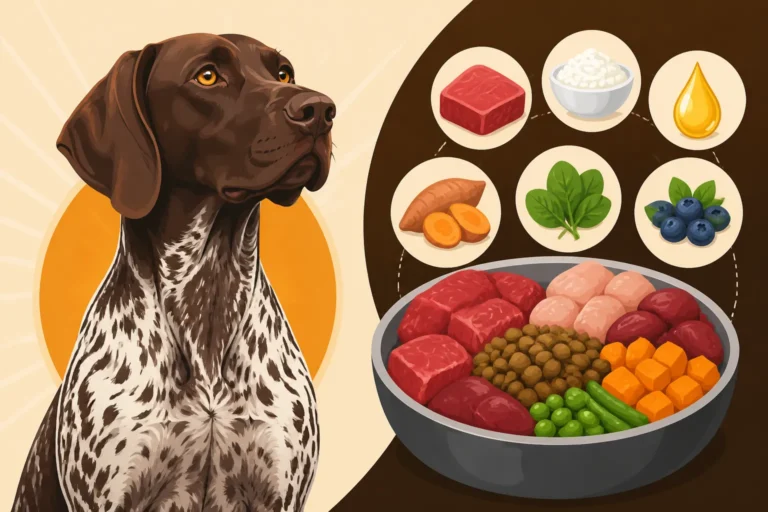
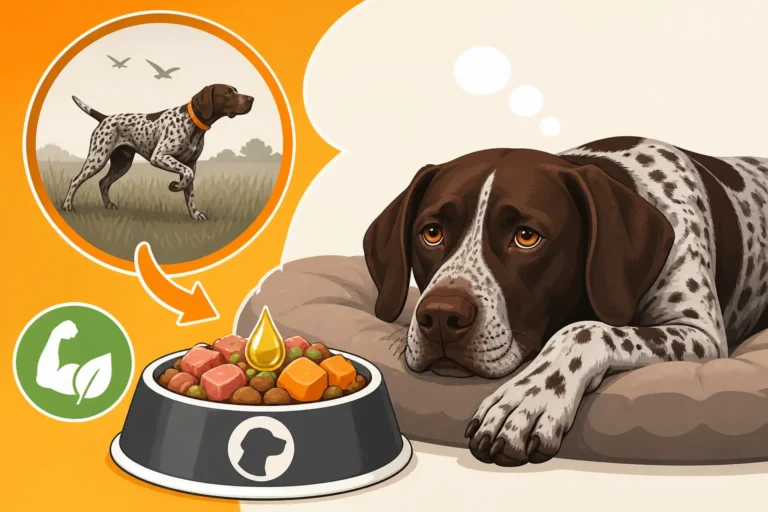
What your GSP eats can also contribute to their overall hydration. Kibble, by its nature, is very dry, usually containing only about 10% moisture. If your GSP isn't a great drinker, supplementing their diet with higher moisture foods can be beneficial. Wet dog food, for example, typically contains 75-85% moisture. Mixing a spoonful or two of wet food into their dry kibble, or even feeding wet food exclusively, can significantly boost their daily fluid intake. Brands like Ollie often provide fresh, human-grade food options with higher moisture content, which can be a game-changer for hydration.
Another trick is to add warm water or low-sodium, dog-safe broth to their kibble, turning it into a moist, stew-like meal. This is particularly useful after a long day in the field when they might be tired but still need to rehydrate. Electrolytes for a German Shorthaired Pointer in the Field can also be added to their water or food, especially after intense exercise, to replace lost minerals and encourage more drinking. Always introduce new dietary elements slowly to avoid stomach upset. For GSP puppies, understanding How Much Exercise a Shorthair Puppy Should Get is critical, as over-exertion can quickly lead to dehydration, and proper hydration support is key to their healthy growth.
Disclaimer
This article is for general informational purposes only and does not constitute professional advice. Laws, prices and regulations vary by location and change over time. Consult a qualified professional for guidance on your specific situation.