Fitting a Neoprene Vest on a German Shorthaired Pointer
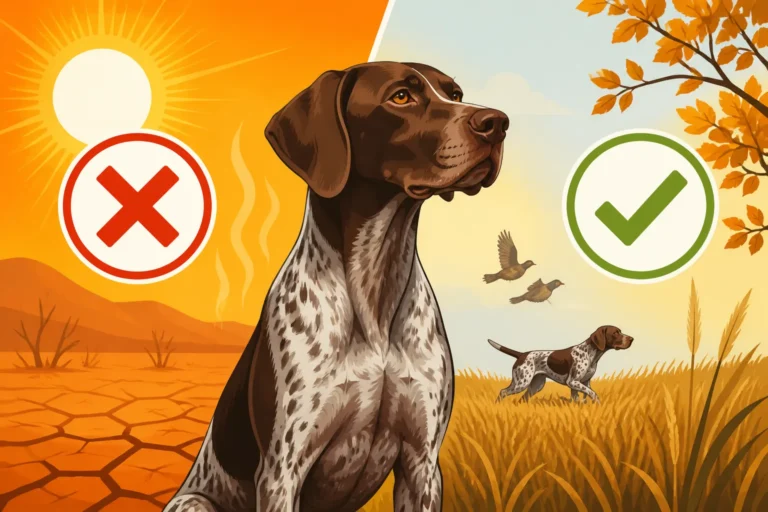
It’s a familiar scenario for any German Shorthaired Pointer owner: your intrepid companion is ready for anything, whether it's plunging into icy water after a retrieved bird or tearing through dense cover in pursuit of upland game. Their boundless energy and eagerness are incredible, but their short, sleek coat often leaves them vulnerable to the elements and the harsh realities of the field. This guide is all about one crucial piece of gear that can make all the difference: the neoprene vest, and more specifically, how to fit one properly to ensure your GSP stays safe, warm, and comfortable during their adventures.
Why Your German Shorthaired Pointer Needs a Neoprene Vest for Field and Water Work
German Shorthaired Pointers are built for versatility and endurance, but their anatomy, particularly their short coat and lean build, means they're not naturally equipped for extreme cold or abrasive conditions without a little help. That's where a quality neoprene vest comes in, acting as a second skin that provides vital protection and insulation. It’s not just about looking the part; it's about safeguarding your dog's health and comfort when they're doing what they love most.
Protecting Against Cold Water and Weather
One of the most immediate and critical benefits of a neoprene vest for a German Shorthaired Pointer is its insulating power. Our Shorthairs, with their single, fine coat, simply don't have the natural fur density of a Labrador or a Golden Retriever to withstand prolonged exposure to cold water or biting winds. Imagine your dog making multiple retrieves from a duck blind on a chilly autumn morning, or breaking ice to get to a fallen bird. Without a vest, hypothermia can become a serious risk. The Water Resistant Coat a Shorthair Carries offers some protection, but it's not enough for truly cold conditions.
A neoprene vest works by trapping a thin layer of water against the dog's body, which is then warmed by their body heat. This creates an effective thermal barrier, much like a diver's wetsuit. It drastically reduces the rate at which your dog loses heat, allowing them to stay in the water longer and recover faster between retrieves. This is particularly important when considering Whether a German Shorthaired Pointer Shivers Easily after exiting cold water, which can quickly lead to exhaustion and further chilling.
Shielding From Abrasions and Cover
Beyond the cold, the environments our German Shorthaired Pointers love to work in are often full of hazards. Think about those dense briar patches, sharp stubble fields, or rocky shorelines. A GSP charging through heavy cover can easily come away with scrapes, cuts, and punctures on their chest and belly – areas where their skin is particularly exposed. Field Injuries a Hunting German Shorthaired Pointer Comes Home With are a real concern, and a well-fitted neoprene vest provides a robust barrier against these common injuries.
The thick, durable neoprene acts as a shield, deflecting thorns, sharp sticks, and abrasive vegetation. This protection not only prevents immediate injuries that could end a hunt prematurely but also guards against potential infections that can arise from open wounds in dirty environments. It also helps keep burrs and foxtails from embedding themselves in their chest hair, making post-hunt clean-up a little easier.
Enhancing Buoyancy During Water Retrieves
For Shorthairs that are avid water retrievers, a neoprene vest offers an often-overlooked advantage: increased buoyancy. While most GSPs are strong swimmers, a little extra lift can go a long way, especially during long retrieves, in choppy water, or when they're carrying a heavy bird. This added buoyancy reduces the effort required to stay afloat, helping to conserve energy and reduce fatigue over the course of a demanding hunt.
This can be particularly beneficial for younger dogs still building their water confidence and stamina, or for older dogs whose endurance might not be what it once was. It allows them to focus on the retrieve itself rather than expending extra energy just to stay high in the water. Plus, a bright-colored vest can make your dog much easier to spot in the water, adding a layer of safety that every owner appreciates.
Choosing the Right Neoprene Vest: Features That Matter Most
Selecting the right neoprene vest isn't just about picking the first one you see; it's about understanding the features that contribute to protection, warmth, and most importantly, a proper fit. There are a lot of options out there, and what works for one dog or hunting situation might not be ideal for another. Taking the time to consider these factors will ensure you get a vest that truly supports your GSP's adventurous spirit.
Material and Thickness for Optimal Insulation
Neoprene vests come in various thicknesses, typically ranging from 3mm to 5mm. The thickness directly correlates with the amount of insulation and flotation the vest provides.
- 3mm Neoprene: This is a good all-around choice for moderately cold water or air temperatures, or for dogs that are mostly retrieving from the water's edge rather than extended swims. It offers good flexibility and allows for a wide range of motion, which is crucial for a German Shorthaired Pointer's agile movements. It's lighter and less bulky, making it a comfortable option for dogs who might be hesitant about wearing gear.
- 5mm Neoprene: When the mercury truly drops, or your GSP will be spending significant time in icy waters, a 5mm vest is the superior choice. It provides maximum thermal insulation and significantly more buoyancy. While it's a bit bulkier and might slightly restrict movement compared to a 3mm vest, the trade-off in warmth and safety is often well worth it for extreme conditions. Considering The Temperature a German Shorthaired Pointer Should Not Hunt In is key here – a thicker vest can extend their comfort and safety zone.
You'll also want to look at the quality of the neoprene itself. Higher-quality neoprene will retain its flexibility and insulating properties longer, even with repeated use and exposure to harsh conditions.
Design and Closure Systems for Secure Fit
The way a vest is designed and how it closes plays a huge role in its effectiveness and how easy it is to get on and off your squirming GSP.
- Zipper Closures: Many vests feature a full-length zipper up the back. This design can offer a very snug, custom-like fit, as it allows the vest to conform closely to your dog's body. However, zippers can sometimes be tricky to operate on a wet or muddy dog, and if they get jammed or break, the vest is essentially useless. Look for heavy-duty, corrosion-resistant zippers.
- Velcro Closures: Some vests use large sections of Velcro, often on the back or sides, for closure. Velcro is generally very adjustable and easy to use, even with cold hands. The downside is that Velcro can collect burrs, mud, and debris, which can reduce its effectiveness over time. It can also sometimes pull at a dog's coat if not positioned carefully.
- Buckle/Strap Systems: Other designs combine zippers with adjustable buckles or feature multiple buckle straps for closure. These often offer the best of both worlds, providing adjustability and security. The buckles make it easy to fine-tune the fit around the chest and belly, ensuring it's snug without being constricting. When looking for these, you can often find a good selection of durable options on sites like Amazon or Chewy.
Consider also the cut of the vest around the legs and neck. It should allow for full, unrestricted movement while still covering the vital areas of the chest and belly.
Visibility and Durability Considerations
Finally, think about safety and longevity.
- Visibility: Many vests come in bright, high-visibility colors like blaze orange or yellow. This isn't just a fashion statement; it's a critical safety feature, especially during hunting season. A brightly colored vest makes your GSP much easier to spot in dense cover, tall grass, or on open water, reducing the risk of accidental injury from other hunters. Even if you're not hunting, it helps with visibility when working in fields or near roads.
- Durability: Your German Shorthaired Pointer is a powerhouse, and their gear needs to stand up to their intensity. Look for vests made with reinforced stitching, especially around stress points like leg openings and closure areas. Quality neoprene is tear-resistant and designed to handle repeated submersion, rubbing against cover, and general rough-and-tumble use. A durable vest is an investment that will protect your dog for many seasons to come. You'll find that many reputable hunting dog gear brands offer vests specifically designed for the demands of the field.
| Feature Type | 3mm Neoprene Vest | 5mm Neoprene Vest |
|---|---|---|
| Primary Use | Moderate cold, light cover, general water work | Extreme cold, heavy cover, extensive water work |
| Insulation Level | Good, for chilly conditions | Excellent, maximum warmth |
| Buoyancy | Moderate assist | Significant assist |
| Flexibility/Mobility | High, less restrictive | Moderate, slightly bulkier |
| Weight | Lighter | Heavier |
| Durability | Good, if quality material | Excellent, thicker material |
| Best For | Versatile use, less demanding conditions | Icy water, dense briars, extended exposure |
A Step-by-Step Guide to Achieving the Perfect Fit for Your GSP
Getting the right fit for your German Shorthaired Pointer's neoprene vest is paramount. A vest that's too loose will chafe and shift, offering inadequate protection and insulation. One that's too tight will restrict movement, breathing, and blood circulation, potentially causing discomfort or even injury. It's a bit like fitting a custom suit – a few key measurements and careful adjustments will ensure it performs as intended.
Accurate Measuring is Your First Step
Before you even think about putting a vest on your dog, you need to take accurate measurements. Don't just guess or rely on generic sizing charts, as breed-specific builds can vary. German Shorthaired Pointers have deep chests and lean, athletic frames, which means a generic "large" might not cut it.
- Chest Girth (Crucial): This is the most important measurement. Use a soft tape measure and wrap it around the widest part of your dog's chest, just behind their front legs. Make sure the tape is snug but not tight. Your GSP should be standing naturally, not puffed up or slumped. This measurement often dictates the primary size of the vest.
- Neck Girth: Measure around the base of your dog's neck, where a collar would naturally sit. This ensures the neck opening of the vest won't be too tight or too loose, which could allow cold water in.
- Back Length: Measure from the base of the neck (where you took the neck girth) to the base of the tail. While many vests are designed to cover primarily the chest and belly, knowing the back length helps confirm general sizing and ensures the vest isn't awkwardly short or long on your particular dog.
Once you have these numbers, compare them to the manufacturer's sizing chart. Remember, if your dog is between sizes, it's often better to go with the larger size, as you can typically adjust it down, but you can't make a small vest bigger.
Putting the Vest On: A Gentle Process
The first few times you put on the vest, take it slow and make it a positive experience. Treats and praise are your best friends here!
- Introduce the Vest: Let your GSP sniff and investigate the vest. Place it on the floor, let them walk around it, and reward calm curiosity.
- Head First (if applicable): Some vests have a head opening. Gently guide your dog's head through the neck opening. Make sure their ears aren't folded or trapped uncomfortably.
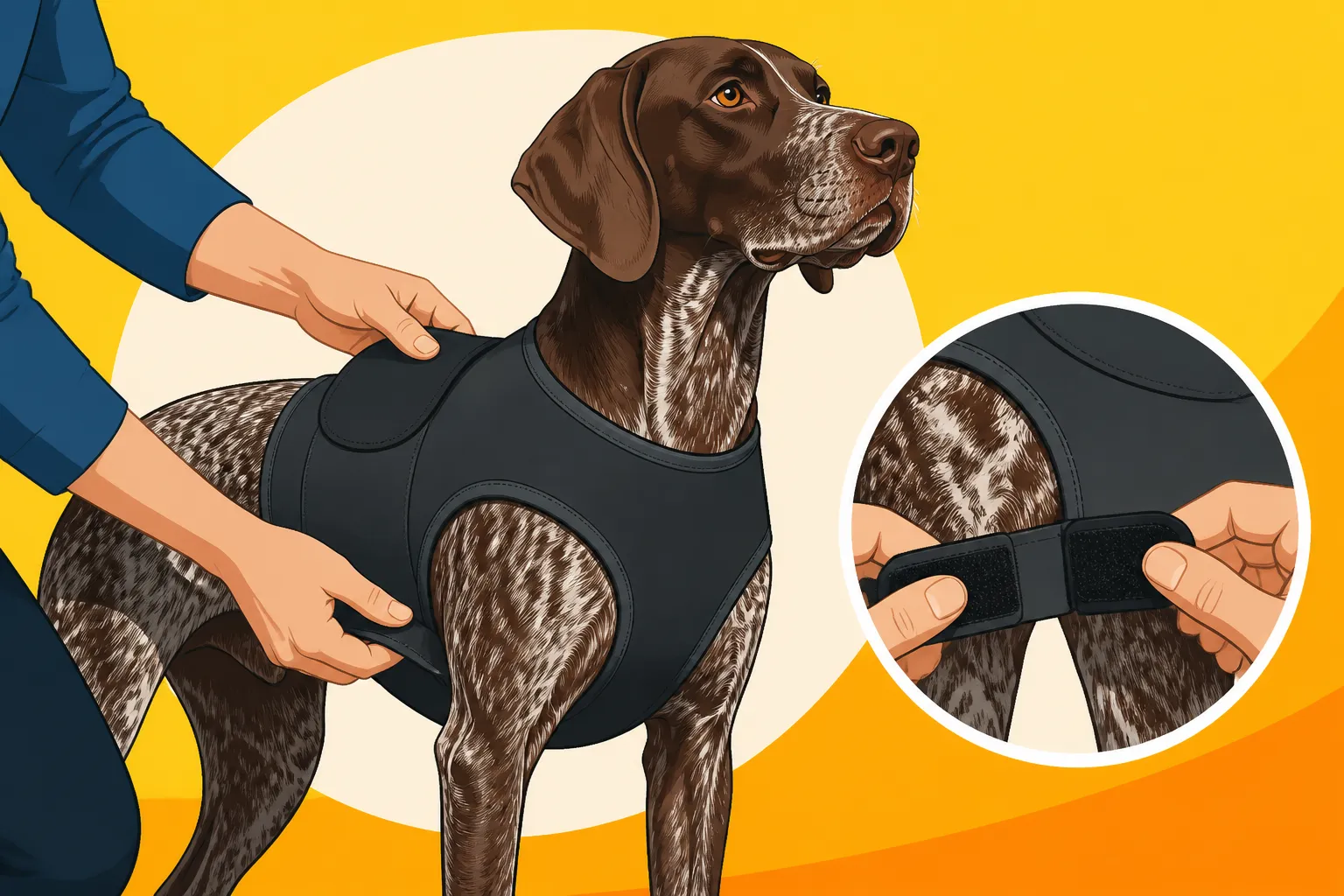
- Legs Next: Carefully lift one of your dog's front paws and guide it through the appropriate leg hole. Repeat with the other front paw. This can sometimes be the trickiest part, so be patient. Ensure the vest isn't twisted or bunched up under their armpits.
- Secure the Closure: Once the legs are through, bring the two sides of the vest together and secure the closure system (zipper, Velcro, or buckles). Start from the front and work your way back. If it's a zipper, make sure no fur is caught in the teeth.
Always ensure the vest is centered on your dog's body, not pulled to one side. A crooked vest will fit poorly and likely cause discomfort.
Adjusting Straps for Comfort and Security
Once the vest is on, the real fitting begins with the adjustments. This is where you fine-tune it to your GSP's unique physique.
- "Two-Finger Rule": For vests with adjustable straps (usually around the chest and belly), you should be able to comfortably slip two fingers flat underneath the straps and along the body of the vest. If you can fit more, it's too loose. If you struggle to fit two fingers, it's too tight. This rule applies to the neck and leg openings as well.
- Check for Gaps: Look for any large gaps, especially around the neck or armpits, where water could easily flush in or where the vest could rub. The vest should conform to their body without being restrictive.
- Observe Movement: Take your GSP for a short walk, ideally on leash, and observe their gait. Do they move freely? Are there any signs of restriction in their shoulders or elbows? Do they seem uncomfortable? A properly fitted vest shouldn't impede their natural movement, their high-energy stride, or their ability to point and retrieve. Remember that Whether a Shorthair Can Wear an E-Collar at a NAVHDA Test often comes with specific rules about other gear, so consider all equipment.
- Test in Conditions: If possible, test the vest in a non-critical environment first. A short walk through some wet grass or a quick dip in a shallow pond can help reveal any issues before a long hunt. This also gives your GSP time to get used to the feeling of wearing the vest.
Troubleshooting Common Vest Fitting Problems and Maximizing Comfort
Even with careful measuring and a good initial fit, you might encounter issues. German Shorthaired Pointers are athletes with sensitive skin, and any discomfort can quickly lead to an unhappy, less effective hunting partner. Addressing these common problems promptly is key to ensuring your GSP not only wears the vest but thrives in it.
Identifying Rub Spots and Chafing
One of the most frequent complaints with poorly fitted vests is rubbing and chafing. This often occurs in high-friction areas:
- Armpits/Leg Openings: If the leg holes are too small or the vest is too tight here, it can rub raw spots, especially when your GSP is running or swimming vigorously. Look for redness, hair loss, or even open sores.
- Along the Spine or Belly: If the vest is too loose, it can shift and rub. If it's too tight, seams can press uncomfortably.
- Around the Neck: A neck opening that's too snug can rub the delicate skin there.
What to do:
- Adjust and Reposition: Start by loosening or tightening straps slightly and ensure the vest is perfectly centered. Sometimes a small adjustment can make a big difference.
- Check Vest Design: Some vests have softer, more flexible material around the leg openings to prevent chafing. If your current vest is consistently rubbing despite adjustments, it might be a design flaw that requires a different brand or style. You might explore alternatives from reputable brands available on Amazon or Chewy with different cuts.
- Body Glide/Protective Balm: For persistent, minor rubbing, a pet-safe anti-chafing balm or even a little Vaseline applied to the skin can create a barrier. Just ensure your dog doesn't try to lick it off immediately.
- Monitor and Remove: If you notice significant redness or raw spots, remove the vest immediately and let the area heal. Continued use will only worsen the issue. The Skin Disease That Hits a German Shorthaired Pointer Before One and other skin sensitivities mean we need to be extra vigilant.
Ensuring Unrestricted Movement and Breathing
Your GSP needs to be able to move freely and breathe easily to perform their best. A vest should never impede their natural gait or restrict their chest movement, which is essential for deep breathing during exertion.
- Gait Observation: Watch your dog walk, trot, and even run a short distance with the vest on. Do their legs swing freely? Is there any choppiness or awkwardness in their stride? Pay particular attention to the front legs – if the vest extends too far forward or is too tight around the chest, it can restrict shoulder movement.
- Breathing Check: After a burst of activity, observe your dog's breathing. Is it labored? Are they panting excessively more than usual? While GSPs are heavy panters when working hard, a vest should not add to their respiratory effort. Ensure the chest straps are snug but not compressing their rib cage. You should be able to slide your hand comfortably under the vest across their back when they are standing tall.
- Neckline: The neckline shouldn't be so high or tight that it presses on their windpipe or makes them cough. It should sit low enough on the neck to allow full head and neck movement without riding up.
Making Seasonal and Growth Adjustments
A GSP's body can change throughout the year and over their lifetime.
- Seasonal Weight Fluctuations: Many working GSPs will be leaner during the hunting season due to high energy expenditure and may gain a little weight in the off-season. This means you might need to adjust the vest's straps slightly. Don't assume the fit will be identical year-round. Keeping a German Shorthaired Pointer Lean and Hard is about monitoring their body condition constantly.
- Growth in Young Dogs: A growing GSP puppy will quickly outgrow vests. If you're buying a vest for a young dog, factor in their expected adult size. You might need to buy a slightly larger vest and adjust it down, or plan to purchase a second vest as they mature. Always prioritize proper fit for the current size rather than "growing into" a vest, which can lead to poor performance and discomfort.
- Older Dogs: As dogs age, they might lose muscle mass or develop different body shapes. Keep an eye on the fit for your senior GSP and make adjustments as needed to ensure their comfort. Helping a Stiff Old German Shorthaired Pointer Get Up highlights that joint comfort becomes even more important.
Remember, the goal is a vest that your German Shorthaired Pointer forgets they are wearing, allowing them to focus entirely on their work or play. Regular checks and adjustments, coupled with positive reinforcement, will make the neoprene vest a natural and essential part of their outdoor gear.
Disclaimer
This article is for general informational purposes only and does not constitute professional advice. Laws, prices and regulations vary by location and change over time. Consult a qualified professional for guidance on your specific situation.