Whether a Shorthair Should Hunt in September Heat
Oh, that crisp September air in the morning! It gets a hunting German Shorthaired Pointer owner’s heart racing, doesn't it? We've waited all summer, and the thought of getting back out into the field with our beloved companions is almost unbearable. But that early season enthusiasm can quickly turn dangerous when the temperature climbs mid-day. This guide is all about navigating those tricky September days, helping you understand the real risks of hunting your German Shorthaired Pointer in the heat, and offering practical strategies to keep your dog safe and sound.
The Hidden Dangers of Early Season Hunting for Your Shorthair
You've probably been dreaming of this all summer – cool mornings, the scent of birds, and your German Shorthaired Pointer quartering perfectly. But September, especially in many parts of the country, is a notoriously unpredictable month. Those glorious cool starts can quickly give way to stifling heat by late morning, creating conditions that are incredibly risky for a high-drive, short-coated breed like a GSP. It's a cruel irony, really; the very conditions that make us eager to get out there are often the ones that put our dogs in the most peril.
Why September Can Be Deceptively Dangerous
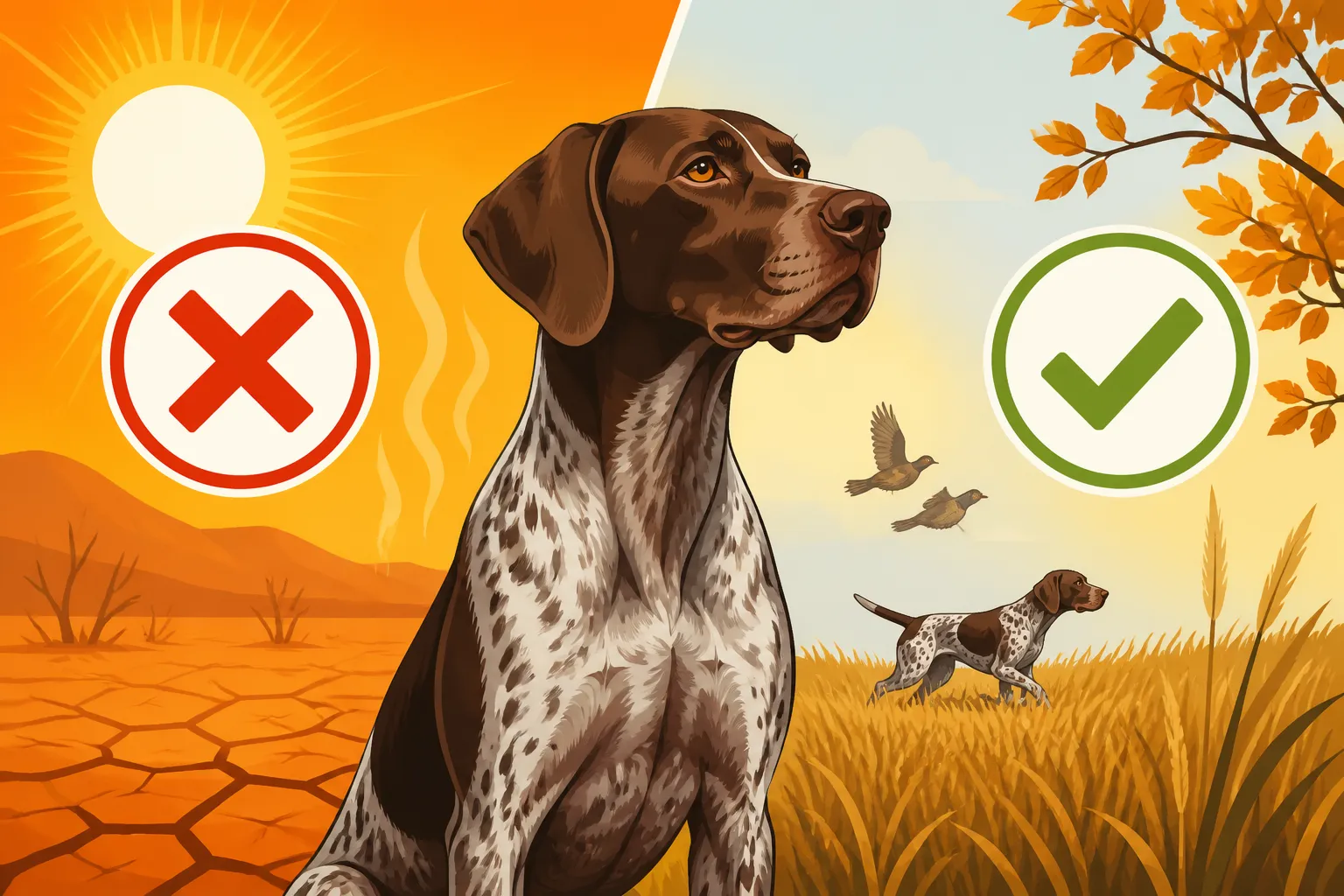
The biggest issue with September is the contrast. You wake up, it's 50 degrees, maybe a little foggy, and it feels like prime hunting weather. Your dog is raring to go, bouncing off the walls with pent-up energy. You hit the field, and everything is fantastic for the first hour or two. But then the sun burns through, the temperature soars into the 70s or 80s, and the humidity often hangs heavy in the air. This rapid change is hard for any dog, but especially for one with the metabolism and drive of a German Shorthaired Pointer. They're bred to go, go, go, and they often won't show signs of slowing down until it's far too late.
Compounding this is the fact that many dogs aren't fully conditioned for strenuous activity in heat after a summer of lighter work. While you might have been taking them for longer walks or runs, sustained, high-intensity hunting for hours is a different beast entirely. Their cardiovascular systems, their muscular endurance, and their heat dissipation mechanisms simply aren't at peak performance for these demanding conditions. This means they're not just fighting the heat, they're fighting a lack of full conditioning too.
Another factor is the type of cover. Early season means thicker, often greener, vegetation. While this provides good hiding spots for birds, it also limits air circulation for your dog, making it harder for them to cool down through evaporation. Imagine wearing a heavy coat and running through a dense jungle on a hot day – that's a bit like what your GSP is experiencing. The cumulative effect of exercise, ambient temperature, humidity, and cover density can push a dog over the edge surprisingly quickly.
The Realities of a Shorthair's Metabolism in Heat
German Shorthaired Pointers are, by their very design, athletic powerhouses. They're bred for speed, endurance, and an unflagging desire to hunt. This incredible drive, while one of their most admirable traits, also makes them highly susceptible to overheating. Their powerful muscles generate a lot of internal heat when working hard. Unlike humans who sweat profusely over most of their body, dogs primarily cool themselves by panting, which is essentially evaporative cooling from their mouth and respiratory tract.
When the air is hot and humid, this evaporative cooling becomes much less efficient. If the air around them is already saturated with moisture, it's harder for their body to shed heat through panting alone. This is where the danger truly lies. Their core body temperature can rise rapidly, leading to heat exhaustion and, if not addressed immediately, life-threatening heat stroke. Heat Exhaustion in an Early Season Shorthair is a critical read if you're concerned about these risks. Their short coat, while seeming like an advantage, doesn't offer much insulation from the sun's direct rays either, and in direct sunlight, can actually absorb more heat.
Think about it this way: your GSP is essentially a finely tuned engine. When that engine is running at full throttle in hot conditions without adequate cooling, it's going to redline. The signs might be subtle at first – a little more panting than usual, perhaps some drooling. But as their core temperature continues to climb, irreversible damage can start to occur to their internal organs, including their brain, kidneys, and liver. It’s not just about comfort; it’s about their very survival.
Understanding How Heat Affects Your German Shorthaired Pointer
It's one thing to know that heat is dangerous, but it's another to truly understand how it impacts your specific breed. German Shorthaired Pointers are unique athletes, and their reactions to heat can be a bit different than, say, a more laid-back breed or one with a very different coat type. Being able to read your dog and know the specific symptoms to watch for is absolutely crucial for early intervention.
Recognizing the Signs of Overheating
The first signs of overheating can be easy to miss, especially if you're caught up in the excitement of the hunt. Your GSP is a stoic dog, often pushing past discomfort. The most obvious initial symptom is excessive panting, often louder and more rapid than normal. They might also start drooling heavily, their tongue hanging out further than usual. As the condition progresses, you might notice their gums becoming very red, almost brick-colored, or even appearing pale if they're going into shock. Their eyes might look glazed or anxious.
A dog suffering from heat exhaustion might also start to seem disoriented or uncoordinated. They might stumble, become lethargic, or show a reluctance to move. You could even see vomiting or diarrhea. If you're out there, remember the key is to stop and assess. Feel your dog's ears, armpits, and groin – these areas will often feel extremely hot to the touch. Signs a Shorthair Is Overheating in the Field details these symptoms further and can help you identify them quickly. This is not the time to push for "just one more bird."
In severe cases, a dog experiencing heat stroke might collapse, have seizures, or lose consciousness. Their breathing could become extremely labored, almost gasping, or paradoxically, very shallow. Their heart rate will be elevated and pounding. At this point, it's an emergency, and immediate, aggressive cooling measures are needed, along with veterinary attention. Delay can mean the difference between life and death.
Factors That Increase Heat Risk
Several factors contribute to a German Shorthaired Pointer's susceptibility to heat. Beyond the ambient temperature and humidity we've already discussed, the intensity and duration of exercise are huge. A casual walk is one thing, but running hard through dense cover, pointing, and retrieving for hours generates massive internal heat. The longer they're pushed in adverse conditions, the greater the risk.
Hydration status is another critical factor. A dehydrated dog cannot cool itself as effectively. They need constant access to fresh water, not just sips here and there. Medications, underlying health conditions (like heart disease or obesity, though a GSP is rarely obese), and even age can play a role. Older dogs or puppies might be more vulnerable, though a GSP's drive means even young, seemingly healthy adults can succumb.
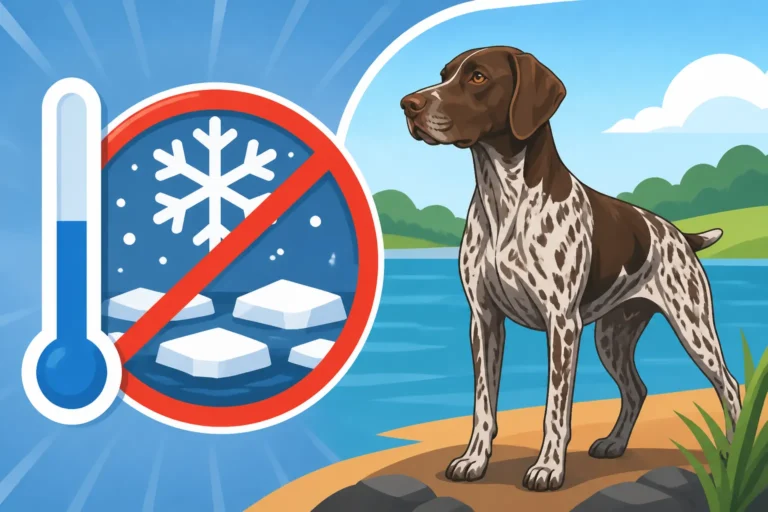
Consider the surface they're hunting on as well. While less common in early season upland hunting, hot asphalt or sand can radiate heat and burn paw pads. Even dry stubble fields can be hotter than you think. And remember, dogs don't complain. They want to please you, and they love to hunt, so they'll often continue until their body simply can't anymore. It's your responsibility to be their advocate and know when to call it quits. The Temperature a German Shorthaired Pointer Should Not Hunt In provides crucial guidelines on safe limits.
Practical Strategies for Managing Heat Risk in the Field
Knowing the dangers is only half the battle; the other half is actively managing those risks. When it comes to hunting your German Shorthaired Pointer in September, a proactive approach is absolutely non-negotiable. You can't just hope for the best; you have to plan for the worst and equip yourself to handle it. This means everything from conditioning to gear to knowing your limits.
Pre-Hunt Preparation and Conditioning
Before you even think about hitting the field in early September, ensure your GSP is properly conditioned. This doesn't mean just letting them run around the yard. It means gradually increasing their exercise intensity and duration over weeks, ideally including some work in warmer temperatures (but not extreme heat) to acclimate them. Regular roading or long, brisk runs can build stamina. Remember, consistent conditioning before the season starts is key to preventing problems.
Hydration should begin before the hunt too. Ensure your dog is well-hydrated the day before and the morning of the hunt. You can add water to their food or offer broth to encourage extra fluid intake. Electrolyte supplements can also be beneficial, especially if you anticipate a long, warm day. Brands like Chewy often carry a variety of canine electrolyte supplements that can be mixed into their water.
Check the forecast meticulously, not just for the morning, but for the entire duration you plan to be out. Look at the temperature and the humidity. If the temperature is projected to hit the mid-70s or higher, especially with high humidity, seriously reconsider the length and intensity of your hunt, or reschedule altogether. It’s simply not worth the risk. Always have a backup plan or an "out" if conditions change unexpectedly.
Cooling and Hydration Strategies in the Field
When you are out there, constant vigilance is your best friend. Bring plenty of water – more than you think you'll need. A good rule of thumb is at least half a liter per hour per dog, plus extra for emergencies. Use a portable dog bowl or a collapsible water bottle. Offering water frequently, even if they don't seem thirsty, is better than waiting until they're parched. Watering a German Shorthaired Pointer Through a Long Day offers more tips on keeping your dog hydrated.
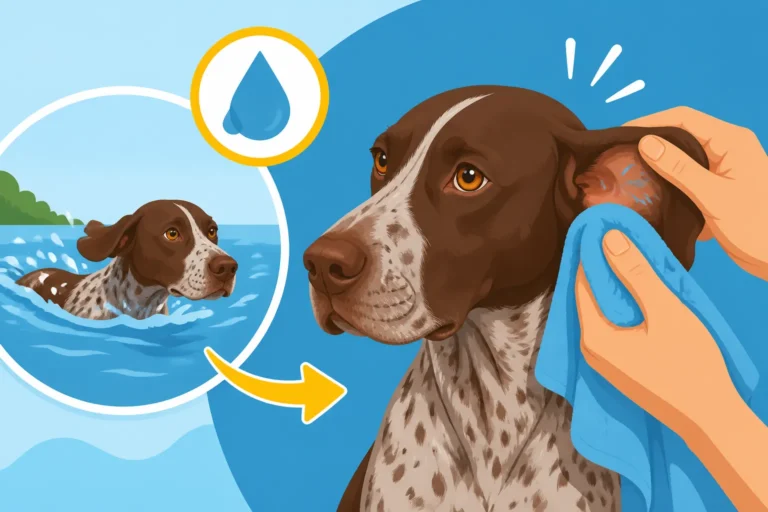
Consider using cooling gear. A cooling vest, soaked in water, can make a significant difference in regulating your dog's core temperature. These are readily available on platforms like Amazon. You can also use cool, wet towels on their chest, belly, and armpits during breaks. If you're near a creek or pond, let your dog take short dips to cool off, but be mindful of the water quality. Avoid stagnant water that might contain harmful algae.
Take frequent breaks in the shade. Even short periods of rest out of direct sunlight can help your GSP recover and reduce their internal temperature. During these breaks, check your dog over thoroughly. Look for burrs, check their pads, and assess their breathing and energy levels. Checking a German Shorthaired Pointer Over After a Hunt is a good habit to get into after every outing, especially in challenging conditions. Don't just wait until you get home.
| Overheating Stage | Key Signs | Immediate Action Required |
|---|---|---|
| Mild (Exhaustion) | Excessive panting, increased drooling, red gums, seeking shade, slightly lethargic. | Stop activity immediately. Move to shade. Offer water. Apply cool, wet towels to armpits/groin. |
| Moderate | Disorientation, staggering, vomiting, brick-red gums, weakness, rapid heart rate. | Stop activity. Move to shade. Aggressive cooling with water/wet towels. Seek vet care immediately. |
| Severe (Stroke) | Collapse, seizures, unconsciousness, profuse drooling, pale/blue gums, shallow breathing. | Emergency! Immerse in cool water (not icy). Call vet while cooling. Drive to emergency vet. |
When to Call It a Day and Prioritize Your Dog's Health
This is perhaps the hardest part for any dedicated hunter: knowing when to quit. Your German Shorthaired Pointer lives for the hunt, and so do you. But a live dog for next season is far more valuable than pushing for one more bird today. Learning to read your dog and putting their well-being first is the mark of a truly responsible owner.
Reading Your Dog's Signals
It's tempting to think that if your dog is still running, they must be fine. But GSPs are notorious for their high pain tolerance and incredible drive. They will often run themselves into the ground for you. You need to look beyond just "still moving" and observe the quality of their movement and their overall demeanor. Are they still quartering with enthusiasm, or are their casts shortening? Is their tail wagging high, or is it drooping?
Pay close attention to their breathing. Is the panting getting more frantic or shallow? Is there any struggling or wheezing? Are they less responsive to commands? These subtle shifts are your dog's way of telling you they're struggling, even if they aren't collapsing. Don't dismiss them. Your dog trusts you to make these calls for them. If you notice signs of even mild heat exhaustion, it's time to pause and evaluate. Getting a Shorthair's Temperature Down After a Run becomes crucial if you suspect they're overheating.
Ultimately, your intuition plays a big role. If you have a gut feeling that your dog is working too hard, or if the conditions just feel too hot, listen to that feeling. It's always better to err on the side of caution. A hunt cut short means you get to hunt another day. A dog lost to heat stroke means you'll never hunt with them again.
Making the Responsible Decision
Sometimes, the most responsible decision is to simply stay home. If the forecast is for extreme heat and humidity, or if you know your dog isn't fully conditioned, waiting for a cooler day is the smartest move. There will always be more hunting seasons. For those days where you decide to venture out, always have an exit strategy. Know the nearest shaded area, the closest source of water, and the quickest route to your vehicle.
Consider the time of day. Early morning hunts, ending before the sun gets too high, are far safer than trying to push through the mid-day heat. Plan your hunts around the coolest parts of the day. If you typically hunt all day, consider breaking it into two shorter sessions, with a long, cool rest in between. This gives your dog a chance to fully recover. The Rest a Shorthair Needs Between Eating and Running is just as important in the heat as it is for digestion.
Even if you've been working with a professional trainer, remember that you are ultimately responsible for your dog's welfare. Discuss heat safety with them if you're using their services for early season work. Be prepared to say "no" to peer pressure from other hunters who might have different dogs or different tolerance levels. Your GSP is unique, and their safety is your priority. Consider having a high-quality kibble from Chewy or Ollie that supports their energy needs without causing them to run hotter. Adding Electrolytes for a German Shorthaired Pointer in the Field to their water can also be a game-changer.
Essential Gear and Strategies for Early Season Hunts
Going into a September hunt unprepared is akin to stepping into a marathon without training. You need the right tools and the right mindset to protect your German Shorthaired Pointer. This isn't just about bringing water; it's about a holistic approach to early season dog care.
Must-Have Gear for Hot Weather Hunting
First and foremost, a reliable, portable water system is non-negotiable. This could be a specialized water bottle with an attached bowl, or simply a gallon jug of water and a collapsible bowl you carry in your vest. Second, consider those cooling vests we talked about. They work by evaporation and can significantly reduce your dog's core temperature. You can find excellent options on Amazon, and they’re a small investment for peace of mind.
Don't forget paw protection. While not directly related to heat stroke, hot ground can burn pads, and rough early season cover can lead to cuts or abrasions that become a liability. Dog boots, while sometimes met with skepticism, can protect your dog's feet. Boots for a Shorthair on Rock and Stubble can extend your dog's comfort and protection. A small first-aid kit for your dog, including antiseptic wipes, paw balm, and bandage material, is also a smart addition.
For longer days, consider a portable fan or cooling blanket for the truck or dog box. Even during transit, dogs can overheat, especially if they're still warm from the hunt. A simple battery-operated fan pointed into their crate can make a big difference in airflow and comfort. Always ensure proper ventilation in your vehicle and dog box.
Adapting Your Hunting Style for Warm Conditions
Your German Shorthaired Pointer's incredible drive means you often have to be the one to regulate their effort. Instead of long, continuous runs, opt for shorter bursts of activity interspersed with generous, shaded rest breaks. Let them rest fully before moving on to the next field. It might mean covering less ground or finding fewer birds, but it will keep your dog safer.
Consider the type of cover you're hunting. Dense, tall cover might hold more birds, but it also traps heat and makes it harder for your dog to dissipate it. If it's warm, perhaps opt for more open fields or areas with better air circulation. If you're hunting near water, use it to your advantage – let your dog wade or swim briefly to cool down, ensuring it's safe and free of hazards like blue-green algae.
Finally, always have an emergency plan in place. Know the location of the nearest veterinary emergency clinic and have their number programmed into your phone. Understand basic first aid for heat stroke, including how to aggressively cool your dog. This might include immersing them in cool (not icy cold) water if available, or dousing them repeatedly with water while en route to the vet. Being prepared for the worst allows you to act quickly and potentially save your dog's life.
Disclaimer
This article is for general informational purposes only and does not constitute professional advice. Laws, prices and regulations vary by location and change over time. Consult a qualified professional for guidance on your specific situation.