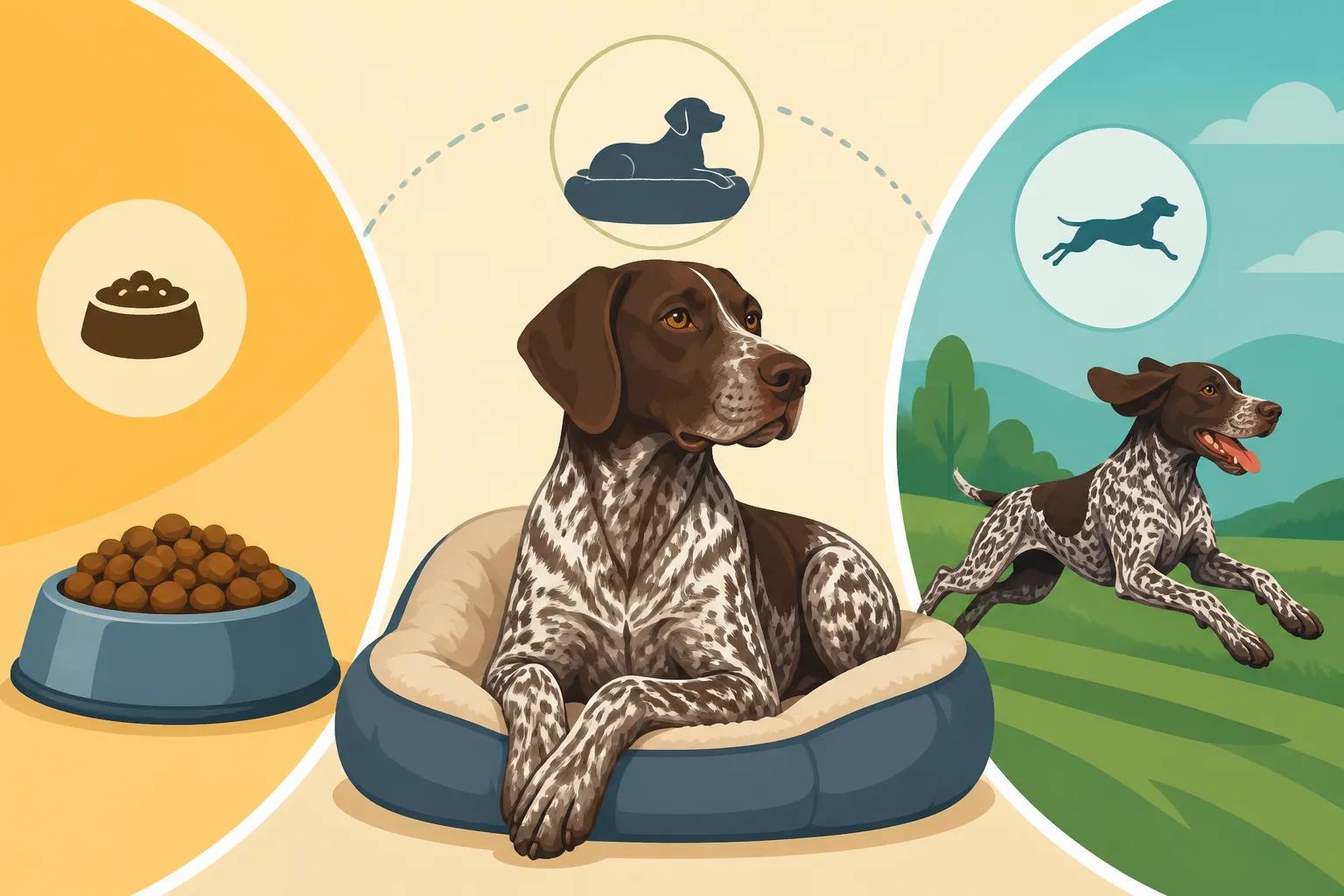
The Rest a Shorthair Needs Between Eating and Running
It’s a scenario many German Shorthaired Pointer owners know all too well: you’ve got a dog with boundless energy, always ready for the next adventure, but you also have to feed them. The struggle of balancing their ravenous appetite with their need for intense exercise can feel like walking a tightrope, especially when concerns about digestive issues like bloat loom large. This guide is here to walk you through the essential rest periods your GSP needs between eating and running, helping you navigate meal times and activity to keep your energetic companion healthy and safe.
The Critical Link Between Meals and Activity
For a German Shorthaired Pointer, food isn't just fuel; it's a vital component of their overall health and performance. However, the timing of that fuel delivery, particularly in relation to their high-octane lifestyle, is far more critical than many realize. There’s a direct and undeniable link between a full stomach and the potential for serious digestive crises, making careful scheduling an absolute must for GSP owners.
Understanding the Threat of Gastric Dilatation-Volvulus (Bloat)
When we talk about resting a German Shorthaired Pointer between eating and running, the biggest shadow lurking in the background is Gastric Dilatation-Volvulus, or G.D.V., more commonly known as bloat. This isn't just a simple tummy ache; it's a life-threatening emergency where the stomach fills with gas and often twists, cutting off blood flow and trapping everything inside. German Shorthaired Pointers, with their deep chests and active nature, are unfortunately among the breeds at higher risk for this terrifying condition. It can happen swiftly and without much warning, turning a perfectly happy dog into one in critical condition within hours. We've all heard the stories, or perhaps even lived through them, where a seemingly healthy dog suddenly goes into distress. This is why understanding The Bloat Risk a Shorthair Carries Into Every Season is so crucial; it’s a constant consideration for any GSP owner.
Imagine your dog, after a full meal, then immediately bounding across a field, leaping over logs, and stopping on a dime to point a bird. That vigorous movement can cause a full, heavy stomach to swing and shift, increasing the likelihood of it twisting. The exact mechanisms aren't fully understood, but the consensus among veterinarians and experienced GSP handlers is clear: physical activity on a full stomach is a significant contributing factor. Many heartbreaking cases underscore Why Bloat Follows a Shorthair's Hard Day Afield, making careful timing a proactive measure against this devastating condition.
How Digestion Works in an Active Dog
Beyond the immediate threat of bloat, intense physical activity right after eating can also just plain disrupt normal digestion. When your GSP eats, their body redirects blood flow to the digestive organs to break down food and absorb nutrients. If they immediately engage in strenuous exercise, that blood flow is then pulled away from the stomach and intestines and shunted to the muscles. This competition for resources means digestion becomes inefficient, leading to discomfort, reduced nutrient absorption, and potentially gastrointestinal upset like vomiting or diarrhea.
Think about how you feel after eating a big meal. Do you want to go for a sprint or lie on the couch? Our dogs are similar, though their energy levels might make them think they're ready to run a marathon right after polishing off their kibble. For a breed like the GSP, whose digestive system is primed for efficient nutrient extraction from high-energy foods, interruptions to this process can lead to more than just a temporary upset. It can impact their overall vitality and ability to perform consistently. Providing adequate rest allows their body to focus fully on breaking down their meal, minimizing discomfort and maximizing the nutritional benefits. This also helps distinguish between a true emergency and simple indigestion when you're checking on your dog, helping you rule out more serious issues like Telling a Shorthair's Bloat From a Belly Full of Water.
Establishing Safe Rest Intervals
So, if eating and running at the same time is such a risk, how do you manage a dog that seems to have an endless reserve of energy? The key lies in establishing consistent, safe rest intervals that allow for proper digestion without sacrificing their exercise needs. It's a balance, but one that is absolutely achievable with a bit of planning and discipline.
The Golden Rules for Pre- and Post-Exercise Feeding
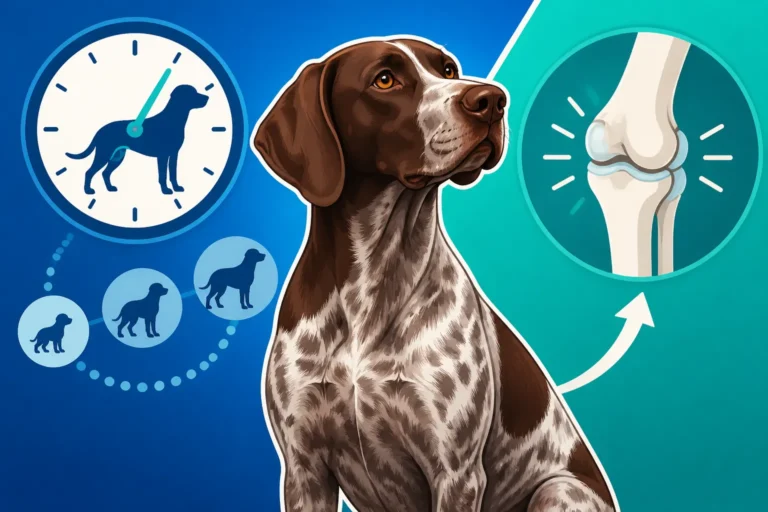
The general rule of thumb, and one that experienced GSP owners and veterinarians widely recommend, is to allow at least 1-2 hours of rest before any strenuous exercise and another 1-2 hours after exercise before offering a meal. For a high-energy, deep-chested breed like the German Shorthaired Pointer, many err on the side of caution and extend these periods, sometimes up to 2-3 hours, especially before or after intense activity like a long run, a field training session, or a full day of hunting.
This means if you're planning a morning run with your GSP, they should eat their breakfast well in advance, or wait until they’ve cooled down significantly and rested. Similarly, if you come back from a vigorous hike, resist the urge to immediately fill their bowl, no matter how hungry they seem. Give them time to settle, rehydrate, and for their systems to normalize. A good rule of thumb is that if you wouldn't want to immediately run after that big plate of spaghetti, your dog probably shouldn't either after their meal.
Here's a quick reference table to help visualize these crucial intervals:
| Activity Level | Time Before Meal | Time After Meal |
|---|---|---|
| Light Exercise | 30-60 minutes | 30-60 minutes |
| (e.g., short leash walk) | ||
| Moderate Exercise | 1-2 hours | 1-2 hours |
| (e.g., brisk walk, playtime) | ||
| Strenuous Exercise | 2-3 hours | 2-3 hours |
| (e.g., running, hunting, training) |
Note: These are general guidelines; always observe your individual dog's needs and consult your vet.
Crafting a Daily Schedule to Minimize Risk
Integrating these rest periods into a GSP's busy life can seem daunting, but it's entirely doable. The trick is to be consistent and to plan ahead. Many owners find that splitting their GSP's daily food ration into two smaller meals – one in the morning and one in the evening – works best. This reduces the volume of food in the stomach at any one time, potentially lessening the risk of bloat, and provides energy throughout the day.
Let's imagine a typical day: Your GSP wakes up full of beans. Instead of breakfast right away, take them out for a bathroom break and perhaps a moderate walk to stretch their legs. Then, come back, let them settle for an hour, and then offer their breakfast. After breakfast, it's enforced downtime – crate time, a quiet chew toy, or just lounging on their bed. Your main exercise session, like a serious run or field work, can then happen several hours later in the day. Alternatively, if morning runs are your thing, get up early, exercise, come home, let your dog cool down for 1.5-2 hours, and then serve breakfast.
For the evening, the pattern is similar. If you have an afternoon training session, aim to feed dinner a good 2-3 hours after they've finished working and had a chance to fully relax. This thoughtful scheduling around Feeding a German Shorthaired Pointer Around a Hunt ensures their body can handle the demands of both digestion and activity without undue stress. Remember, consistency is key; dogs thrive on routine, and establishing a predictable rhythm for meals and exercise helps their bodies adapt.
Special Considerations for Hunting and High-Intensity Days
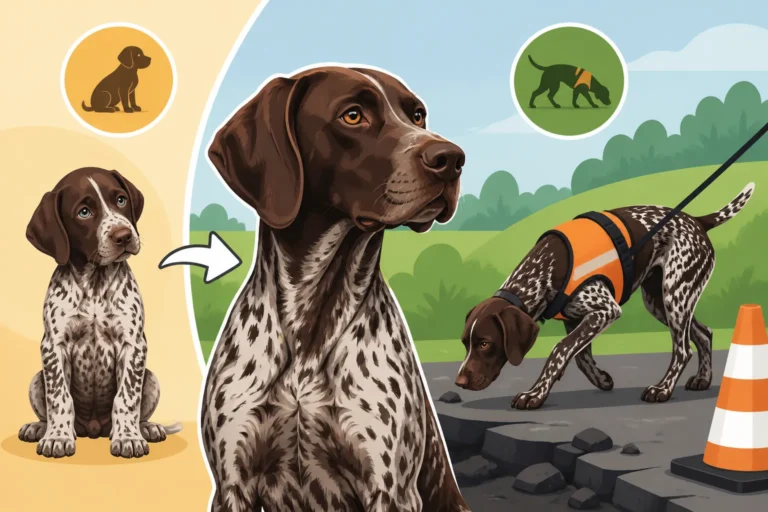
For German Shorthaired Pointers, a "high-intensity day" isn't an occasional treat; it's often their way of life. These are the dogs bred to hunt for hours, covering vast amounts of ground. Managing their feeding and hydration on such days requires even more meticulous planning to prevent serious health issues, including bloat and heat-related emergencies.
Strategizing Meals for Field Days
When your GSP is heading out for a full day in the field, whether it's for hunting, field trials, or intense training, the normal feeding schedule often needs adjustment. You certainly don't want to send them out with a full stomach, risking bloat or simply an uncomfortable, sluggish dog. A common strategy is to provide a smaller, easily digestible meal 3-4 hours before the hunt begins. This gives them some fuel without overloading their system. Many handlers opt for a high-quality kibble designed for active dogs, or even a small portion of a raw or fresh diet known for quicker digestion.
During the hunt itself, large meals are a no-go. Instead, focus on consistent hydration and small, energy-boosting snacks. Think about easily portable, calorie-dense treats given during breaks, perhaps when you're stopping for your own lunch. These can be specific performance bars designed for canine athletes, or even small pieces of cooked chicken. Crucially, ensure constant access to water. Dehydration can be a serious issue, and a well-hydrated dog is better equipped to handle the physical demands and can also help with digestion. Keeping your dog properly hydrated is just as important as feeding them right, so be mindful of Watering a German Shorthaired Pointer Through a Long Day. These carefully timed Snacks That Keep a Shorthair Going Midday are about sustained energy, not filling them up.
Recognizing and Responding to Digestive Distress
Even with the best planning, accidents and emergencies can happen. It’s absolutely vital for every GSP owner to know the signs of bloat and other digestive distress, especially on high-intensity days. Time is of the essence when it comes to bloat, and early recognition can be the difference between life and death. Look for signs like unproductive retching, where your dog is trying to vomit but nothing comes up, as detailed in The Unproductive Retching That Means a Shorthair Is Bloating. Other symptoms include a distended or hard abdomen, restlessness, pacing, drooling, weakness, and a general look of discomfort or pain. If you see these signs, do not wait. Get to an emergency vet immediately.
Beyond bloat, general digestive upset after intense exercise can manifest as vomiting, diarrhea, or a loss of appetite. While not as immediately life-threatening as bloat, these still warrant attention. Always carry a small emergency kit with you in the field, including basics like vet wrap, antiseptic, and contact information for your regular vet and the nearest emergency animal hospital. Knowing Emergency Care for a Bloating German Shorthaired Pointer is a skill no GSP owner ever wants to use, but one that is absolutely essential. Consider pet insurance from a provider like Healthy Paws; it can be an absolute lifesaver when unexpected emergencies, like bloat surgery or severe Field Injuries a Hunting German Shorthaired Pointer Comes Home With, hit your wallet hard. Having a plan for these scenarios, and possibly even discussing a prophylactic gastropexy with your vet as explored in The Gastropexy Decision on a Hunting Shorthair, can provide immense peace of mind.
It’s also crucial to monitor your GSP for signs of Heat Exhaustion in an Early Season Shorthair, as overheating can also contribute to digestive distress and other serious health problems. Always bring plenty of water, provide shade, and know when to call it a day, especially in warmer weather. Ensuring your GSP has proper health coverage, like a comprehensive plan from Healthy Paws, allows you to make quick, critical decisions based on medical need, not financial worry, if a serious condition arises. Regular check-ups are part of The Vet Schedule a Working Shorthair Should Keep, and these conversations are vital for prevention and readiness.
Disclaimer
Please remember that the information provided in this guide is for educational purposes only and should not replace professional veterinary advice. Always consult with your veterinarian for any health concerns or before making changes to your German Shorthaired Pointer's diet or exercise routine. Individual needs may vary, and your vet can provide personalized recommendations based on your dog's specific health status, age, and activity level.