The Gene Behind Cone Degeneration in Shorthairs
It’s truly disheartening to see your vibrant German Shorthaired Pointer, a breed known for its boundless energy and keen eyesight, struggle with something as fundamental as vision. When a dog who loves to run and hunt suddenly seems hesitant in bright light, or bumps into things they should easily see, it raises a lot of worry. This guide aims to shed light on cone degeneration in Shorthairs, specifically uncovering the gene responsible for this form of day blindness and how understanding it can help current owners and future breeders.
Understanding Cone Degeneration in German Shorthaired Pointers
Cone degeneration (CD) is a specific type of inherited retinal disease that affects a dog's ability to see in bright light and perceive colors. For a German Shorthaired Pointer, a dog that thrives on visual cues and an open field, this condition can be particularly challenging and heartbreaking for their families.
What is Cone Degeneration?
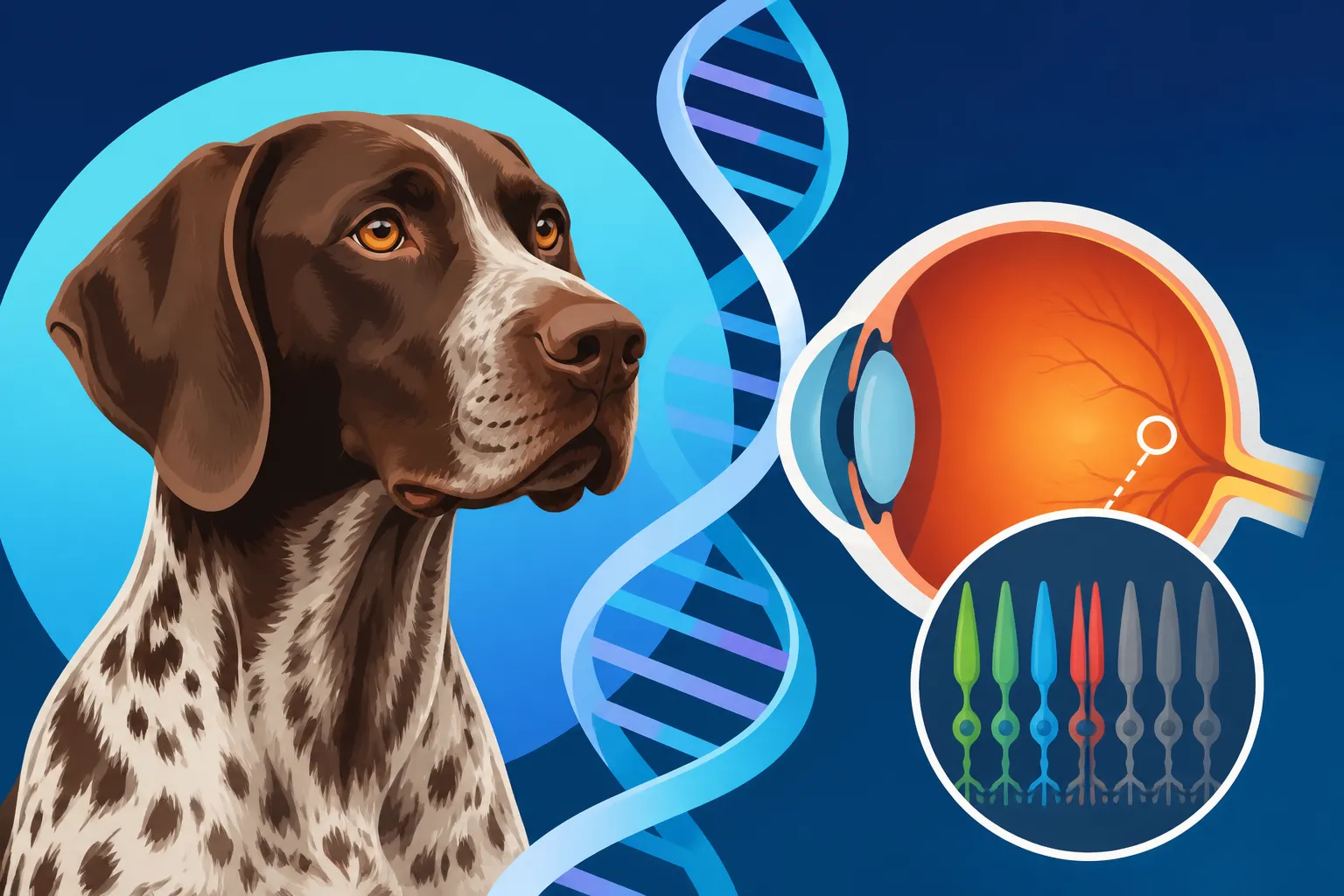
Imagine walking into a brightly lit room from a dark one, and for a moment, everything is a blur. Now imagine that feeling never quite goes away when the sun is out. That's a bit like what a dog with cone degeneration experiences. The retina in a dog's eye contains millions of specialized cells called photoreceptors: rods and cones. Rods are responsible for vision in low light (night vision), while cones handle vision in bright light and color perception. In German Shorthaired Pointers affected by cone degeneration, the cone photoreceptor cells in their eyes either develop abnormally or degenerate over time. This means their "day vision" is severely compromised. They can still see in dim light because their rods are generally unaffected, but once the sun comes out, they struggle immensely. It's often referred to as "day blindness" for this very reason.
This isn't a condition that suddenly appears overnight; it's a progressive issue, though the onset can be quite early in a puppy's life. The impact on a GSP, a breed prized for its sharp focus and ability to track birds in varied daylight conditions, is profound. Their natural instincts to chase, retrieve, and explore become hampered by their inability to process the visual information their brain expects from their eyes.
How Cone Degeneration Manifests in Shorthairs
The first signs of cone degeneration often become apparent when a German Shorthaired Pointer puppy is still quite young, typically between 8 to 12 weeks of age. This is around the time their vision should be fully developed, and they're starting to explore the world with gusto. Owners might notice their lively, inquisitive puppy suddenly becoming hesitant or bumping into furniture when taken outside on a sunny day. Inside, or in dimmer lighting, they might navigate perfectly fine, leading to initial confusion about the root cause.
You might observe specific behaviors that point towards this condition. For instance, a puppy with cone degeneration might avoid direct sunlight, preferring shady spots. When you toss a toy in the yard on a bright afternoon, they may struggle to locate it, or even completely miss it, acting as if they can't see it at all. Conversely, bring the same toy out at dusk or inside a dimly lit room, and they might retrieve it without a hitch. This stark contrast between their abilities in different light conditions is a hallmark of the disease. A young Shorthair with this condition may also show signs of anxiety or confusion when abruptly moved from a low-light environment to a bright one, perhaps freezing or stumbling. For a breed like the GSP, whose confidence is so tied to its physical prowess and environmental awareness, such vision impairment can significantly impact their quality of life, affecting their play, training, and overall well-being. It’s important to understand The Age Day Blindness Shows in a Shorthair Puppy to catch these signs early.
The Genetic Culprit: CNGA3 Gene Mutation
Understanding that cone degeneration is an inherited condition leads us to the heart of the matter: the specific gene responsible. In German Shorthaired Pointers, a particular mutation in the CNGA3 gene has been identified as the cause of this form of day blindness. This knowledge is crucial for breeders and owners alike, as it provides a clear path for diagnosis and, more importantly, prevention.
The Specific Gene and Its Role
The CNGA3 gene plays a vital role in the proper functioning of the cone photoreceptor cells in the retina. Think of it as a crucial blueprint for building a specific part of the eye's "daylight camera." This gene encodes a subunit of a cyclic nucleotide-gated (CNG) channel, which is essential for converting light signals into electrical signals that the brain can interpret as vision. When a mutation occurs in the CNGA3 gene in German Shorthaired Pointers, this channel doesn't work correctly, or the cone cells themselves don't develop or function as they should. The result is a failure to properly process light in bright conditions, leading to cone degeneration and the characteristic day blindness.
This specific mutation is inherited in an autosomal recessive pattern. This means that a dog must inherit two copies of the mutated gene—one from each parent—to be affected by cone degeneration. If a dog inherits only one copy of the mutated gene and one normal copy, they are considered a "carrier." Carriers typically do not show any symptoms of the disease themselves, as the single normal copy of the gene is usually sufficient for normal cone function. However, they can pass the mutated gene on to their offspring, which is where the breeding implications become so significant.
Inheritance Patterns and Breeding Implications
The autosomal recessive inheritance pattern of cone degeneration is incredibly important for breeders to grasp. It's the reason why two seemingly healthy, normally sighted German Shorthaired Pointers can produce puppies that are profoundly day blind.
Let's break down the possibilities:
- Clear Dog (NN): This dog has two normal copies of the CNGA3 gene and will not develop cone degeneration nor will it pass on the mutated gene.
- Carrier Dog (NC): This dog has one normal copy and one mutated copy of the CNGA3 gene. They are clinically normal, meaning they can see perfectly fine, but they carry the gene and can pass it to 50% of their offspring.
- Affected Dog (CC): This dog has two mutated copies of the CNGA3 gene and will develop cone degeneration, exhibiting the symptoms of day blindness. They will pass one mutated copy of the gene to all of their offspring.
Here’s a simple breakdown of potential outcomes when breeding:
| Parent 1 (Genetic Status) | Parent 2 (Genetic Status) | Offspring Possibilities (Probability) | Implications |
|---|---|---|---|
| Clear (NN) | Clear (NN) | 100% Clear (NN) | No affected or carrier offspring. Ideal breeding pair for this gene. |
| Clear (NN) | Carrier (NC) | 50% Clear (NN), 50% Carrier (NC) | No affected offspring, but some will be carriers. Good option if one parent is valuable. |
| Clear (NN) | Affected (CC) | 100% Carrier (NC) | All offspring will be carriers. Should be avoided if possible. |
| Carrier (NC) | Carrier (NC) | 25% Clear (NN), 50% Carrier (NC), 25% Affected (CC) | High risk! 1 in 4 chance of producing affected puppies. Avoid this pairing. |
| Carrier (NC) | Affected (CC) | 50% Carrier (NC), 50% Affected (CC) | Extremely high risk! Half the litter will be affected. Absolutely avoid this pairing. |
| Affected (CC) | Affected (CC) | 100% Affected (CC) | All offspring will be affected. This pairing should never happen. |
As you can see, the breeding of two carrier dogs, or a carrier with an affected dog, poses a significant risk for producing puppies that will suffer from day blindness. This is why understanding Whether a Carrier Shorthair Ever Loses Its Sight is so crucial; just because a carrier appears healthy doesn't mean their offspring will be. Responsible breeders recognize this and use genetic testing to make informed decisions, protecting the future health of the German Shorthaired Pointer breed.
Genetic Testing and Responsible Breeding Practices
The good news amidst the challenges of an inherited condition like cone degeneration is that we have the tools to identify and manage it. Genetic testing has revolutionized the way breeders can approach hereditary diseases, offering a clear path to minimize and eventually eliminate their presence in future generations of German Shorthaired Pointers.
Why Genetic Testing is Essential
For any German Shorthaired Pointer breeder committed to producing healthy puppies, genetic testing for the CNGA3 mutation is not just recommended, it's absolutely essential. Without knowing the genetic status of your breeding stock, you're essentially breeding blindfolded, with the potential to unknowingly perpetuate a painful genetic disease. Imagine the heartache of an owner who brings home a lively GSP puppy, only to realize a few months later that their beloved companion struggles with basic vision outdoors. This is a preventable scenario.
Genetic testing allows breeders to definitively determine if a dog is clear, a carrier, or affected by the CNGA3 mutation. This simple, non-invasive test, often requiring just a cheek swab or blood sample, provides invaluable information that guides breeding decisions. By testing potential breeding dogs, breeders can ensure that no affected puppies are produced. For instance, a responsible breeder would never breed two carriers together. They might choose to breed a carrier with a clear dog, knowing that while some puppies might be carriers, none will be affected by the disease. This allows valuable genetic lines to continue without sacrificing the health of the puppies. Reputable organizations like the Orthopedic Foundation for Animals (OFA) often maintain databases of health test results, making it easier for potential buyers to verify a puppy's lineage. Understanding The Gene Behind Cone Degeneration in Shorthairs and proactively testing is a cornerstone of ethical breeding.
Interpreting Test Results and Making Breeding Decisions
Once you have your German Shorthaired Pointer's genetic test results for the CNGA3 gene, interpreting them is straightforward, but making responsible breeding decisions based on those results requires careful consideration.
- "Clear" (NN) Results: This is the ideal result for a breeding dog. A clear dog has no copies of the mutated gene and cannot pass cone degeneration to its offspring. They can be safely bred to any other clear, carrier, or even an affected dog (though breeding to an affected dog would produce 100% carriers, which is generally avoided unless there's an extraordinary reason to preserve that specific affected dog's genetics for other beneficial traits, and then only with strict management of offspring).
- "Carrier" (NC) Results: A carrier dog has one copy of the mutated gene but does not display symptoms of cone degeneration. While they are healthy themselves, they must only be bred to a "clear" dog. This pairing will ensure no affected puppies are produced, though approximately half of the puppies will also be carriers. This strategy allows for the careful preservation of desirable traits from a carrier dog, while gradually working to reduce the prevalence of the mutated gene in the gene pool over generations.
- "Affected" (CC) Results: An affected dog has two copies of the mutated gene and will develop cone degeneration. These dogs should never be bred. Their primary focus should be on their welfare and managing their day blindness.
The goal isn't necessarily to eliminate all carriers from the breeding pool immediately, as that could severely limit genetic diversity, especially in breeds with smaller gene pools. Instead, it's about making informed choices to ensure no affected puppies are born and to slowly decrease the frequency of the gene. By knowing the status of both parents, breeders can guarantee that every puppy born is either clear or a carrier, never affected. If you're considering a GSP puppy, always ask the breeder about the genetic testing they've performed on the parents, especially for conditions like cone degeneration. For unexpected veterinary needs, whether for diagnostics like ordering A Prolapsed Third Eyelid on a Young Shorthair or more serious issues, having a reliable pet insurance provider like Healthy Paws can provide immense peace of mind. They help cover costs related to accidents and illnesses, ensuring your Shorthair gets the care they need without financial strain. You can even check out how to manage Managing a German Shorthaired Pointer's Lifelong Skin Disease or costs associated with Mast Cell Tumor Removal Prices for a Shorthair through such plans.
Ultimately, preventing the birth of affected puppies requires diligent testing and ethical decision-making. If you have a GSP that is a carrier and you're not planning to breed, there's generally no concern for their own health, but it's important information for their descendants if they were to accidentally have a litter. Knowing the genetic makeup of breeding animals helps preserve the health and vitality of this magnificent breed for generations to come, ensuring that The Twelve to Fourteen Years a German Shorthaired Pointer Gets are filled with clear sight and joyful adventures. For those considering buying a puppy, inquire about Reading a German Shorthaired Pointer's Eye Certificate to ensure parental health screenings are comprehensive. The importance of genetic health extends to other conditions too, such as understanding Hips and the CHIC Panel a German Shorthaired Pointer Needs for overall health certifications. Furthermore, being prepared for potential health issues with robust pet insurance, like Healthy Paws, is always a wise decision for a GSP owner. This ensures that you can focus on your dog's well-being and not be blindsided by veterinary expenses, whether it's for an eye condition or other health concerns like The Bloat Risk a Shorthair Carries Into Every Season.
Living with a German Shorthaired Pointer Affected by Cone Degeneration
Discovering that your German Shorthaired Pointer is affected by cone degeneration can be incredibly tough. While the initial reaction might be one of sadness or frustration, it’s important to remember that these dogs can still lead full and happy lives with the right support and adaptations from their devoted owners. Their lack of day vision doesn't diminish their spirit or their capacity for love and joy.
Adapting Their Environment for Safety and Comfort
The primary challenge for a GSP with cone degeneration is navigating the world in bright light. This means the first and most important step is to adapt their living environment to ensure their safety and comfort. Inside the home, try to maintain consistent furniture placement to create a predictable layout. Dogs are incredibly adept at memorizing their surroundings, and a stable environment allows them to move confidently even with impaired vision. Consider adding textured mats or rugs near doorways or stairs to provide sensory cues for changes in elevation. While these dogs are known for being tenacious, bumping into things repeatedly can cause anxiety or injury.
Outdoors is where the "day blindness" truly comes into play. If your yard is fenced, ensure there are no tripping hazards like garden hoses, tools, or uneven ground. Many owners find it helpful to only let their affected GSP outside for potty breaks or short, supervised excursions during dusk, dawn, or on cloudy days when the light is less intense. For sunny days, a shaded area, like a covered patio or a large tree, becomes their sanctuary. Training a specific verbal cue for steps, curbs, or obstacles can also be incredibly useful, guiding them safely. For walks, always use a leash and harness, guiding them patiently. Remember, How a Day Blind Shorthair Behaves in Bright Sun can be distressing for them, so minimizing their exposure to intense sunlight is key.
Enrichment and Activity for a Day Blind Shorthair
Just because a German Shorthaired Pointer has cone degeneration doesn't mean their zest for life or their need for mental and physical stimulation disappears. They still possess that incredible drive and intelligence; you just need to tap into their other senses. Scent work is an excellent avenue for enrichment. Hide-and-seek with treats, snuffle mats, or dedicated nose work games can provide immense satisfaction. Their powerful noses, a hallmark of the breed, become their superpower. You can encourage their natural hunting instincts with scent trails or by hiding favorite toys around the house or a shaded area of the yard, allowing them to use their nose to "hunt."
Auditory cues are also invaluable. Use squeaky toys, crinkly balls, or verbal commands to engage them during playtime. A long line in a safe, familiar, and shaded field can allow them to run and explore using their hearing and smell, always with your supervision. While traditional field work might be challenging, some day-blind Shorthairs can still participate in modified versions of retrieving games, especially if targets are introduced with a distinct sound or scent, and conducted in appropriate lighting. Regular exercise tailored to their condition is vital for their physical health and mental well-being. Even if their hunting days in bright fields are over, their companionship and affection remain undimmed, and ensuring they have a stimulating life is a wonderful way to honor their spirit. Don't forget, for a hunting breed, even modified activity is important for their The Age a German Shorthaired Pointer Slows in the Field and overall well-being. Understanding Whether a Day Blind German Shorthaired Pointer Can Still Hunt involves assessing individual dogs and making careful adaptations.
Disclaimer
This article is intended for informational purposes only and does not constitute professional veterinary advice. Always consult with a qualified veterinarian or a certified canine ophthalmologist for any health concerns or before making any decisions related to your German Shorthaired Pointer's health or breeding.