A Prolapsed Third Eyelid on a Young Shorthair
It’s a moment no German Shorthaired Pointer owner wants to experience: you look at your energetic, beautiful young dog, and suddenly, there's a startling red mass protruding from the corner of their eye. This unsettling sight, often described as a "cherry," is typically a prolapsed gland of the third eyelid, a condition that can be alarming but is thankfully treatable. This guide will walk you through understanding, identifying, and addressing a prolapsed third eyelid in your beloved Shorthair.
What Exactly Is a Prolapsed Third Eyelid?
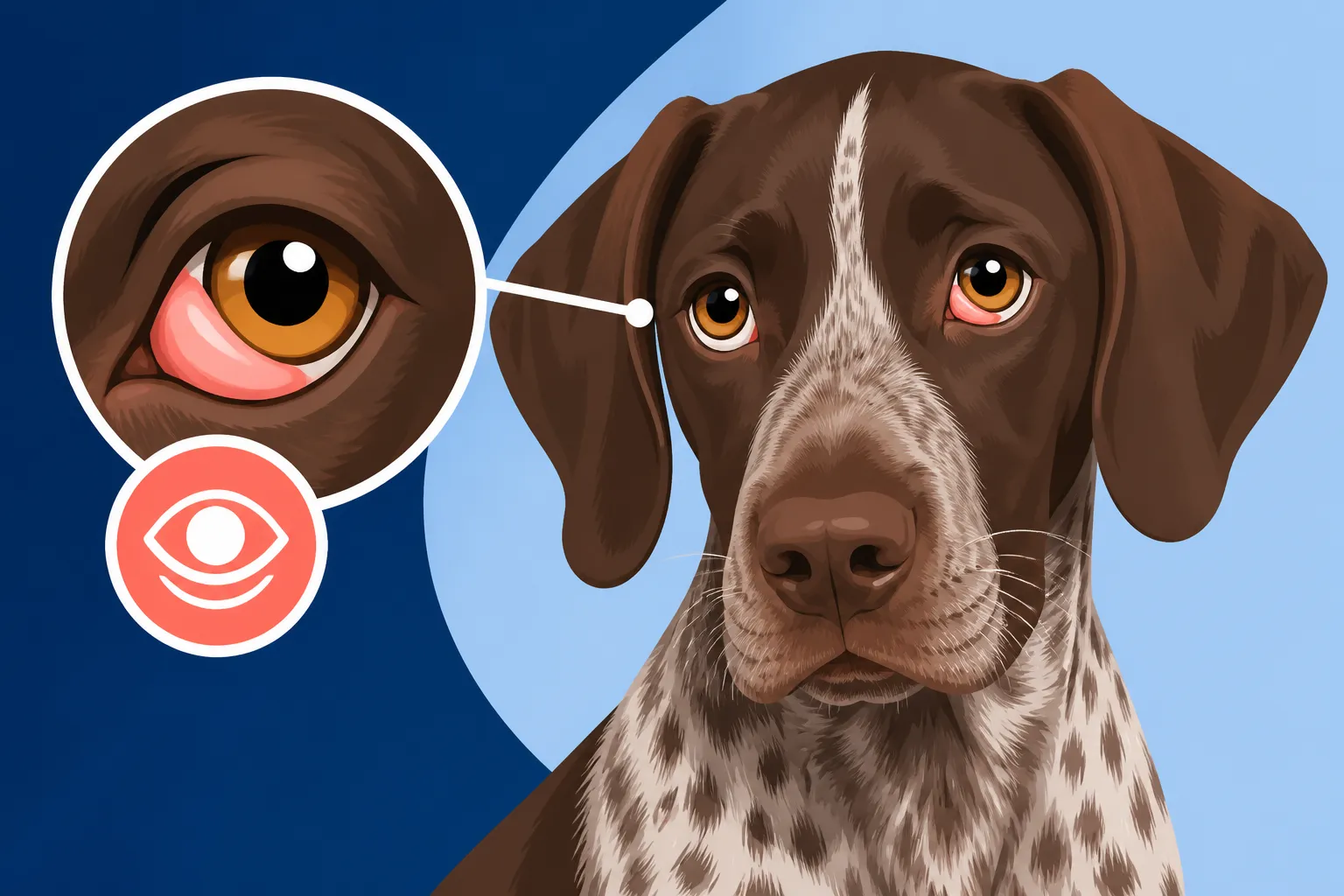
When you first spot that red, fleshy blob in your GSP's eye, your heart might sink, wondering what on earth it could be. It looks painful, scary, and certainly out of place. This condition, commonly known as "cherry eye," is medically termed a prolapse of the nictitating membrane gland, or simply, the gland of the third eyelid. It's crucial to understand that it's not the eyelid itself that's prolapsed, but a vital little gland tucked within it.
Understanding the Canine Eye Structure
Dogs, including our robust German Shorthaired Pointers, have an extra layer of protection for their eyes that we humans don't possess: the third eyelid, or nictitating membrane. Think of it as a hidden eyelid, a pearly-white or sometimes translucent tissue located in the inner corner of their eye, closest to the nose. Its primary job is to sweep across the eye, distributing tear film, clearing debris, and providing an additional shield against potential injury, especially important for a breed that spends so much time diving into brush and cover.
Crucially, within this third eyelid lies a very important tear gland. This gland is responsible for producing a significant portion – about 30-50% – of the watery component of your GSP's tears. Normally, this gland is securely anchored in place by connective tissue, out of sight and doing its job diligently without you ever noticing. It's an unsung hero of canine eye health, working silently behind the scenes to keep the eye lubricated and protected.
The Anatomy of a Prolapse
So, what goes wrong? A prolapsed third eyelid occurs when the connective tissue that holds this tear gland firmly in place weakens or breaks down. When this happens, the gland essentially "flips" or "rolls" out from its normal position behind the third eyelid, becoming visible. It then appears as a distinct pinkish-red, often oval-shaped mass, typically peeking out from the inner corner of the eye. This is where the term "cherry eye" comes from, as it really does resemble a small, inflamed cherry.
While it might look like a painful injury, the prolapse itself isn't usually acutely painful for your dog. However, it is extremely irritating and uncomfortable. Imagine having a persistent foreign object in your eye that you can't get rid of – that's essentially what your Shorthair is experiencing. This constant irritation can lead to further problems, making prompt attention vital.
Why Young Shorthairs Are Prone
German Shorthaired Pointers, along with several other breeds like Beagles, Bulldogs, and Cocker Spaniels, have a known predisposition to cherry eye. This isn't due to anything you've done wrong as an owner, but rather a genetic component often linked to the breed's connective tissue. For Shorthairs, their active lifestyle and the demands placed on their eyes during hunting or intense exercise might exacerbate an already present genetic tendency for weaker connective tissue in this area.
The condition most commonly appears in young dogs, typically under two years of age, though it can manifest at any age. This is often because the connective tissue is still developing or reaching its full strength, and any inherent weakness becomes apparent during this period of growth and increased activity. It's a common frustration for owners of young, high-energy breeds, as just when your puppy is hitting their stride and exploring the world, this unexpected eye issue can pop up.
Spotting the Signs and Symptoms of Cherry Eye
The sudden appearance of a prolapsed third eyelid can be quite startling, but recognizing the signs early is key to getting your Shorthair the care they need. It’s more than just a cosmetic issue; it’s a health concern that requires attention.
The Obvious Red Mass
The most unmistakable sign of cherry eye is the characteristic fleshy, pink-to-red mass protruding from the inner corner of your German Shorthaired Pointer's eye. This mass is the swollen, displaced tear gland. It can range in size from a small pea to a sizable grape, sometimes covering a good portion of the eyeball. You might notice it more prominently when your dog is excited, panting, or has been exercising vigorously, as increased blood flow can make it more prominent.
It's important to observe if the mass retracts at all. Sometimes, in the very early stages, it might pop in and out, especially when your dog is sleeping or calm. However, as the condition progresses and the gland becomes more inflamed and irritated, it tends to stay prolapsed consistently. Don't be fooled by temporary disappearances; if you've seen it once, it's a concern that needs veterinary assessment.
Secondary Issues and Discomfort
While the cherry-like protrusion is the main visual cue, your GSP might show other signs of discomfort or secondary issues. One of the first things you might notice is your dog pawing at their eye or rubbing their face against furniture or the floor. This is a clear indicator of irritation. They might also blink excessively or squint, trying to alleviate the feeling of something being in their eye.
You might also observe eye discharge. Initially, this could be clear and watery, a result of the eye attempting to flush out the irritant. As inflammation progresses or if bacteria take hold, the discharge can become thicker, mucous-like, or even pus-filled, indicating a secondary infection. The conjunctiva – the pink membrane lining the eyelids – often becomes red and swollen, a condition known as conjunctivitis, which further adds to your dog's discomfort. Over time, if left untreated, the exposed gland can become dry, cracked, and even ulcerated, leading to more significant pain and potential vision problems.
Differentiating from Other Eye Problems
It's easy to jump to conclusions when you see something amiss with your dog's eye, but it's important to remember that not all red eyes or lumps are cherry eye. While the red mass in the inner corner is quite distinctive, other conditions can mimic some of the symptoms. For instance, a foreign body lodged in the eye, like a grass awn from a field hunt or a stubborn burr, can cause significant redness, discharge, and pawing. However, a foreign body usually won't present as a smooth, rounded mass.
Severe conjunctivitis from allergies or infection can also make the eye appear very red and swollen, sometimes making the third eyelid itself more prominent. This might be especially true for a German Shorthaired Pointer who is prone to environmental allergies in the fields they run through, as discussed in Environmental Allergies in a Shorthair That Works Cover. However, true conjunctivitis typically doesn't involve the gland itself protruding. Tumors, though rare in young dogs, could also appear as a mass, but they usually have a different texture and often grow more slowly. This is why a prompt visit to your veterinarian is crucial for an accurate diagnosis and appropriate treatment plan. They will be able to perform a thorough examination and rule out other potential issues.
Treatment Options for a Prolapsed Third Eyelid
Finding that "cherry" in your young German Shorthaired Pointer's eye can be worrying, but the good news is that prolapsed third eyelids are highly treatable. The goal of treatment is always to restore the gland to its normal position, thus preserving its vital tear production function and preventing further complications.
Medical Management and Temporary Solutions
In some very mild or acute cases, especially if it’s caught right as it occurs, your veterinarian might attempt a non-surgical approach first. This typically involves gently massaging the prolapsed gland back into place. While this might sound simple, it's often more challenging than it appears, and success rates for long-term correction through massage alone are quite low. The underlying issue of weakened connective tissue remains, so the gland often prolapses again shortly after.
Along with a manual reduction attempt, your vet will likely prescribe topical anti-inflammatory eye drops or ointments to reduce swelling and irritation. If there’s any sign of secondary bacterial infection due to the exposed gland, antibiotic eye drops would also be prescribed. These medical treatments are primarily aimed at reducing discomfort and inflammation, potentially making a surgical correction easier, but they rarely resolve the prolapse permanently on their own. Think of them as a way to keep your dog comfortable while you prepare for a more definitive solution.
Surgical Correction Techniques
For most German Shorthaired Pointers with a prolapsed third eyelid, surgery is the most effective and often the only permanent solution. The primary aim of surgery is to reposition the tear gland back into its anatomical pocket and secure it there, preserving its crucial tear-producing function. This is critical because the gland produces a significant portion of the eye's natural lubrication, and losing it can lead to serious long-term complications.
Pocket Technique (Morgan Pocket Suture)
The most common and highly successful surgical procedure for cherry eye is known as the "pocket technique" or "Morgan Pocket Suture." During this procedure, the veterinary ophthalmologist or experienced general practitioner carefully creates a small pocket of conjunctival tissue on the inside of the third eyelid. The prolapsed gland is then tucked back into this newly formed pocket. Fine sutures are used to close the opening of the pocket, effectively holding the gland in its correct, hidden position. The sutures are placed in such a way that they are entirely internal and don't irritate the surface of the eye.
The beauty of the pocket technique is that it completely preserves the gland, allowing it to continue producing tears. This significantly reduces the risk of developing "dry eye," or keratoconjunctivitis sicca (KCS), which is a serious and often lifelong condition. The success rate for this procedure is generally very high, often exceeding 90-95%, especially when performed by a skilled surgeon. Your Shorthair will be under general anesthesia for this procedure, so your vet will discuss pre-anesthetic bloodwork and considerations, particularly for a lean, active breed like a GSP, as detailed in Anesthesia Risk in a Lean German Shorthaired Pointer.
Excision (Removal) – Why It's Generally Avoided
In years past, or in certain rare circumstances today, some vets might have considered removing the prolapsed gland entirely. However, this method, known as excision, is now largely avoided and considered a last resort by veterinary ophthalmologists. The reason is simple: removing the gland eliminates a significant source of tear production.
The consequence of excision is a very high risk of developing dry eye (KCS) later in life. KCS is a chronic, painful, and often incurable condition that requires lifelong medication and management to prevent blindness and severe discomfort. While excision might seem like a quicker fix, the long-term ramifications for your German Shorthaired Pointer's eye health can be severe. It's typically only considered in extreme cases where the gland is severely damaged beyond repair, has failed multiple tuck procedures, or if there's a suspected tumor. Always prioritize a gland-preserving technique if at all possible.
Post-Operative Care and Recovery
After surgery, your German Shorthaired Pointer will need some focused post-operative care to ensure a smooth recovery and successful outcome. The veterinary team will provide detailed instructions, and it’s crucial to follow them diligently.
Firstly, your GSP will almost certainly need to wear an Elizabethan collar, often called a "cone of shame," for about 10-14 days. This is non-negotiable, as scratching or rubbing the surgical site can undo the delicate work of the sutures and lead to surgical failure or infection. It might be annoying for your energetic Shorthair, but it's vital for their healing.
Medication will be prescribed, typically including oral anti-inflammatory drugs to manage pain and swelling, and possibly oral antibiotics if there was a secondary infection or a risk of one. You will also likely administer topical antibiotic and anti-inflammatory eye drops or ointments for several weeks. Make sure you understand the correct way to apply these and the frequency.
Activity restriction is another key component. For at least two weeks, your GSP will need to avoid strenuous exercise, rough play, and anything that could put strain on the surgical site. This means no long runs in the field, intense fetching, or wrestling with other dogs. Leash walks for potty breaks are usually fine, but keep them calm. Your vet will schedule follow-up appointments, usually around 10-14 days post-op, to check the healing progress and remove any external sutures if they were used. Monitoring your dog for any signs of swelling, increased redness, discharge, or if the gland prolapses again is essential, and you should contact your vet immediately if you notice anything concerning.
Dealing with the cost of unexpected veterinary procedures like this can be a real concern for pet parents. This is where having robust pet insurance, such as a plan from Healthy Paws, can make a huge difference, covering a significant portion of those surgical and medication costs.
What Happens If Left Untreated?
It might be tempting to hope a prolapsed third eyelid will just go away on its own, especially if your German Shorthaired Pointer doesn't seem to be in extreme pain. However, leaving "cherry eye" untreated can lead to a cascade of more serious, painful, and costly problems down the line. It's not just a cosmetic issue, but a genuine threat to your dog's long-term eye health.
Chronic Irritation and Infection
The most immediate consequence of an untreated prolapsed gland is chronic irritation. The exposed gland is sensitive and not designed to be constantly rubbing against the outside world. This constant exposure to air, dust, dirt, and allergens causes the gland to become perpetually inflamed, red, and swollen. Your Shorthair will likely paw at their eye frequently, blink excessively, and squint, all in an attempt to alleviate the discomfort.
This chronic irritation creates a perfect breeding ground for bacteria. The moist, inflamed tissue is highly susceptible to secondary bacterial infections. These infections lead to thick, gooey discharge, increased redness, pain, and can even cause corneal ulcers if left unchecked. A simple, treatable prolapse can quickly escalate into a painful, sight-threatening infection requiring more intensive and prolonged medical treatment.
Risk of Dry Eye (KCS)
This is perhaps the most significant and concerning long-term complication of an untreated prolapsed third eyelid. Remember, the gland within the third eyelid is responsible for producing a substantial portion of your dog's tears. When it's prolapsed and exposed, it's constantly irritated, which can damage its delicate tear-producing tissue. Over time, this damage can lead to a significant decrease in tear production.
The result is keratoconjunctivitis sicca, or KCS – more commonly known as "dry eye." Dogs with KCS cannot produce enough tears to keep their eyes properly lubricated. This leads to chronic discomfort, inflammation, mucous discharge, and damage to the cornea, which can eventually lead to scarring, pigmentation, and even blindness. KCS is often a lifelong condition requiring daily eye drops and management, a far more challenging and expensive commitment than a single surgery to tuck the gland back into place. For an active breed like a German Shorthaired Pointer, vision impairment due to KCS could significantly impact their quality of life and ability to engage in activities they love.
Vision Impairment and Other Complications
Beyond chronic irritation and the risk of dry eye, an untreated prolapsed third eyelid can directly impact your Shorthair's vision and lead to other structural issues. The swollen mass itself can physically obstruct a portion of your dog's field of vision, making it harder for them to navigate, particularly in dim light or dense cover. This might not seem like a huge deal to us, but for a hunting dog, clear peripheral vision is paramount.
Furthermore, the exposed gland is vulnerable to trauma. A playful bump from another dog, running through thorny brush, or even an accidental paw swipe can cause direct injury to the gland, leading to bleeding, increased swelling, and further infection. The chronic inflammation can also lead to changes in the surrounding conjunctival tissue and even affect the structure of the eyelid itself over time. Ultimately, an untreated cherry eye is a ticking time bomb for your German Shorthaired Pointer's ocular health, transforming a relatively straightforward fix into a complex and potentially debilitating problem. This is one of those situations where early intervention, while an investment, can save you a lot of heartache and expense down the road, making pet insurance from providers like Healthy Paws even more valuable.
| Treatment Option | Pros | Cons | Typical Success Rate | Considerations |
|---|---|---|---|---|
| Manual Reduction | Non-invasive, no anesthesia, lowest immediate cost | Very low long-term success rate, gland often prolapses again | <10% | Usually attempted only in very acute, first-time cases; temporary relief only. |
| Pocket Technique (Morgan Suture) | Preserves tear gland, high success rate, prevents dry eye | Requires general anesthesia, surgical cost, post-operative care (cone, medication) | >90% | Gold standard for treatment, minimal recurrence if performed correctly. |
| Excision (Gland Removal) | "Permanent" removal of the visible mass | High risk of chronic dry eye (KCS), irreversible loss of tear production, lifelong medication | 95%+ (for removal) | Generally avoided unless absolutely necessary (e.g., severe trauma, tumor); not recommended for young Shorthairs. |
The health and happiness of our German Shorthaired Pointers are always at the forefront of our minds. Recognizing a condition like a prolapsed third eyelid and acting quickly is a testament to the care you provide. Whether you're focused on their daily exercise, as described in The Two Hours a Day a German Shorthaired Pointer Needs, or planning their annual health checks, understanding issues like cherry eye is part of being a responsible owner. Ensuring your dog undergoes a thorough The Vet Schedule a Working Shorthair Should Keep can help catch many issues early, and considering the costs laid out in The First Year Bills on a German Shorthaired Pointer reminds us that prevention and prompt treatment are often the best economic choices in the long run. If you notice any unusual changes in your dog's eyes, don't hesitate to consult your veterinarian. Early diagnosis and intervention for conditions like this are always best.
Disclaimer
The information provided in this article is for general informational purposes only and is not a substitute for professional veterinary advice. Always consult with a qualified veterinarian for any health concerns or before making any decisions related to your German Shorthaired Pointer's health or treatment.