Getting a Shorthair’s Temperature Down After a Run
There are few things more alarming than watching your active, high-energy German Shorthaired Pointer come in from a run, panting excessively, looking distressed, and clearly struggling with the heat. As owners of these incredible athletes, we often push them hard, sometimes a little too hard, and the consequences of an overheated dog can be severe. This guide is dedicated to helping you recognize the signs of an overheated GSP and, most importantly, provide clear, actionable steps to safely and effectively bring their temperature down and prevent serious health complications.
Understanding Heat Stress in German Shorthaired Pointers
German Shorthaired Pointers are built for speed, endurance, and working tirelessly in the field. However, these very traits, combined with their physiology, make them surprisingly susceptible to overheating if we aren't careful. It’s not just about a hot day; it's about cumulative heat, humidity, and the intensity of their activity.
Why GSPs are Prone to Overheating
Our shorthairs are truly remarkable dogs, driven by an insatiable desire to run, point, and retrieve. They often push past their limits, ignoring their own discomfort when there's a job to be done or a bird to be found. This relentless drive means they won't always tell you they're too hot until it's already a problem. Unlike many breeds with thick coats that act as insulation, the GSP's short, dense coat offers minimal protection against extreme heat. Their primary way to cool down is by panting, which becomes less effective in high humidity because the evaporative cooling process on their tongue and in their respiratory tract is hampered. When the air is already saturated with moisture, their ability to shed heat drastically reduces, leading to a rapid rise in body temperature.
Think about a typical hunting scenario: your Shorthair is quartering a field, running hard, nose to the ground, focused entirely on the scent. They're not stopping for water breaks or seeking shade on their own. This sustained, high-intensity exercise generates a tremendous amount of internal body heat. If it’s an early September day with high humidity, even if the ambient temperature isn't scorching, their body temperature can climb dangerously quickly. They're bred to work, and that incredible work ethic can sometimes be their undoing if we aren't vigilant guardians of their well-being. This is why understanding The Temperature a German Shorthaired Pointer Should Not Hunt In is so critical for their safety.
Recognizing the Signs of Overheating
It's easy to dismiss heavy panting after a run as normal for such an active breed, but there's a fine line between healthy exertion and dangerous overheating. Learning to differentiate these signs is paramount. Mild overheating might just look like heavier panting than usual, with your dog perhaps seeking shade more often or slowing their pace. Their gums might appear a darker pink or even slightly red. As the situation escalates, the signs become much more pronounced and concerning. You might notice excessive drooling, a lack of coordination, stumbling, or a glassy-eyed appearance.
A truly overheated GSP will often have bright red, almost brick-red gums and tongue, indicating severe vasodilation as their body desperately tries to cool itself. Their breathing might become labored and noisy, not just heavy panting. They might even collapse or refuse to move. I remember a time my young GSP, Scout, pushed himself too hard on a particularly muggy afternoon. After a long session fetching bumper dummies, he came back, not just panting, but gasping for air, his eyes wide and unfocused, and his gums were a frightening dark red. It was a stark lesson in how quickly these dogs can get into trouble. Knowing these signs can mean the difference between a quick cool-down and a trip to the emergency vet. You should also be aware of Signs a Shorthair Is Overheating in the Field to prevent it from escalating.
The Dangers of Heatstroke
Heatstroke is not just severe overheating; it's a medical emergency that can lead to irreversible organ damage and death if not treated immediately and effectively. When a dog's core body temperature rises too high—typically above 104-105°F (40-40.6°C)—their internal systems begin to break down. The proteins in their cells can denature, much like cooking an egg, leading to cellular damage. This can affect every major organ, including the brain, kidneys, liver, and heart.
The consequences are devastating: acute kidney failure, disseminated intravascular coagulation (DIC), which causes widespread abnormal clotting and bleeding, brain swelling, and severe gastrointestinal issues. Even if a dog survives heatstroke, they might suffer long-term complications, such as chronic kidney disease or neurological problems. Prompt recognition and immediate, appropriate cooling are critical. The goal is to bring their temperature down gradually and safely, without causing secondary issues like shock. This is why it’s not enough to just know what to do; you need to do it right and quickly.
Immediate Steps to Cool Down Your Shorthair
When you suspect your German Shorthaired Pointer is overheating, every second counts. Your immediate actions can significantly impact their outcome. Don't panic, but act with purpose and speed.
Getting Out of the Sun and Off Hot Surfaces
The very first thing you need to do is remove your dog from the heat source. If you're out in a field, quickly get them to the nearest patch of shade—under a tree, behind your vehicle, or even create shade with a blanket or jacket if nothing else is available. If you're on pavement, understand that concrete and asphalt can be scorching hot, absorbing and radiating heat back onto your dog. Get them onto a cooler surface like grass or dirt immediately. Don't make them walk on hot surfaces if they're already struggling. If they're showing signs of severe distress, gently carry or assist them to a cooler spot.
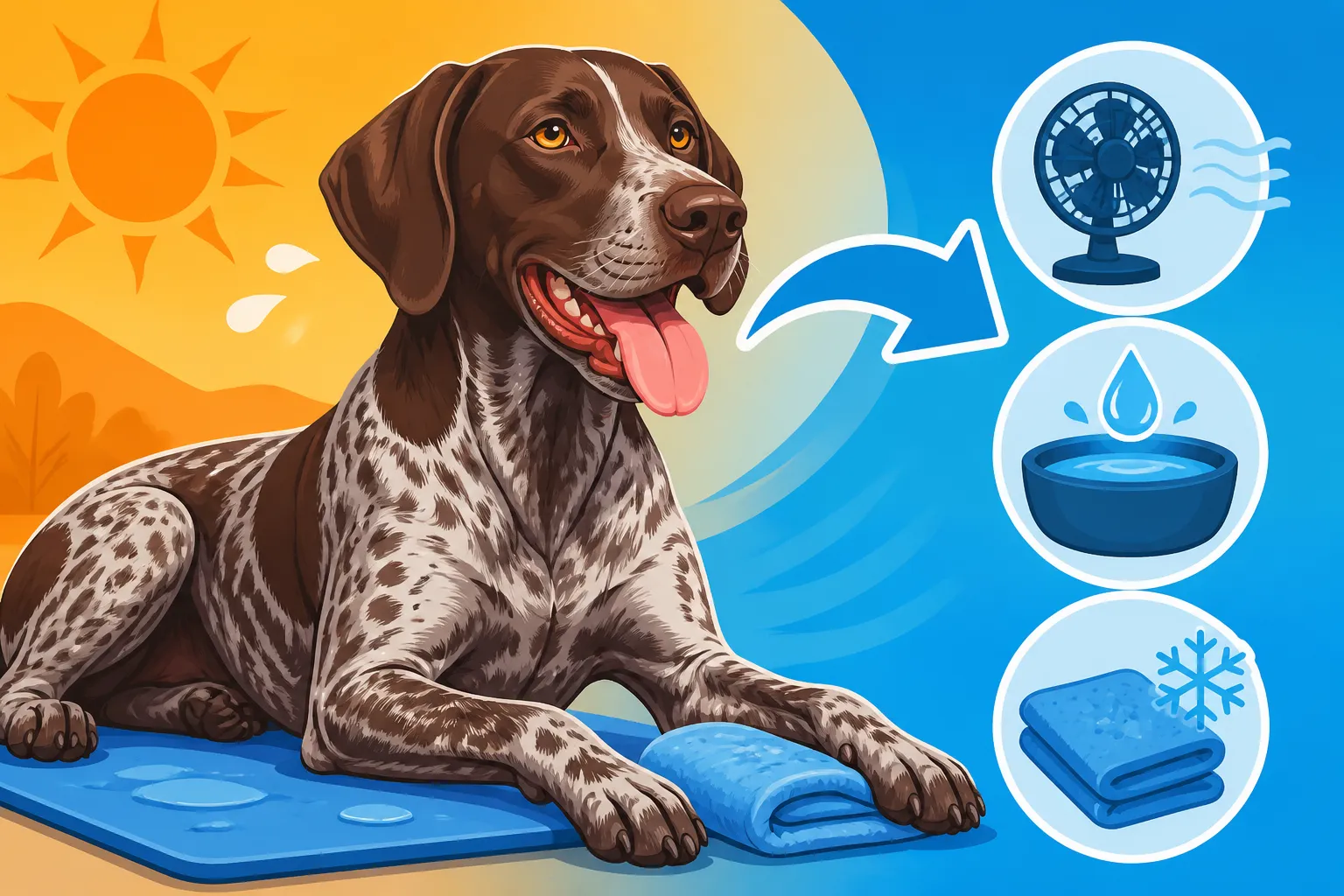
Once in the shade, try to create a gentle breeze around them. If you have a portable fan in your vehicle, get it out and direct it towards them. Even fanning them with a hat or a piece of cardboard can help accelerate evaporative cooling, especially if you're also applying water. Remember, the goal is to stop the continuous absorption of heat and facilitate the body's natural cooling mechanisms. A calm, shaded environment is the foundation for effective cooling.
Applying Water and Cooling Compresses
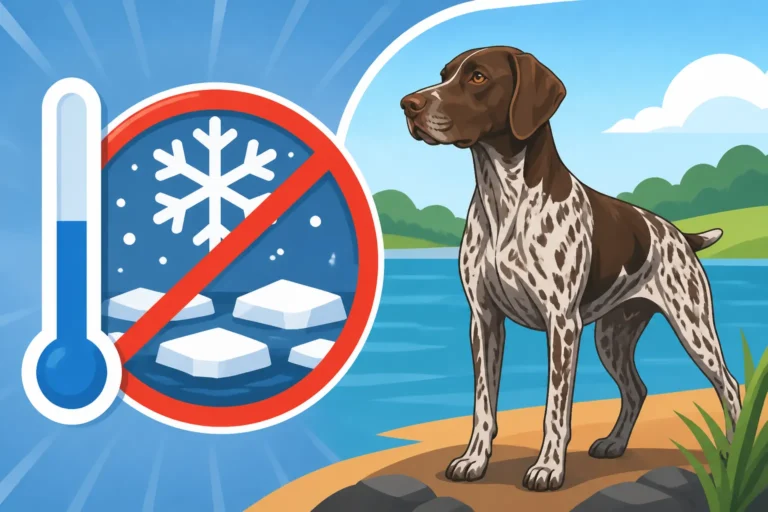
Once your GSP is in a shaded, cooler spot, the next crucial step is to apply cool (not icy cold) water to their body. Focus on areas with good blood flow near the surface, where the blood can be cooled most effectively. These "hot spots" include the belly, groin, armpits, and paw pads. You can use a hose, pour bottles of water, or soak towels and apply them. Never submerge an overheated dog in icy water, as this can cause peripheral vasoconstriction, meaning the blood vessels near the surface constrict. This traps heat in the core of the body, potentially making the situation worse, and can also lead to dangerous shock or even cardiac arrest. The water should feel cool to the touch, like cool tap water.
Gently wet down their entire body, ensuring the water makes contact with their skin beneath their short coat. Keep the water flowing over their body or re-wet the towels frequently. A small, portable spray bottle can also be useful for continuously misting the coat and skin. Pay special attention to their paw pads; you can even hold their paws in a bowl of cool water if they tolerate it. The cooling effect comes from the evaporation of the water, so keeping the coat wet is key. If you're in a pinch in the field, even cool stream water can be used, as long as it's not frigid.
| Cooling Method | Application Area | Water Temperature | Notes |
|---|---|---|---|
| Pouring/Sponge | Entire body, especially belly, groin, armpits, paw pads | Cool (not icy) | Continuously apply, focus on good blood flow areas. |
| Wet Towels/Compresses | Neck, chest, armpits, inner thighs | Cool | Replace frequently as they warm up; do not cover entirely. |
| Paw Soaks | All four paw pads | Cool | Helps cool blood flowing through the paws; good for quick relief. |
| Misting Bottle | Entire coat | Cool | Excellent for continuous evaporative cooling. |
| Portable Fan (with water) | Directed at wet dog | N/A | Enhances evaporation, especially when combined with water application. |
Offering Water for Hydration
An overheated dog is likely dehydrated, and rehydration is vital, but it must be done carefully. Offer small amounts of cool, fresh water. Don't let them gulp down a large volume too quickly, as this can lead to vomiting, which further dehydrates them, or in severe cases, could even contribute to bloat if they're panting heavily and ingesting air. The Unproductive Retching That Means a Shorthair Is Bloating is a critical sign to watch for. If your GSP is severely disoriented or unconscious, do not force water into their mouth, as they could aspirate it into their lungs. In such extreme cases, hydration must be handled by a veterinarian intravenously.
For a conscious dog, a portable water bowl is indispensable. You can find excellent travel bowls on sites like Amazon or Chewy. Encourage them to drink, but pace them. If they're extremely nauseous and won't drink, or if they vomit, it’s a clear sign that veterinary attention is needed immediately. Sometimes, adding a little low-sodium chicken broth to the water can make it more appealing and encourage drinking, but plain water is always the first choice. Once they've had a small drink and are a bit calmer, you can offer more in small increments.
Tools and Techniques for Effective Cooling
Having the right gear and knowing how to use it can make a significant difference in quickly and safely cooling down your German Shorthaired Pointer. Preparation is key, especially if you regularly take your dog on strenuous outings.
Portable Cooling Gear and Supplies
Being prepared with a cooling kit is smart for any GSP owner. Beyond fresh water, consider investing in specific cooling gear. Cooling vests or bandanas, often made from specialized evaporative fabrics, can be pre-soaked in cold water and will draw heat away from your dog's core. They’re great for both proactive cooling and for bringing down a mildly elevated temperature. You can find a wide variety of these on Chewy or Amazon, and many sporting dog brands offer them. Some come with pockets for ice packs, but again, use caution with direct ice application and ensure a barrier cloth is in place to prevent frostbite.
Portable fans are another fantastic tool. Small, battery-operated fans can be clipped to a crate or a vehicle window to provide airflow. A collapsible water bowl is non-negotiable for carrying water into the field. I always keep several bottles of water in a cooler in my truck, along with a few old towels. Those towels are invaluable for wetting and laying over a dog, or for drying them off if they've jumped into a questionable pond. Being able to access cool water and a means to apply it rapidly can save precious minutes.
Advanced Cooling Methods When to Use Them
For more severe cases of overheating, beyond the basic cool water application, there are a few advanced methods, but these should often be done under veterinary guidance or while en route to emergency care. One method involves using isopropyl alcohol on the paw pads. Alcohol evaporates quickly, creating an intense cooling effect. However, it can dry out the pads and is primarily used in emergency situations where rapid cooling is critical and water isn't quite cutting it. Use sparingly and carefully.
Another option, if available and safe, is moving the dog into an air-conditioned environment. If your vehicle has AC, get them inside. If you're near a store or home, seek refuge there. The combination of cool air and continued application of cool water can be very effective. Remember to monitor their rectal temperature if you have a thermometer. The goal is to bring their temperature down to about 102.5-103°F (39.2-39.4°C) and then stop active cooling to prevent rebound hypothermia, which is when their temperature drops too low. This is why continuous monitoring is so important, as is the advice in Getting a Shorthair's Temperature Down After a Run.
Post-Cooling Monitoring and Care
Once you've initiated cooling and your GSP seems to be recovering, your job isn't over. Continuous monitoring is crucial. Even if they appear to be back to normal, the internal damage from heatstroke can manifest hours later. Keep them in a cool, quiet place and restrict activity for at least 24-48 hours. Offer small, frequent sips of water. Monitor their gum color, breathing, and overall demeanor closely. Any recurrence of symptoms, even subtle ones like lethargy or loss of appetite, warrants immediate veterinary consultation.
It’s always a good idea to call your veterinarian after a significant overheating episode, even if your dog seems fine. They can advise you on what signs to watch for and whether a follow-up visit is recommended for blood tests to check for organ damage, especially kidney function. In the immediate aftermath, avoid offering large meals; a light, easily digestible meal like plain cooked chicken and rice, if they’re eating, is best. Some owners opt for fresh food delivery services like Ollie for their quality ingredients and digestibility, which might be a good option for a sensitive stomach post-stress. The key is careful observation and not assuming that once the initial crisis is over, all is well.
Preventative Measures to Avoid Overheating
The absolute best way to handle an overheated German Shorthaired Pointer is to prevent it from happening in the first place. With their boundless energy and thin coats, GSPs require proactive management, especially during warmer months or intense activity.
Timing Exercise and Managing Intensity
This is perhaps the most critical preventative measure. Avoid exercising your GSP during the hottest parts of the day, typically late morning through late afternoon. Early mornings and late evenings are generally safer, especially if humidity is also a factor. Pay attention to the "real feel" temperature, which combines heat and humidity. If it feels oppressive to you, it's likely even more so for your dog. For instance, a 75°F day with 90% humidity can be far more dangerous than an 85°F day with low humidity. This goes hand-in-hand with understanding Heat Exhaustion in an Early Season Shorthair.
Furthermore, manage the intensity and duration of their exercise. Even a GSP can't go full-throttle indefinitely in warm weather. Break up long runs or training sessions with frequent water breaks and periods of rest in the shade. If you're working birds, give them short breaks to cool down in a crate with a fan, or simply walk them on a leash for a few minutes. Don't push them to the point of exhaustion. If your GSP is typically used to moderate exercise, suddenly doing an all-day hunt in warm weather without proper conditioning is a recipe for disaster. Build up their tolerance gradually, both for duration and temperature.
Nutrition and Hydration Strategies
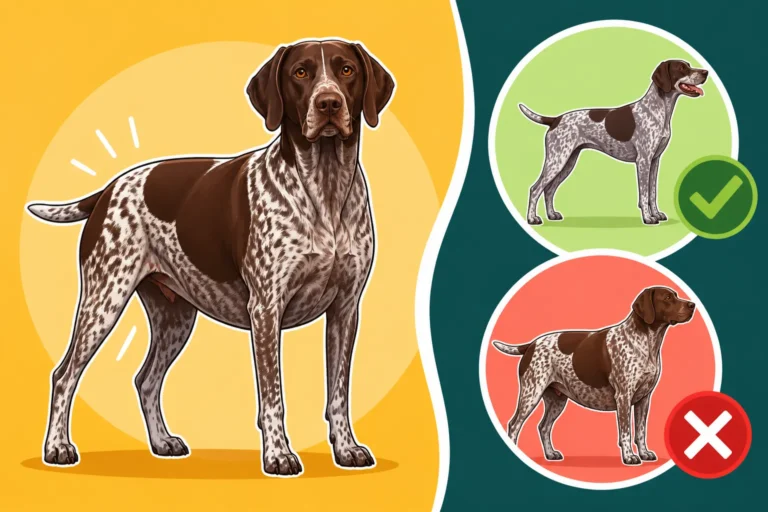
Proper nutrition and hydration play a massive role in your GSP's ability to cope with heat. A high-quality diet that supports their energy needs without excess weight is crucial. Overweight dogs are significantly more prone to overheating because fat acts as an insulator and requires more effort to move. Keep your GSP lean and fit, a condition often described as "hard" in the sporting dog world. For insights on this, read Keeping a German Shorthaired Pointer Lean and Hard.
Beyond food, hydration is paramount. Always carry plenty of fresh water for yourself and your dog whenever you go out. Offer water frequently, even if your dog doesn't seem thirsty. On long hikes or hunts, consider adding an electrolyte supplement to their water to replenish essential minerals lost through sweat and panting. These can be purchased from pet supply stores like Chewy. Some active owners even freeze water bottles to pack with them; as they melt, they provide a source of cool drinking water and can be used as makeshift cooling compresses. Don't rely on your GSP to find safe water sources in the field; bring your own.
Acclimatization and Conditioning
Just like human athletes, dogs need to acclimatize to changes in temperature and humidity. If your GSP has been sedentary during the cooler months, don't immediately take them out for a strenuous all-day hunt when the temperatures rise. Gradually increase the duration and intensity of their exercise as the weather warms up. Start with shorter, less intense sessions in milder conditions and slowly build up. This allows their body to adjust to working in warmer temperatures.
Conditioning isn't just about physical fitness; it's also about heat tolerance. Regular, controlled exercise in varying temperatures helps their cardiovascular system become more efficient at cooling. For GSPs that will be working hard in the field, this kind of pre-season conditioning is non-negotiable. It’s also important to understand that some dogs, particularly very young puppies or senior dogs, have a reduced ability to regulate their body temperature and should be given extra consideration. A very active senior GSP still needs careful consideration, as explored in Caring for a German Shorthaired Pointer After Nine.
When to Seek Veterinary Attention
Knowing when to call it quits and seek professional help is perhaps the most important decision you'll make when dealing with an overheated dog. There's a point where home remedies are no longer sufficient, and delaying veterinary care can have dire consequences.
Recognizing a Medical Emergency
While mild overheating can often be managed with the immediate steps outlined above, certain signs indicate a full-blown medical emergency requiring urgent veterinary care. If your GSP exhibits any of the following, do not hesitate:
- Persistent vomiting or diarrhea: This can rapidly lead to severe dehydration and electrolyte imbalances.
- Collapse or inability to stand: This indicates extreme weakness and neurological impairment.
- Seizures: A critical sign of severe brain damage due to hyperthermia.
- Loss of consciousness or unresponsiveness: A dire symptom demanding immediate intervention.
- Bright red, almost brick-red gums that don't return to normal pink quickly: This suggests severe shock and circulatory distress.
- Temperature above 105°F (40.6°C) that you cannot bring down: Despite your best efforts, if their temperature remains dangerously high, they need professional help.
Even if you've managed to bring their temperature down, if any of these severe signs were present, it's safer to have a vet check them over. Remember, internal damage can still be occurring even if external symptoms have lessened. Don’t gamble with your dog's life; when in doubt, call your vet or the nearest emergency clinic. For severe bloat, which can sometimes be confused with overheating symptoms, Emergency Care for a Bloating German Shorthaired Pointer offers further guidance.
What to Tell Your Vet
When you contact your vet or an emergency clinic, be prepared to provide clear and concise information. Every detail helps them understand the severity of the situation and prepare for your arrival. Be ready to explain:
- What happened: Describe the activity your GSP was doing (e.g., "running hard in the field," "playing fetch in the park").
- Environmental conditions: Mention the temperature, humidity, and whether they were in sun or shade.
- Symptoms observed: List all the signs you noticed, from excessive panting to collapse, and when they started.
- Actions you've taken: Detail your cooling efforts, including how you applied water, what kind of water, and if you offered drinking water.
- Approximate duration of symptoms: How long has your dog been showing signs of overheating?
- If you took their temperature: Provide the reading and when it was taken.
This information allows the veterinary team to prioritize your dog and be ready with appropriate treatments such as intravenous fluids, oxygen therapy, or specific medications to address organ damage. Don't be shy about asking questions or expressing your concerns. They are there to help.
Recovery and Long-Term Considerations
After a heatstroke event, the recovery period can be lengthy and requires careful management. Your GSP may need several days of hospitalization, depending on the severity of the organ damage. They will likely be on intravenous fluids to combat dehydration and support kidney function, and possibly other medications to protect their liver or brain. Blood tests will be performed regularly to monitor organ function.
Even once they are home, full recovery might take weeks or even months. Your vet will provide specific instructions regarding diet, activity restrictions, and follow-up appointments. It’s crucial to adhere to these recommendations to prevent relapses or long-term complications. For some dogs, a severe heatstroke can lead to a permanent sensitivity to heat, making future prevention even more critical. In extreme cases, a dog that has suffered severe heatstroke may not be able to return to high-intensity activities like hunting. It’s a harsh reality, but understanding these potential long-term impacts underscores the importance of prevention and rapid response. Knowing How Long a Working German Shorthaired Pointer Stays Sound might give perspective on preserving their working life.
Disclaimer
This article is for general informational purposes only and does not constitute professional advice. Laws, prices and regulations vary by location and change over time. Consult a qualified professional for guidance on your specific situation.