Loose Stools in a German Shorthaired Pointer
There's nothing quite like waking up to the distinctive, squishy sound of a German Shorthaired Pointer's loose stool on your kitchen floor. Or worse, out in the yard, trying to quickly assess if it's just a one-off dietary indiscretion or something more serious. Our high-energy, often voracious GSPs are notorious for their robust appetites and, sometimes, equally robust digestive upsets. This comprehensive guide is here to walk you through the common reasons your GSP might be experiencing loose stools, what red flags you need to watch out for, and actionable steps you can take at home and with your vet to get their gut back on track.
Common Culprits Behind Loose Stools in Your GSP
German Shorthaired Pointers, with their boundless energy and curious noses, often find themselves in situations that can upset their delicate digestive balance. From a sudden change in diet to a sneaky snack from the trash, there are many reasons why your normally solid-producing companion might suddenly be leaving puddles. Understanding these common culprits is the first step toward getting things back to normal.
Dietary Mishaps and Sudden Changes
One of the most frequent reasons for loose stools in a German Shorthaired Pointer is something they ate, or how quickly their diet was changed. Our GSPs are, shall we say, opportunists. If there's an unattended plate on the counter, a dropped morsel on the floor, or a particularly interesting "treasure" in the yard, many Shorthairs will seize the chance. Eating something foreign or overly rich can easily upset their stomachs. Think of that leftover casserole with all its spices and fats – delicious for us, but a recipe for disaster for a dog's gut.
Beyond the forbidden snacks, abrupt changes to their regular dog food can also cause digestive upset. Whether you’re switching brands or even just flavors within the same brand, introducing a new food too quickly doesn't give their digestive system enough time to adapt. Their gut microbiome needs time to adjust to new ingredients and nutrient ratios. This is why most vets and reputable food manufacturers recommend a slow, gradual transition over several days, or even a week or more. If you've recently changed your GSP's food, this is often the easiest culprit to identify. For tips on how to do this smoothly, you might want to read Switching a Shorthair Onto a New Food.
Sometimes, the issue isn't what they ate, but how much they ate. A GSP that gets into a full bag of kibble, even their regular food, can gorge themselves, leading to an upset stomach. The sheer volume can overwhelm their system, causing discomfort and subsequent loose stools. Always ensure your dog's food is stored securely and out of reach, especially if you have a known food thief in the house. If your GSP is particularly prone to sneaking treats or raiding the pantry, check out What a German Shorthaired Pointer Steals Off Counters for more insights.
Parasites and Bacterial Overgrowth
Unfortunately, a GSP's active lifestyle and propensity for sniffing out every interesting scent can expose them to various intestinal parasites. Worms like roundworms, hookworms, and whipworms are common, especially in puppies or dogs who spend a lot of time outdoors or in dog parks. Protozoa like Giardia and Coccidia are also frequent culprits, often picked up from contaminated water sources or infected feces. These unwelcome guests irritate the lining of the intestines, leading to inflammation and, you guessed it, loose or watery stools, sometimes with mucus or blood.
A yearly fecal test is a cornerstone of preventative care for a reason. Even if your GSP isn't showing obvious signs of worms, regular screening can catch these issues early. If your dog is diagnosed with parasites, your vet will prescribe appropriate deworming medication. It's crucial to follow the treatment plan completely, even if symptoms improve quickly, to ensure all parasites are eradicated and prevent recurrence. Regularly scheduled vet visits, including discussions about parasite prevention, are vital for our active companions; you can learn more about this in The Vet Schedule a Working Shorthair Should Keep.
Beyond visible parasites, an imbalance in the gut bacteria, known as dysbiosis, can also cause digestive distress. This can happen after a course of antibiotics, a sudden diet change, or even stress. When the "bad" bacteria outnumber the "good," the gut struggles to properly digest food and absorb nutrients, resulting in loose stools. In these cases, your vet might recommend specific dietary adjustments or the addition of probiotics to help restore a healthy bacterial balance. We’ll delve more into this later, but if you're curious about supplements, consider Whether a Shorthair Needs a Probiotic.
Stress, Anxiety, and Environmental Factors
It's not always about what goes into their mouth; sometimes, it's about what's going on in their world. German Shorthaired Pointers are sensitive dogs, and stress or anxiety can manifest as digestive upset. A big change in routine, a new environment, separation anxiety, or even loud noises can trigger a stress response that affects their gut motility. Imagine moving to a new home, introducing a new family member, or even a particularly intense training session. All of these can contribute to a nervous stomach.
For a GSP, who thrives on routine and human companionship, even subtle changes can be unsettling. A hunting trip to an unfamiliar area, a kennel stay, or even just being left alone for longer periods than usual can cause enough anxiety to result in loose stools. The body's "fight or flight" response diverts resources away from digestion, often leading to a hurried evacuation of the bowels. It's a physiological reaction, not a behavioral one, so patience and understanding are key when dealing with a stressed dog.
Environmental factors can also play a role. Exposure to certain toxins, even mild ones like a heavily fertilized lawn or puddles with unknown contents, can cause a transient upset. Some GSPs also react to seasonal allergies, with skin irritation often accompanied by digestive issues. It's all part of their immune system being on high alert. Observing your GSP's behavior and recent activities can often help you connect the dots between an environmental trigger and their digestive woes. Knowing what they get into or react to helps you protect them.
When to Sound the Alarm: Signs Your GSP Needs a Vet
While a single episode of loose stools might just be a minor hiccup, there are definite signs that indicate a more serious problem and warrant immediate veterinary attention. Our GSPs are stoic by nature, often pushing through discomfort, especially if they think a hunt is on the horizon. Learning to recognize these red flags is crucial for their well-being.
Identifying Red Flags in Your GSP's Stool
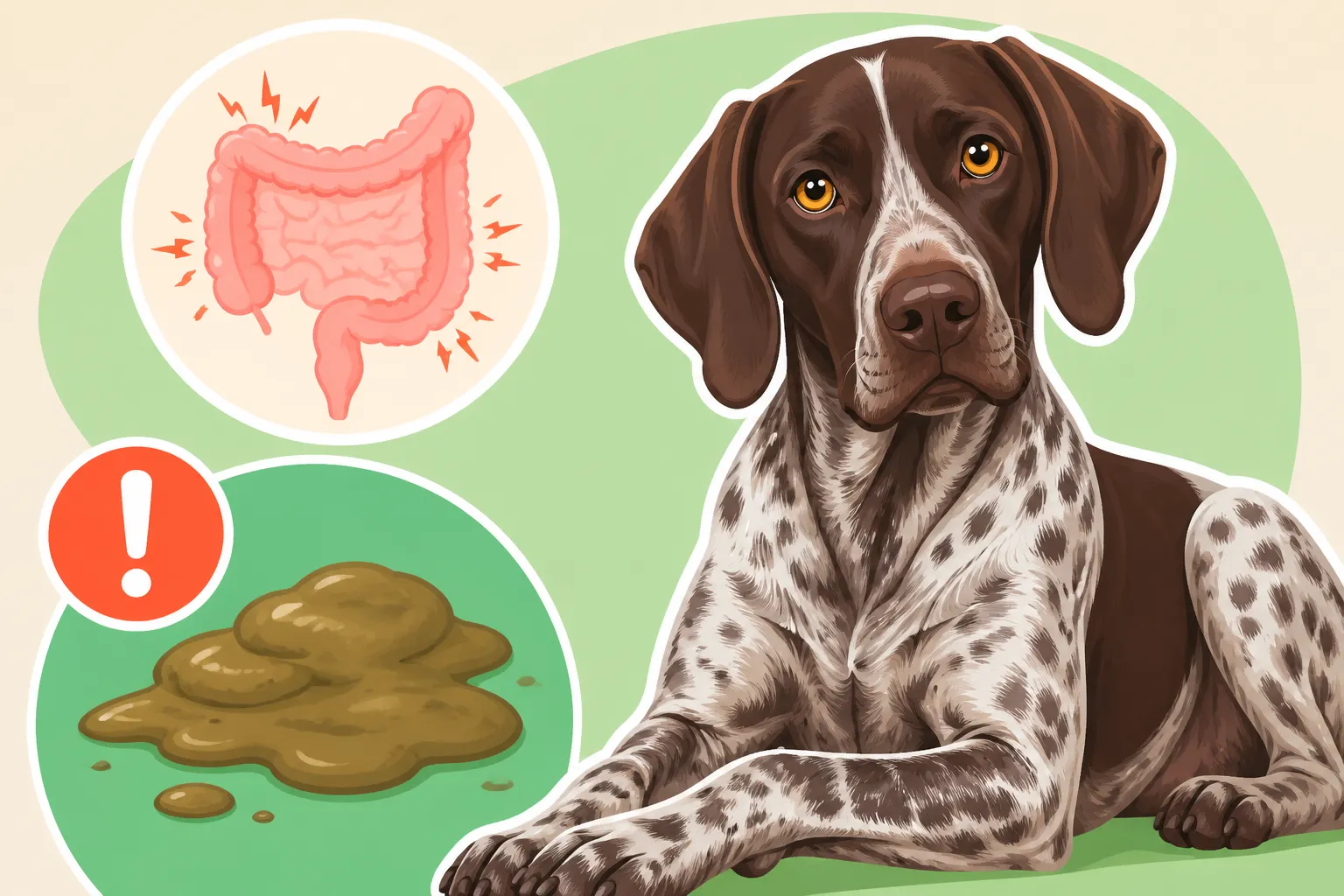
Pay close attention to the characteristics of the loose stool itself. While general "mushy" consistency might be mild, excessively watery diarrhea is a concern because it significantly increases the risk of dehydration. Look for unusual colors: black, tarry stools can indicate digested blood from higher up in the digestive tract, while bright red streaks usually point to fresh blood from the lower intestine or rectum. Mucus, appearing as a jelly-like coating, is also a sign of intestinal irritation.
Beyond the stool itself, observe your GSP's overall demeanor. Are they still energetic and playful, or are they lethargic, withdrawn, and just not themselves? Vomiting, especially if it's frequent or severe, is a major red flag, as it contributes rapidly to dehydration and could indicate a more serious underlying condition. Abdominal pain, often manifested by a hunched posture, reluctance to be touched, or restless pacing, also demands immediate veterinary assessment. Any combination of these symptoms, particularly if persistent, means it's time to call your vet.
Frequency is another important indicator. If your German Shorthaired Pointer is having loose stools every hour or two, or if the diarrhea continues for more than 24-48 hours, it's definitely time to seek professional help. A mild upset might resolve itself within a day with bland food, but prolonged diarrhea can quickly lead to dangerous electrolyte imbalances and severe dehydration, especially in an active breed like a GSP. Don't hesitate to reach out to your veterinarian; it's always better to be safe than sorry, and early intervention can prevent minor issues from becoming major emergencies.
The Urgency of Dehydration in Active Shorthairs
German Shorthaired Pointers are athletes, built for endurance and high activity. This means they can become dehydrated much faster than a less active breed, especially if they are experiencing significant fluid loss through diarrhea and/or vomiting. Dehydration is a serious concern, as it can quickly lead to electrolyte imbalances, kidney problems, and other life-threatening complications. Recognizing the signs of dehydration is critical for our GSPs.
Classic signs of dehydration include sunken eyes, dry sticky gums, and a loss of skin elasticity. To check skin elasticity, gently pinch the skin on your GSP's back or neck into a tent. On a well-hydrated dog, the skin will snap back almost immediately. If it's slow to return or stays tented, your dog is likely dehydrated. Another test is capillary refill time: gently press on your dog's gums until the spot turns white, then release. The color should return to pink within 1-2 seconds. A longer refill time can indicate dehydration or other circulatory issues.
If your GSP is showing any signs of dehydration, especially alongside severe or prolonged loose stools, you must contact your veterinarian immediately. They may need intravenous fluids to rehydrate quickly and to correct any electrolyte imbalances. This is not something you can effectively treat at home with just a bowl of water, as critical fluids and salts are being lost too rapidly. Remember, our active Shorthairs burn a lot of energy and need optimal hydration to function; issues like severe dehydration are precisely why knowing about Emergency Fees for a Shorthair Cut Open in the Field might become relevant for sudden, serious issues that require immediate professional care.
First Aid at Home: Dietary Adjustments and Support
For mild cases of loose stools where your GSP is otherwise bright, alert, and not showing any of the red flags discussed above, there are several things you can do at home to help soothe their digestive system. The goal is to give their gut a break, allow it to rest, and then gradually reintroduce easily digestible foods.
The Magic of a Bland Diet
The cornerstone of home treatment for loose stools is a bland diet. This means offering easily digestible foods that won't further irritate the inflamed intestinal lining. The go-to bland diet is typically boiled, plain white rice mixed with lean protein. For the protein, think boneless, skinless chicken breast, boiled and shredded, or lean ground beef, boiled and drained of all fat. The ratio is usually about two parts rice to one part protein. This combination is gentle on the stomach and provides essential calories without taxing the digestive system.
Start by offering small, frequent meals throughout the day rather than one or two large ones. This is easier for a compromised gut to handle. For example, instead of their usual two meals, offer 4-6 small portions of the bland diet every few hours. Continue this bland diet for a couple of days after the stools have returned to normal. Then, you can gradually start to transition them back to their regular food by mixing small amounts of their kibble into the bland diet, slowly increasing the kibble proportion over several more days. If your GSP is typically on a high-performance diet for hunting season, you might consider adjusting for a few days even for mild upsets, as discussed in Feeding a German Shorthaired Pointer After a Hunt Instead of Before.
When preparing the bland diet, remember to keep it absolutely plain. No butter, no oil, no seasoning, no gravy – just the boiled protein and rice. While it might seem boring, the simplicity is what makes it effective. If you're a fresh food advocate, some services like Ollie offer pre-made fresh pet food options that are often formulated to be highly digestible, which could be a good choice for a bland diet after consulting your vet. Always ensure fresh water is available at all times, as staying hydrated is paramount, especially when battling any form of digestive upset.
Probiotics and Gut Health Boosters
Once your GSP's stomach has settled a bit, or even alongside the bland diet, incorporating probiotics can be incredibly beneficial. Probiotics are live microorganisms that, when administered in adequate amounts, confer a health benefit to the host – essentially, they help restore the balance of good bacteria in the gut. This can aid in digestion, boost immune function, and shorten the duration of loose stools. Many veterinarians recommend specific canine-formulated probiotic supplements, which you can often find through online retailers like Chewy or Amazon.
Choosing the right probiotic is important. Look for products specifically designed for dogs, as human probiotics may not contain the strains most beneficial for canine gut health. Your vet can recommend a high-quality brand that has proven efficacy. These supplements often come in powder, capsule, or chewable forms, making them easy to administer. You can sprinkle the powder over their food or give the chew as a treat. For more information on the benefits and considerations of these supplements, you might find Whether a Shorthair Needs a Probiotic helpful.
It's also worth noting that some plain, unsweetened yogurt or kefir can provide some probiotic benefits, but these should be introduced cautiously and in very small amounts, as some dogs can be lactose intolerant, which would only worsen their digestive upset. Stick to vet-recommended canine probiotics for the most reliable results. The goal is to help replenish the beneficial bacteria that may have been lost during the bout of loose stools, helping to re-establish a healthy and resilient gut microbiome.
Ensuring Adequate Hydration
We’ve touched on dehydration as a red flag, but even in mild cases, ensuring your GSP stays well-hydrated is a critical part of home care. Loose stools mean increased fluid loss, and our active German Shorthaired Pointers need a consistent supply of water to maintain their energy levels and overall health. Always have a fresh bowl of water available, and consider offering multiple water sources around the house.
Sometimes, a dog might be reluctant to drink plain water, especially if they’re feeling under the weather. In these instances, you can try offering diluted low-sodium chicken or beef broth (ensure it contains no onions or garlic, which are toxic to dogs). You can also offer ice chips, which some dogs enjoy licking, providing a slow and steady intake of fluids. Even mixing a little extra water into their bland diet can help boost their hydration levels.
Monitoring your GSP's water intake and checking their hydration status regularly (gum moisture, skin tent) will give you peace of mind. Remember, the more active your dog is, the more critical their fluid balance becomes. If you have a particularly hard-working GSP, their daily hydration needs are already significant; keep this in mind, especially during warm weather or intense exercise.
Preventing Future Digestive Distress
An ounce of prevention is worth a pound of cure, especially when it comes to your German Shorthaired Pointer's digestive health. By implementing a few consistent practices, you can significantly reduce the likelihood of future bouts of loose stools and keep your energetic companion feeling their best.
Strategic Food Transitions
As we discussed earlier, sudden food changes are a major culprit for digestive upset. To prevent this, always implement a gradual transition when changing your GSP's food. Start by mixing a small amount of the new food (about 10-25%) with their old food. Feed this mixture for 2-3 days. If all goes well, gradually increase the proportion of the new food while decreasing the old food over the next 7-10 days, or even longer if your GSP has a particularly sensitive stomach.
This slow introduction allows your dog's digestive enzymes and gut bacteria to adjust to the new ingredients without becoming overwhelmed. If you notice any signs of loose stools during the transition, slow down the process and maintain the current ratio for a few more days before increasing the new food again. Consistency in diet is often key for a healthy gut, and avoiding frequent, abrupt changes can make a world of difference. Even if you're just switching to a new flavor of the same brand, follow this gradual approach to safeguard your GSP’s tummy. Knowing the caloric needs of your dog, such as for The Daily Ration a Working Shorthair Actually Eats, is also crucial when switching foods to ensure they maintain their ideal weight.
Regular Deworming and Vet Check-ups
Maintaining a consistent schedule for deworming and routine veterinary check-ups is paramount, especially for active dogs like GSPs who are frequently exposed to outdoor environments. Your veterinarian will recommend an appropriate deworming protocol based on your dog's age, lifestyle, and local parasite prevalence. This isn't just about preventing loose stools; it’s about overall health, as parasites can lead to nutrient deficiencies, weight loss, and other serious issues if left unchecked.
During annual (or more frequent, if recommended) vet visits, discuss any changes in your GSP's stool consistency, appetite, or energy levels. Your vet can perform fecal exams to check for internal parasites and recommend preventive medications. Many heartworm preventatives also include deworming agents for common intestinal worms, providing comprehensive protection. Staying on top of these routine health measures, alongside regular vaccinations as detailed in What a German Shorthaired Pointer Puppy's First Shots Cost, significantly contributes to a resilient digestive system and a healthy, happy dog.
Mindful Management of Foraging Habits
German Shorthaired Pointers are driven by scent and curiosity, which often leads them to "forage" for interesting edibles both indoors and out. This habit, while endearing in its own way, is a common source of dietary indiscretions. Preventing access to potential gastrointestinal irritants is a proactive step in preventing loose stools. Secure your trash cans with lids or place them in cabinets. Keep countertops clear of food items, especially human foods that are fatty, spicy, or contain ingredients toxic to dogs like onions, garlic, or xylitol.
Outdoors, be vigilant during walks or hunts. While you can't control every leaf or puddle, try to discourage your GSP from scavenging. Teach a strong "leave it" command, which can be invaluable when they spot something tempting on the ground. Be mindful of areas where other dogs frequent, as parasite eggs can be shed in feces and picked up by your Shorthair. Supervise them closely in dog parks or common areas, and always ensure they have access to fresh, clean water, not stagnant puddles. For more general cost considerations when it comes to keeping your GSP happy and healthy, you might find insights in The Monthly Food Bill for a Hard Working Shorthair or even What a Shorthair Destroys in Its First Year, as an upset stomach can lead to destructive behavior.
By being proactive about their diet, routine healthcare, and environmental exposure, you can set your German Shorthaired Pointer up for optimal digestive health. It takes a little effort, but preventing those messy cleanups and keeping your GSP comfortable is always worth it.
Here’s a quick summary of common causes and what you can do at home:
| Common Cause of Loose Stools | Symptoms You Might See | Initial Home Care (Consult Vet if no improvement or worsening) |
|---|---|---|
| Dietary Indiscretion/Change | Sudden onset, may or may not include vomiting | Bland diet (boiled chicken & rice), slow food transition |
| Parasites (Worms, Giardia) | Persistent, mucus, sometimes blood, weight loss | Vet diagnosis & deworming, probiotics |
| Bacterial Overgrowth/Imbalance | Persistent, may follow antibiotics | Probiotics, vet-prescribed gut support |
| Stress/Anxiety | Often tied to environmental changes, usually resolves with calm | Identify and remove stressor, create calm environment |
| Ingestion of Toxins/Foreign Body | Sudden, severe, vomiting, lethargy | IMMEDIATE VET VISIT, do NOT attempt home remedies |
| Food Allergies/Sensitivities | Chronic, often with skin issues | Vet diagnosis, specialized diet, may need elimination trial |
Remember, this table is for quick reference for mild cases. If you're ever in doubt, or if your GSP's condition worsens, please don't hesitate to reach out to your veterinarian. They are your best resource for your dog's health.
Disclaimer
This article is for general informational purposes only and does not constitute professional advice. Laws, prices and regulations vary by location and change over time. Consult a qualified professional for guidance on your specific situation.