Where Shorthair Hair Ends Up in a House
Anyone who has welcomed a German Shorthaired Pointer into their home quickly learns that their presence extends beyond their loving personality and boundless energy—it includes their hair, which seems to defy gravity and cling to every surface. It’s a common frustration, the sheer omnipresence of those short, stiff hairs that embed themselves into carpets, upholstery, and even your morning coffee. This guide is here to commiserate and, more importantly, to equip you with realistic strategies for managing the inevitable shedding of your spirited companion.
Understanding the German Shorthaired Pointer's Coat
Before we can even begin to tackle the furry invasion, it’s important to understand just what kind of coat your German Shorthaired Pointer is sporting. It’s not long and fluffy like a Golden Retriever, nor is it wiry and shedding-resistant like a Terrier. No, the GSP has a very particular kind of coat that comes with its own set of challenges.
The Anatomy of a Shorthair's Coat
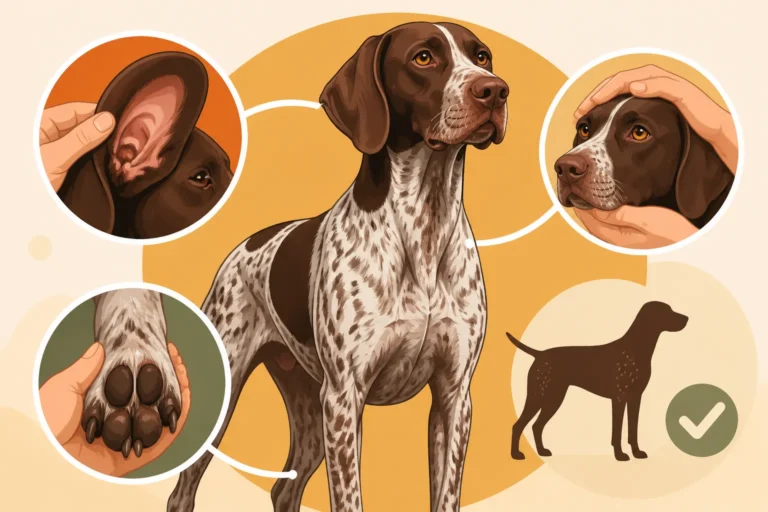
A German Shorthaired Pointer's coat is often described as short, thick, and dense, feeling coarse to the touch. It’s designed for function, not just beauty. This isn't a delicate, silky coat; it's a hardy, practical garment built to withstand the elements. Imagine your dog crashing through thorny brambles, diving into icy ponds, or belly-crawling through tall prairie grass – their coat needs to be tough.
The individual hairs are short and lie close to the body, offering a degree of water resistance. This dense outer layer protects them from scrapes and keeps them warm in chilly conditions, while also being thin enough to prevent overheating during strenuous activity. It’s a remarkable piece of natural engineering. However, this practicality comes at a cost for the owner: those short, stiff hairs are like tiny, barbed missiles, perfectly shaped to penetrate fabric and establish a stronghold. You might think a short-haired dog would be less of a shedder, but oh, how wrong that assumption can be! It's not about the length; it's about the density and the shedding cycle itself.
The Shedding Cycle
All dogs shed, that’s a given. It's a natural process where old or damaged hair follicles are replaced by new ones. For many breeds, shedding is a predictable seasonal event, often heaviest in spring as they shed their winter coat, and again in the fall to make way for a thicker one. German Shorthaired Pointers participate in this seasonal shedding, but they also have a steady, underlying level of shedding that can make it feel like a year-round affair.
Their double coat, while not as pronounced as a Husky's, means there's an undercoat that sheds along with the coarser guard hairs. Factors like diet, health, stress, and even the indoor environment (temperature, humidity, artificial light cycles) can influence how much and how often your GSP sheds. A dog spending most of its time indoors, exposed to consistent artificial light and temperature, might not experience the drastic seasonal shifts that a primarily outdoor or kennel dog would. This can lead to a more constant, albeit often less intense, shedding pattern throughout the year, meaning you rarely get a break from those accumulating hairs. Understanding this constant turnover helps manage expectations—and your cleaning routine.
The Reality of Shorthair Shedding
It’s one thing to know that dogs shed, and another entirely to experience the unique brand of shedding a German Shorthaired Pointer brings to your household. Many GSP owners, especially those new to the breed, are often surprised by the sheer volume and persistence of their dog's hair.
When and How Much They Shed
German Shorthaired Pointers are often labeled as "moderate" to "heavy" shedders, and many owners would lean towards the latter. While they do have their "blow out" seasons, typically in spring and fall, when they shed more noticeably to adapt to changing temperatures, the truth is that they shed all the time. You might notice more hair during the seasonal shifts, sure, when you feel like you're brushing handfuls off your dog, but those short, liver or black hairs will be a constant presence in your home regardless.
During the peak shedding periods, it can feel overwhelming. You brush your dog, and five minutes later, you swear there's another tumbleweed of hair rolling across the floor. This isn't an exaggeration for many GSP owners. It's simply the nature of their coat. The good news is that by consistently managing it, you can reduce the intensity, even if you can't eliminate the shedding entirely. The amount they shed can also be influenced by their overall health and diet. A stressed dog, or one on a poor-quality diet, may shed more excessively than a healthy, well-fed one. It's a constant battle, but one that is absolutely manageable with the right tools and mindset. The Weeks a Shorthair Drops Its Coat will dive deeper into those peak shedding times.
The Unique Challenge of Short, Stiff Hairs
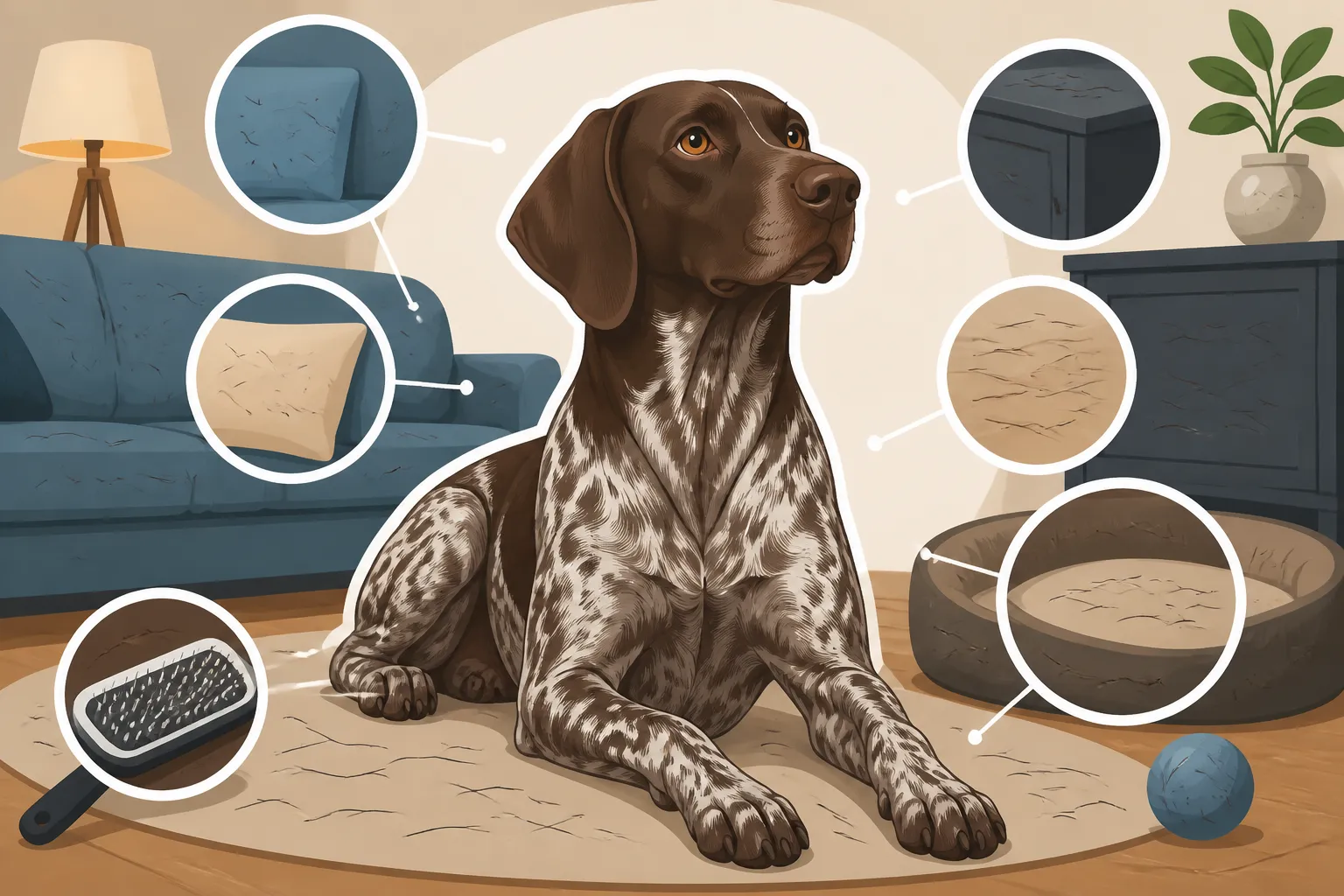
This is where the German Shorthaired Pointer's shedding truly sets itself apart and earns its notorious reputation. Unlike long, soft hairs that might form visible clumps and are easier to pick up, GSP hairs are short, stiff, and straight. They don’t just lie on surfaces; they embed themselves.
Think of them like tiny needles. They easily weave their way into carpet fibers, upholstery fabrics, blankets, and even your clothes. They don't just sit on top; they dig in, making them incredibly difficult to remove with a casual wipe or even some vacuum cleaners. This is the phenomenon lovingly, or perhaps not-so-lovingly, referred to as "shorthair glitter." You'll find it everywhere: in your car, on your kitchen counters, sometimes even mysteriously showing up in your sealed food containers. This isn't due to poor hygiene; it's just the physics of the GSP hair. It has an uncanny ability to travel and cling, becoming almost a part of the house itself. This reality often catches first-time GSP owners off guard, leading to initial frustration, but it's a challenge that can be tackled with specific strategies. Why Shorthair Hair Weaves Into Fabric explains this unique problem further.
Strategies for Hair Management on Your GSP
The first line of defense against German Shorthaired Pointer hair in your house is, naturally, to remove it from the source: your dog! Consistent grooming is paramount, not just for your sanity but also for your dog's skin and coat health.
Regular Brushing Regimens
This is your most powerful tool in the fight against GSP hair. Daily or every-other-day brushing, especially during peak shedding seasons, can significantly reduce the amount of hair that ends up scattered throughout your home. But not just any brush will do. For a shorthair, you'll want tools specifically designed for their unique coat.
Rubber curry brushes or grooming mitts are fantastic for stripping loose hair and stimulating the skin, which helps distribute natural oils and promotes a healthy, shiny coat. You’ll be amazed at the amount of hair these seemingly simple tools can pull off your dog. Another excellent option is a de-shedding tool, which is designed to reach through the topcoat and gently remove the loose undercoat without damaging the guard hairs. Just be careful not to overdo it with these, as too much pressure or prolonged use can irritate the skin. Aim for a quick, thorough session outdoors if possible, to keep the removed hair from simply transferring from your dog to your yard, rather than your couch. Make it a positive experience for your dog with treats and praise, and they’ll come to enjoy their "spa" time. The Grooming Mitt That Suits a Shorthair Coat offers specific recommendations.
Bathing for Shed Control
While German Shorthaired Pointers don't typically require frequent bathing, a strategically timed bath can be incredibly helpful in loosening and washing away dead hair, especially during heavy shedding periods. Don't fall into the trap of thinking a shorthair never needs a bath—that marsh smell can linger!
Aim for a bath every 4-6 weeks, or more frequently if your dog is particularly dirty or shedding heavily. Use a good quality dog shampoo, preferably one formulated for shedding control or sensitive skin, and make sure to rinse thoroughly to prevent skin irritation. Some owners find that a warm bath followed by a good rub-down and then a thorough brushing session works wonders to remove a significant amount of loose hair. The warm water helps open up the hair follicles, allowing the dead hairs to be more easily released. After the bath, a brisk toweling followed by a quick session with a powerful dog dryer (if your GSP tolerates it) can blow out even more loose hair. Just be mindful of the water temperature and ensure your dog isn't getting chilled, especially if you're bathing them outdoors. How Often a Shorthair Needs Washing delves into the best practices for bathing your GSP.
Keeping Your Home (Relatively) Hair-Free
Even with diligent grooming of your German Shorthaired Pointer, some hair is inevitably going to make its way into your living space. This is where your cleaning arsenal comes into play. The goal isn't sterile perfection, but rather a manageable level of cleanliness that allows you to enjoy your home without being constantly covered in hair.
Effective Cleaning Tools and Techniques
When it comes to battling GSP hair, your standard broom and dustpan often just redistribute the problem. You need tools designed to pick up those stubborn, short hairs.
- Vacuum Cleaners: Invest in a high-quality vacuum cleaner designed for pet hair, ideally with strong suction and good brush-roll agitation. Look for models with HEPA filters to also capture pet dander, which is a common allergen. Many brands offer specialized attachments for upholstery, which will become your best friend for couches and dog beds. Models with cyclonic action or bagless designs are often easier to empty without spreading more hair.
- Rubber Brooms/Squeegees: For hard floors or low-pile carpets, a rubber broom can work wonders. The static charge and rubber bristles grab hair that traditional brooms miss, gathering it into neat piles for easy pickup. A window squeegee can be surprisingly effective on carpets, too, pulling embedded hairs to the surface.
- Damp Mops/Cloths: For hard surfaces, a damp mop or microfibre cloth is more effective than a dry one, as it traps the hair rather than pushing it around.
- Lint Rollers and Pet Hair Remover Sponges: Keep these strategically placed around your home—by the door, in your car, near your favorite armchair. They're invaluable for quick clean-ups on clothing, small rugs, and upholstery. Pet hair remover sponges (often made of a special foam) can be incredibly effective at lifting embedded hairs from fabric. Chewy and Amazon both offer a wide selection of these specialized cleaning tools, making it easier to find exactly what you need.
Consistency is key. A quick daily vacuum of high-traffic areas will prevent hair from building up to overwhelming levels. Don't wait until you can knit a sweater from the hair on your floor; tackle it regularly.
Protecting Furniture and Fabrics
Since GSP hair loves to embed itself, preventative measures for your furniture and fabrics can save you a lot of cleaning effort.
- Slipcovers and Throws: For couches and armchairs, consider washable slipcovers or strategically placed throws. These can be easily removed, shaken out, and tossed in the washing machine, trapping the bulk of the hair before it reaches your actual upholstery. Look for fabrics that are easy to clean and don't attract hair as much, like tightly woven denim, canvas, or certain microfiber blends, rather than velvet or loose knits.
- Designated Dog Spots: Train your GSP to have specific, comfortable spots in the house where they are allowed to rest, ideally with easy-to-clean dog beds or blankets. This concentrates the shedding to fewer areas. For instance, a comfy dog bed in the living room covered with a removable, washable blanket will catch most of the hair they drop there.
- Material Choices: When purchasing new furniture, consider materials that are less attractive to pet hair. Leather or faux leather can be wiped clean easily, and certain synthetic fabrics resist hair embedding better than natural fibers like wool or loosely woven cotton. For car interiors, seat covers are a must, especially if your GSP frequently rides along. These can be hosed off or thrown in the wash, saving your car's upholstery from becoming permanently fur-lined.
It's about making conscious choices that align with living harmoniously with a shedding dog, rather than constantly fighting an uphill battle.
Air Quality and Filtration
You’ve swept, vacuumed, and lint-rolled, but still, those tiny hairs and dander seem to float through the air, settling on every surface like a fine mist. This is where managing your indoor air quality can make a noticeable difference.
- Air Purifiers: Investing in a good quality air purifier with a HEPA filter can help capture airborne pet hair, dander, and other allergens. Place it in the rooms where your GSP spends the most time. While it won't eliminate all hair on surfaces, it will reduce the amount circulating and settling, and can significantly improve air quality, especially for those with allergies. Think of it as another layer of defense, catching what the vacuum misses.
- HVAC Filters: Regularly change your home’s HVAC filters, and consider upgrading to higher-efficiency filters (like MERV 11 or 13) designed to capture smaller particles, including pet dander and fine hairs. This helps prevent hair from being circulated throughout your entire home through the ventilation system. Check your filters frequently, as pet hair can clog them faster than normal, reducing their effectiveness and potentially straining your system.
- Ventilation: Ensure good ventilation in your home. Opening windows (when weather permits) or using exhaust fans can help cycle out stale, hair-laden air and bring in fresh air. While this won't stop the shedding, it helps mitigate the accumulation and improves the overall feeling of cleanliness in your home.
These steps, combined with diligent surface cleaning, create a comprehensive approach to keep your environment as hair-free and fresh as possible, considering you share it with an active German Shorthaired Pointer.
Diet and Supplements for Coat Health
A healthy coat sheds less, and a significant part of a healthy coat comes from within. What you feed your German Shorthaired Pointer directly impacts the quality of their skin and hair, and therefore, the amount of shedding you'll experience.
The Role of Nutrition
Just like humans, dogs thrive on a balanced, high-quality diet. For a German Shorthaired Pointer, whose coat is constantly regenerating and whose active lifestyle demands robust health, nutrition is especially critical.
Feeding a high-quality dog food, rich in easily digestible proteins, healthy fats, and essential vitamins and minerals, forms the foundation of a healthy coat. Avoid foods with excessive fillers, artificial colors, or by-products, as these can contribute to poor skin health and excessive shedding. Look for foods where a named meat source is the first ingredient. A diet that supports overall skin health can lead to stronger hair follicles, which means less breakage and less premature shedding. Think of it this way: if the body isn't getting the nutrients it needs, it prioritizes vital organs over non-essential functions like maintaining a lush coat. A well-nourished dog will naturally have a healthier, less brittle coat that sheds more predictably and less excessively. Brands like Ollie, known for their fresh, human-grade ingredients, or many premium kibbles available on Chewy, prioritize high-quality protein and balanced nutrition, which can make a noticeable difference in coat health. The Monthly Food Bill for a Hard Working Shorthair can give you an idea of the cost involved in feeding a quality diet.
Supplements That Can Help
Even with a top-notch diet, some German Shorthaired Pointers can benefit from supplements specifically aimed at improving skin and coat health. These aren't magic pills, but they can certainly provide an extra boost.
- Omega Fatty Acids: Omega-3 and Omega-6 fatty acids are superstars for skin and coat health. They help reduce inflammation, moisturize the skin, and promote a soft, shiny coat. Sources include fish oil (salmon, sardine, anchovy), flaxseed oil, and certain plant-based oils. You can find these in liquid form, softgels, or as an ingredient in many skin and coat supplements.
- Biotin: This B-vitamin is known to support healthy hair growth and strength. While less commonly given alone, it's often included in comprehensive skin and coat formulas.
- Zinc: An essential trace mineral, zinc plays a crucial role in skin health, wound healing, and immune function. A deficiency can lead to dry, flaky skin and excessive shedding.
- Vitamin E: An antioxidant, Vitamin E can help protect skin cells from damage and promote overall skin health.
Always consult your veterinarian before adding any new supplements to your dog’s regimen, especially if they have existing health conditions or are on other medications. Your vet can advise on appropriate dosages and whether a particular supplement is truly necessary for your individual GSP. Many reputable brands offer these supplements, readily available through platforms like Amazon or local pet supply stores. Fish Oil for a German Shorthaired Pointer's Skin provides a deep dive into this particular supplement.
Living with Shorthair Hair: A Realistic Perspective
After all the brushing, vacuuming, and careful diet planning, it’s important to come to terms with one undeniable truth: if you own a German Shorthaired Pointer, you will have German Shorthaired Pointer hair in your house. It’s part of the package, a small trade-off for their incredible companionship, athleticism, and loving nature.
Embracing the "Shorthair Glitter"
It sounds a bit defeatist, doesn't it? But truly, part of successful GSP ownership is embracing the reality of "shorthair glitter." You will find those little hairs on your black pants before an important meeting, floating in your soup, and inexplicably stuck to the inside of your sunglasses case. It’s not a sign of poor housekeeping; it’s a badge of honor, a testament to living with an active, beloved family member.
Instead of fighting every single hair, learn to manage it. Accept that your home will always have a certain level of GSP evidence. This acceptance frees you from constant frustration and allows you to focus on the joy your dog brings. Of course, this doesn't mean giving up on cleaning entirely, but rather shifting your perspective from elimination to management. It's about finding a balance that allows you to enjoy your home and your dog without feeling perpetually overwhelmed by shedding. After all, the love and loyalty they offer far outweigh the minor inconvenience of a little extra vacuuming.
Establishing a Routine
The secret to managing German Shorthaired Pointer hair, and indeed many aspects of dog ownership, is consistency. Sporadic bursts of cleaning or grooming will yield sporadic, short-lived results. A consistent routine, on the other hand, makes the task much more manageable and less daunting.
- Daily Maintenance: This could involve a quick pass with a hand vacuum or rubber broom in high-traffic areas, a lint-roll of your clothes before leaving the house, and a few minutes of brushing your dog.
- Weekly Deep Clean: Dedicate a specific time each week for a more thorough vacuuming of all carpets and upholstery, washing dog beds and throws, and cleaning hard surfaces.
- Regular Grooming: Stick to your established brushing schedule for your GSP. Consistency here is key to catching loose hair before it disseminates throughout your home.
- Dietary Consistency: Maintain a high-quality diet and consistent supplement regimen to support a healthy coat from the inside out.
By integrating these tasks into your regular household chores and dog care, you create a system that keeps the hair under control without consuming all your free time. It becomes just another part of living with a German Shorthaired Pointer—a small price to pay for the endless joy and adventure they bring into your life. For tips on managing the breed's general care needs, check out The Structure a German Shorthaired Pointer Needs Daily.
| Area of Concern | Challenge | Recommended Strategy | Essential Tools |
|---|---|---|---|
| Dog's Coat | Constant shedding, embedded hairs | Regular brushing, strategic bathing, quality diet | Curry comb, de-shedding tool, dog-specific shampoo |
| Floors | Hair everywhere, hard to pick up | Daily sweeping/vacuuming, targeted hair collection | Pet hair vacuum, rubber broom, damp mop |
| Furniture | Hairs cling and embed into fabric | Protective covers, designated dog spots, frequent cleaning | Washable slipcovers/throws, upholstery attachment, lint rollers |
| Air Quality | Airborne dander and fine hairs | Filtration, ventilation | Air purifier with HEPA filter, high-efficiency HVAC filters |
| Clothing | GSP hair as a permanent accessory | Quick de-hairing before leaving, fabric choices | Lint rollers, pet hair removal sponges |
Disclaimer
This article is for general informational purposes only and does not constitute professional advice. Laws, prices and regulations vary by location and change over time. Consult a qualified professional for guidance on your specific situation.