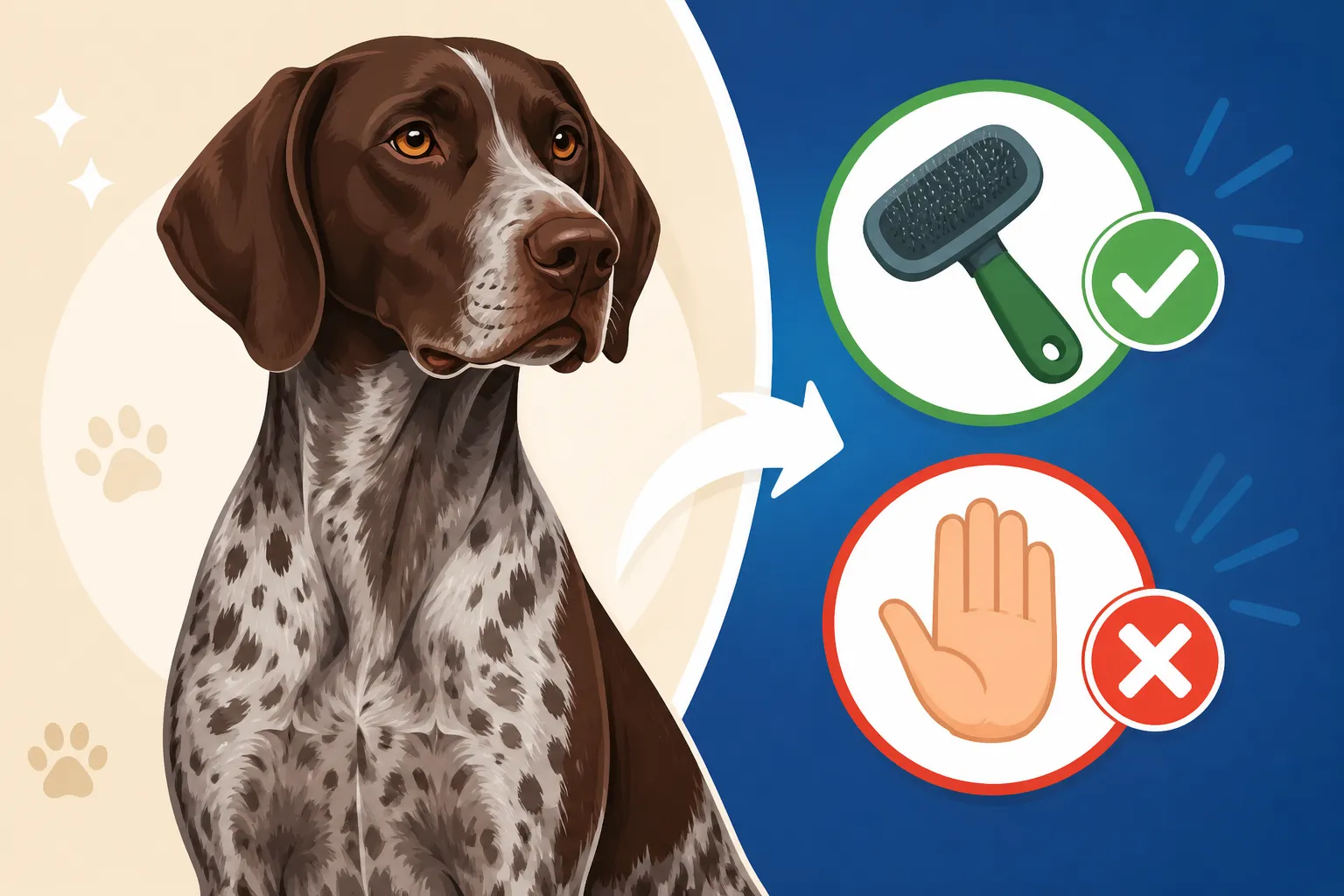
Whether a Shorthair’s Coat Needs Brushing at All
Many German Shorthaired Pointer owners, especially those new to the breed, often wonder if their short-coated companion actually needs regular brushing. It’s a common misconception that a short coat means less maintenance, and you might feel a bit lost amidst all the conflicting advice. This guide will walk you through the realities of the German Shorthaired Pointer's coat, why brushing is often more important than you think, and how to make it a positive experience for both you and your athletic dog.
Understanding the German Shorthaired Pointer Coat
Let's dive into what makes a German Shorthaired Pointer's coat unique and why it behaves the way it does. It's not just "short hair"; there's a lot more to it.
The Unique Qualities of a Shorthair's Coat
When you run your hand over a German Shorthaired Pointer, you feel that distinctive dense, short, and rather coarse coat. It's not a silky, flowing affair like a Setter's, nor is it the wiry, bristly coat of a German Wirehaired Pointer. Instead, it's designed for functionality, purpose-bred to protect them from the elements during long days afield. This coat is naturally water-resistant, helping water bead off rather than soak through, which is crucial when they're plunging into icy ponds for retrieves or pushing through dew-soaked cover in the early morning. It's also tough enough to offer some protection against thorns and brush, though it's by no means impenetrable.
The density is key here. While individual hairs are short, there are a lot of them packed closely together. This provides insulation in cooler weather and helps regulate body temperature. You might think, "Well, it's short, so it won't shed much, right?" That's where the surprise comes in for many first-time owners. The individual hairs are indeed short, but they are constantly turning over, much like a human's hair or other breeds' coats. The short length often makes the shedding less visible in large clumps, but you'll certainly find those little stiff hairs everywhere if you don't manage them. It's a coat built for a working dog, and understanding its function helps us understand its care.
What "Shedding" Really Means for This Breed
Ah, the shedding. It's one of those things that catches many German Shorthaired Pointer owners off guard, myself included, when I first got my energetic companion. You see pictures of their sleek, short coats and think, "Easy clean-up!" Then you live with one for a few weeks, and suddenly, you're finding short, stiff hairs woven into your couch fabric, clinging to your dark pants, and somehow even showing up in your morning coffee. Yes, Shorthairs absolutely shed, and often quite a bit. How Much a German Shorthaired Pointer Really Sheds is a question that pops up in nearly every owner's mind at some point.
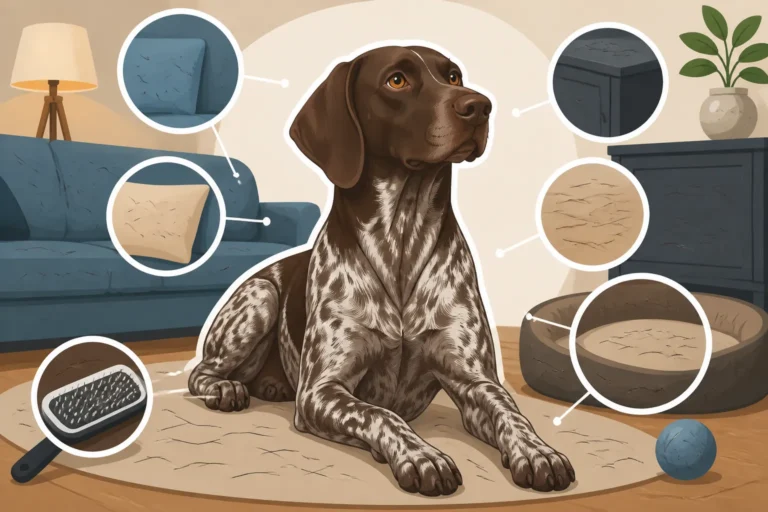
The nature of their shedding isn't like a Golden Retriever's, where you might find tumbleweeds of soft undercoat. Instead, it's a constant, fine shedding of those short, stiff guard hairs. This type of hair has a unique ability to embed itself into textiles, making it notoriously difficult to remove from upholstery, carpets, and clothing. They also go through seasonal "blow-outs," where the shedding noticeably increases, typically in spring and fall, as their bodies adjust to temperature changes. The Weeks a Shorthair Drops Its Coat can feel like an endless battle against a sea of tiny hairs, and you'll quickly realize that doing nothing isn't really an option if you want to maintain a semblance of a hair-free home.
Why Brushing Your German Shorthaired Pointer (or Not!)
So, with that understanding of their coat, let's tackle the core question: does a German Shorthaired Pointer really need brushing? The answer is a resounding yes, and for reasons that go far beyond just collecting loose hair.
Beyond Just Removing Loose Hair
Brushing your German Shorthaired Pointer isn't just about preventing your home from being coated in a fine layer of stiff hair (though that's a huge bonus, let's be honest!). It's a critical part of their overall health and well-being. Think of it as preventative maintenance for their skin and coat. Regular brushing, even with a short-coated breed, helps to distribute the natural oils across their skin and hair shafts. These oils are essential for keeping their coat healthy, shiny, and maintain its natural water-resistance. Without proper distribution, these oils can build up in some areas and leave others dry, potentially leading to dull coat and flaky skin.
More importantly, brushing acts as a mini-massage, stimulating blood circulation to the skin. This improved circulation can promote healthier skin cell turnover and better hair growth. It also helps to remove dead skin cells, dirt, and any environmental debris that might get trapped in their dense coat, even if it looks perfectly clean to the naked eye. This regular cleaning action reduces the likelihood of skin irritations, clogged pores, and minor infections that can arise from neglected skin. Skipping brushing might seem like a time-saver, but it can actually lead to more significant skin issues down the road that require veterinary attention.
The Benefits for Skin Health and Bonding
Beyond the practical removal of loose hair and dirt, regular brushing offers significant health benefits for your German Shorthaired Pointer's skin. Their short coat can sometimes make skin issues harder to spot until they become more advanced. For instance, some Shorthairs can be prone to conditions like Lupoid Dermatosis and a Shorthair's Scaling Skin, which manifest as dry, flaky patches or excessive scaling. Regular brushing allows you to visually inspect their skin more closely and feel for any bumps, lumps, rashes, or tender spots that might indicate a problem. Catching these issues early can make a huge difference in treatment and recovery.
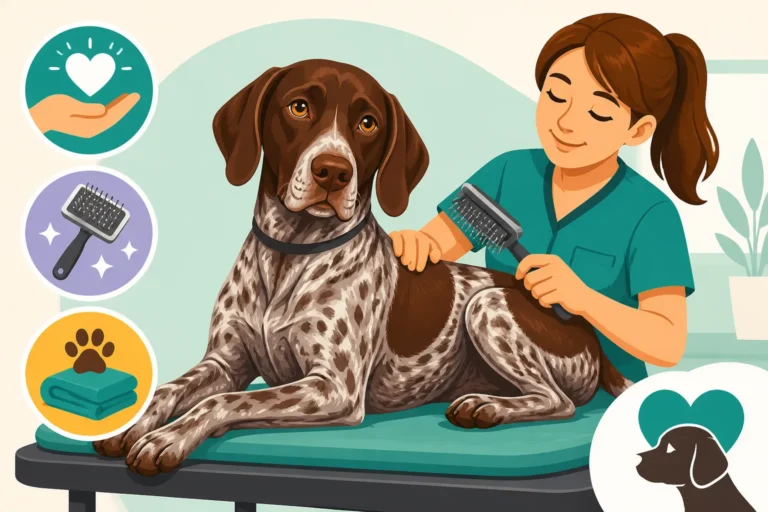
Moreover, the act of brushing is a wonderful opportunity for bonding with your dog. For an active breed like the German Shorthaired Pointer, who thrives on attention and interaction, a quiet grooming session can be a calming and positive experience. It reinforces your relationship, building trust and affection. Many Shorthairs absolutely adore the physical contact and will lean into the brush, sighing contentedly. It's a chance to connect without the high energy of a training session or a run in the field. This quiet time can be especially valuable for dogs that might be a little more reserved or for young puppies still learning to be comfortable with handling. It teaches them patience and allows them to associate being touched with pleasant sensations, which also helps immensely during vet visits or when checking them over for Field Injuries a Hunting German Shorthaired Pointer Comes Home With.
The Right Tools for the Job
Now that we've established why brushing is essential, let's talk about how to do it effectively. Having the right tools makes all the difference in making grooming an efficient and enjoyable process for both of you.
Deshedding Tools vs. Regular Brushes
When you're trying to tackle that German Shorthaired Pointer shed, not all brushes are created equal. You'll find a wide array of options at your local pet store or online, like those available on Chewy or Amazon, and it can be overwhelming. For a GSP's coat, you're generally looking for tools that can effectively grab those short, stiff hairs without irritating their skin.
Deshedding tools, like a popular brand often seen advertised, are designed with fine, closely spaced teeth that reach through the topcoat to remove loose undercoat and shedding hairs. These can be incredibly effective for German Shorthaired Pointers, especially during their seasonal "coat blow" periods. They can remove a surprising amount of hair that a regular brush might miss, significantly reducing the amount of hair ending up on your furniture and floors. However, they need to be used with a light hand, as over-brushing or pressing too hard can cause skin irritation or even brush burn. It’s a tool for thorough removal, not daily maintenance.
For more regular brushing, a rubber curry brush or a shedding blade (the kind with loops of teeth that you pull along the coat) can work wonders. These are gentler and excellent for everyday use. A shedding blade, despite its name, isn't sharp; it has fine teeth that pull loose hairs from the coat without cutting. A rubber curry brush massages the skin, stimulates circulation, and collects loose hairs. Both are excellent choices for removing surface dirt and dander while also grabbing those pesky shedding hairs. You might find a combination of tools works best: a deshedding tool once a week during peak shedding, and a rubber brush or shedding blade a few times a week for maintenance.
Grooming Gloves and Other Gentle Options
Sometimes, the simplest tools are the most effective, and certainly the gentlest, especially if your German Shorthaired Pointer is sensitive or you're just starting their grooming journey. Grooming gloves are a fantastic option for a Shorthair's coat. These gloves often have rubber or silicone nubs on the palm and fingers, allowing you to effectively brush and massage your dog's coat simply by petting them. Many dogs, especially those who are a bit wary of traditional brushes, respond very well to the grooming glove because it feels more like a loving stroke than a formal grooming session.
These gloves are excellent for distributing natural oils, removing loose hair, and even giving your dog a gentle bath. They are particularly useful for puppies learning to enjoy grooming or for older dogs who might have tender spots. You can easily find them on sites like Chewy or Amazon. For a quick touch-up or just general bonding, a grooming mitt is also a solid choice. The Grooming Mitt That Suits a Shorthair Coat will often be made of rubber or a similar material that attracts loose hair. They're soft, flexible, and can be used wet or dry.
Another gentle option, often overlooked, is a soft bristle brush. While it might not pull out as much hair as a deshedding tool, it's wonderful for bringing out a shine, distributing oils, and providing a pleasant massage. This is particularly good for Shorthairs with very sensitive skin or for a final polish after using a more intensive tool. Remember, the goal is not just hair removal, but overall coat and skin health, and a pleasant experience for your dog.
Establishing a Grooming Routine That Works for You Both
Consistency is key when it comes to grooming your German Shorthaired Pointer. It's not about one massive session a month; it's about regular, manageable care that keeps their coat in top condition and prevents problems before they start.
Frequency Based on Lifestyle and Season
The "how often" question for brushing your German Shorthaired Pointer largely depends on their individual coat, activity level, and the time of year. For most Shorthairs, a minimum of 2-3 times a week is a good baseline. This helps keep up with the constant shedding and distributes those beneficial skin oils. If your dog is a couch potato (unlikely for a GSP, but hypothetically!), you might get away with slightly less, but for an active field dog, more frequent attention is usually better.
During peak shedding seasons – typically spring and fall when they "blow their coat" – you'll want to increase brushing to daily, if possible. Whether a Shorthair's Coat Blows Out Twice a Year is a reality for many owners, and these periods can be intense. Daily brushing during these times can significantly reduce the amount of hair that ends up in your home, making it a less frustrating experience for you.
Consider your dog's lifestyle too. If your German Shorthaired Pointer spends a lot of time in the field, running through tall grass, brush, and swimming in ponds, they'll pick up more dirt, burrs, and potentially ticks. In these cases, a thorough brush-down after every outdoor adventure isn't just about shedding; it's vital for checking them over for Checking a German Shorthaired Pointer for Burrs and Seeds or other external parasites. A routine like this not only maintains their coat but also serves as an important health check, preventing issues like skin irritation or embedded foreign objects.
Here's a quick guide to frequency:
| Activity Level / Season | Recommended Brushing Frequency | Primary Goal | Tools to Use |
|---|---|---|---|
| Average Pet | 2-3 times per week | General maintenance, oil distribution, light shed | Rubber curry, shedding blade, grooming glove |
| Heavy Shedding Season | Daily | Remove maximum loose hair, prevent matting (rare) | Deshedding tool (lightly), rubber brush, mitt |
| Active/Hunting Dog | After every outdoor session | Remove debris, check for injuries/parasites, shed | Rubber curry, fine-toothed comb (for burrs), mitt |
| Puppies/Sensitive Dogs | Daily (short sessions) | Build positive association, gentle hair removal | Grooming glove, soft bristle brush |
Making Grooming a Positive Experience
For your German Shorthaired Pointer, grooming should never be a battle or a source of anxiety. It should be a quiet, calm ritual that they look forward to. The key to this is positive reinforcement and starting early. Introduce brushing sessions when your puppy is young, keeping them very short (just a minute or two) and pairing them with high-value treats and praise. Let them investigate the brush, sniff it, and don't force anything. Gradually increase the duration as they become more comfortable.
Choose a quiet time when your dog is already relaxed, perhaps after a good play session when they're a little tired, or in the evening while you're watching TV. Speak in a calm, soothing voice. If your dog shows any signs of discomfort – pulling away, licking lips, yawning excessively – stop, reassure them, and try a lighter touch or a different tool. Never punish them for being squirmish during grooming; this will only create negative associations.
Associating grooming with pleasant outcomes is vital. Reward them generously throughout the session, not just at the end. For instance, after a few strokes, give a treat. If they stand still, praise them. You can even incorporate a favorite toy or a bit of Ollie or Chewy brand yummy treats to distract and reward. The goal is for them to see the brush come out and think, "Oh, goodie! Cuddles and treats!" rather than "Oh no, here we go again!" This positive conditioning will pay dividends over their lifetime, making future grooming, vet visits, and general handling much easier for everyone involved.
Addressing Specific Coat Challenges
Even with regular brushing, German Shorthaired Pointers can present unique coat challenges due to their active lifestyle and the specific nature of their coat. Knowing how to handle these can save you a lot of headache and keep your dog comfortable.
Managing Seasonal Blow-Outs and Extra Shedding
As we discussed, the seasonal "coat blow" can be a real moment of reckoning for German Shorthaired Pointer owners. It feels like overnight, your sleek, short-haired dog suddenly starts shedding enough to build another dog. This isn't abnormal; it's a natural physiological process where their coat adjusts to the changing temperatures. While it can be frustrating to find hair everywhere, understanding why it's happening can help you manage it better. The Weeks a Shorthair Drops Its Coat can seem endless, but with a strategy, you can get through it.
During these periods, daily brushing becomes your best friend. Employing a deshedding tool with a gentle hand can be highly effective in pulling out vast amounts of loose hair that would otherwise end up on your floors, furniture, and clothing. Rubber curry brushes or shedding blades are also excellent for continuous use. You might even find that giving your Shorthair a bath with a good quality shampoo designed for shedding coats, followed by a thorough blow-dry (if your dog tolerates it and you have a dog-specific dryer), can help loosen and remove a lot of dead hair at once. After a bath, those hairs become much easier to brush out. Just remember to rinse thoroughly to prevent skin irritation.
Beyond brushing, consider investing in lint rollers – many of them – and good vacuum cleaner attachments for pet hair. Why Shorthair Hair Weaves Into Fabric is something you'll experience firsthand, as those short, stiff hairs embed themselves deep. Regular vacuuming and dedicated pet hair removal tools (like rubber squeegees for carpet) can help keep your living space more manageable. Don't forget their bedding; washing it frequently will also help reduce the hair circulating in your home.
Dealing with Burrs, Ticks, and Field Debris
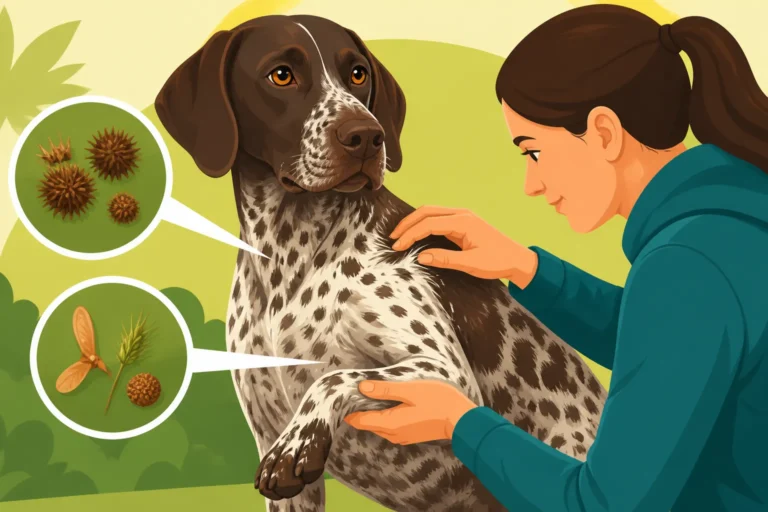
The German Shorthaired Pointer is a dog built for the outdoors, and with that comes the inevitable encounters with nature's "accessories." Burrs, foxtails, grass awns, and other plant debris can easily get caught in their dense, short coat, especially on their legs, belly, and around their ears. While their coat is short, these tenacious bits of nature can become surprisingly embedded and cause irritation, skin infections, or even migrate under the skin if not removed promptly. Foxtails and Grass Awns in a Hunting Shorthair are a common concern for active owners.
After every outing, especially in grassy or wooded areas, a thorough once-over with a brush is non-negotiable. Use a fine-toothed comb or even your fingers to meticulously check their entire body. Pay close attention to areas where debris tends to accumulate: between their toes, under their armpits, along their belly, and around their ears. Gently pick out any burrs or seeds. If something is deeply embedded or causing pain, don't try to rip it out; use a comb to work it loose or, if necessary, cut the hair around it with blunt-nosed scissors. For anything stubborn or if you suspect it's already causing irritation or puncture, a vet visit is in order.
Ticks are another major concern for German Shorthaired Pointers that spend time outdoors. Their short coat makes ticks relatively easy to spot if you're looking, but their dense nature can also allow small ticks to hide. Regular brushing after outdoor adventures gives you the perfect opportunity to search for and remove any ticks before they have a chance to transmit diseases. Always have a good tick removal tool on hand. Additionally, ensure your Shorthair is on appropriate Flea and Tick Cover for a Shorthair in Tall Grass year-round, as recommended by your veterinarian, to provide an extra layer of protection against these persistent pests. Keeping on top of these post-field checks is crucial for their health and comfort.
Disclaimer
This article is for general informational purposes only and does not constitute professional advice. Laws, prices and regulations vary by location and change over time. Consult a qualified professional for guidance on your specific situation.