How Much a German Shorthaired Pointer Really Sheds
Oh, the joys of owning a German Shorthaired Pointer! We love their boundless energy, their unwavering loyalty, and that incredible drive in the field. But if you're a new GSP owner, or even if you've had a few over the years, there's one topic that often takes people by surprise: the shedding. Many folks assume that because their coat is short, it won't shed much. Boy, are they in for a rude awakening! That fine, stiff hair seems to get absolutely everywhere. This guide is here to unravel the mystery of GSP shedding, why it feels like a constant battle, and how you can manage it without losing your mind (or your pristine couch).
Understanding the German Shorthaired Pointer Coat
Let's start by digging into the very thing that causes all the fuss: the GSP's coat itself. It’s not just a simple layer of hair; it's a carefully evolved feature designed for their demanding lifestyle. Understanding its composition and function is the first step in understanding why it sheds the way it does. You might look at that sleek, short coat and think "easy maintenance," but there's more than meets the eye to its structure and how it protects your dynamic hunting companion.
The Double Coat Myth and Reality
When we talk about dog coats, the term "double coat" often comes up, usually associated with breeds like Huskies or Labs that are known for blowing huge amounts of undercoat. Many GSP owners wonder if their dog has a double coat, and the answer is a nuanced "not exactly." While their coat isn't as dense or distinct as a true double-coated breed with a fluffy underlayer, GSPs do possess a protective coat structure that serves a similar purpose in milder climates. It’s often described as a single, dense coat, but it has coarser guard hairs over a somewhat finer, denser layer closer to the skin, particularly noticeable during colder months.
This structure allows them to shed water and debris efficiently, protecting them from the elements when they’re crashing through brush or diving into icy ponds. However, this also means that the hairs aren't all uniform; there's a constant turnover of these different hair types. The shorter, stiffer guard hairs and the slightly softer insulating hairs are both regularly replaced. So, while you might not get the massive tufts of fluffy undercoat that you'd vacuum out of a Golden Retriever, you're certainly not dealing with a single-layer coat that only sheds a few stray hairs here and there. It’s a common misconception that often leads to underestimating their shedding potential.
The Purpose of a Short, Stiff Coat
A German Shorthaired Pointer's coat is a marvel of natural engineering, perfectly suited for their role as versatile hunting dogs. It’s short, dense, and slightly coarse to the touch, and this isn't just for aesthetics. This specific texture and density are crucial for protecting them from the rigors of the field. Imagine your GSP tearing through thorny bushes, tall prairie grasses, or dense wetland reeds – their coat needs to be able to shrug off scratches, repel water, and offer some insulation against both heat and cold. It truly acts like a natural suit of armor.
The stiffness of the individual hairs allows them to shed water quickly, preventing the dog from becoming waterlogged and chilled, especially important when they are retrieving ducks in cold conditions. It also helps debris, like burrs and mud, from clinging too tightly, making post-hunt clean-up a little easier (though certainly not entirely absent!). This constant need for an efficient, protective barrier means that the coat is in a continuous state of renewal. Older, worn hairs need to be replaced with new, strong ones. This continuous cycle directly contributes to the constant shedding you'll notice in your home, as the coat is always optimizing itself for protection and function.
Seasonal Changes and Coat Blows
Just like many other breeds, German Shorthaired Pointers experience seasonal changes in their coat, often referred to as "coat blows." While not as dramatic as some northern breeds, you will definitely notice periods of increased shedding. Typically, GSPs will shed more heavily in the spring as they get rid of their denser winter coat to prepare for warmer weather, and again in the fall to make way for a thicker, more insulating layer. These are the times when you might feel like you're constantly battling a furry tumbleweed problem in your living room.
During these seasonal transitions, it's not uncommon to see a significant uptick in the amount of hair coming off your dog. It's their body's way of adapting to the changing temperatures and sunlight hours. Even indoors, where temperatures are more controlled, their natural rhythms still dictate these cycles to a degree. You might notice your vacuum cleaner getting a more strenuous workout, or find yourself running a slicker brush over your GSP multiple times a day. Understanding these predictable increases can help you prepare with extra grooming and cleaning efforts. It's a natural process, but one that certainly requires management to keep your home from becoming a fur museum. The Weeks a Shorthair Drops Its Coat and Whether a Shorthair's Coat Blows Out Twice a Year are common concerns for owners trying to anticipate these heavy shedding periods.
The Unexpected Volume of German Shorthaired Pointer Shedding
This is where the rubber meets the road for many GSP owners. You bring home this sleek, athletic dog, perhaps envisioning minimal hair because, well, it's short! Then, a few weeks or months in, you realize that "short" absolutely does not mean "low shedding." The sheer volume and the unique characteristic of GSP hair can be a genuine shock, leaving you wondering how such a small strand can cause such a big mess.
Why "Short Hair" Doesn't Mean "Low Shedding"
This is probably the biggest misconception about German Shorthaired Pointers. The thought process is logical: long-haired dogs shed long hairs, short-haired dogs shed short hairs, therefore less hair, right? Unfortunately, with GSPs, this couldn't be further from the truth. While the individual hairs are indeed short, they shed constantly and in high volume. Imagine if every hair on their body had a relatively short life cycle, constantly being replaced. That's essentially what happens. Instead of shedding huge, visible clumps of hair like a Golden Retriever or a Husky might do during a coat blow, GSPs shed an endless supply of tiny, stiff hairs.
These hairs are particularly insidious because of their texture and size. They don't typically clump together neatly on the floor. Instead, they embed themselves into carpets, furniture, car upholstery, and clothing with remarkable tenacity. You might brush your GSP for ten minutes and still run your hand over their back to find more loose hairs ready to fall. It's not about the length of the hair, but the frequency and density of the hair turnover that defines GSP shedding. This constant, pervasive shedding is the real challenge, rather than the occasional impressive fur ball.
The Fine Hairs That Seem to Stick to Everything
The quality of German Shorthaired Pointer hair is unique and contributes heavily to the "it sticks to everything" phenomenon. These aren't soft, fluffy hairs that gently float to the ground or easily brush off surfaces. GSP hairs are relatively coarse, stiff, and short, almost like tiny needles. Because they are so short and stiff, they have a remarkable ability to weave themselves into fabric fibers.
Think about your favorite fleece blanket or that comfy pair of sweatpants. A GSP's hair doesn't just rest on top; it penetrates and becomes practically one with the material. Lint rollers become your best friend, but even they often struggle to pull out every last hair. These hairs have a way of working their way into the tightest weaves of upholstery and carpeting, making them notoriously difficult to remove completely. You'll find them on your dark work clothes, embedded in the car seats, and even occasionally mixed in with your breakfast cereal (okay, maybe not that far, but it feels like it sometimes!). This is why managing GSP shedding isn't just about cleaning, but about preparing your home and wardrobe for a constant battle against these pervasive little strands.
Visualizing the Shebang: How much hair are we really talking about?
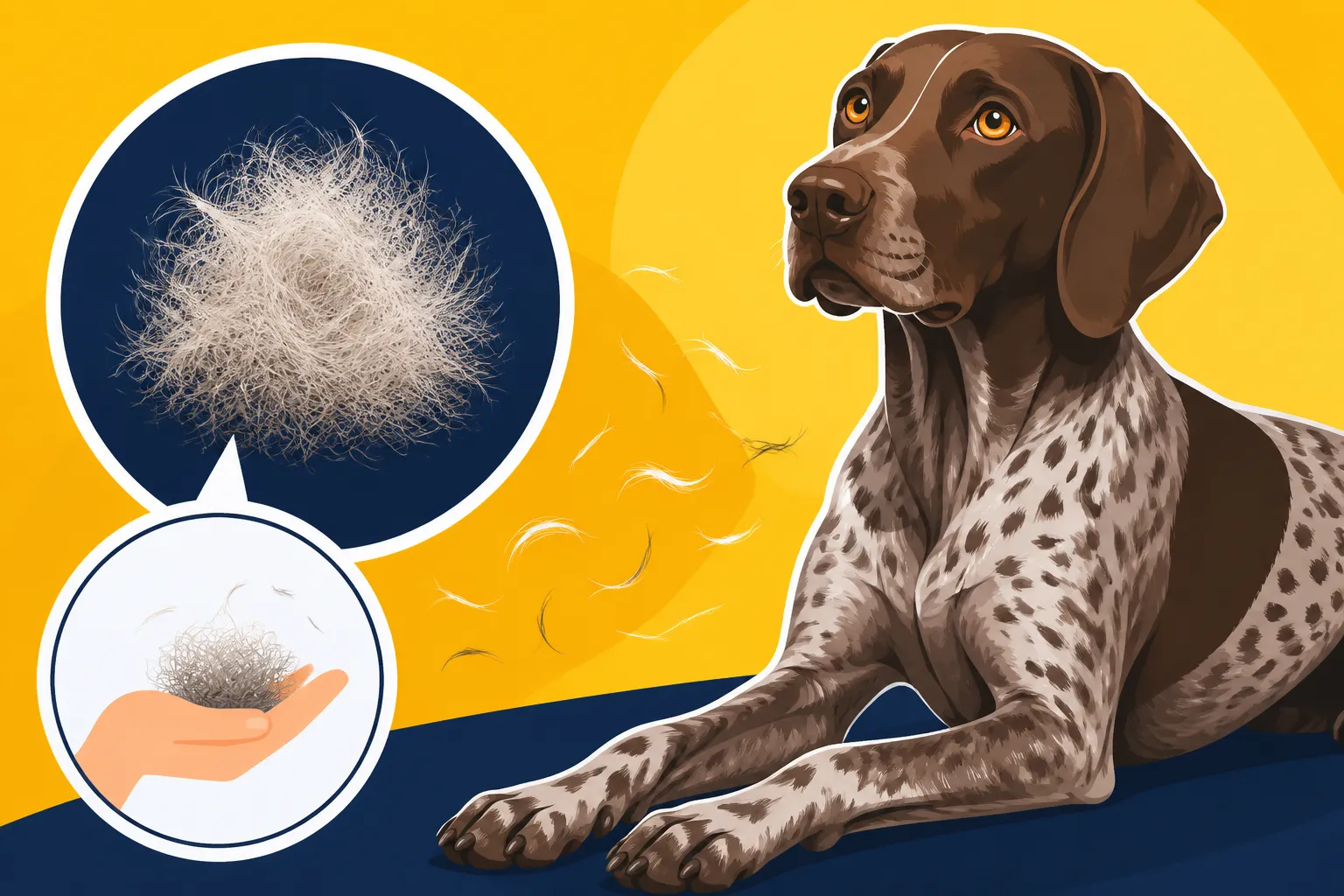
It's hard to quantify "a lot" when it comes to dog hair, but let's try to paint a picture for German Shorthaired Pointers. Imagine giving your dog a good, thorough brushing – you might fill a small handful or even a baseball-sized clump of hair with a good deshedding tool. Now, imagine that amount of hair falling off your dog, bit by bit, every single day. That’s the reality for many GSP owners, especially during peak shedding seasons.
You're not just dealing with the occasional stray hair; you're dealing with a consistent, low-level snowfall of short, stiff hairs that defy gravity and somehow migrate to every corner of your house. Walk across a hardwood floor in socks? You'll collect a fresh layer of GSP fuzz. Sit on the couch for five minutes? You'll rise with a new accessory of embedded hairs. It's a continuous process that can be overwhelming if you're not prepared for it. For some, it might feel like a never-ending cycle of vacuuming, lint rolling, and wiping down surfaces. It's less about dramatic "fur explosions" and more about persistent, widespread coverage that seems to magically reappear moments after you've cleaned.
Factors Influencing German Shorthaired Pointer Shedding
While some shedding is a given for virtually all dogs, several factors can either exacerbate or mitigate the amount of hair your German Shorthaired Pointer drops. It’s not just about their breed; diet, environment, and even their health can play a significant role. Understanding these influences can help you identify areas where you might be able to make adjustments to improve their coat health and, hopefully, reduce the amount of loose hair floating around your home.
Diet and Coat Health
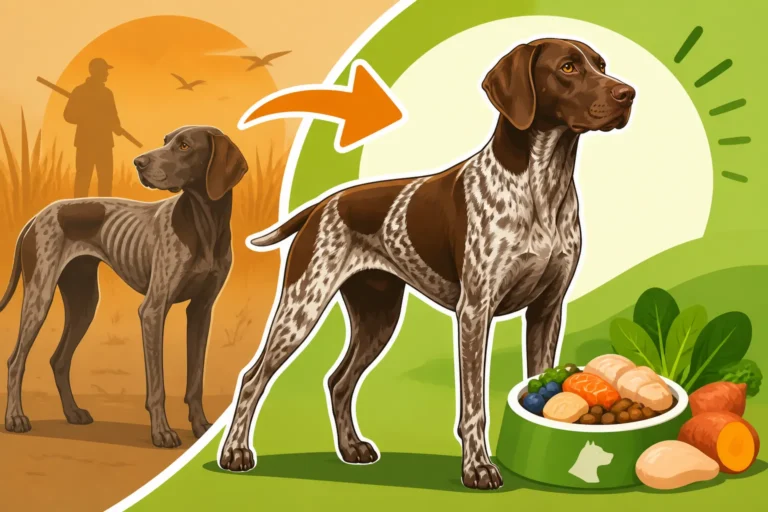
What you feed your German Shorthaired Pointer has a profound impact on the health and quality of their coat, which in turn affects how much they shed. A diet lacking in essential nutrients, particularly fatty acids like Omega-3 and Omega-6, can lead to a dry, brittle coat that sheds excessively. Think of it like a plant that isn't getting enough water; it becomes dull and drops its leaves more frequently. The same principle applies to your GSP's hair follicles.
High-quality dog food, formulated for active breeds, typically contains the necessary balance of proteins, fats, vitamins, and minerals to support a healthy coat. Ingredients like salmon oil, flaxseed, and even certain vegetables can provide those beneficial fatty acids. If your GSP is on a lower-quality diet, or if they have any dietary sensitivities, you might notice their coat appears duller, feels coarser, and sheds far more than usual. Some owners find that adding a fish oil supplement to their dog's food, available at retailers like Chewy or Amazon, makes a noticeable difference. For instance, some premium brands like Ollie focus on fresh, human-grade ingredients that are designed to optimize overall canine health, including skin and coat. A shiny, supple coat is often an indicator of good health and, paradoxically, a sign that the shedding might be more manageable because the existing hairs are stronger and healthier. You can read more about Fish Oil for a German Shorthaired Pointer's Skin to understand its benefits.
Environmental Triggers and Indoor Living
Your GSP's living environment also plays a role in their shedding patterns. Dogs that spend most of their time outdoors, exposed to natural light cycles and varying temperatures, tend to have more pronounced seasonal coat blows. Their bodies are directly responding to the changing seasons, shedding a winter coat in spring and growing a new one in fall. However, many German Shorthaired Pointers live primarily indoors, where central heating and air conditioning create a relatively stable, artificial climate year-round.
This constant, temperate environment can confuse their natural shedding cycles, leading to a more continuous, year-round shedding rather than distinct seasonal "blows." Instead of two big sheds, you might get a consistent, moderate shed every single day. Additionally, factors like humidity levels, exposure to allergens (dust mites, pollen), and even stress can impact skin health and, consequently, shedding. A dog that is constantly itching due to dry indoor air or environmental allergies might scratch and dislodge more hair. While you can't control every aspect of their environment, being mindful of indoor air quality and considering humidifiers during dry winter months might offer some relief.
Hormonal Changes and Health Conditions
Hormones can have a significant impact on a dog's coat, and German Shorthaired Pointers are no exception. Spaying or neutering, for example, can sometimes alter a dog's coat texture and increase shedding, a phenomenon often referred to as "spay coat" or "neuter coat." This change is due to altered hormone levels affecting the hair growth cycle, sometimes leading to a softer, denser coat that can shed more. Pregnant or lactating bitches also often experience significant shedding changes, particularly after whelping, as their bodies regulate post-pregnancy hormones.
Beyond normal hormonal fluctuations, underlying health conditions can also contribute to excessive shedding. Hypothyroidism, for instance, a common endocrine disorder in dogs, can manifest as a dull, brittle coat and increased hair loss. Skin infections, parasites (like fleas or mites), allergies, stress, or other systemic illnesses can also compromise coat health, leading to thinning hair, bald patches, or generalized increased shedding. If you notice a sudden, dramatic increase in shedding, or if it's accompanied by other symptoms like lethargy, changes in appetite, or skin irritation, it's always best to consult your veterinarian. They can rule out any medical issues and ensure your GSP isn't shedding more than usual due to an underlying problem.
Managing German Shorthaired Pointer Shedding Effectively
Okay, so we've established that German Shorthaired Pointers shed, and they shed a lot. The good news is that you're not helpless in the face of this furry onslaught! There are concrete, proactive steps you can take to manage their shedding and keep your home a little less covered in short, stiff hairs. It's a commitment, but with the right tools and routines, you can make a noticeable difference.
Grooming Tools and Techniques
Regular grooming is your most powerful weapon against GSP shedding. It's not just about aesthetics; it's about removing loose, dead hair before it has a chance to fall out all over your house. For GSPs, the key is consistency. A quick brush once a week simply won't cut it. Aim for daily or at least every-other-day brushing, especially during those heavy seasonal shedding periods.
When it comes to tools, you'll want to have a few essentials in your grooming kit. A good rubber curry brush or grooming mitt is fantastic for daily use; it stimulates circulation, helps remove loose hair, and your dog will probably enjoy the massage. For more serious shedding, a deshedding tool like a "Furminator" (used sparingly and correctly) can be incredibly effective at pulling out the finer undercoat hairs without damaging the guard coat. A stiff bristle brush can then smooth the coat and remove any remaining surface hairs. The Grooming Mitt That Suits a Shorthair Coat is a great start for understanding basic grooming. Always brush in the direction of hair growth, and pay particular attention to areas like the back, flanks, and tail where shedding can be heaviest.
Here’s a quick overview of useful grooming tools:
| Tool Type | Best Use | Frequency | Notes |
|---|---|---|---|
| Rubber Curry Brush | Daily massage, loosens surface hair, great for short coats, spreads oils | Daily | Gentle, good for puppies and sensitive skin. |
| Grooming Mitt | Similar to curry brush, good for quick clean-ups, spreads natural oils | Daily | Easy to use, can be used during petting sessions. |
| Deshedding Tool | Removes loose undercoat effectively during heavy shedding seasons | 1-2 times/week | Use gently, avoid over-brushing to prevent skin irritation. Follow instructions carefully. |
| Stiff Bristle Brush | Smoothes coat, removes surface debris and dander, adds shine | Daily/Every other day | Good for finishing, helps distribute natural skin oils. |
Bathing Routines and Products
Bathing can also be an important part of your shedding management strategy, as it helps to loosen and rinse away dead hair. However, you don't want to over-bathe your GSP, as this can strip their skin of natural oils and lead to dryness, which can actually increase shedding. Aim for baths every 4-8 weeks, or as needed if they get particularly dirty from their adventures.
When you do bathe, use a high-quality dog shampoo specifically formulated to support skin and coat health. Look for shampoos with moisturizing ingredients like oatmeal or aloe, or those that explicitly state "deshedding formula" (though these often work best when combined with thorough brushing). During the bath, really work the shampoo into the coat to help dislodge loose hairs. A good rinse is crucial to ensure no shampoo residue is left behind, which can irritate the skin. After the bath, a thorough towel dry followed by brushing (once they're damp or fully dry) can remove a surprising amount of hair. Consider a Shampoo for a German Shorthaired Pointer With Bad Skin if your GSP has sensitive skin or existing conditions.
Diet and Supplement Support
As we touched on earlier, diet is foundational to coat health. Ensuring your German Shorthaired Pointer is eating a high-quality, balanced diet rich in essential fatty acids is paramount. Look for dog foods that list real meat as the first ingredient and contain sources of Omega-3 and Omega-6 fatty acids, such as fish oil, flaxseed, or sunflower oil. These nutrients are critical for maintaining healthy skin and a strong, shiny coat.
If your GSP's diet is already good but you're still seeing excessive shedding, you might consider adding supplements. Fish oil supplements, readily available from retailers like Chewy or Amazon, are a popular choice and can significantly improve coat health. Many owners report a noticeable reduction in shedding and a shinier coat after consistently adding a daily dose of fish oil. Other supplements like biotin or a comprehensive skin and coat supplement can also be beneficial. Always discuss any dietary changes or new supplements with your veterinarian to ensure they are appropriate for your individual dog and won't interact with any existing medications or health conditions. The Daily Ration a Working Shorthair Actually Eats and Switching a Shorthair Onto a New Food are great resources to ensure your GSP is getting the right nutrients.
Housekeeping Strategies for Shedding Control
Let's face it, no amount of brushing will stop all GSP hair from ending up in your home. So, having a solid housekeeping strategy is just as important as your grooming routine. This breed's short, stiff hairs cling to everything, so you need tools and techniques specifically designed to tackle them.
Your vacuum cleaner will become your most-used appliance. Invest in a good quality vacuum designed for pet hair, with strong suction and attachments for upholstery. Regular vacuuming – daily, if possible, especially in high-traffic areas – will make a huge difference. For hardwood or tile floors, a dry mop or a robot vacuum can be incredibly helpful for picking up those elusive short hairs that seem to float across the floor. For furniture, a rubber glove (dampened slightly) or a squeegee can be surprisingly effective at gathering embedded hairs before you use an upholstery attachment. Keep lint rollers strategically placed by doors or in your car. Regular washing of dog beds, blankets, and throw covers will also help control the build-up of hair. It's a continuous battle, but with these strategies, you can keep the hair at a manageable level.
The Impact of Shedding on Your Home and Lifestyle
Living with a German Shorthaired Pointer means embracing a certain level of dog hair. It's an inevitable part of their charm, but it undeniably impacts your home and daily lifestyle. It's important to be realistic about what to expect so you can adjust your habits and expectations accordingly. From your wardrobe to your social life, GSP shedding leaves its mark.
Clothing, Furniture, and Car Interiors
This is where the pervasive nature of GSP shedding really becomes apparent. Those short, stiff hairs seem to have a magnetic attraction to fabric. Your dark pants for work? Expect them to be dotted with liver or black hairs. Your favorite sweater? It's now a GSP hair accessory. Lint rollers will become your constant companion, and you'll quickly learn the art of the "pat-down" before leaving the house. Many GSP owners keep a lint roller in their car, at work, and by the front door – it's just part of the routine.
Furniture, especially upholstered couches and chairs, becomes a collection point for GSP hair. Even if your dog isn't allowed on the furniture, the hairs will find their way there through air currents and by clinging to clothing. Consider durable, easy-to-clean fabrics for furniture, or invest in washable slipcovers and throws that can be regularly laundered. Car interiors are another challenge. Whether your GSP is riding in the back seat or a dog crate, those hairs will quickly accumulate on the seats, floor mats, and even the headliner. Regular vacuuming of your car, along with seat covers that can be removed and washed, will be essential to keep things looking somewhat tidy.
Allergy Considerations for German Shorthaired Pointer Owners
For individuals with dog allergies, GSP shedding can be a significant concern, despite the common misconception that short-haired dogs are "better" for allergy sufferers. The truth is, it's not the hair itself that typically causes allergies, but rather the dander (microscopic flakes of skin), saliva, and urine that contain proteins that trigger allergic reactions. Since German Shorthaired Pointers shed frequently and produce dander, they are generally not considered a good choice for people with dog allergies.
The constant release of dander and shed hairs means that these allergens are dispersed widely throughout the home, making it difficult for sensitive individuals to avoid exposure. While diligent cleaning, air purifiers, and regular grooming can help reduce the allergen load, it's often not enough for someone with moderate to severe allergies. If you or a family member has allergies, it's crucial to spend significant time around GSPs before committing to ownership to see how you react. Misconceptions about short-haired breeds being hypoallergenic can lead to unfortunate rehoming situations, so it's vital to be realistic about this aspect. You may want to check Whether a German Shorthaired Pointer Suits an Allergy Home for more insight.
Maintaining Hygiene and Cleanliness
The constant shedding of a GSP means that maintaining a truly spotless home is an uphill battle, if not an impossibility. You'll need to adjust your expectations for cleanliness. Instead of striving for perfection, aim for management. This means integrating cleaning into your daily routine rather than reserving it for a weekly deep clean. A quick daily vacuum, a wipe down of surfaces, and lint rolling your clothes before you head out the door will become second nature.
Beyond hair, GSPs are active dogs that love to explore, which means they can bring in mud, dirt, and outdoor debris that can further compound the cleaning challenge. Regular paw wiping, especially after outdoor excursions, will also become part of your routine. While it might seem daunting, most GSP owners quickly adapt to these new habits. The joy and companionship these dogs bring far outweigh the extra effort of cleaning for most. It's a trade-off, and one that GSP enthusiasts are typically happy to make.
Debunking Shedding Myths and Misconceptions
There are many myths and old wives' tales floating around about dog shedding, and German Shorthaired Pointers often get caught in the crossfire of these misunderstandings. It's important to separate fact from fiction when it comes to managing your GSP's coat, as some common beliefs can actually do more harm than good. Let's clear up some of these shedding myths.
The "Hypoallergenic" Fallacy
One of the most persistent myths is that short-haired dogs, including German Shorthaired Pointers, are "hypoallergenic" or at least "less allergenic" than long-haired breeds. This is a crucial misconception that needs to be addressed. As discussed, dog allergies are not primarily caused by the hair itself, but by specific proteins found in a dog's dander, saliva, and urine. All dogs produce these proteins.
While some breeds are often referred to as hypoallergenic because they shed less (like Poodles or Portuguese Water Dogs), thus releasing fewer allergens into the environment, GSPs shed quite a bit. Their short, stiff hairs, along with their dander, are constantly being released into the air and onto surfaces. This means that German Shorthaired Pointers are not a hypoallergenic breed, and individuals with dog allergies are likely to react to them. Choosing a GSP based on the belief that their short coat makes them hypoallergenic can lead to severe disappointment and health issues for allergic individuals. It’s critical to understand that coat length does not equate to allergen production.
Does Shaving a Shorthair Help?
Another common question, particularly during hot weather or heavy shedding seasons, is whether shaving a German Shorthaired Pointer will help reduce shedding or keep them cooler. The answer is a resounding no, and in fact, shaving can be detrimental to their coat and skin health. A GSP's coat is designed to protect them. The dense, short hairs provide insulation against both heat and cold, and they shield the skin from sunburn and insect bites.
Shaving a GSP can interfere with their natural temperature regulation, making them more susceptible to both heatstroke and cold. It also exposes their sensitive skin to the sun, increasing the risk of sunburn and skin cancer. Furthermore, when the hair grows back, it can sometimes come in coarser, patchier, or with a different texture, and it doesn't necessarily reduce shedding in the long run. The hair cycle remains the same; you just have shorter hairs to deal with. The best way to keep your GSP cool and reduce shedding is through regular grooming, proper hydration, and providing shade, not by shaving their protective coat.
Comparing GSP Shedding to Other Breeds
It's helpful to put GSP shedding into perspective by comparing it to other popular breeds. People often associate shedding with breeds like Golden Retrievers or Huskies, known for their thick double coats and dramatic seasonal "blows." While these breeds do shed impressive amounts of fluffy hair, the nature of GSP shedding is different. You won't typically find large clumps of GSP hair rolling across the floor like tumbleweeds.
Instead, GSPs offer a consistent, pervasive shedding of short, stiff hairs that embed themselves into fabric. It's less about the sheer volume of visible hair at any one time and more about the continuous nature and the tenacious adherence of the individual hairs. For example, a Labrador Retriever might have heavier seasonal sheds but perhaps less constant, everyday hair fall than a GSP. A Jack Russell Terrier, another short-haired breed, also sheds a surprising amount of short, stiff hair, similar in nature to a GSP. Conversely, a breed like a Poodle (considered hypoallergenic) sheds very little at all. So, while GSPs may not have the most hair by weight, the type of hair and the frequency of shedding make them one of the more challenging short-haired breeds to keep your home hair-free.
Disclaimer
This article is for general informational purposes only and does not constitute professional advice. Laws, prices and regulations vary by location and change over time. Consult a qualified professional for guidance on your specific situation.