Skin Care on a Shorthair With an Inherited Skin Disease
It’s heartbreaking to see your spirited German Shorthaired Pointer constantly scratching, chewing, and rubbing themselves raw, knowing deep down that their discomfort comes from something passed down through their very genes. Inherited skin diseases aren't just an occasional itch; they're a relentless battle that impacts every aspect of your dog's life and, let's be honest, yours too. This guide will walk you through understanding, managing, and providing genuine relief for your beloved GSP's lifelong skin struggles, offering practical strategies and a dose of much-needed empathy.
Understanding Inherited Skin Diseases in German Shorthaired Pointers
Bringing home a German Shorthaired Pointer, you envision years of vigorous outdoor adventures, sleek coats gleaming in the sun, and boundless energy. It's a rude awakening when, instead, you find yourself on a first-name basis with the vet, constantly battling redness, scabs, and relentless itching. Inherited skin conditions are a harsh reality for some GSPs, and recognizing them for what they are—a genetic predisposition—is the first step toward effective, long-term care. These aren't just "allergies" that can be easily fixed; they are often deeply rooted issues that require a multifaceted approach.
Common Genetic Skin Conditions
German Shorthaired Pointers, like many purebred dogs, can unfortunately carry genetic predispositions to certain health issues, and their skin is no exception. When we talk about inherited skin diseases, we're not just talking about a dry patch here or there; we're often dealing with systemic vulnerabilities that manifest on the skin. One of the most significant inherited conditions for GSPs is Lupoid Dermatosis, a truly devastating autoimmune disease that primarily affects the skin. It’s a bit like lupus in humans, where the immune system mistakenly attacks healthy cells, leading to severe scaling, crusting, and hair loss, often starting along the back and ears. It's a progressive disease, and it can be incredibly challenging to manage, making your dog miserable.
Beyond specific autoimmune conditions, many GSPs are also genetically predisposed to atopic dermatitis, commonly known as environmental allergies. While environmental factors like pollen and dust mites trigger the symptoms, the underlying tendency to react severely to these common allergens is inherited. Your dog's immune system is essentially wired to overreact, leading to chronic inflammation, itching, and recurrent skin infections. This isn't just about avoiding a certain plant; it's about a fundamental sensitivity that makes their skin a battleground. Another, albeit less common, condition that affects skin health in a broader sense and can be inherited is Primary Lymphedema, which leads to swollen limbs due to lymphatic system dysfunction. While not strictly a "skin disease" in the conventional sense of surface issues, the chronic swelling and impaired circulation can lead to secondary skin problems like thickening, infections, and discomfort. Dealing with these conditions means understanding their genetic roots, which then informs everything from diet to medication.
The Frustration of Diagnosis
If you've been down this road, you know the frustration of trying to get a clear diagnosis for your GSP's persistent skin woes. It's rarely a straightforward process. You might start with a general vet, who tries a round of antibiotics for a presumed infection, or perhaps a steroid shot for the itching. When those don't provide lasting relief, you might move onto dietary changes, only to find the problem persists. This cycle of trial and error can be incredibly disheartening, not to mention expensive. You start questioning everything, wondering if you're missing something, if you're doing something wrong. It's easy to feel defeated when your dog is still scratching, and the answers are elusive.
The diagnostic journey often involves a series of tests, each ruling out possibilities and hopefully narrowing down the culprit. Your vet might perform skin scrapes to check for mites, fungal cultures for ringworm, or cytology to identify bacterial or yeast overgrowths. For suspected allergies, blood tests or intradermal skin tests might be recommended, but these aren't always definitive. If an autoimmune condition like Lupoid Dermatosis is on the table, a skin biopsy is usually necessary. This involves taking a small tissue sample under local anesthesia or sedation, which is then sent to a specialized lab for pathology. The waiting game for results adds another layer of anxiety. We have a detailed guide on How Lupoid Dermatosis Is Diagnosed in a Shorthair that can shed more light on this specific process. The key is patience, persistence, and finding a veterinary team that truly listens and is willing to dig deep, even when the answers aren't obvious.
Why Inherited Matters for Management
Understanding that your GSP's skin condition is inherited fundamentally shifts the entire approach to management. It moves the conversation away from a hopeful "cure" and toward a realistic, lifelong strategy of mitigation and symptom control. When something is inherited, it means it's part of your dog's genetic blueprint; it's not something they "caught" or something that will simply go away with a single course of treatment. This can be a tough pill to swallow for owners who desperately want their dogs to be completely free of discomfort, but accepting this reality is crucial for setting appropriate expectations and developing a sustainable care plan.
The genetic basis also has significant implications for responsible breeding practices. If your GSP is diagnosed with a severe inherited skin condition, especially one like Lupoid Dermatosis, it's critical to ensure that they are not used for breeding. Passing on such debilitating conditions perpetuates suffering for future generations of dogs and heartbreak for their owners. While it's a difficult decision for any owner, especially if your dog comes from otherwise strong lines, considering Whether an Affected Shorthair Should Be Bred From is a moral imperative. For the affected dog themselves, knowing it's inherited means you're in it for the long haul. Your goal becomes minimizing flare-ups, controlling discomfort, and preventing secondary infections. This means establishing consistent routines, being vigilant for early signs of trouble, and often combining dietary, topical, and systemic treatments indefinitely. It’s about managing a chronic illness, not chasing a disappearing symptom.
The Cornerstone of Daily Skin Care: Diet and Nutrition
When your GSP is struggling with an inherited skin condition, it's easy to focus solely on external treatments—the shampoos, the creams, the pills. But true skin health often starts from within, and diet plays an absolutely critical role. What you put into your dog's bowl can either fuel inflammation and exacerbate their discomfort or provide the building blocks and support needed to strengthen their compromised skin barrier. This isn't just about preventing allergies; it's about supporting a system that is already fighting an uphill battle due to its genetic makeup. Ignoring nutrition when dealing with inherited skin disease is like trying to build a house without a strong foundation.
The Role of Food in Skin Health
Think of your GSP's skin as a protective barrier, their body's first line of defense against the outside world. For dogs with inherited skin conditions, this barrier is often weakened, making them more susceptible to irritants, allergens, and infections. This vulnerability can be significantly impacted by their diet. The concept of the "gut-skin axis" is increasingly understood in both human and animal medicine. Essentially, what's happening in your dog's digestive system can have profound effects on the health of their skin. An unhealthy gut microbiome, for example, can contribute to systemic inflammation, which then manifests as skin issues. Certain ingredients in dog food can trigger inflammatory responses in sensitive individuals, creating a vicious cycle of itching and irritation.
Beyond inflammation, proper nutrition provides the essential nutrients needed for skin cell turnover, hair growth, and the production of a healthy skin barrier. Protein, essential fatty acids, vitamins (like A and E), and minerals (like zinc) are all crucial. If a dog's diet is lacking in these areas, or if their body is unable to properly absorb them due to gut issues, their skin will suffer. For a GSP genetically prone to skin problems, this means their skin needs all the help it can get. A high-quality, balanced diet isn't just a suggestion; it's a fundamental part of their ongoing care plan, aiming to reduce internal inflammation and provide optimal building blocks for skin repair and resilience.
Hypoallergenic and Limited Ingredient Diets
One of the most powerful tools in managing inherited skin conditions, particularly those with an allergic component, is through dietary modification. This usually means exploring hypoallergenic or limited ingredient diets (LIDs). The idea behind LIDs is simple: by reducing the number of ingredients, especially common allergens, you minimize the chances of a reactive ingredient triggering an inflammatory response. Many LIDs focus on a single novel protein source (one your dog hasn't eaten before, like duck, venison, or kangaroo) and a single carbohydrate source (like sweet potato or tapioca). This makes it easier to pinpoint potential triggers if symptoms persist, or to confirm that removing certain ingredients provides relief.
For dogs with more severe sensitivities or confirmed allergies, truly hypoallergenic diets often utilize hydrolyzed proteins. In these foods, the protein molecules are broken down into such tiny pieces that the immune system doesn't recognize them as allergens, thus avoiding an immune response. These prescription diets are usually only available through your veterinarian, but more accessible options can be found. You can find a good selection of limited ingredient and novel protein kibbles, as well as specialized raw or gently cooked foods, from reputable online retailers like Chewy or Amazon. Companies like Ollie also offer fresh, human-grade food options which, for some GSPs, can lead to significant improvements by removing processed ingredients and artificial additives. The challenge with these diets is that they can sometimes be more costly, so it's worth exploring options and discussing Managing a Shorthair's Skin Disease on a Budget with your vet to find a balance between efficacy and affordability. Regardless of the brand, the key is consistency: once you find a diet that helps, stick with it rigorously.
Supplements for Skin Barrier Support
Beyond the core diet, specific nutritional supplements can offer invaluable support to your GSP's compromised skin barrier. These aren't magic bullets, but they can significantly enhance the skin's natural defenses and reduce inflammation, working synergistically with dietary changes and medical treatments. One of the most widely recommended supplements for skin health is Omega Fatty Acids, particularly EPA and DHA found in fish oil. These powerful anti-inflammatory agents work to quell the systemic inflammation that often drives inherited skin issues, reducing itching and improving the quality of the coat. We have a specific article dedicated to Fish Oil for a German Shorthaired Pointer's Skin that delves into the benefits and proper dosing.
Another beneficial class of supplements includes probiotics, which support a healthy gut microbiome. As mentioned, the gut-skin axis is crucial, and a balanced gut can reduce overall inflammation and improve nutrient absorption, indirectly benefiting the skin. Zinc is another important mineral for skin health, involved in cell growth, wound healing, and immune function. Deficiencies can lead to various skin issues, and supplementation can be helpful, especially under veterinary guidance. Lastly, Vitamin E is an antioxidant that can help protect skin cells from damage and support the immune system. When considering supplements, always consult with your veterinarian to ensure they are appropriate for your GSP's specific condition and won't interfere with other medications. Finding the right combination of dietary improvements and targeted supplements can often provide a noticeable difference in your dog's comfort and skin integrity.
Topical Treatments and Bathing Routines
While diet tackles skin health from the inside out, topical treatments are your direct line of defense on the outside. For a GSP with an inherited skin condition, these aren't just occasional fixes; they're an integral part of a consistent, thoughtful routine. The goal is not only to clean but also to soothe inflammation, kill off secondary infections, and help rebuild that delicate skin barrier that their genes have predisposed to weakness. Getting this routine right can make all the difference in your dog's daily comfort and prevent severe flare-ups.
Medicated Shampoos and Conditioners
For a GSP prone to inherited skin issues, a regular bath isn't just about getting clean; it's a therapeutic treatment. Medicated shampoos are formulated with active ingredients designed to address specific problems. For instance, antiseptic shampoos often contain chlorhexidine, which targets bacterial overgrowth, a common secondary issue when the skin barrier is compromised. If yeast infections are a problem, antifungal shampoos with ingredients like miconazole can be a godsend. For pure itch relief, anti-itch shampoos often contain colloidal oatmeal, pramoxine, or hydrocortisone to soothe irritated skin. Beyond treatment, moisturizing shampoos and accompanying conditioners are crucial to replenish lost moisture and support the skin barrier, especially after harsh medicated washes.
The effectiveness of these shampoos lies not just in the product itself, but in the application. You can't just lather and rinse; most medicated shampoos require a "contact time" of 5-10 minutes to allow the active ingredients to work their magic. This means applying the shampoo, gently massaging it in, and then patiently letting your GSP soak while you distract them with praise or a treat-filled toy. Rinsing is equally important: any residue left behind can cause further irritation. We have an entire article dedicated to Shampoo for a German Shorthaired Pointer With Bad Skin, offering more insights into product selection. For GSPs with conditions like Lupoid Dermatosis, which cause significant scaling, specific shampoos designed to lift scales and moisturize the skin, sometimes containing sulfur or salicylic acid, are often prescribed. It’s a process, but a necessary one to keep their skin as healthy as possible. The article Whether Medicated Baths Help a Shorthair's Scaling further explores this approach.
Spot Treatments and Sprays
Sometimes, the entire dog doesn't need a full medicated bath, or a flare-up occurs between baths in a specific area. This is where targeted spot treatments and sprays become invaluable. These products allow you to deliver concentrated relief exactly where it's needed, without over-treating healthy skin or stressing your GSP with a full bath. For acute flare-ups of redness, itching, or inflammation, sprays containing topical steroids can quickly calm the skin. These are often prescription-only and should be used judiciously, as directed by your vet, due to potential side effects with long-term or widespread use.
For secondary bacterial or yeast infections that pop up in specific spots, antimicrobial or antifungal sprays, foams, or wipes can be very effective. These allow you to cleanse and treat localized hot spots or skin folds without the need for systemic antibiotics unless the infection is severe. There are also many over-the-counter options available from retailers like Chewy or Amazon that contain soothing ingredients like witch hazel, aloe vera, or colloidal oatmeal. These can be great for general itch relief or to provide a protective barrier. For example, if your GSP develops a hot spot after a swim or a day in damp cover, a gentle cleansing wipe followed by an antiseptic spray can prevent it from escalating. The key is to have these on hand and use them at the first sign of trouble, preventing small irritations from becoming larger, more painful issues.
The Art of Bathing a Sensitive GSP
Bathing a German Shorthaired Pointer with an inherited skin disease isn't just a chore; it's a therapeutic ritual that requires a gentle touch and a methodical approach. The goal is to provide relief and cleanse, not to cause further irritation or stress. Firstly, water temperature is crucial. Use lukewarm water – never hot, which can exacerbate itching and dry out already sensitive skin. Cold water might feel temporarily soothing, but can also be uncomfortable and make it harder to lather. When applying shampoo, always dilute medicated shampoos as per instructions, and gently massage them into the coat and skin. Avoid harsh scrubbing, especially on raw or inflamed areas, which can cause further trauma. Your fingertips are your best tools here.
The "contact time" is non-negotiable for medicated shampoos. Distract your GSP with a lick mat smeared with peanut butter, or simply offer gentle praise and petting. This makes the experience less daunting for them. After the contact time, rinsing must be absolutely thorough. Any shampoo residue left on the skin can be highly irritating and counterproductive, potentially leading to new itching or flaking. Rinse until the water runs completely clear and you can't feel any slickness on the coat. Finally, drying. While air drying might seem gentler, a damp coat can encourage yeast or bacterial growth, especially in skin folds. Gently towel dry, focusing on absorbing as much moisture as possible. If using a hairdryer, ensure it's on a cool or low-heat setting and held at a safe distance to avoid skin burns or excessive drying. For more general advice, you might find How Often a Shorthair Needs Washing helpful, though for medicated baths, your vet’s specific frequency recommendations will take precedence.
Environmental Management and Allergen Avoidance
Even with the best diet and topical treatments, an inherited skin condition in a German Shorthaired Pointer can still flare up if their environment isn't managed carefully. Their genetically predisposed sensitivity means they react more intensely to everyday irritants that other dogs might tolerate without a second thought. Environmental management is about creating a sanctuary for their sensitive skin, minimizing triggers that can ignite the itch-scratch-infection cycle.
Minimizing Environmental Triggers
For a GSP with inherited skin disease, especially if environmental allergies are a component, their home environment can be a minefield of triggers. Common culprits include dust mites, pollens, molds, and even harsh household cleaning chemicals. To create a safer space, regular and thorough cleaning is paramount. Invest in a good vacuum cleaner with a HEPA filter to reduce dust and dander. Wash your dog's bedding weekly in hot water, and consider hypoallergenic covers for human bedding if your GSP shares your bed (which, let's be honest, most GSPs do!).
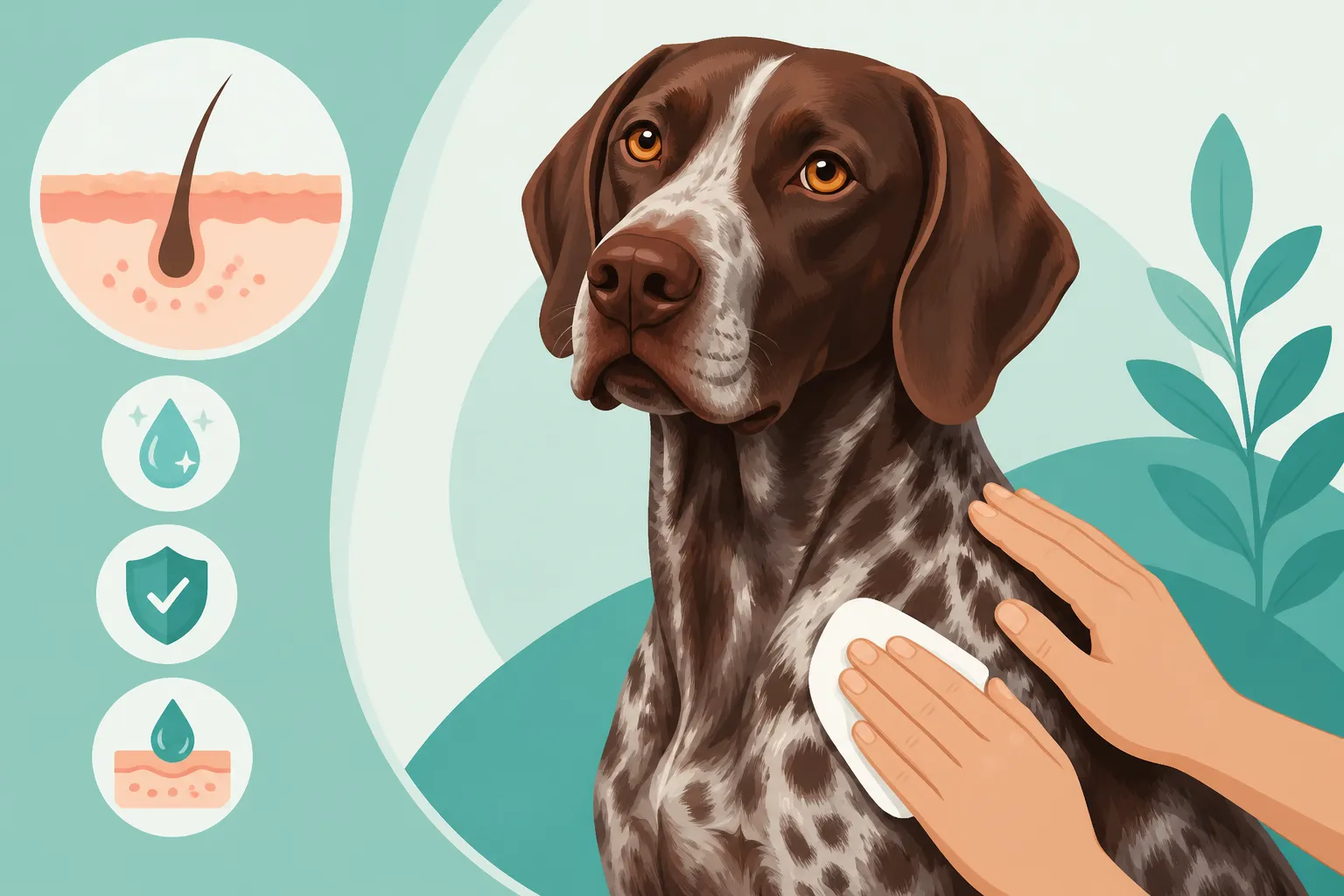
During peak pollen seasons, keeping windows closed and using air purifiers with HEPA and activated carbon filters can significantly reduce airborne allergens indoors. Wiping your GSP down with a damp cloth or specialized pet wipes after outdoor excursions can also remove pollen and other irritants from their coat before they can settle into the house or cause a reaction on their skin. Be mindful of the cleaning products you use; opt for pet-safe, fragrance-free alternatives. Strong chemical fumes or residues can be highly irritating to sensitive skin. Understanding Environmental Allergies in a Shorthair That Works Cover can help you recognize and mitigate these external factors.
Seasonal Considerations and Prevention
The changing seasons can bring a whole new set of challenges for a GSP with inherited skin issues. Spring and summer often mean a surge in pollens from trees, grasses, and weeds, leading to increased itching and inflammation. High humidity can also create a breeding ground for yeast and bacteria on already compromised skin. Fall can bring mold spores from decaying leaves, another common allergen. Winter, while offering a reprieve from some allergens, can bring dry, harsh air that strips moisture from the skin, leading to flaking and cracking.
Preventive measures need to adapt with the calendar. During high pollen seasons, minimize outdoor exposure during peak pollen times (often early morning and late afternoon). After walks, wipe down your GSP's paws and belly to remove clinging allergens. For GSPs with white markings, especially on their noses or ears, sun protection is also vital during warmer months. Just like humans, they can get sunburned, and chronic sun exposure can exacerbate skin issues or even lead to skin cancers. We have helpful information on Sun Protection for a White Marked Shorthair. In drier winter months, consider a humidifier indoors to add moisture to the air and help prevent skin from becoming excessively dry and itchy. Consistent environmental management, adjusted seasonally, is a proactive way to minimize flare-ups.
Grooming for Prevention and Early Detection
Regular grooming for a GSP with an inherited skin condition isn't about making them look pretty; it's a critical tool for prevention and early detection of problems. Because their skin is inherently fragile, small issues can quickly escalate into big ones if not caught early. A daily or every-other-day routine of physically checking your dog is essential. This means running your hands over their entire body, feeling for any new bumps, scabs, hot spots, or areas of thickened or greasy skin. Lift their ears and sniff them – a yeasty or foul odor is often the first sign of an ear infection brewing, which is common with generalized skin issues. Check between their paw pads, especially if they’ve been running in tall grass or rough terrain.
While GSPs don't have long coats to brush, a soft grooming mitt or damp cloth can help remove loose hair, dander, and environmental irritants from their short, dense fur. This also provides an opportunity to perform a thorough visual inspection. Pay close attention to areas prone to problems: armpits, groin, between toes, and around the muzzle. Our article on Checking a German Shorthaired Pointer for Burrs and Seeds highlights the importance of thorough inspection after outdoor activities, as foreign bodies can easily embed in sensitive skin and lead to infection. After swims, especially in ponds or lakes, ensuring their ears are thoroughly dried is crucial to prevent moisture-induced infections; learn more in Drying a Shorthair's Ears After Every Swim. This consistent, gentle routine helps you stay ahead of potential issues, allowing for quicker intervention and greater comfort for your dog.
Medical Interventions and Long-Term Strategies
While diet, supplements, and environmental management form the foundation of care for a GSP with an inherited skin disease, there are times when medical interventions become necessary. These prescribed medications are powerful tools that can reduce severe inflammation, combat infections, and provide much-needed relief when other methods aren't enough. However, they often come with their own considerations, and integrating them into a long-term strategy requires careful thought and close collaboration with your veterinarian.
Steroids and Immunomodulators
When a GSP's inherited skin condition flares severely, leading to intense itching, redness, and discomfort, veterinarians often turn to systemic medications like steroids and immunomodulators. Oral steroids (like prednisone) are highly effective at rapidly reducing inflammation and itching, providing quick relief. However, they come with a host of potential side effects, including increased thirst and urination, increased appetite, panting, and with long-term use, more serious issues like muscle wasting, susceptibility to infection, and organ damage. For this reason, steroids are typically used for short-term control of severe flare-ups, or at the lowest effective dose for chronic management, often in an "alternate-day" regimen to minimize side effects.
More recently, veterinarians have embraced newer immunomodulating drugs that specifically target the inflammatory pathways involved in allergic skin disease, with fewer systemic side effects than steroids. Medications like oclacitinib (Apoquel) work by inhibiting specific cytokines that cause itching and inflammation. Another option, lokivetmab (Cytopoint), is an injectable monoclonal antibody that neutralizes key itch-triggering proteins, providing weeks of relief from a single injection. For autoimmune conditions or severe atopic dermatitis that doesn't respond to other treatments, cyclosporine (Atopica) might be prescribed. This potent immunosuppressant helps modulate the immune system but requires careful monitoring due to potential side effects and cost. These medications represent significant advancements, offering more targeted relief, but they are generally for long-term use and require consistent veterinary oversight.
Antibiotics and Antifungals for Secondary Infections
One of the most frustrating aspects of managing an inherited skin disease in a GSP is the inevitable development of secondary infections. When the skin barrier is compromised and constantly inflamed from itching, it becomes an open invitation for bacteria (like Staphylococcus) and yeast (Malassezia) to overgrow. These secondary invaders then add their own layer of misery, leading to even more itching, redness, foul odor, and discomfort, creating a vicious cycle. Addressing these infections promptly and effectively is crucial, as simply treating the underlying inflammation won't clear the infection. We delve into similar issues in Skin Infections Under a Shorthair's Short Coat.
Your vet will likely recommend antibiotics for bacterial infections and antifungals for yeast. Often, they'll start with broad-spectrum options, but for recurrent or stubborn infections, a culture and sensitivity test is invaluable. This involves taking a swab of the infected area and sending it to a lab to identify the specific bacteria or yeast present and determine which medications will be most effective against them. This targeted approach prevents the overuse of antibiotics and helps combat drug resistance. It’s also important to follow the full course of antibiotics or antifungals, even if your dog seems better, to ensure the infection is completely cleared. Beyond oral medications, medicated shampoos and topical creams mentioned earlier can play a crucial role in managing these secondary infections on the surface of the skin.
Partnering with Your Veterinarian and Specialists
Navigating the complexities of an inherited skin disease in your GSP is not a journey you should undertake alone. A strong, trusting partnership with your veterinarian is absolutely paramount. They are your primary resource for diagnosis, treatment planning, and ongoing management. Be open and honest about your observations, your concerns, and the challenges you face at home. Keep detailed notes about flare-ups, dietary changes, and medication responses to help your vet track progress and adjust treatments. Regular check-ups are essential, not just during acute crises, but also for routine monitoring, bloodwork to check for medication side effects, and to stay ahead of potential issues. You can anticipate Yearly Bloodwork Costs on a Shorthair as part of this essential monitoring.
For particularly challenging or undiagnosed cases, don't hesitate to ask for a referral to a board-certified veterinary dermatologist. These specialists have extensive advanced training in skin conditions and access to specialized diagnostic tools and treatments that your general practice vet might not. They can offer new perspectives, refine treatment protocols, and help manage long-term care more effectively. While a specialist visit might involve additional costs, the expertise they provide can often lead to a more accurate diagnosis and a more effective management plan, ultimately saving you money and your dog discomfort in the long run. Building this team of professionals around your GSP is key to providing them the best possible quality of life.
Quality of Life and Emotional Support for You and Your GSP
Living with an inherited skin disease isn't just physically taxing for your German Shorthaired Pointer; it's emotionally draining for both of you. The constant itching, the disrupted sleep, the vet visits, and the financial burden can take a significant toll. It's crucial to address not just the medical aspects of the condition but also the emotional well-being of your dog and, frankly, your own mental health as their devoted caregiver. Remembering the resilient, joyful spirit of the GSP means finding ways to ensure their quality of life remains high, even amidst chronic health challenges.
Managing the Itch-Scratch Cycle
The itch-scratch cycle is a frustrating reality for many GSPs with inherited skin conditions. It starts with an itch, they scratch, the scratching causes more inflammation and damage to the skin, which in turn leads to more itching, and the cycle continues, often leading to raw skin, scabs, and secondary infections. Breaking this cycle is fundamental to providing relief. One of the simplest, yet most effective, physical barriers is an Elizabethan collar (E-collar or "cone"). While dogs generally despise them, a cone can prevent your GSP from physically traumatizing their skin with scratching, licking, and chewing, allowing hot spots or open wounds to heal. If a full cone is too cumbersome, softer, inflatable collars or protective shirts/body suits can also offer a barrier.
Beyond physical barriers, your vet will likely prescribe medications designed to reduce the itch itself, such as antihistamines, steroids, or newer immunomodulators. Distraction techniques also play a role. When you notice your GSP starting to scratch excessively, redirect their attention with a short play session, a puzzle toy, or a chew treat. Regular mental stimulation can keep their mind off the itch. For localized flare-ups, addressing them quickly with appropriate spot treatments can prevent them from escalating. We discussed Treating a Shorthair's Hot Spot After Swimming which gives insight into how quickly these can appear and how important it is to treat them. Consistency in medication, barrier protection, and redirection are key to giving their skin a chance to heal and preventing further self-inflicted damage.
The Emotional Toll on Owners
Let's be real: caring for a German Shorthaired Pointer with a chronic, inherited skin disease is incredibly challenging, and it's absolutely okay to admit that it takes an emotional toll on you as an owner. You see your energetic, playful companion miserable and uncomfortable, and it hurts. There's the constant worry, the guilt that you can't make it go away completely, and the sheer exhaustion of managing medications, baths, and vet appointments. The financial burden can also be significant, adding another layer of stress. You might feel isolated, thinking no one understands the daily struggle or the frustration of seeing a beautiful coat constantly marred by scabs and redness.
It's vital to acknowledge these feelings and not shoulder them alone. Seek support from online communities or local GSP owner groups; chances are, you'll find others who have walked a similar path and can offer empathy and practical advice. Talk to your family and friends about what you're going through. Your veterinarian should also be a source of emotional support, not just medical advice; a good vet understands the owner's perspective and can help manage expectations. Remember that you are doing everything you can for your dog, and your love and dedication are making a huge difference in their quality of life. Don't let the guilt consume you; focus on the positive moments and the bond you share.
Keeping Your GSP Happy Despite Skin Issues
Despite the challenges of an inherited skin disease, it's absolutely essential to remember that your GSP is still a German Shorthaired Pointer—a breed renowned for its boundless energy, intelligence, and incredible zest for life. Their skin condition doesn't define their entire existence, and maintaining their overall happiness and well-being is a critical part of their care. This means continuing to provide them with the physical and mental stimulation they crave, adapting as needed to accommodate their skin.
Regular exercise is paramount for a GSP's mental and physical health. Even if they can't run through dense cover during a flare-up, find alternative ways to burn off that energy. Long walks on a leash, swimming (if their skin condition allows and ears are thoroughly dried afterward), or fetch in a cleared yard can still provide much-needed outlets. For specific guidance on their activity needs, consider reviewing The Two Hours a Day a German Shorthaired Pointer Needs. Mental stimulation is just as important: puzzle toys, training sessions, or scent work can tire them out without putting stress on their skin. Most importantly, continue to shower them with affection, praise, and play. Your GSP thrives on interaction and being an active member of your family. Don't let their skin condition turn them into an isolated patient; they need to feel loved, engaged, and like the vibrant, happy dog they truly are, even if their skin needs a little extra tender loving care.
Here is a table summarizing common topical treatments used for inherited skin diseases in German Shorthaired Pointers:
| Treatment Type | Primary Purpose | Active Ingredients (Examples) | Application Frequency (Typical) | Pros | Cons |
|---|---|---|---|---|---|
| Medicated Shampoos | Treat bacterial/yeast infections, soothe itch, remove scales | Chlorhexidine, Miconazole, Colloidal Oatmeal, Salicylic Acid | 1-3 times/week | Cleanses, treats widespread issues, provides contact therapy | Can be drying, requires contact time, not suitable for very raw skin, may need veterinary guidance |
| Topical Sprays/Foams | Localized relief, antiseptic/antifungal action, itch relief | Hydrocortisone, Lidocaine, Chlorhexidine, Miconazole | As needed/Directed | Targeted application, quick relief for hot spots, easy to use | Can be licked off, not for widespread use (steroids), may sting open wounds |
| Leave-in Conditioners/Rinses | Moisturize, strengthen skin barrier, detangle | Ceramides, Fatty Acids, Aloe, Humectants | After baths, as needed | Hydrates, reduces flaking, improves coat quality, soothing | Can feel greasy, may attract dirt if overused, requires thorough application |
| Wipes | Clean skin folds, paw pads, minor irritations | Chlorhexidine, Witch Hazel, Aloe | Daily, as needed | Convenient for quick clean-ups, portable, gentle | Limited to surface cleaning, not for deep infections, can dry skin if alcohol-based |
| Prescription Creams/Ointments | Potent anti-inflammatory, antimicrobial | Steroids, Tacrolimus, Antibiotics | 1-2 times/day (as directed) | Highly effective for specific lesions, targeted relief | Often prescription-only, expensive, can be licked off, potential side effects with long-term use |
Disclaimer
This article is for general informational purposes only and does not constitute professional advice. Laws, prices and regulations vary by location and change over time. Consult a qualified professional for guidance on your specific situation.