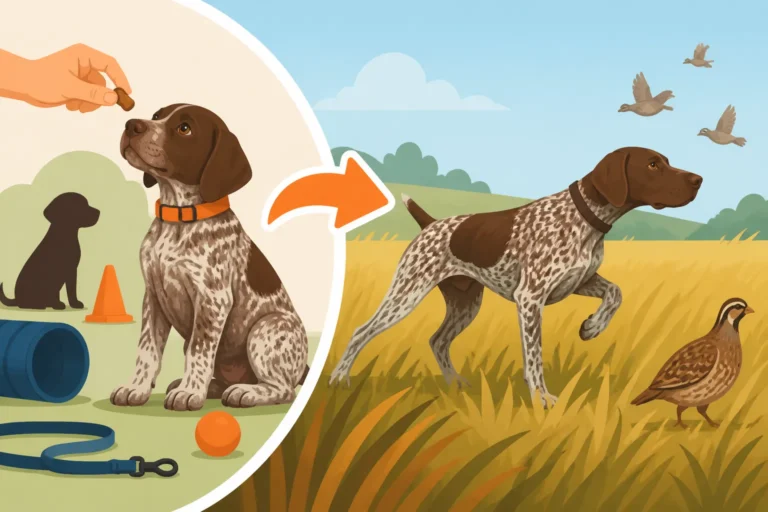
Yearly Bloodwork Costs on a Shorthair
It's a common worry among German Shorthaired Pointer owners: the annual vet bill. We all want our energetic companions to be as healthy as possible, but the costs of routine care, especially those comprehensive yearly blood tests, can feel like a curveball. This guide aims to demystify the yearly bloodwork costs for your beloved Shorthair, helping you understand why these tests are so important, what influences their price, and how you can budget for this crucial aspect of their health.
Why Yearly Bloodwork Isn't Just a "Nice to Have" for Your Shorthair
Let's be real, our German Shorthaired Pointers are athletes. They run, they jump, they dive into whatever cover they can find, and they live life at full throttle. Because of their active lifestyle and the inherent genetics of the breed, a yearly blood panel isn't just a suggestion – it's a vital tool for staying ahead of potential health issues. These dogs are stoic; they often hide discomfort until a problem is quite advanced, which is why proactive testing is so critical.
The Proactive Approach to GSP Health
Think of your GSP's annual bloodwork as their yearly physical, but on a much deeper level. Unlike a quick visual check, blood tests delve into the unseen workings of their internal organs, revealing insights that even the most experienced veterinarian can't glean just by looking. For a breed known for its drive and endurance, even subtle changes in kidney function, liver enzymes, or red blood cell counts can signal a brewing problem long before your dog shows any outward symptoms. Catching issues early, especially for a breed that lives to run and hunt, can mean the difference between a minor adjustment and a major medical crisis. It allows your vet to intervene when treatments are simpler, less invasive, and often, more affordable. This proactive stance is especially important as your GSP transitions from its wild, energetic puppy years into a mature adult, then eventually becomes The Age a German Shorthaired Pointer Is Called Senior.
What Standard Blood Panels Reveal
A typical annual blood panel for your German Shorthaired Pointer usually includes a Complete Blood Count (CBC) and a Chemistry Panel. The CBC gives your vet a detailed look at your dog's red blood cells, white blood cells, and platelets. This can flag anemia, inflammation, infection, or even certain types of cancer, such as The Cancers That Turn Up Most in German Shorthaired Pointers. It’s a snapshot of their immune system and oxygen-carrying capacity – crucial for a dog that relies on stamina.
The Chemistry Panel, on the other hand, evaluates organ function. It checks levels of enzymes and other substances that indicate how well the liver, kidneys, and pancreas are working. For instance, elevated liver enzymes might suggest liver disease or exposure to toxins, while changes in kidney values could point to renal issues. These tests also provide baselines. If your GSP ever gets sick, having previous bloodwork to compare against is invaluable, showing exactly what has changed. For some GSPs, a thyroid panel might also be included, as breeds like ours can be prone to conditions like Thyroid Failure in a Middle Aged German Shorthaired Pointer. Without these regular checks, many internal conditions would go unnoticed until they've progressed to a more severe, and often more difficult and costly, stage.
Breaking Down the Costs: What Influences Your Shorthair's Bloodwork Bill
When you get that bill from the vet, it's easy to feel a bit of sticker shock, especially when you see the line item for bloodwork. But there's a lot that goes into those numbers, and understanding the factors that influence the cost can help you anticipate and budget more effectively for your German Shorthaired Pointer's health care. It's not just a single, fixed price across the board, but a dynamic figure shaped by several variables.
Geographic Location and Clinic Type
Just like real estate, vet prices can fluctuate wildly depending on where you live. An urban veterinary clinic in a high-cost-of-living area, say on the coasts, will almost invariably charge more for bloodwork than a rural practice in the Midwest. This is due to overhead costs like rent, staff salaries, and even the cost of specialized equipment. Furthermore, the type of clinic matters. A large, state-of-the-art veterinary hospital with multiple specialists on staff might have higher prices than your local, single-doctor general practice. While these larger facilities often offer more advanced diagnostic capabilities, they also come with a premium. It's not uncommon for the exact same blood panel to vary by as much as 30-50% from one region or clinic type to another. It pays to call around and get a few quotes, especially for routine services, though your primary vet often knows your GSP best.
The Specific Tests Included in the Panel
"Bloodwork" isn't a single test, but rather a collection of diagnostic analyses, and the exact panel your vet recommends will directly impact the cost. A basic wellness panel for a young, healthy German Shorthaired Pointer might include a CBC and a basic chemistry profile. However, as your Shorthair ages or if there are specific concerns, additional tests will be added, increasing the overall cost. For instance, if your vet suspects a thyroid issue, a full thyroid panel will be run. If your GSP is showing signs of kidney stress, specific kidney function tests might be added. Senior German Shorthaired Pointers, typically around The Age a German Shorthaired Pointer Is Called Senior, often require more comprehensive screenings, including Bloodwork Worth Running on an Older Shorthair, to catch age-related conditions early. Specialized tests for clotting disorders, infectious diseases, or specific organ function will naturally increase the price. Always ask your vet for a breakdown of the specific tests included in the recommended panel so you understand what you're paying for and why.
The "Hidden" Costs: Exams and Follow-ups
It's rare that you'll just walk into a vet clinic, get blood drawn, and walk out with only a bloodwork charge. The cost of annual bloodwork is almost always bundled with a full veterinary examination. This yearly exam is crucial; it's when your vet physically assesses your GSP, checking their heart, lungs, eyes (like an annual eye exam), teeth, and palpating their abdomen. This hands-on assessment complements the bloodwork, providing a complete picture of their health. The exam fee itself can be a significant portion of the overall bill.
Beyond the initial exam and blood draw, there are potential follow-up costs. If the bloodwork reveals an abnormality, your vet might recommend further diagnostics, such as additional blood tests, urinalysis, imaging (like X-rays or ultrasound), or even a biopsy. These subsequent steps, while necessary for a diagnosis, will add to your overall expenditure. It’s important to understand that the initial bloodwork is often the first step in a diagnostic process, not necessarily the final one if something concerning is found. Always discuss with your vet the potential next steps and associated costs if the initial results are not within normal range.
Budgeting for Your German Shorthaired Pointer's Annual Health
Let's face it, owning a German Shorthaired Pointer means committing to their high energy needs, extensive training, and yes, their health. The costs can add up, but with a bit of savvy planning, you can make sure your GSP gets the vital yearly bloodwork they need without breaking the bank. It's all about being prepared and knowing your options.
Comparing Vet Clinic Pricing Models
Don't be afraid to shop around! While you want a vet you trust and feel comfortable with, especially for a breed as unique as a GSP, comparing prices for routine services like annual bloodwork is perfectly acceptable. Many clinics offer wellness packages that bundle annual exams, vaccinations, and routine bloodwork at a slightly discounted rate compared to paying for each service individually. Inquire about these packages. Some clinics might offer different tiers of blood panels, from a basic screen to a more comprehensive geriatric panel. Ask for a clear itemized list of what each package or test includes. Building a relationship with a reliable veterinary practice is essential, but a little research beforehand can potentially save you a good chunk of change. For those with a working Shorthair, consider clinics that understand the unique needs and potential injuries your dog might face, as well as The Vet Schedule a Working Shorthair Should Keep.
Pet Insurance and Wellness Plans
This is where things can get a little nuanced. Standard pet insurance policies, like those from Healthy Paws, are generally designed to cover unexpected accidents and illnesses, much like human health insurance. So, if your GSP's bloodwork reveals an underlying condition that requires treatment, the subsequent diagnostic tests and therapies might be covered. However, routine wellness bloodwork itself is often not covered by a standard accident/illness policy, as it's considered preventative care.
This is where wellness plans come into play. Many pet insurance providers and some veterinary clinics offer separate wellness plans that specifically cover routine preventative care, including annual exams, vaccinations, and often, yearly bloodwork. These plans typically involve a monthly fee and can be a fantastic way to budget for your Shorthair's predictable health needs, ensuring they get all their essential annual checks. Before you sign up, compare the costs of a wellness plan against what you'd pay out-of-pocket for these services, and factor in whether the plan truly meets your GSP's specific needs. It's crucial to understand what is covered and what isn't, especially since many GSP owners might consider options like Whether an Accident Only Plan Suits a Shorthair. Be sure to look into different providers and their Monthly Insurance Premiums on a German Shorthaired Pointer to find a plan that fits your budget and your dog’s needs.
Saving on Supplies and Food to Offset Vet Bills
Every dollar counts, right? One way to make room in your budget for essential vet care like annual bloodwork is to optimize your spending on other recurring dog expenses. For instance, shopping smartly for your German Shorthaired Pointer's food can yield significant savings over the course of a year. Brands like Chewy and Ollie often offer subscription services or bulk discounts that can lower your monthly food bill compared to buying smaller bags at a local pet store. Look for sales, use loyalty programs, and consider larger bags if you have the storage space.
Beyond food, think about other supplies. Do you really need that expensive new toy every week, or will a sturdy, long-lasting option suffice? Are there ways to save on treats, grooming supplies, or even training gear? By making conscious choices in these areas, you can free up funds that can then be allocated to crucial health services. Remember, keeping your GSP on high-quality food, perhaps a performance kibble if they are actively hunting, as discussed in Feeding a German Shorthaired Pointer That Runs All Day, is an investment in their overall health that can potentially reduce the need for more expensive interventions down the line. Every little bit of responsible budgeting helps ensure your energetic companion stays in top shape for years to come. Ultimately, it’s about balancing all The First Year Bills on a German Shorthaired Pointer and ongoing costs to give your GSP the best life possible.
Here's a quick look at typical bloodwork components and their general purpose:
| Test Component | What It Checks For | Importance for GSPs |
|---|---|---|
| Complete Blood Count (CBC) | Red blood cells (anemia), white blood cells (infection, inflammation), platelets (clotting) | Detects early signs of infection, inflammation, or internal bleeding common with active lifestyles. |
| Chemistry Panel | Liver enzymes, kidney values, blood sugar, electrolytes, protein levels | Screens for organ function, metabolic diseases, and hydration. Vital for active, older dogs. |
| Thyroid Panel | Thyroid hormone levels (T3, T4, TSH) | Identifies hypothyroidism, a common condition in middle-aged GSPs, affecting energy and coat. |
| Electrolyte Panel | Sodium, potassium, chloride levels | Monitors hydration and kidney function, crucial for active dogs that can get dehydrated. |
| Urinalysis | Kidney function, urinary tract infections, crystals/stones | Often performed alongside bloodwork to give a complete picture of kidney and bladder health. |
Disclaimer
This article is for general informational purposes only and does not constitute professional advice. Laws, prices and regulations vary by location and change over time. Consult a qualified professional for guidance on your specific situation.