The Age a German Shorthaired Pointer Is Called Senior
It’s a bittersweet question many German Shorthaired Pointer owners eventually find themselves asking: when exactly does my tireless, energetic companion officially become "senior"? For a breed known for its boundless energy and an almost obsessive drive to work, the idea of them slowing down can feel a little alien, even heartbreaking. The truth is, there isn't a single, universal birthday that magically turns your GSP into a senior citizen, but rather a gradual shift in their physical and behavioral needs that we need to acknowledge and prepare for. This guide will walk you through what "senior" truly means for a German Shorthaired Pointer, how to spot the signs, and how to adjust their care to ensure their golden years are as comfortable and happy as possible.
Defining "Senior" in German Shorthaired Pointers
The term "senior" can feel a bit vague when it comes to our beloved dogs. It's not like with people where a specific age often marks retirement. For German Shorthaired Pointers, given their robust and active nature, the transition into seniority isn't always as clear-cut, and it certainly isn't just about blowing out a certain number of candles.
Chronological Versus Biological Age
When we talk about a dog's age, we often lean on chronological age – the number of years they’ve been with us. But biological age, which refers to the actual condition of their body and organs, is far more telling, especially for an athletic breed like the GSP. A German Shorthaired Pointer who has been consistently exercised, maintained a healthy weight, and received good veterinary care might "biologically" be younger than a GSP of the same chronological age who has lived a more sedentary lifestyle or battled chronic health issues.
Generally, larger breeds tend to age more quickly than smaller ones. While a tiny Chihuahua might still be spry at 10, a giant breed could be well into its senior years by 6. German Shorthaired Pointers fall into the medium-large category, placing their senior years typically earlier than some smaller companions. It’s important to remember that every dog is an individual, and their unique health history and genetics play a massive role in how and when they begin to show signs of aging.
The Typical Age Range for German Shorthaired Pointers
For most German Shorthaired Pointers, the generally accepted age for entering their senior years falls somewhere between 7 and 9 years old. This doesn't mean they'll suddenly transform overnight when they hit seven. Instead, it's typically around this age that owners start noticing subtle changes, both physical and behavioral, that signal the onset of their golden years. A GSP might still be eager to chase a bird at eight, but the recovery time afterward might be longer, or they might not have the same stamina they did at five. For some incredibly robust individuals, these changes might not become apparent until 10 or even later. Conversely, a GSP with a history of injuries or chronic conditions might show signs of aging earlier. You can get a general idea of how long you might have with your GSP by looking at The Median Age a German Shorthaired Pointer Reaches.
Why the "Senior" Label Matters for Care
Labeling your GSP as "senior" isn't just a formality; it's a critical cue for adjusting their care. This designation prompts a shift in focus for both you and your veterinarian. Regular vet visits, for instance, become even more crucial. Instead of an annual check-up, your vet might recommend twice-yearly appointments to catch age-related issues early. These visits often include more comprehensive blood work to screen for organ function changes, specialized dental checks, and discussions about joint health and cognitive function.
Furthermore, recognizing your GSP as senior encourages you to re-evaluate their diet, exercise routine, and home environment. It means being more vigilant about subtle changes that you might have previously dismissed as normal quirks. It's about proactive care, recognizing that their bodies and minds are no longer as resilient as they once were, and taking steps to maintain their quality of life for as long as possible. Understanding this transition helps you provide the best possible support, ensuring your loyal companion can enjoy their later years comfortably.
Physical and Behavioral Signs of Aging in GSPs
It can be tough to admit that your energetic German Shorthaired Pointer is getting older. They have such an infectious zest for life, and their unwavering drive often masks the subtle changes happening within their bodies. But just like us, GSPs experience a range of physical and behavioral shifts as they age. Learning to spot these early signs can make a huge difference in managing their comfort and health.
Changes in Physical Health and Stamina
One of the most noticeable changes in an aging GSP is a general slowing down. That relentless drive they once had to run full-out for hours might start to wane. You might notice them being less enthusiastic about long retrieves or needing more rest after a shorter hunt. This is often the first sign that The Age a German Shorthaired Pointer Slows in the Field has arrived.
Physically, you might observe:
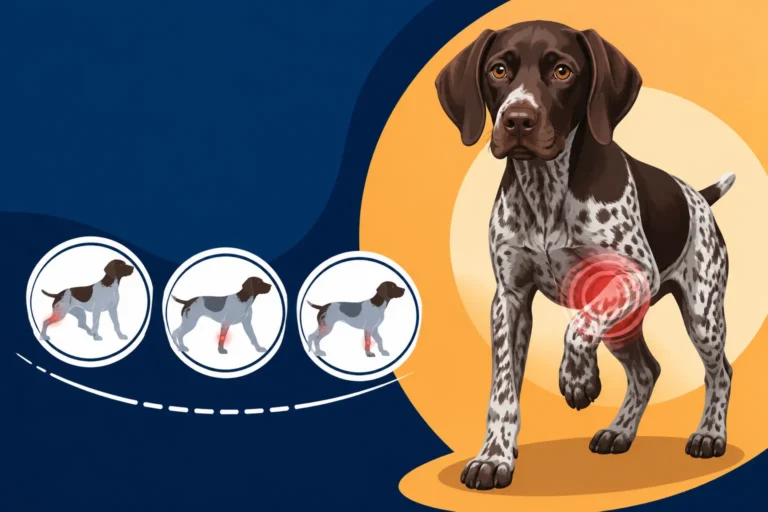
- Stiffness and Joint Issues: They may take longer to get up after lying down, especially in cold weather, or struggle with stairs. This is often due to conditions like arthritis, which can start showing up in a German Shorthaired Pointer at eight years old. Their joints, after years of hard work and impact, begin to wear.
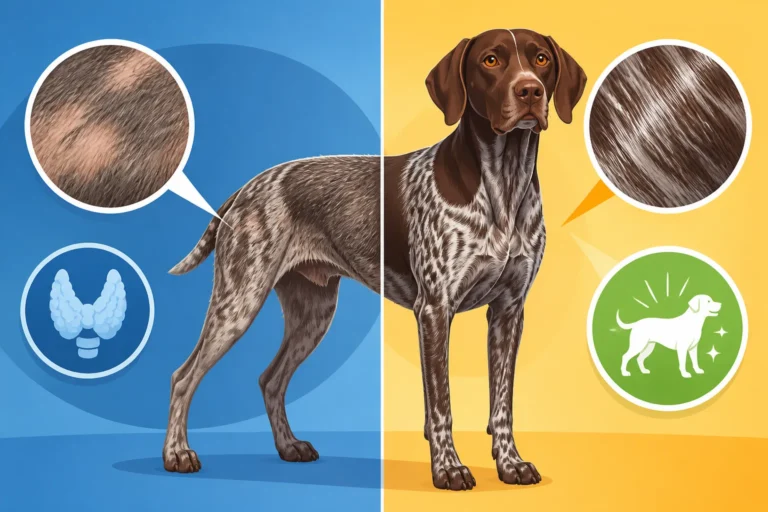
- Graying Muzzle and Coat Changes: The once vibrant liver or black muzzle might start to develop a distinguished frosty white. Their coat might thin slightly or become a bit coarser.
- Weight Fluctuations: Some GSPs might gain weight more easily as their metabolism slows down and their activity decreases, while others might lose muscle mass, becoming bonier.
- Dental Disease: Years of chewing and perhaps less diligent dental care can lead to significant plaque and tartar buildup, which can cause pain, infection, and even impact overall health. Dental Disease in a Middle Aged German Shorthaired Pointer is a common issue that often goes unnoticed until it's advanced.
- Cloudy Eyes and Hearing Loss: Their eyes might develop a bluish haze, often indicative of lenticular sclerosis, a normal aging change that rarely affects vision significantly. However, more serious issues like cataracts can also occur. Likewise, hearing might become less acute, making them less responsive to commands from a distance. You might notice Cloudy Eyes in a Shorthair Past Ten.
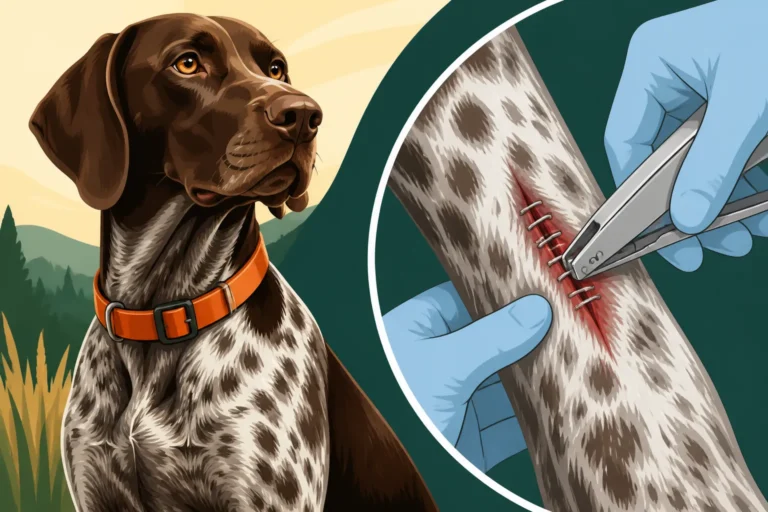
- Lumps and Bumps: Senior GSPs often develop benign fatty tumors (lipomas) or skin tags. While most are harmless, any new lump should always be checked by a vet, as unfortunately, older dogs are also more prone to cancers.
Shifts in Behavior and Energy Levels
Beyond the physical, your GSP's behavior can also hint at their senior status. Their personality might subtly shift, or their routine might change to accommodate their lower energy levels.
- Decreased Playfulness and Exercise Tolerance: The GSP who once lived to chase a ball for an hour straight might now be content with a 15-minute fetch session. They might initiate play less often or tire out more quickly. This can manifest as a German Shorthaired Pointer That Has Stopped Wanting to Run with the same vigor.
- More Naps and Rest: You'll likely find your senior GSP spending more time snoozing in their favorite sunbeam or curled up on their dog bed. They simply need more rest to recover from daily activities.
- Changes in Interaction: Some senior GSPs become more cuddly and seek out more physical affection, while others might become a bit more independent or even irritable if they're in pain or feeling disoriented.
- Cognitive Decline: Just like humans, dogs can experience cognitive dysfunction syndrome (CDS), akin to canine dementia. Signs include disorientation, altered sleep-wake cycles, house-soiling accidents, changes in interactions, and anxiety. They might stare blankly or get "stuck" in corners.
- Increased Anxiety or Irritability: Pain or confusion can sometimes lead to anxiety or a lower tolerance for things that didn't bother them before, such as loud noises or boisterous children.
Recognizing these signs isn't about dreading the future, but about understanding and adapting. It's about acknowledging that your GSP is entering a new phase of life that requires different kinds of support and love.
Adjusting Care for Your Senior German Shorthaired Pointer
Welcoming your German Shorthaired Pointer into their senior years means making thoughtful adjustments to their routine, environment, and healthcare. It’s about being proactive and ensuring their comfort and well-being remain paramount. This isn't just about managing problems as they arise, but actively preventing them and enhancing their quality of life.
Veterinary Care Evolves
The most crucial adjustment for a senior GSP is a shift in their veterinary care schedule and focus. Annual check-ups, which might have felt sufficient for a younger, healthy adult, typically need to become more frequent—often every six months. This allows your veterinarian to catch any burgeoning health issues much earlier when they are often more manageable.
During these senior check-ups, your vet will likely recommend:
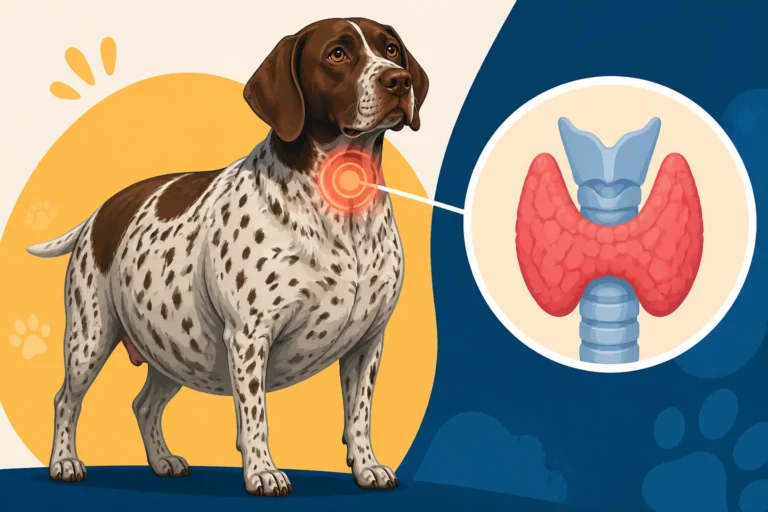
- Comprehensive Blood Work: This often includes a full senior panel to check kidney and liver function, thyroid levels (to catch things like Thyroid Failure in a Middle Aged German Shorthaired Pointer), and screen for other metabolic changes. Early detection of issues like diabetes or early organ decline can significantly improve long-term outcomes.
- Urinalysis: To screen for urinary tract infections, kidney disease, and other systemic illnesses.
- Blood Pressure Monitoring: Just like in humans, high blood pressure can be an issue for older dogs, impacting heart and kidney health.
- Dental Examinations: As mentioned earlier, dental disease is rampant in older dogs. Regular cleanings under anesthesia might be necessary to prevent pain and systemic infection.
- Joint Assessments: Your vet will carefully palpate your GSP's joints to check for signs of arthritis or other orthopedic issues. Discussions about pain management, supplements, or physical therapy might begin.
- Lump Checks: Any new lumps or bumps will be carefully examined, and often, a fine needle aspirate (FNA) will be performed to determine if it's benign or requires further action.
Having pet insurance like Healthy Paws can be incredibly beneficial during these years, as the increased frequency of vet visits and potential treatments for age-related conditions can add up quickly. Planning for these expenses ahead of time can alleviate financial stress and allow you to make decisions based on your GSP's needs, not your wallet. Regularly reviewing your pet’s health plan is as important as sticking to The Vet Schedule a Working Shorthair Should Keep.
Tailoring Exercise and Enrichment
Your senior GSP still needs exercise and mental stimulation, but the intensity and duration will likely need to change. Those long, intense runs might be replaced with shorter, more frequent walks or gentle swims. The goal shifts from endurance training to maintaining mobility, muscle tone, and mental sharpness without overexertion or pain.
Consider these adjustments:
- Shorter, More Frequent Outings: Instead of one long hike, try two or three shorter, leisurely walks throughout the day. This keeps them moving without stressing their joints.
- Low-Impact Activities: Swimming can be an excellent, non-weight-bearing exercise that helps maintain muscle mass and joint flexibility. Gentle games of fetch on soft grass are also good.
- Mental Stimulation: Don't forget their intelligent minds! Puzzle toys, sniff walks (allowing them to explore scents at their own pace), and short training sessions to practice known commands can keep their brains active and engaged. Even a ten-year-old GSP can still do amazing things. If you’re curious about what a German Shorthaired Pointer can still do at this age, check out "What a Ten Year Old German Shorthaired Pointer Can Still Do".
- Massage and Gentle Stretching: Many senior GSPs benefit from gentle massage, especially after exercise, to help with muscle stiffness and promote circulation.
Comfort and Home Modifications
Creating a comfortable and safe environment for your aging GSP is paramount. Small changes around the house can make a big difference in their daily comfort and ability to navigate their world.
- Orthopedic Beds: Invest in a high-quality orthopedic bed with memory foam. These beds provide excellent support for aching joints and can help with problems like Arthritis in a German Shorthaired Pointer at Eight. You'll find many options available, some specifically designed for larger breeds. For more ideas on comfortable bedding, look into "Beds for a Shorthair With Worn Out Joints".
- Ramps and Stairs: If your GSP loves to get on the couch or bed, consider adding a ramp or pet stairs to prevent them from having to jump, which can be hard on their joints. Similarly, a ramp into the car can save their back and hips.
- Non-Slip Mats: Older dogs, especially those with arthritis or weakness in their hindquarters, can struggle on slippery floors. Place non-slip rugs or runners in high-traffic areas to give them better traction and prevent falls.
- Accessibility to Food and Water: Raise their food and water bowls to a comfortable height to avoid them bending down too far, which can be difficult for dogs with neck or back pain.
- Temperature Control: Senior dogs can be more sensitive to temperature extremes. Ensure they have a warm, draft-free place to sleep in winter and a cool, shaded spot in summer.
Adjusting to these needs ensures that your GSP feels secure, loved, and as comfortable as possible during their well-deserved golden years.
Factors Influencing a GSP's Senior Transition
Just like people, not all German Shorthaired Pointers age at the same rate. There's a wide spectrum of factors that can influence when and how quickly a GSP shows signs of becoming a senior. Understanding these elements can help you anticipate changes and provide the best possible care throughout their life.
Genetics and Lineage
The genetic blueprint inherited from their parents plays a significant role in a GSP's longevity and the onset of age-related conditions. Some lines are known for their robust health and long lifespans, while others might be predisposed to certain conditions that could hasten the aging process. For instance, if your GSP comes from a line with a history of early-onset arthritis or certain cancers, you might see signs of aging earlier than expected.
- Breeding Practices: Responsible breeders screen their dogs for genetic conditions common in GSPs, such as hip and elbow dysplasia, eye conditions, and heart issues. Knowing your dog's pedigree and the health clearances of their ancestors can give you insight into potential predispositions. A GSP from a well-researched, health-tested line generally has a better chance of aging gracefully.
- Individual Variability: Even within the same litter, there can be differences. While genetics set a foundation, individual health management, and luck also play a part. One sibling might remain vigorous well into their teens, while another might show signs of slowing down at seven.
Lifestyle and Previous Activity Level
A German Shorthaired Pointer's life history, particularly their activity level, can significantly impact how their body ages. These are dogs bred for intense physical activity, and a working or heavily exercised GSP will have put a lot of miles on their joints and muscles.
- Working Dogs: A GSP that has spent years as a dedicated field dog, covering miles of rough terrain, jumping fences, and making hard retrieves, might experience wear and tear on their joints and ligaments earlier than a GSP that has primarily been a beloved family pet with more moderate exercise. However, a fit, well-conditioned working dog may also maintain better muscle mass and overall cardiovascular health for longer. How long a working German Shorthaired Pointer stays sound depends heavily on careful conditioning and injury prevention throughout their career.
- Sedentary Lifestyles: Conversely, a GSP that hasn't received adequate exercise throughout its life might develop obesity, muscle weakness, and joint problems, ironically also leading to an earlier onset of "senior" symptoms. The key is consistent, appropriate exercise.
- Injury History: Past injuries, such as cruciate ligament tears, fractures, or soft tissue damage, can contribute to secondary arthritis and chronic pain as a dog ages, making their senior transition more challenging. Even well-repaired injuries can leave residual weakness or altered mechanics that become more pronounced with age.
Nutrition and Weight Management Throughout Life
The fuel you put into your GSP's body and how well you manage their weight throughout their life are powerful determinants of their healthy aging.
- Quality Diet: A balanced, high-quality diet from puppyhood through adulthood provides the essential nutrients for strong bones, healthy joints, robust immune function, and optimal organ health. Feeding a German Shorthaired Pointer that burns what a Shorthair burns requires careful consideration.
- Maintaining Ideal Body Condition: One of the most impactful things you can do for your GSP's long-term health is to keep them at a lean, healthy weight. Overweight dogs place immense stress on their joints, predisposing them to arthritis and exacerbating existing conditions. They are also at higher risk for diabetes, heart disease, and certain cancers.
- Supplements: While not a substitute for a good diet, certain supplements, particularly those supporting joint health (like glucosamine and chondroitin), can be beneficial for GSPs, especially those in working lines, to support joint health proactively. This contributes to Keeping a German Shorthaired Pointer Lean and Hard, thereby supporting their joints and overall health as they age.
- Hydration: Ensuring consistent access to fresh water is vital for all dogs, but particularly as they age, to support kidney function and overall well-being.
By being mindful of these factors throughout your GSP's life, you can help lay the groundwork for a healthier, more comfortable transition into their senior years.
Understanding Your GSP's Aging Journey
Recognizing when your German Shorthaired Pointer reaches their senior years is less about a specific date on the calendar and more about understanding the subtle shifts in their physical and mental well-being. By being observant, proactive with veterinary care, and willing to adapt their lifestyle, you can help ensure their golden years are as fulfilling and comfortable as possible. These amazing dogs give us so much joy and companionship; it's our privilege to return that devotion in their twilight years.
Below is a table summarizing some key differences between a GSP in its prime and one entering its senior years, to help you better identify the transition:
| Characteristic | GSP in Prime (Approx. 2-6 years) | Senior GSP (Approx. 7+ years) |
|---|---|---|
| Energy Level | High, relentless, can run for hours, always ready for action. | Moderate to lower, tires more easily, more prone to naps. |
| Physical Appearance | Lean, muscular, vibrant coat, minimal graying. | Possible muscle loss, increased graying (especially on muzzle), coat may thin slightly. |
| Joint Health | Agile, flexible, rarely stiff. | May show stiffness getting up, slower on stairs, potential signs of arthritis. |
| Cognition | Alert, quick learner, easily focused. | May show minor disorientation, occasional confusion, reduced response to commands. |
| Appetite/Metabolism | High metabolism, needs substantial food to maintain weight. | Metabolism slows, may gain weight easily or lose muscle, diet adjustments needed. |
| Vet Visits | Annual check-ups, vaccinations, preventative care. | Biannual check-ups, senior blood panels, increased focus on organ function and chronic conditions. |
| Dental Health | Generally good, some plaque buildup possible. | Higher risk of significant plaque, tartar, gum disease, and tooth loss. |
| Recovery Time | Quick recovery after intense exercise. | Longer recovery after exercise, may be sore the next day. |
| Sleep Patterns | Deep, consistent sleep. | May have altered sleep-wake cycles, restless at night. |
Disclaimer
The information provided in this article is for general informational purposes only and is not a substitute for professional veterinary advice. Always consult with a qualified veterinarian regarding your German Shorthaired Pointer's specific health concerns, diagnosis, and treatment options. Individual results may vary, and opinions expressed are those of the author.