Flooring That Stops an Old Shorthair Slipping
It's truly heartbreaking to watch our once-athletic German Shorthaired Pointers, who used to fly across fields with effortless grace, start to struggle on the slick surfaces of our homes. As they age, hard floors can become a dangerous obstacle course, leading to slips, falls, and a significant loss of confidence. This guide is here to walk you through understanding why this happens and, more importantly, what practical, empathetic solutions you can implement to make your home a safe haven for your beloved senior GSP.
The Heartbreaking Reality of Slippery Floors for Senior GSPs
For years, your German Shorthaired Pointer probably treated your polished hardwood or slick tile floors like just another surface to conquer, maybe even enjoying a good slide now and then. But as they enter their golden years, those same floors can become a source of anxiety and even injury. Watching them splay out, struggle to get up, or hesitantly creep across a room can be agonizing for any owner. It's a stark reminder that time marches on, and our energetic companions need our help adapting to their changing bodies.
Why Hard Floors Become a Hazard
The reasons hard floors become so problematic for senior GSPs are multifaceted, stemming from the natural process of aging. It's not just about a dog being "clumsy"; it's about physical changes that genuinely impair their ability to navigate smooth surfaces safely.
First and foremost, older German Shorthaired Pointers, much like humans, experience muscle mass loss, particularly in their hindquarters. This reduction in strength makes it harder for them to gain purchase and maintain balance on slippery surfaces. Imagine trying to walk on ice with weak knees – that's often what it feels like for them. Their powerful, propulsive gait, once an asset, now struggles to find friction. Alongside this, joint pain, often a companion of aging, such as Arthritis in a German Shorthaired Pointer at Eight, makes movement uncomfortable. When a dog has aching hips, knees, or elbows, they instinctively try to move in ways that minimize pain. This often means less confident, more tentative steps, which are precisely the steps that are prone to slipping on a slick surface. They can't dig their toes in, or push off with the same force, because it hurts.
Furthermore, nerve degeneration can impact proprioception – their body's awareness of its position in space. A younger GSP knows exactly where its paws are and how they're interacting with the ground. An older GSP might not have that same clear feedback, leading to missteps and a greater likelihood of losing balance. This can be especially frustrating because their mind still wants to move with the same vigor, but their body just can't keep up. The cumulative effect is a dog that feels unstable and vulnerable on surfaces that were once no challenge at all.
The Risks Beyond Falling
While the immediate danger of a fall is obvious, the repercussions of a GSP repeatedly slipping on hard floors extend far beyond a bump or bruise. These incidents can lead to a cascade of physical and psychological issues that significantly diminish their quality of life.
Every slip, every splay, puts immense strain on already compromised joints and muscles. A simple fall can exacerbate existing conditions like Hip Dysplasia in a Hard Running German Shorthaired Pointer or lead to new injuries like sprains, strains, or even fractures. The impact of falling can also damage soft tissues, leading to chronic pain that further limits mobility. It's a vicious cycle: they slip, they get hurt, they move less, they get weaker, and then they slip more easily.
Beyond the physical, there's a profound psychological toll. Dogs, especially active breeds like German Shorthaired Pointers, thrive on confidence and freedom of movement. When they repeatedly slip, they start to associate certain areas of the house with discomfort and fear. This fear of movement can lead to a sedentary lifestyle, where they become reluctant to stand up, walk to their food bowl, or even greet you at the door. This isn't laziness; it's self-preservation. They become anxious, withdrawn, and their joy in daily life can visibly diminish. The dog that once bounded through your home now hugs the walls, taking circuitous routes, or avoids certain rooms entirely. This loss of confidence, coupled with reduced physical activity, can accelerate muscle wasting and overall decline, creating a much harder reality for both dog and owner.
Understanding Ideal Flooring Characteristics for Senior Pointers
When we think about making our homes safer for our aging German Shorthaired Pointers, it’s not just about covering up a problem. It’s about creating an environment that actively supports their changing physical needs. We need to consider what makes a surface truly beneficial for a dog with reduced mobility and aching joints.
Prioritizing Traction and Grip
The most crucial factor for a senior GSP's safety is undoubtedly traction. Without adequate grip, all other considerations fall by the wayside. Think about your own experience walking on ice versus a paved sidewalk – the difference is immediate and profound. For our dogs, whose only contact with the ground is their paws, this is even more critical.
Surfaces that naturally offer excellent grip are paramount. Wall-to-wall carpeting, for instance, provides a soft, textured surface that their paws can really sink into, giving them the confidence to push off and land without fear of slipping. Even low-pile carpets offer significantly more friction than hard, polished surfaces. Similarly, strategically placed non-slip backed rugs are a godsend. These aren't just decorative; they create safe islands for your GSP to traverse. You want materials like natural fibers, looped piles, or even synthetic carpets designed for high traffic, which tend to have a slightly rougher texture.
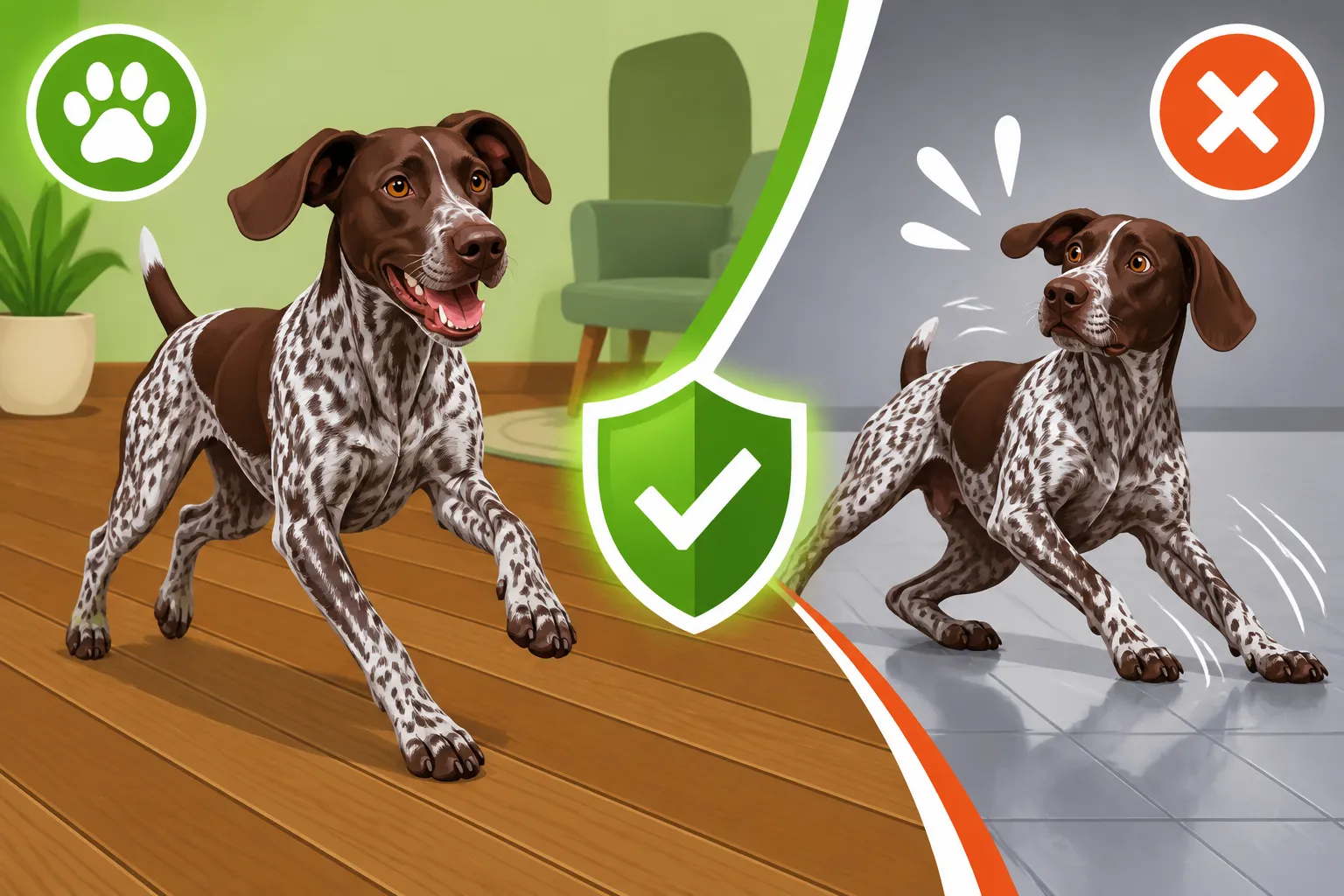
On the flip side, we need to be acutely aware of surfaces that are inherently slick. Tile floors, especially when wet, are notorious hazards. Polished hardwood, laminate, and vinyl can be equally treacherous. These materials, while beautiful and easy to clean, offer almost no friction for a dog's pads. Imagine your GSP trying to accelerate or change direction on such a surface; their paws simply slide out from under them, leading to those painful, confidence-shattering splay-outs. The goal is to minimize, or ideally eliminate, these slick zones where your dog needs to walk.
Cushioning for Aching Joints
While traction is critical for preventing falls, cushioning is essential for the comfort and long-term health of your senior German Shorthaired Pointer's aching joints. Every step a dog takes creates an impact, and on hard surfaces, that impact reverberates directly through their skeletal system. For a dog already grappling with conditions like arthritis or hip dysplasia, this constant jarring can be incredibly painful and detrimental.
Softer surfaces, like thick carpeting or rugs with a good pad underneath, act as shock absorbers. Each step is cushioned, reducing the stress on their hips, knees, elbows, and spine. This is especially important when they are getting up from a lying position, a maneuver that often puts immense strain on their joints. Think about how much easier it is for you to get up off a plush carpet compared to a cold, hard concrete floor. It’s the same for them, but magnified by existing pain. Providing cushioning can literally make the difference between a dog that struggles to rise and one that manages to do so with a bit more ease, perhaps even encouraging them to move more frequently. It ties directly into the broader goal of Helping a Stiff Old German Shorthaired Pointer Get Up, where every little bit of support counts.
A well-cushioned surface allows them to lie down comfortably for extended periods without developing pressure sores, and to shift their weight without unnecessary pain. It’s about creating an environment where comfort isn't an afterthought, but an integral part of their daily existence, supporting their body even when they're at rest.
Ease of Cleaning and Maintenance
As much as we adore our senior GSPs, we have to be realistic about the practicalities of caring for them. Unfortunately, aging can sometimes bring about challenges with continence or increased drooling. This means that while comfort and traction are paramount, the ease of cleaning and maintenance of your chosen flooring solutions cannot be overlooked.
Accidents happen. Whether it’s an occasional puddle, a bout of Loose Stools in a German Shorthaired Pointer, or just more frequent dribbles, you'll want flooring that can stand up to regular cleaning without retaining odors or stains. While plush, high-pile carpet offers fantastic cushioning and grip, it can be a nightmare to clean thoroughly after a messy accident. Stains can set in, and odors can linger, making it less hygienic and pleasant for everyone.
Therefore, when choosing rugs or mats, consider options that are machine washable or at least easy to spot clean with appropriate pet-safe solutions. Low-pile, tightly woven carpets, or those made from synthetic fibers, often prove more resilient to spills and are easier to vacuum and steam clean. For mats, look for rubberized or waterproof options that can be wiped down quickly or even hosed off outdoors. The ideal solution strikes a balance: providing excellent traction and comfort, but also allowing for quick and effective clean-up. This way, you can maintain a hygienic home environment without adding unnecessary stress to your routine, allowing you to focus on the joy of your senior companion, not the chore of cleaning.
Practical Flooring Solutions and Strategies
Now that we understand why our senior GSPs struggle on hard floors and what characteristics make for ideal surfaces, let's talk about the practical steps you can take. You don't necessarily need a complete home renovation to make a difference. Often, a few strategic changes can have a profound impact on your dog's mobility and confidence.
Area Rugs and Runners: An Immediate Fix
If ripping out all your beautiful hardwood or tile isn't in the budget, or simply isn't what you want to do, strategically placed area rugs and runners are your best friend. This is often the quickest, most cost-effective way to create a safer environment for your senior German Shorthaired Pointer.
The key here is "strategically placed" and "non-slip backed." Don't just throw down any old rug. You need rugs that won't slide around themselves, creating a new hazard. Look for rugs specifically advertised as having a non-slip rubber backing, or invest in good quality rug grippers that you can place underneath. These grippers create friction between the rug and your hard floor, holding it firmly in place.
Think about your dog's main pathways: from their bed to the kitchen, to their favorite spot by the window, to the back door. Lay down runners in these "dog highways." In larger open spaces, use area rugs to create safe zones where they can comfortably walk, lie down, and get up without fear of slipping. Even placing smaller, non-slip mats directly beside their food and water bowls can make a huge difference in their stability during meals. You can find a vast array of options on platforms like Amazon and Chewy, from simple utilitarian runners to more decorative area rugs that fit your home's aesthetic. Just make sure to prioritize function over form in these critical areas, opting for good grip and reasonable pile height.
Full Carpet Installation: The Ultimate Comfort
For those who are able to undertake a more significant change, or for homes already considering new flooring, full carpet installation offers the ultimate solution for cushioning and traction. This is especially true for central living areas, hallways, and bedrooms where your GSP spends a significant amount of time.
Wall-to-wall carpeting provides a consistent, soft, and grippy surface throughout an entire room or even a whole level of your home. This eliminates transitions between different flooring types, which can sometimes be tricky for an older dog to navigate. With carpet, your German Shorthaired Pointer can walk, run (at their senior pace, of course!), and sprawl out anywhere without the anxiety of a slippery surface. The cushioning effect is continuous, providing relief for all their joints, from when they wake up in the morning to when they settle down at night. Beds for a Shorthair With Worn Out Joints are great, but a whole room of soft carpet is even better.
When choosing a carpet, consider a low to medium pile. While a deep shag might seem luxurious, it can actually make it harder for some dogs to walk, as their paws might sink too much, reducing stability. A tighter, denser loop pile or a low-cut pile offers excellent traction and is often more durable and easier to clean – a bonus if your senior GSP has occasional accidents. Many modern carpets are also designed to be highly stain-resistant, which is a huge plus for pet owners.
Specialty Non-Slip Coatings and Mats
Sometimes, replacing flooring isn't an option, and rugs just won't cover every necessary area. In these cases, specialty non-slip coatings and strategically placed rubber mats can be incredibly helpful in making existing hard floors safer.
For hard surfaces like tile, wood, or laminate, there are clear, non-toxic anti-slip coatings available that you can apply directly to the floor. These products create a microscopic texture on the surface, increasing friction without significantly changing the look of your floor. They are often liquid solutions that dry clear and are designed to be durable and resistant to foot traffic and cleaning. Always make sure to choose products that are pet-safe and follow application instructions carefully. This can be a game-changer for areas where a rug might not be practical, such as bathrooms, entryways, or even concrete utility rooms.
Beyond coatings, dedicated rubber mats are excellent for high-traffic, high-risk zones. Think about the kitchen, where spills are common and dogs often pace while you cook, or the area right around the back door. Heavy-duty rubber runners or individual mats designed for commercial kitchens or workshops can offer superb grip and cushioning. These mats are usually very durable, easy to clean by wiping or hosing down, and provide a secure footing. For instance, you could place a large rubber mat in front of the sink, or a runner down a high-traffic hallway that's too narrow for a traditional rug. These practical solutions can be found through retailers like Amazon and Chewy, offering both commercial-grade options and pet-specific products.
Enhancing Paw Grip
While changing your home's flooring is a significant step, you can also directly improve your senior German Shorthaired Pointer's natural paw grip. This is a crucial, often overlooked aspect of preventing slips and boosting their confidence. Think of it as giving them better "tires" for your indoor surfaces.
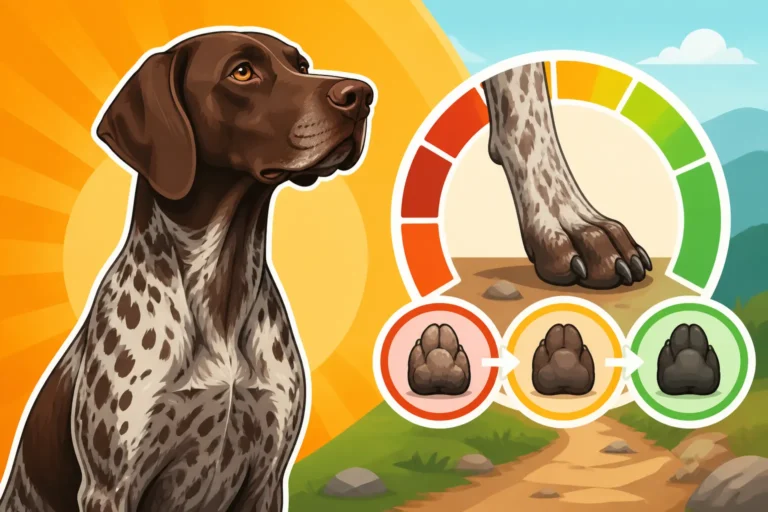
One of the most effective ways to enhance paw grip is through regular and proper nail trims, as well as managing the hair between their paw pads. Overgrown nails can act like skates on hard floors, preventing their paw pads from making proper contact with the ground. When nails are too long, the dog walks "on their nails" rather than on the grippy pads of their feet. Keeping them trimmed short, so they don't click on the floor, allows the pads to splay out naturally and grip. This relates directly to How Often a German Shorthaired Pointer's Nails Need Trimming. Similarly, the hair that grows between their paw pads can become long and slick, creating a furry barrier between the pad and the floor. Trimming this hair flush with the paw pads significantly improves traction, as the rougher pad surface can make direct contact. This is something often done for Trimming the Hair Between a Shorthair's Pads, and it's just as vital for seniors.
Another option to consider is dog socks or booties. These can provide instant traction on slippery floors, especially for dogs who are struggling significantly. Look for socks with rubberized soles or sticky grips. It might take some time for your GSP to get used to wearing them, but many dogs adapt well, especially if it means they can move more confidently. Finally, regular use of paw balms or moisturizers can help keep paw pads healthy and less prone to cracking, which can also improve their natural grip. While Paw Balm Helps a Shorthair's Working Feet that are actively hunting, the same principle applies to keeping a senior's pads supple and ready for any surface. Healthy pads are grippier pads.
Beyond Flooring: A Holistic Approach to Senior GSP Mobility
While addressing the flooring in your home is a monumental step towards improving your senior German Shorthaired Pointer's quality of life, it's truly just one piece of the puzzle. A truly empathetic and effective approach considers their overall well-being, acknowledging that mobility issues are complex and require multifaceted solutions. Our goal isn't just to stop them from slipping, but to support their entire body and spirit as they navigate their golden years.
Regular Nail Trims and Paw Hair Management
As mentioned before, this aspect is so critical it deserves its own dedicated focus, reinforcing its importance beyond just providing grip. It’s a simple yet incredibly impactful part of maintaining your senior GSP’s stability and comfort.
Think of a runner trying to sprint in worn-out sneakers on a smooth track. They simply won't have the grip. For our German Shorthaired Pointers, long nails are like those worn-out sneakers. When their nails are too long, they act like miniature stilts, lifting their paw pads off the ground. This means the very part of their paw designed for traction – the rough, leathery pads – can't make proper contact with your floors. The result? They slide. Regularly trimming their nails, aiming for a length where they don't click on hard surfaces, allows their pads to splay naturally and engage with the ground. This is a core part of general GSP care, covered in topics like How Often a German Shorthaired Pointer's Nails Need Trimming, and becomes even more important as they age.
Equally important is the hair that grows between their paw pads. For a short-coated breed like a GSP, this might not seem like a big deal, but that tuft of hair can become surprisingly long and slick, especially on smooth floors. Imagine trying to walk on ice while wearing furry slippers! This hair creates a barrier, reducing friction and increasing the chance of slips. A quick trim with blunt-nosed scissors, keeping the hair flush with the pad surface, can dramatically improve their grip. This simple grooming task, often overlooked, is a huge win for senior GSPs, allowing their natural gripping surfaces to do their job effectively. It's a small effort that yields significant dividends in their confidence and safety.
Supporting Joint Health Through Diet and Supplements
What goes into your German Shorthaired Pointer's body has a profound impact on its ability to move comfortably as it ages. Diet and supplements play a crucial role in managing joint health, which directly affects their stability and willingness to navigate different surfaces.
As our GSPs enter the period around The Age a German Shorthaired Pointer Is Called Senior, their nutritional needs shift. They might not be burning quite as many calories as their younger selves, but they still need high-quality protein to maintain muscle mass and nutrient-dense foods to support their aging systems. Overweight dogs put immense strain on their joints, exacerbating conditions like arthritis and making slips more likely. Therefore, maintaining a lean body condition is paramount. Consider working with your vet to tailor a diet that meets their senior needs, potentially reducing calories while maintaining essential nutrients, as discussed in Feeding a Senior Shorthair That Has Slowed Down.
Beyond a balanced diet, joint supplements can offer crucial support. Ingredients like glucosamine, chondroitin, MSM, and Omega-3 fatty acids (often from fish oil) are commonly recommended for their anti-inflammatory properties and ability to support cartilage health. These don't cure arthritis, but they can significantly reduce pain and improve joint mobility, making it easier for your GSP to move with less stiffness. You can find a wide range of high-quality joint supplements through retailers like Chewy or Amazon. Some modern fresh food delivery services, such as Ollie, also offer customized meal plans that take into account a dog's age and joint health needs, often incorporating beneficial ingredients directly into their recipes. While these won't negate the need for proper flooring, they create a stronger, more comfortable foundation for your GSP's mobility.
Physical Therapy and Gentle Exercise
Even with the best flooring, an aging German Shorthaired Pointer still needs to move. Maintaining muscle tone and flexibility is vital, and sometimes this requires a more structured, gentle approach than their younger days. This is where physical therapy and controlled exercise come into play.
A sedentary lifestyle is one of the worst things for a senior dog's joints and muscles. While they can't (and shouldn't) engage in the same intense field work they once did, complete inactivity leads to muscle atrophy, further weakness, and increased stiffness. The key is gentle and controlled exercise. This might include short, leashed walks on soft surfaces like grass or dirt paths, gentle swimming sessions (especially beneficial as it's non-weight bearing), or specific exercises recommended by a veterinary physical therapist. These professionals can design a program tailored to your GSP's specific needs, focusing on strengthening core muscles, improving balance, and increasing range of motion without causing pain. This active management is crucial for Keeping Muscle on an Aging German Shorthaired Pointer.
Moreover, simple at-home exercises like gentle stretches, passive range of motion exercises, or even just encouraging them to shift positions can make a big difference. The goal is to keep their joints lubricated and their muscles engaged, without overdoing it. Remember to always listen to your dog and stop if they show any signs of discomfort. It's a delicate balance, but maintaining some level of physical activity can help them retain strength, improve coordination, and ultimately feel more capable and confident in their own skin, regardless of the floor beneath their paws.
Flooring Solutions Comparison for Senior German Shorthaired Pointers
| Flooring Type | Traction for Senior GSP | Cushioning for Joints | Ease of Cleaning (Accidents) | Initial Cost (General) | Notes |
|---|---|---|---|---|---|
| Wall-to-Wall Carpet | Excellent | Excellent | Moderate to Difficult | Medium to High | Best for overall safety & comfort; choose low-medium pile for cleaning. |
| Area Rugs/Runners | Excellent (with non-slip backing) | Good | Moderate (spot clean/wash) | Low to Medium | Quick fix; strategic placement essential; ensure non-slip backing. |
| Rubber Mats | Excellent | Excellent | Very Easy (wipe/hose) | Low to Medium | Ideal for high-risk zones like kitchens, bathrooms, entryways. |
| Non-Slip Coatings | Good | None | Easy (standard cleaning) | Medium | Transparent option for existing hard floors; no cushioning. |
| Hardwood (Unmodified) | Poor | Poor | Easy | High | High risk for slips; requires rugs/coatings. |
| Tile/Laminate (Unmodified) | Poor | Poor | Easy | Low to Medium | High risk for slips; requires rugs/coatings. |
Disclaimer
This article is for general informational purposes only and does not constitute professional advice. Laws, prices and regulations vary by location and change over time. Consult a qualified professional for guidance on your specific situation.