How Long It Takes to Condition a Shorthair’s Feet
One of the most common frustrations for German Shorthaired Pointer owners, especially those who cherish their dog's adventurous spirit, is dealing with tender or injured paw pads. It's heartbreaking to see your usually indefatigable companion hobbling because their feet just can't keep up with their heart. Getting those paws tough enough for all the running, hiking, and hunting they live for isn't an overnight fix; it's a dedicated process. This guide will walk you through exactly how long it takes to condition a Shorthair's feet, along with practical steps to get them field-ready and keep them that way.
Understanding Your Shorthair's Paws and Why Conditioning Matters
Let's be real: a German Shorthaired Pointer isn't built for a sedentary life on soft carpets. Their entire being screams "outdoors," "run," and "explore." But while their minds and muscles are always ready, their paw pads, if not properly prepared, can be the weakest link in their athletic chain.
The Natural State of a Shorthair's Pads
Those thick, leathery pads on your Shorthair's feet might look invincible, but they're surprisingly sensitive and vulnerable to damage if not gradually exposed and strengthened. Think of them like the soles of your own feet: if you're used to walking around barefoot on smooth indoor floors, a sudden barefoot hike over rocky terrain is going to leave you hurting. Your dog's paws are similar. They are composed of a tough, keratinized outer layer designed to protect, but underneath, there are blood vessels, nerves, and fatty tissue that can become inflamed, bruised, or cut.
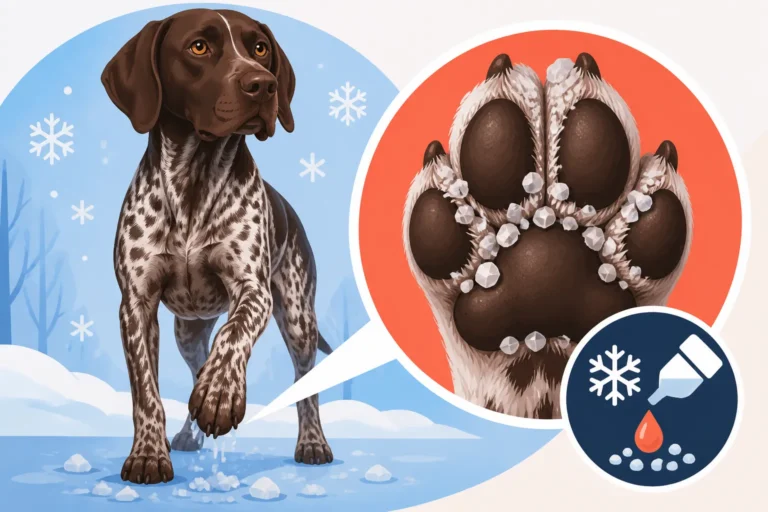
The natural toughness of paw pads can vary quite a bit from one Shorthair to another, even within the same litter. Some might seem to have feet of iron from day one, while others develop cracks and tenderness with minimal exertion. This can be partly genetic, but mostly it boils down to exposure and conditioning. If your dog spends most of its time on soft grass or inside the house, those pads will remain relatively soft, making them far more susceptible to injury when suddenly introduced to abrasive surfaces like gravel, stubble fields, or frozen ground. Common issues we see in unconditioned paws include cuts from sharp objects, abrasions from rough terrain, painful cracks from dryness or cold, and general tenderness that can make your dog reluctant to move. It's a real bummer when your dog's spirit is willing but their feet say "no!"
The Demands of a Working German Shorthaired Pointer
If your Shorthair is a true working dog – whether for hunting, field trials, or even just long trail runs – their paws endure immense stress. Imagine the cumulative impact of hundreds of miles over varying terrain in a single season. They're constantly pushing off, stopping short, making sharp turns, and navigating everything from sharp rocks and thorny brambles to dry, cracked earth and slippery mud.
Field conditions are notoriously unforgiving. Stubble fields after harvest can be like walking on tiny knives, while frozen ground can be rock-hard and abrasive. Even long days on relatively soft ground can lead to wear and tear, especially when moisture is involved, softening the pads and making them prone to tearing. This consistent, high-impact activity demands a level of paw resilience that only comes from dedicated conditioning. Without it, you're not just risking a temporary limp; you're risking an injury that could sideline your dog for weeks, causing them pain and you a hefty vet bill. We've all been there, watching our Shorthair pull up lame, knowing it could have been prevented. That's why building those pads into hardy, durable assets is so incredibly important for the longevity and happiness of your active companion. You really don't want to deal with A Shorthair's Pads Splitting Halfway Through the Season when you're in the middle of a fantastic hunting trip.
The Timeline for Effective Paw Conditioning
So, how long does it really take to get those paws in shape? The answer isn't a simple number, but rather a commitment to a gradual process that considers your dog's age, current fitness level, and the intensity of the activities you plan to do.
Starting Early with a Puppy's Paws
The best time to start conditioning paws is when your Shorthair is a puppy. This doesn't mean forced marches or intense training sessions, but rather consistent, gentle exposure to a variety of safe surfaces. From the moment your puppy's vaccination schedule allows them to explore the world safely, you should be introducing them to different textures underfoot.
Think about short, supervised walks on grass, then a little bit of smooth pavement, perhaps some fine gravel, and even a patch of sand if you have access. The key word here is "short." You're not looking to exhaust them or cause discomfort; you're just letting those young pads experience and adapt. These early exposures help the pads naturally toughen and develop resilience as your puppy grows. Overdoing it with a young puppy can be detrimental, leading to soft tissue injuries that affect their developing joints, so moderation is key. Remember, a Shorthair puppy's joints are still forming, so avoid high-impact activities for extended periods. It's a delicate balance between exposure and protection. You can read more about appropriate exercise for young dogs in How Much Exercise a Shorthair Puppy Should Get and Whether a Shorthair Puppy Should Run on Hard Ground. Beyond exposure, good nutrition plays a vital role in healthy paw development. A balanced diet supports overall skin and nail health, which directly impacts paw pad integrity. Many high-quality dog foods, like those offered by Ollie, provide excellent nutritional foundations for growing dogs.
Building Resilience in Adult Shorthairs The Pre-Season Push
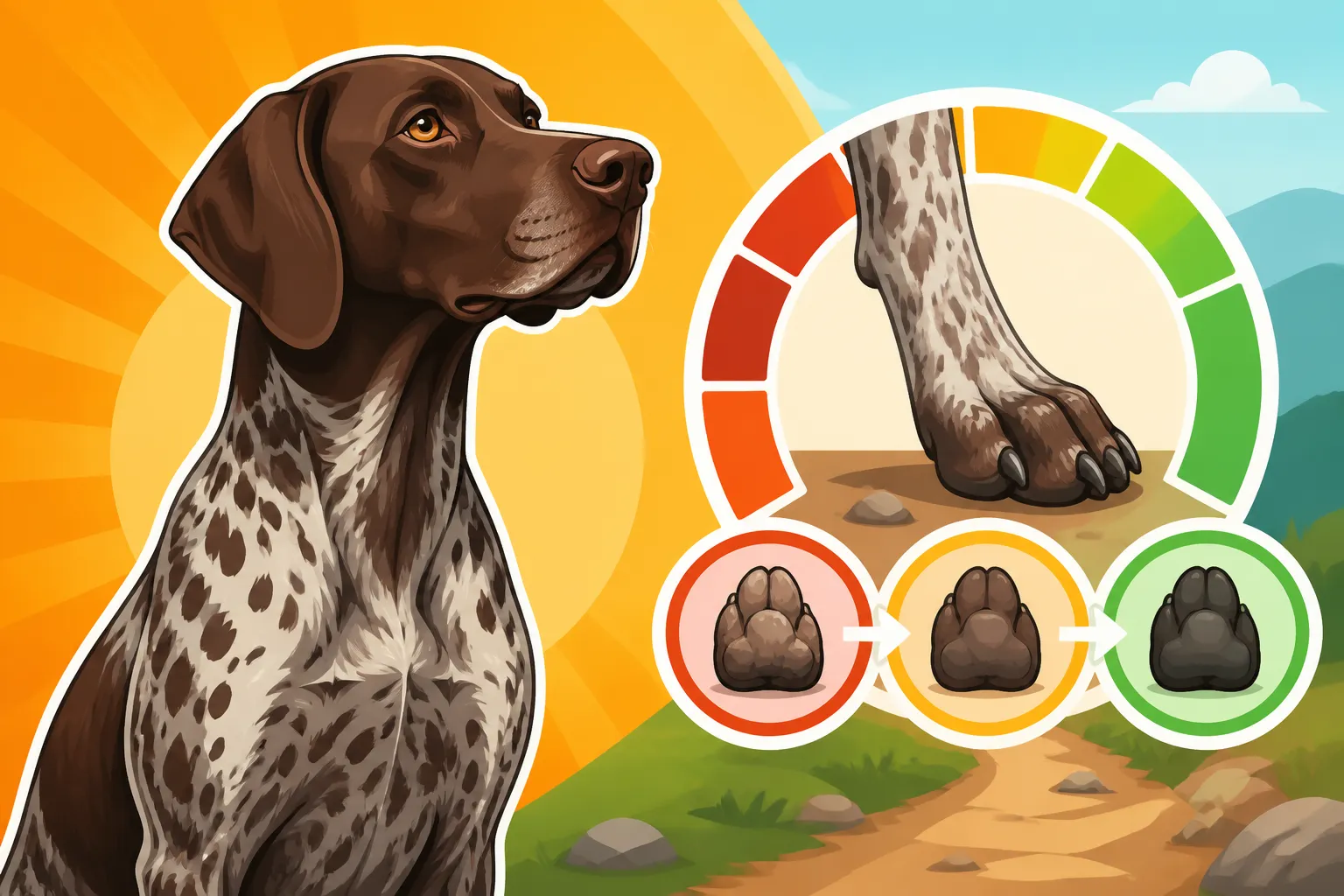
For adult Shorthairs, especially those gearing up for hunting season or increased activity, you're generally looking at a minimum of 6-8 weeks of dedicated, progressive conditioning to build significant paw resilience. This isn't just about general fitness; it's specifically about toughening those pads.
The process involves a gradual increase in the distance, speed, and difficulty of the terrain your dog encounters. You start with shorter durations on moderate surfaces, slowly increasing the time and introducing more challenging ground. For example, if your dog has been enjoying soft park walks all summer, don't jump straight to an all-day hunt over rocky stubble. Begin with 20-30 minute walks on asphalt, then transition to gravel trails, and eventually introduce some light field work. Consistency is paramount. Short, frequent sessions are much more effective than sporadic, long ones. This incremental exposure allows the paw pads to thicken and harden naturally without excessive damage. If you push too hard, too fast, you're more likely to cause an injury that sets you back.
Here's a sample 8-week conditioning schedule to illustrate the gradual progression:
| Week | Activity/Surface | Duration/Intensity | Notes |
|---|---|---|---|
| 1-2 | Pavement, packed dirt trails | 30-45 min, 3-4 times/week, brisk walk/light jog | Focus on smooth, consistent surfaces. Check paws daily. |
| 3-4 | Pavement, light gravel trails | 45-60 min, 3-4 times/week, moderate jog | Introduce more varied terrain gently. Increase speed gradually. |
| 5-6 | Gravel roads, field edges, light brush | 60-90 min, 3-4 times/week, sustained jog/run | Start simulating actual field conditions. Watch for fatigue. |
| 7-8 | Moderate stubble, rocky trails, denser cover | 90-120 min, 3-4 times/week, full speed running/hunting simulation | Build endurance and paw toughness for demanding environments. |
| Post-8 | Maintain with regular activity | Consistent exercise on varied terrain | Don't stop once the season starts; maintenance is key. |
This kind of sustained effort before opening day can make a world of difference. It’s not just about getting them fit, but getting their feet fit. Check out Conditioning a Shorthair Before Opening Day for more comprehensive preparation tips, and don't forget Toughening a Shorthair's Pads Over the Summer for year-round strategies. The goal is to avoid those painful setbacks and ensure your Shorthair can perform at their best throughout the season.
Practical Strategies for Long-Term Paw Health
Conditioning a Shorthair's feet isn't just about that pre-season crunch; it's a continuous, year-round commitment to their overall well-being. Think of it as part of their regular care routine, just like feeding them a quality diet or keeping their coat healthy.
Incorporating Diverse Surfaces and Activities
The absolute best way to build and maintain paw toughness is through consistent exposure to a variety of surfaces. Don't let your Shorthair become a "one-surface" dog. Their paws need to adapt to different textures and temperatures to become truly resilient.
Start with daily walks or runs on surfaces like asphalt and concrete. These are great for basic toughening because they provide a consistent, firm resistance. Then, gradually introduce them to gravel roads, dirt trails, and even sandy areas. Each surface challenges the paw pads in a slightly different way. Gravel, for instance, provides a massaging action that stimulates blood flow and toughens the pads against sharper objects, while sand can strengthen the muscles and tendons in the feet. For those with access, supervised time on rocky trails or through light brush can be incredibly beneficial for simulating hunting conditions. Just remember to start short and build up. A half-hour walk on pavement today, a quick burst through some tall grass tomorrow, and a longer jog on packed dirt later in the week will do more good than one marathon session on an unfamiliar surface. This gradual, diverse approach helps to create robust, adaptable pads that are less prone to injury when facing the unexpected challenges of the field. And don't forget the importance of roadwork for overall fitness, which benefits paw health too; you can learn more about Roading a German Shorthaired Pointer for Fitness.
The Role of Paw Balms, Booties, and Nutrition
While natural conditioning through exercise is primary, supplementary care can make a huge difference in long-term paw health. Think of it as giving your Shorthair an extra edge.
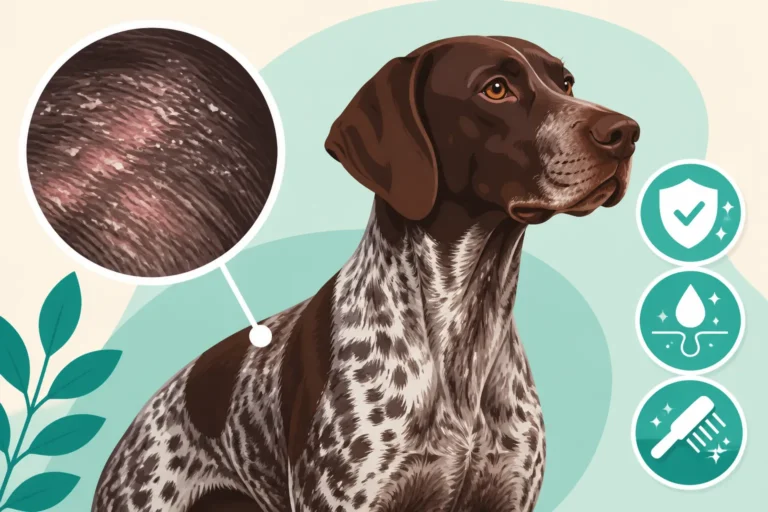
Paw balms are fantastic for preventing dryness, cracking, and minor irritation. They create a protective barrier and help keep the pads moisturized and pliable, which is essential for preventing painful splits. I often recommend applying a good quality paw balm before and after intense activity, especially in harsh weather conditions (think scorching summer pavement or icy winter trails). You can find a wide range of effective paw toughener products for a hunting Shorthair on sites like Amazon or Chewy. These aren't just for healing; they're preventative.
Then there are booties. Many owners resist them, but sometimes, they're absolutely essential. If your Shorthair has an existing paw injury, if you're hunting in extremely rough or frozen terrain, or if the ground is exceptionally hot, booties can provide crucial protection. Training your dog to wear booties takes patience, starting with short periods indoors, but it's a skill that can save a hunt or prevent a serious injury. Imagine navigating sharp ice or a field full of thorns – that's when you'll be glad you invested in Boots for a Shorthair on Rock and Stubble.
Finally, never underestimate the power of good nutrition. A high-quality diet provides the essential nutrients for healthy skin, coat, and paw pads. Look for foods rich in Omega-3 fatty acids, like those found in some premium dog food brands (like Ollie, which focuses on fresh, high-quality ingredients). Sometimes, a vet-approved supplement, such as fish oil or certain joint supplements, can also contribute to overall skin and paw health. You might find great options for these on Chewy. These supplements, along with a balanced diet, support the cellular regeneration that keeps paw pads strong and resilient. It's all part of the holistic approach to keeping your Shorthair in peak condition. For general joint health, check out Joint Supplements Worth Giving a Working Shorthair.
Monitoring and Maintenance
Even with the best conditioning regimen, consistent monitoring of your Shorthair's paws is non-negotiable. This is your early warning system for potential problems that could escalate into serious injuries.
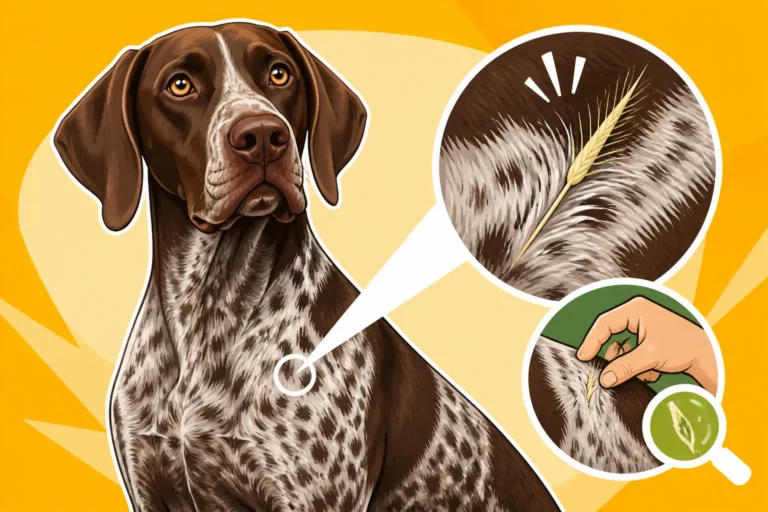
After every substantial activity – a long run, a hunting trip, a strenuous hike – make it a habit to perform a thorough paw check. Carefully inspect each pad, looking for any signs of cuts, scrapes, punctures, excessive wear, or redness between the toes. Don't forget to check for foreign objects like burrs, thorns, or grass awns that can embed themselves and cause irritation or infection. Pay attention to any cracking or excessive dryness, as these can be precursors to more significant issues. If you notice any tenderness, lameness, or your dog licking their paws more than usual, it’s a sign to give them a rest and investigate further. Early detection can prevent a minor issue from becoming a major one, saving you both discomfort and potential vet visits. You can refer to Checking a German Shorthaired Pointer Over After a Hunt for a comprehensive post-hunt inspection routine.
Regular nail trims are also critical. Overgrown nails can throw off your dog's gait, putting undue stress on their paws and joints, and making them more susceptible to injury. Keeping the hair trimmed between their pads (if it's long enough to collect debris) can also help prevent irritation and matting. Consistent care and observation are the bedrock of maintaining those tough, healthy paws your German Shorthaired Pointer needs to thrive.
In essence, conditioning your German Shorthaired Pointer's feet is not a one-time project but an ongoing commitment, much like their daily exercise and feeding schedule. It requires patience, consistency, and careful observation. Starting early, gradually increasing exposure to diverse surfaces, and supplementing with balms or booties when necessary are all key components. By integrating these strategies into your routine, you'll ensure those magnificent paws are as robust and ready as their owner's passion for the outdoors, allowing your Shorthair to run, point, and retrieve without a single worry.
Disclaimer
This article is for general informational purposes only and does not constitute professional advice. Laws, prices and regulations vary by location and change over time. Consult a qualified professional for guidance on your specific situation.