Whether a Shorthair Tolerates Boots
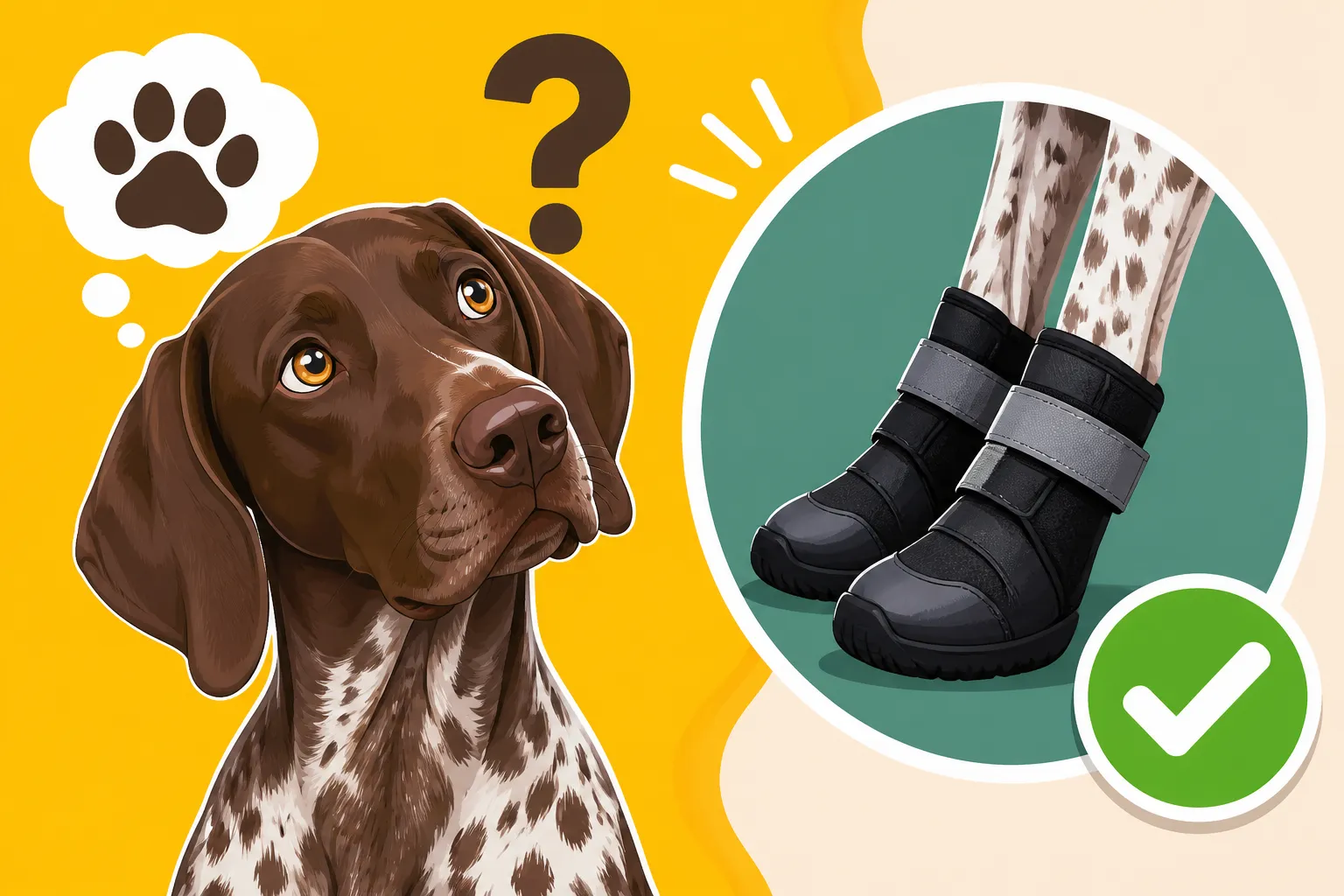
It's a common dilemma for us German Shorthaired Pointer owners: you know your active, adventurous companion needs paw protection for rough terrain, icy trails, or hot pavement, but the thought of getting them to wear boots might feel like trying to dress a squirrel in a tiny tuxedo. Many GSPs have a strong aversion to anything on their feet, leading to hilarious, yet frustrating, "boot dances" or immediate attempts to shake them off. This guide is here to help you navigate the world of canine footwear, understand why your Shorthair might react the way they do, and most importantly, how to successfully introduce and maintain boots for their safety and comfort.
Understanding Your GSP's Relationship with Footwear
German Shorthaired Pointers are incredible athletes, built for speed, endurance, and navigating diverse environments. Their paws are their primary tools for traction, sensory input, and heat regulation. When we try to put something unfamiliar on them, it's not surprising that they might initially protest.
Why GSPs Might Resist Boots Initially
Think about it from your GSP's perspective. Their paw pads are highly sensitive, packed with nerve endings that provide crucial information about the ground beneath them. They feel every pebble, every change in temperature, every subtle shift in texture. Suddenly, you're asking them to wear something that completely blocks this sensory input, making them feel clunky and disconnected from their environment. It's like asking a concert pianist to play with heavy gloves on – frustrating and unnatural.
Beyond the sensory aspect, GSPs are generally free-spirited dogs who dislike anything that restricts their movement or feels alien. They use their powerful legs and agile bodies to run, jump, and change direction on a dime. Boots, especially ill-fitting or uncomfortable ones, can hinder this natural athleticism. We've all seen the videos of dogs doing the "boot dance" – it's often not defiance, but genuine confusion and discomfort at this strange new sensation. Patience is key here, and understanding that their initial reaction is completely normal, not a sign that they'll never tolerate them.
The Benefits of Boots for a German Shorthaired Pointer
Despite the initial hurdles, there are numerous, compelling reasons to get your German Shorthaired Pointer comfortable with wearing boots. Their thin coats and energetic nature mean they're often exposed to conditions that can be harsh on their paws.
Firstly, think about protection from extreme temperatures. In winter, icy trails, frozen ground, and de-icing chemicals like salt can cause painful cracks, chemical burns, or even frostbite on unprotected pads. A good set of winter boots creates a barrier. Conversely, during summer, asphalt and concrete can reach scorching temperatures, easily burning delicate paw pads. Heat Exhaustion in an Early Season Shorthair is a serious concern, and paw burns are equally damaging. Boots provide that essential layer of insulation, whether from heat or cold.
Secondly, boots offer crucial protection against rough terrain and hidden hazards. If you're hunting in stubble fields, running through thorny bushes, or hiking over rocky trails, your GSP's pads are vulnerable to cuts, scrapes, and punctures. Cut Pads on a German Shorthaired Pointer After a Long Day can quickly put an end to a day's activity and lead to expensive vet visits. Boots act as armor, significantly reducing the risk of injury. They can also prevent nasty things like foxtails and grass awns from burrowing between toes, which can be incredibly painful and difficult to remove. Think of them as essential gear, much like your own hiking boots.
Finally, boots can be a lifesaver when dealing with existing paw injuries or conditions. If your GSP has a cut, a sore, or is recovering from surgery, boots can keep the wound clean, prevent licking, and protect it from further damage. They can also be beneficial for dogs with allergies or sensitive skin, preventing them from irritating their paws. Managing a German Shorthaired Pointer's Lifelong Skin Disease can often involve protecting their skin, and paw pads are no exception.
Introducing Boots to Your German Shorthaired Pointer the Right Way
Getting your GSP to accept boots isn't a quick fix; it's a process of gradual introduction and positive association. Rushing it will almost certainly lead to frustration for both of you.
Starting Early and Making it Positive
The best time to introduce anything new to a GSP is when they're a puppy, but it's never too late for an older dog! The key is to make every interaction positive and low-pressure. Start by simply letting them see and sniff the boots without trying to put them on. Offer a high-value treat, like a piece of cooked chicken or cheese, just for being near the boots. This helps build a positive association right from the start.
Next, you can try touching their paws gently, praising them, and giving treats. Once they're comfortable with that, gently touch a boot to their paw. Again, lavish praise and treats. The goal is to gradually desensitize them to the object itself. When you finally try to put a boot on, do one paw at a time. Slip it on, immediately give a treat, praise, and then take it off after only a few seconds. Repeat this several times, keeping the sessions short and fun. The moment they show any stress or try to pull away, stop. End on a positive note, even if it's just for touching the boot. Products you can find on sites like Chewy or Amazon often come with guides, but the principle is universal: patience and positivity.
Gradual Exposure and Proper Fit
Once your GSP tolerates a single boot for a few seconds, gradually increase the duration. Try putting on one boot, then two, then all four. Keep the sessions very short initially – just a minute or two – and always end with a treat and praise. Let them walk around the house with them on. They'll likely do the "boot dance" at first, but try not to laugh or give too much attention to the unusual gait, as this can reinforce the behavior. Instead, redirect their focus with a favorite toy or a quick training command.
The absolute most critical factor in your GSP tolerating boots is proper fit. Boots that are too tight will pinch and cause discomfort, potentially restricting blood flow. Boots that are too loose will twist, rub, and fall off, creating blisters and further frustrating your dog. Measure your GSP's paws carefully, typically by having them stand on a piece of paper and marking the widest and longest points. Check sizing charts from different brands, as they can vary. A well-fitting boot should be snug enough to stay on without being restrictive, allowing for natural paw movement while providing protection. This is where researching reviews on sites like Amazon can be helpful, as other GSP owners often share their sizing experiences.
Choosing the Right Boots for Your GSP's Adventures
Not all boots are created equal, and the "best" boot depends entirely on what you're asking your German Shorthaired Pointer to do.
Different Types of Boots for Different Needs
- Hunting and Hiking Boots: These are typically rugged, durable, and designed for tough terrain. They often feature strong soles for traction and materials that resist punctures. They prioritize protection from sharp objects, thorns, and abrasive surfaces. Look for options with breathable materials to prevent overheating on longer treks. If your GSP spends hours Running a Shorthair Beside a Bike Safely or Roading a German Shorthaired Pointer for Fitness, these kinds of boots are essential to prevent pad wear and injury.
- Winter Boots: When temperatures drop and snow or ice are on the ground, insulation and waterproofing become paramount. Winter boots often have thicker soles, sometimes with fleece lining, to protect from extreme cold. They also need excellent traction to prevent slips on icy surfaces and should fully cover the paw to shield against de-icing chemicals. Preventing Frostbite on a Late Season German Shorthaired Pointer is a major concern.
- Summer Boots/Pad Protectors: While you might think of boots as winter gear, summer heat poses a significant threat. Lightweight, breathable boots with heat-resistant soles are ideal for protecting paws from scorching pavement, sand, or gravel. The goal here is less about insulation and more about creating a barrier against radiating heat.
- Medical/Recovery Boots: These are often simpler, lighter boots designed to protect a bandaged paw, keep a wound clean, or prevent a dog from licking an injury. They might not be as durable for heavy activity but are perfect for temporary protection during healing. Keeping a paw clean after Stapling a German Shorthaired Pointer's Field Wound is crucial.
Features to Look for in GSP Boots
When you're sifting through the countless options available on platforms like Chewy or your local pet supply store, consider these key features:
| Feature | Importance for GSP Owners | What to Look For |
|---|---|---|
| Durability | GSPs are tough on gear; cheap boots will quickly wear out or tear. | Reinforced stitching, robust fabrics (e.g., Cordura), thick, non-slip rubber soles. |
| Traction | Essential for stability on various surfaces, preventing slips and falls. | Deep treads, textured rubber soles, similar to human hiking boots. |
| Breathability | Overheating can be a concern, especially during intense activity or in warmer weather. | Mesh panels, breathable fabrics that allow air circulation. |
| Adjustability | A secure fit is paramount to prevent boots from falling off or causing rubs. | Multiple Velcro straps, elastic closures, cinch cords for a snug fit around the ankle. |
| Water Resistance | Important for wet conditions, snow, mud, or crossing streams to keep paws dry and warm. | Waterproof membranes (e.g., Gore-Tex style), treated fabrics, sealed seams. |
| Ease of Application | You want boots you can put on quickly and efficiently, especially with a wiggly GSP. | Wide openings, simple strap systems, clearly marked left/right if applicable. |
| Visibility | For hunting or low-light conditions, added safety is a plus. | Reflective strips or bright colors for enhanced visibility. |
Don't be afraid to invest a little more in high-quality boots. They'll last longer, perform better, and ultimately provide better protection and comfort for your GSP. Always read reviews, especially from owners of similar active breeds, to get a sense of real-world performance.
Troubleshooting Common Boot Challenges
Even with the perfect boots and a patient introduction, your GSP might still give you a run for your money. Here's how to tackle some common issues.
Dealing with the "Boot Dance" and Paw Licking
The "boot dance" – that high-stepping, exaggerated walk where your GSP looks like they're trying to shake off invisible shackles – is often the first reaction. It's their way of saying, "What is this strange thing on my foot?!" The best approach is to ignore the dancing itself and instead, immediately distract them with an activity. Toss a favorite toy, go for a very short walk, or engage in some brief training. The goal is to get their mind off the boots and onto something more engaging. As they move, they'll gradually become accustomed to the feel.
Excessive paw licking or chewing at the boots is another common response. This indicates discomfort or annoyance. First, double-check the fit. Are they too tight? Is there anything rubbing? Are they twisted? If the fit seems correct, try distracting them with a chew toy or a puzzle feeder that requires focus. If they persist, remove the boots and try again later, shortening the wear time. You might even consider a very light, thin sock underneath if their skin is sensitive to the boot material, which can also help prevent rubbing.
Remember, consistency is key. Don't only put the boots on when you need them for a critical activity. Practice wearing them for short periods at home, even if it's just for five minutes before a meal, so they become a normal part of their routine, not just a precursor to something they might dislike.
Preventing Rubbing and Lost Boots
Rubbing, chafing, or blistering from boots is a serious issue that can quickly make your GSP hate wearing them. This is almost always a result of ill-fitting boots or prolonged wear without conditioning. To prevent rubbing, ensure the boots are snug but not tight. The top of the boot should sit comfortably around the ankle or lower leg without digging in. If you notice any redness or irritation after a short wear, discontinue use and reassess the fit or try a different style. Some GSPs benefit from wearing a thin dog sock inside the boot, especially if they have sensitive skin or if the boot material itself is a bit abrasive. These socks can act as a buffer and absorb moisture.
Losing a boot in the field is incredibly frustrating, especially if you're in deep cover or it's nearing dusk. GSPs are experts at shedding anything they don't want on their bodies. To prevent this, focus on boots with secure, adjustable closures. Look for multiple Velcro straps, cinch cords, or even a combination of both. When fastening, ensure they are tight enough to hold the boot in place, but not so tight that they impede circulation. A good test is to try and pull the boot off with moderate force – if it comes right off, it's too loose.
Additionally, regularly check the boots during walks or hunts. A quick stop every 15-20 minutes to adjust straps and ensure everything is still in place can save you the hassle of backtracking to find a lost boot. Some owners even use specialized "boot extenders" or tape to further secure boots for particularly high-energy activities. With practice, careful selection, and consistent positive reinforcement, your GSP can become a pro at wearing their paw protection, ready for any adventure you throw their way.
Disclaimer
This article is for general informational purposes only and does not constitute professional advice. Laws, prices and regulations vary by location and change over time. Consult a qualified professional for guidance on your specific situation.