Whether a Shorthair’s Coat Blows Out Twice a Year
Anyone who has ever shared their home with a German Shorthaired Pointer knows the sheer joy, the boundless energy, and yes, the ever-present hair that comes with the territory. Many people wonder if their Shorthair, like some other breeds, has predictable "coat blowouts" twice a year. The reality is often a bit more nuanced than that, and understanding your GSP's shedding patterns and how to manage them can make a huge difference in keeping your home (and your sanity) intact. This guide will dive deep into the mysteries of the Shorthair coat, debunk common myths about seasonal shedding, and offer practical advice to help you manage your dog's year-round hair production.
The Continuous Cycle: Shedding in German Shorthaired Pointers
Unlike some breeds that truly "blow their coat" in distinct, dramatic seasonal events, German Shorthaired Pointers are, for the most part, continuous low-level to moderate-level shedder. This means you’ll likely find their distinctive, short, stiff hairs year-round, not just in spring and fall. While there can be peaks in shedding, it's less about a full coat replacement and more about a consistent turnover.
This continuous shedding can be a surprise to new Shorthair owners who might expect a more pronounced seasonal event. Instead, you might find that the amount of hair changes subtly with the seasons, your dog's diet, their health, and even their stress levels. It’s less of a sudden explosion and more of a steady rain of short, poky hairs. You'll quickly learn that these hairs have a unique ability to weave themselves into carpets, upholstery, and even your clothes, creating a constant battle for cleanliness. It’s not just about what comes off them, but how it seems to attach itself to everything else.
The Myth of the Twice-Yearly "Blow Out" for Shorthairs
Many double-coated breeds, like German Shepherds or Huskies, experience true "coat blowouts" where they shed their entire undercoat over a period of weeks, usually in spring to prepare for warmer weather and in fall to grow in a new, dense winter coat. This is often what people visualize when they hear "shedding season." For a German Shorthaired Pointer, however, this intense, dramatic shedding event isn't typically part of their genetic makeup.
Your Shorthair has a single, short, dense coat, not a distinct undercoat and outer coat in the same way. This single layer is designed for protection in various environments, from dense cover to cold water, but it doesn't build up a heavy undercoat that needs to be "blown" seasonally. What you might perceive as a "blowout" is usually just an intensified period of their normal, continuous shedding, often triggered by changes in temperature or light. It's not that they don't shed more at certain times; it's just that the nature of that shedding is different from what you'd see in, say, a Labrador Retriever or a Border Collie.
Why Your German Shorthaired Pointer Seems to Shed More Sometimes
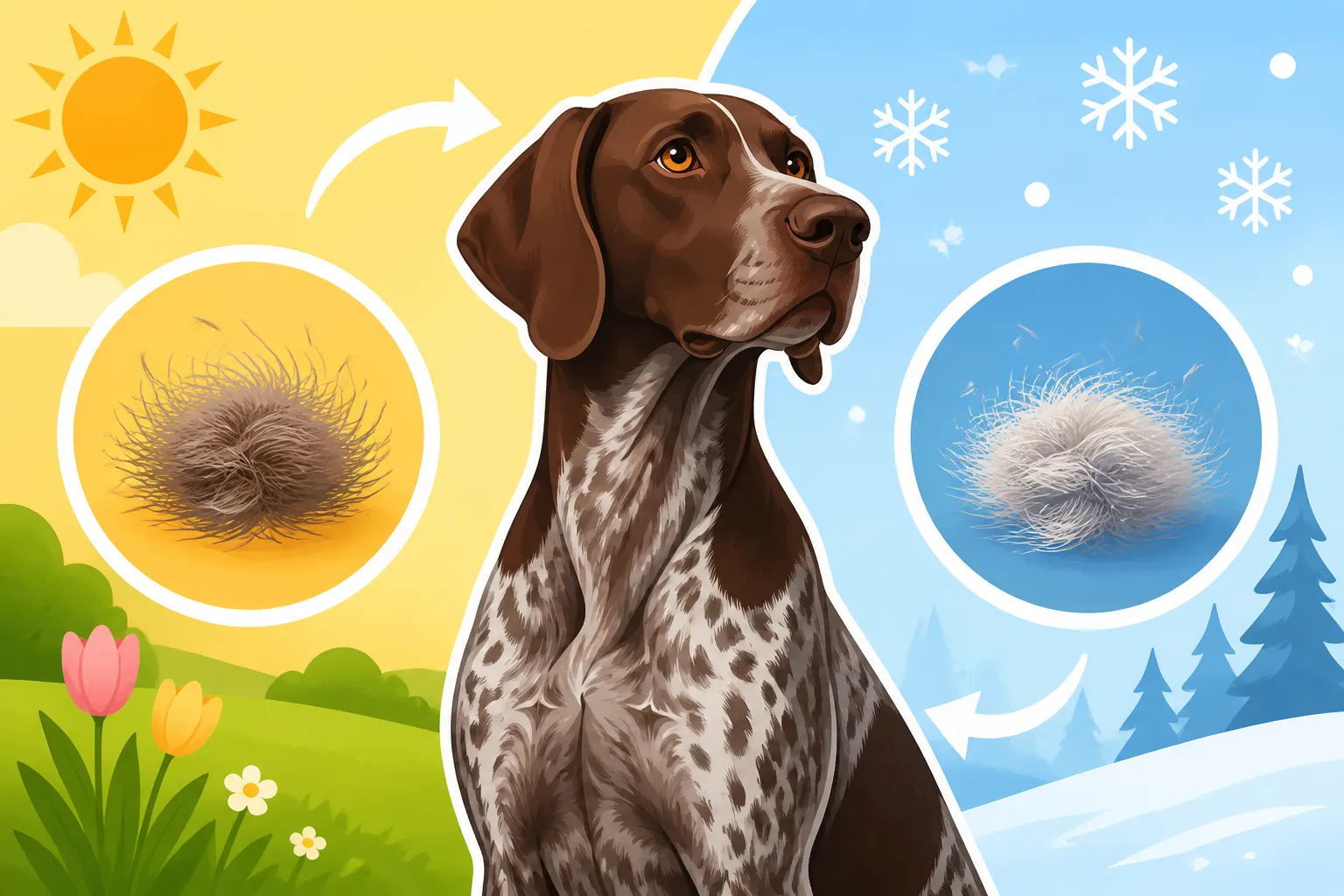
Even though GSPs don't have traditional coat blowouts, there are definitely times when you'll notice more hair around the house. These periods often coincide with environmental changes or internal factors within your dog. As the days get longer in spring, or shorter in fall, a dog's natural rhythms often signal changes in their coat, leading to increased shedding. This is an evolutionary holdover, even for dogs that spend most of their time indoors. The shift in light and temperature tells their bodies to adjust their coat density, meaning more old hairs need to make way for new ones.
Beyond seasonal shifts, other factors can significantly impact the amount of hair your Shorthair is dropping. Stress, dietary changes, and underlying health issues can all manifest as increased shedding. A dog that is unwell, experiencing allergies, or dealing with anxiety might shed more profusely than usual. It's always a good idea to keep an eye on how much your dog is shedding and for how long. A sudden, drastic increase in shedding without an obvious environmental trigger could be a sign to check in with your vet.
Factors Influencing Your Shorthair's Shedding Intensity
While we've established that the dramatic "blowout" isn't typical for a German Shorthaired Pointer, understanding the nuances of why and when they shed is crucial. There's a subtle dance between internal and external factors that dictates the amount of hair you'll be sweeping up. These aren't just minor influences; they can turn a manageable amount of shed hair into something that feels overwhelming.
Seasonal and Environmental Triggers
The most common reason for a perceived increase in shedding in your German Shorthaired Pointer is seasonal change, even if it's not a full "blowout." As the temperatures rise in spring and summer, your Shorthair's coat naturally thins out slightly to help them stay cooler. This means more hair falling out to reduce the overall density. Conversely, as winter approaches and the days shorten, their body might prompt a thicker coat to grow in for warmth, leading to a period of increased shedding as the thinner summer coat is replaced. This is often why you might feel like you're sweeping up a bit more hair in the spring and fall, even if it's not the massive, unmistakable undercoat shed of a northern breed.
Even dogs that live indoors are susceptible to these natural rhythms, though the impact might be somewhat lessened by climate control. If your Shorthair spends a lot of time outside, hunting or training, you'll likely notice these seasonal shifts more distinctly. The intensity of sunlight exposure, not just temperature, plays a significant role in signaling these changes to their bodies. It's a natural, evolutionary response to prepare their bodies for the coming weather.
Diet, Health, and Hormone Levels
What goes into your German Shorthaired Pointer's body directly impacts what comes off of it – especially when it comes to their coat. A high-quality diet rich in omega fatty acids can lead to a healthier, stronger coat, meaning less breakage and therefore less shedding. Conversely, a diet lacking essential nutrients can result in a dull, brittle coat that sheds excessively. Brands like Ollie, known for their fresh, whole-food approach, often emphasize ingredients that support skin and coat health, which can make a noticeable difference in shedding levels. Likewise, adding supplements such as fish oil, readily available from retailers like Chewy or Amazon, can provide those beneficial omega-3s, helping to nourish the skin and coat from the inside out.
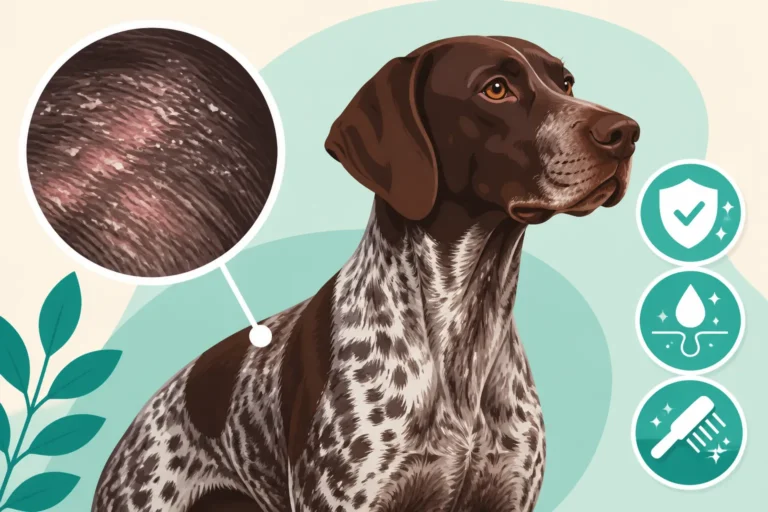
Beyond diet, your Shorthair's overall health plays a critical role. Skin allergies, parasites, thyroid issues, or other underlying medical conditions can all cause increased or abnormal shedding. If you notice patchy hair loss, skin irritation, or excessive shedding beyond what seems normal for your dog, it's always wise to consult your veterinarian. Hormonal changes, particularly those related to spaying or neutering, can also affect coat texture and shedding patterns. Some dogs might develop a slightly softer, thicker coat after these procedures, which can sometimes lead to more shedding. It's important to remember that a healthy dog generally has a healthy coat, so any significant change in shedding warrants a closer look at their well-being. Lupoid Dermatosis and a Shorthair's Scaling Skin and Thyroid Failure in a Middle Aged German Shorthaired Pointer are just two examples of conditions that can significantly impact coat health and shedding.
Practical Strategies for Managing Shorthair Shedding
Since constant shedding is more the norm for a German Shorthaired Pointer than distinct seasonal blowouts, a consistent approach to grooming and care is your best defense against finding their short, stiff hairs everywhere. It’s all about proactive management rather than reactive cleanup. A little effort regularly goes a long way.
Consistent Grooming Routines
Regular grooming is your most powerful tool against Shorthair shedding. While their short coats might seem low-maintenance, they absolutely benefit from routine brushing. Aim for brushing at least 2-3 times a week, and more frequently during perceived "peak" shedding times. A rubber curry brush or a shedding blade (used gently!) works wonders for these coats, effectively grabbing loose hairs before they can land on your furniture or clothes. These tools massage the skin, stimulating blood flow and distributing natural oils, which also contributes to a healthier coat. You can find a wide variety of these brushes on Amazon, making it easy to pick one that suits your hand and your dog's preferences.
Beyond brushing, occasional bathing can help remove loose hair and dirt. However, German Shorthaired Pointers don't need frequent baths, as over-bathing can strip their natural oils and potentially irritate their skin, leading to more shedding. Once every 4-6 weeks, or when visibly dirty, is usually sufficient. Use a high-quality dog shampoo that is gentle on the skin and helps with shedding, often containing ingredients like oatmeal or essential fatty acids. Make sure to rinse thoroughly to avoid leaving any residue that could cause skin irritation. After bathing, a good rub-down and another quick brush can help remove even more loosened hair. For more tips on keeping your GSP clean, check out How Often a Shorthair Needs Washing.
| Grooming Tool | Description | Best Use | Frequency |
|---|---|---|---|
| Rubber Curry Brush | Soft rubber nubs, gentle on skin. | Loosening dirt, massaging skin, collecting loose hair. | Daily/Every Other Day |
| Shedding Blade | Metal loop with fine teeth (use gently!). | Removing dead hair from dense coats, especially during higher shedding periods. | 2-3 times a week (carefully) |
| Bristle Brush | Natural or synthetic bristles. | Smoothing the coat, distributing oils, light daily grooming. | Daily |
| Grooming Mitt/Glove | Fabric glove with rubber nubs. | Gentle massage, good for sensitive dogs, excellent for collecting loose hair while petting. | Daily |
| Deshedding Shampoo | Formulated to release undercoat and strengthen hair. | During baths to aid in shedding management. | Every 4-6 weeks |
Dietary Support and Supplements
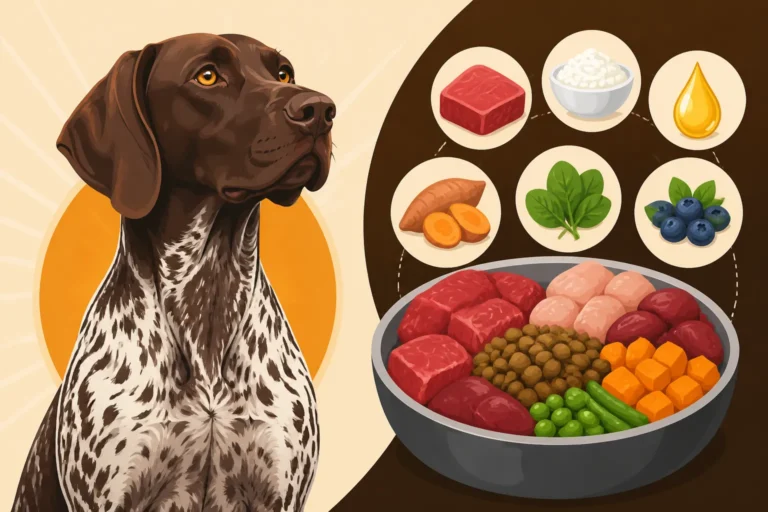
A healthy coat starts from within. Ensuring your German Shorthaired Pointer is on a high-quality, balanced diet is paramount for minimizing shedding. Look for dog foods that list real meat as the first ingredient and contain beneficial omega-3 and omega-6 fatty acids, often found in ingredients like fish oil, flaxseed, or chicken fat. These healthy fats are crucial for skin health and a strong, shiny coat. Sometimes, even with a good diet, a little extra boost can make a difference.
Many Shorthair owners find success adding specific supplements to their dog's diet, especially if they notice excessive shedding or a dull coat. Fish oil supplements, rich in EPA and DHA, are fantastic for promoting skin and coat health. You can often find liquid fish oil or softgel capsules at pet supply stores like Chewy or on platforms like Amazon. Just be sure to choose a reputable brand and follow the dosage instructions for your dog's weight. Other supplements like flaxseed oil, biotin, or even a good quality multivitamin can also support a healthy coat. Before adding any new supplement, it's always a good idea to discuss it with your veterinarian to ensure it's appropriate for your individual dog's needs and won't interfere with any existing medications or conditions. Fish Oil for a German Shorthaired Pointer's Skin offers more detailed information on this topic.
Environmental Control and Lifestyle
While you can't stop your German Shorthaired Pointer from shedding entirely, you can certainly manage the amount of hair that ends up in your living space. Regular vacuuming and cleaning are non-negotiable for Shorthair owners. Investing in a good quality vacuum cleaner designed for pet hair can save you a lot of frustration. Lint rollers and damp cloths are also your best friends for quick clean-ups on furniture and clothing.
Consider creating designated "dog zones" in your home where shedding is more contained. High-quality dog beds with removable, washable covers can help manage hair in their sleeping areas. For a dog that spends time outdoors, ensuring they have access to shade in summer and a warm, sheltered spot in winter can help regulate their coat and minimize stress-related shedding. Some owners find that exercising their Shorthairs in areas with less dense underbrush can reduce the amount of burrs and foreign debris collected in their coats, which can sometimes pull out more hair during grooming. Remember, a happy, well-exercised, and stress-free Shorthair is often a healthier, less excessively shedding Shorthair. Their energy needs are immense, so a lifestyle that allows for ample physical and mental stimulation, as discussed in The Two Hours a Day a German Shorthaired Pointer Needs, contributes to overall well-being, including coat health.
Understanding the Shorthair Coat and Its Purpose
To truly appreciate your German Shorthaired Pointer's shedding patterns, it helps to understand the unique characteristics of their coat and the functions it serves. This isn't just a covering; it's a finely tuned piece of equipment perfectly adapted to their heritage as versatile hunting dogs.
The Design of a Versatile Hunting Coat
The German Shorthaired Pointer's coat is a marvel of efficiency. It's short, dense, and feels coarse to the touch, often described as having a hard texture. This isn't by accident; it's a deliberate design bred over centuries to protect them in diverse environments. This single-layer coat, unlike the double coats of many other working breeds, is remarkably water-resistant. The tightly packed hairs form a protective barrier that helps shed water, allowing your Shorthair to work through dewy fields, heavy rain, or even retrieve from cold water without becoming waterlogged and chilled. This water resistance is critical for their role as versatile hunting dogs, as explored in The Water Resistant Coat a Shorthair Carries.
Furthermore, the dense nature of the coat acts as a natural shield against thorns, burrs, and abrasive vegetation they encounter while crashing through thick cover. While no coat is entirely impervious, it offers significant protection against minor scrapes and irritations that could otherwise hinder their performance in the field. This short, tight coat also dries relatively quickly compared to longer, thicker coats, which is another advantage for a dog that might be in and out of water or varied weather conditions throughout a hunt.
Why Constant Turnover is Beneficial
Given the demanding lifestyle of a German Shorthaired Pointer – whether they're a dedicated hunting partner or an active family companion – a coat that is constantly renewing itself is actually highly advantageous. This continuous turnover helps ensure that the coat remains healthy, robust, and functional. Old, damaged, or weak hairs are regularly replaced with new, strong ones. This process helps maintain the integrity of their protective barrier.
Think of it like regular maintenance on a piece of equipment. If a hair becomes brittle from sun exposure, snagged on a branch, or simply wears out, the shedding process ensures it's replaced. This continuous renewal helps prevent a buildup of dead, non-functional hair that could hinder their ability to regulate temperature or provide adequate protection. It's a low-maintenance, high-performance design, even if it does mean you'll be dealing with those short hairs on your floor and furniture more often than you might wish! Understanding this natural, beneficial process can help shift your perspective from "my dog sheds too much" to "my dog's coat is doing its job." For more on the specifics of how much hair to expect, consider reading How Much a German Shorthaired Pointer Really Sheds.
Maintaining Optimal Coat Health
Beyond managing the shedding itself, focusing on the overall health and vitality of your Shorthair's coat is key. A healthy coat is a functional coat, and it also tends to shed less excessively. This means ensuring proper nutrition, as discussed earlier, and addressing any underlying health issues promptly. Regular veterinary check-ups can catch problems like skin infections, allergies, or hormonal imbalances before they significantly impact coat health.
Environmental factors also play a role. Protecting your Shorthair from extreme weather, providing adequate shelter, and even considering sun protection for dogs with extensive white markings can contribute to a healthier coat. Just like our skin, a dog's coat can be damaged by excessive sun exposure, leading to dryness and increased shedding. For dogs that spend a lot of time outside, or those with very sparse hair in certain areas, Sunscreen on a German Shorthaired Pointer's Nose can be a surprisingly relevant piece of advice. Ultimately, a proactive approach to your GSP's general well-being will naturally translate to a healthier, more manageable coat, shedding consistently and appropriately for the hard-working, athletic dog that they are.
Disclaimer
This article is for general informational purposes only and does not constitute professional advice. Laws, prices and regulations vary by location and change over time. Consult a qualified professional for guidance on your specific situation.