Carrying Water for a German Shorthaired Pointer
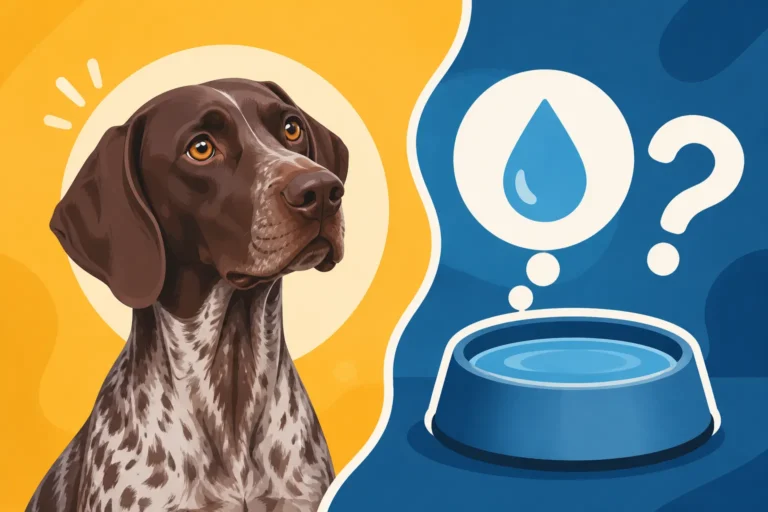
If you're a German Shorthaired Pointer owner, you know that boundless energy isn't just a trait, it's a way of life for these incredible dogs. But with all that intense activity, whether it's tearing through the field after a bird, rocketing across a dog park, or simply enjoying a long hike with you, comes a significant need for proper hydration. Many of us have experienced that heart-sinking moment when our GSP is panting hard, tongue lolling, and we realize we haven't brought enough water. It’s a common oversight, but for such an athletic breed, it can quickly become serious. This guide is all about equipping you with the knowledge and tools to ensure your Shorthair stays happily hydrated, no matter the adventure.
The Critical Need for Hydration in German Shorthaired Pointers
German Shorthaired Pointers are, by their very nature, athletes. Bred to hunt all day, cover vast expanses of ground, and retrieve from various terrains, their bodies are finely tuned machines that require constant fuel and, crucially, water. It’s not just about a sip here and there; it's about maintaining a delicate balance that keeps their systems running optimally and prevents serious health issues.
The Energetic Lifestyle Demands Extra Water
Think about your own experience during intense exercise. You sweat, you get thirsty, and you need to replace those fluids. Your German Shorthaired Pointer is no different, except their primary method of cooling down and expelling excess heat is panting, which means they lose a significant amount of water vapor with every breath. A GSP on a good run can easily lose many times more fluid than a sedentary dog of the same size.
Consider a typical scenario: you take your GSP, let's call him "Dash," out for a morning run on a cool autumn day. You might think the cool air means less water is needed, but Dash is covering miles, stopping to investigate every interesting scent, performing bursts of speed, and generally expending enormous amounts of energy. Each of those excited pants, each deep breath, contributes to fluid loss. If Dash is also retrieving or working birds, the mental and physical exertion combined skyrockets his hydration needs. Unlike some breeds that might be content with a leisurely stroll, a GSP's "stroll" often looks like a full-on sprint to other dogs. This intrinsic drive means we, as owners, need to be proactive and deliberate about their water intake, not just reactive when they start showing signs of thirst. It’s a constant, active requirement born from their genetics and purpose.
Overheating Risks and the Role of Water
While their short coat might make them seem less susceptible to heat, German Shorthaired Pointers are actually quite prone to overheating, especially when they push themselves hard in warm weather or during strenuous activity. Their incredible drive often means they won't stop until they physically can't go anymore, ignoring their body's signals of distress. This makes them vulnerable to conditions like Heat Exhaustion in an Early Season Shorthair. Water acts as an internal cooling system. When your dog drinks, that water helps regulate their body temperature, circulating through their system and allowing for more effective cooling through panting.
Imagine taking your GSP, "Rip," pheasant hunting in early September. The air temperature might only be in the low 70s, but the sun is strong, and Rip is pushing through thick cover, his heart rate elevated, his muscles working overtime. He’s panting constantly, trying to dissipate heat. If he doesn't have access to fresh water regularly, his core body temperature will start to climb. His blood will thicken slightly, making it harder for his heart to pump, and his ability to cool himself will be severely compromised. Without sufficient water, he can quickly spiral into heat exhaustion and potentially heat stroke, which is a veterinary emergency. We've all heard the stories, or maybe even experienced the fear ourselves, of a dog collapsing in the field. Often, inadequate hydration is a major contributing factor. Being prepared with ample water isn't just a convenience; it's a life-saving measure for these tireless dogs.
Preventing Dehydration-Related Health Issues
Beyond the immediate risks of overheating, chronic or even moderate dehydration can have long-term negative impacts on your German Shorthaired Pointer's health. Water is essential for every bodily function, from lubricating joints and aiding digestion to flushing toxins from the kidneys and supporting cellular health.
When a dog becomes dehydrated, their blood volume decreases, putting extra strain on their heart and kidneys. Over time, this can contribute to kidney problems or urinary tract issues. For an athletic dog, joint health is paramount, and adequate hydration ensures the synovial fluid that lubricates their joints remains at optimal levels, potentially reducing wear and tear. Imagine "Bullet," a nine-year-old GSP who still loves to hunt but is starting to feel the effects of age. If he’s consistently under-hydrated during his active life, the impact on his joints and internal organs can accumulate. Even minor dehydration can lead to lethargy, loss of appetite, and a general feeling of malaise, making it harder for your GSP to perform and enjoy their daily activities. Watering a German Shorthaired Pointer Through a Long Day isn't just about quenching thirst; it's about supporting their entire physiological system for sustained health and performance over The Twelve to Fourteen Years a German Shorthaired Pointer Gets. Paying attention to their hydration is a fundamental part of responsible GSP ownership, helping to keep them healthy and active for as long as possible.
Essential Gear for Carrying Water for Your GSP
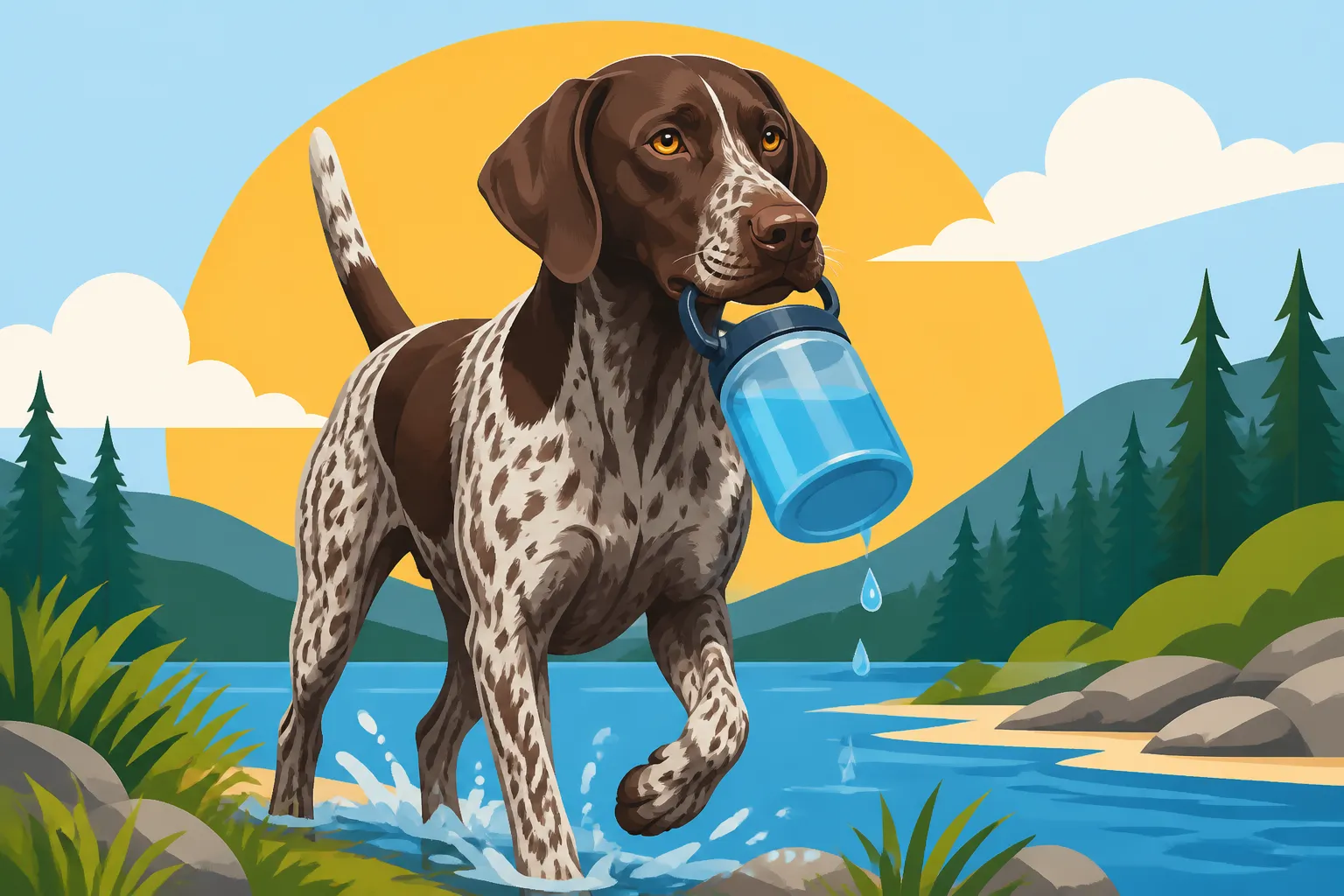
Knowing why hydration is crucial is just the first step. The next is figuring out how to effectively carry enough water for your high-energy companion. Thankfully, the market has responded to the needs of active dog owners, offering a variety of ingenious solutions that make staying hydrated on the go much easier than it used to be.
Portable Bowls and Bottles: Everyday Essentials
For most outings, from a trip to the local park to a several-mile hike, portable bowls and water bottles designed for dogs are your best friends. These come in a few main styles, each with its own benefits.
- Collapsible Bowls: These are fantastic because they fold flat or collapse into a small disc, making them incredibly easy to pack. They're often made of silicone or durable fabric. Silicone bowls are easy to clean and often pop open readily. Fabric ones are super lightweight and might even clip onto a belt loop or backpack. You just pour water from your own bottle into it. You can find a huge variety of these on sites like Amazon or specialized pet supply stores like Chewy. The key is to make sure it's stable enough that your GSP won't knock it over immediately, and large enough for them to get a good drink without struggle.
- Integrated Bottle-and-Bowl Systems: These are usually a water bottle with a special top that either acts as a trough or has a button-activated dispenser that fills a small cup attached to the bottle. This design is excellent because it’s a self-contained unit, meaning less fumbling and no separate bowl to carry. When your GSP, say "Tracker," is panting after a vigorous fetch session, you can quickly grab the bottle, press a button, and provide him with fresh water without spilling a drop. Some even allow you to suck unused water back into the main bottle, minimizing waste, which is a huge bonus on long trips where every ounce counts.
Table: Comparison of Portable Water Carrying Solutions
| Feature | Collapsible Silicone Bowl | Fabric Collapsible Bowl | Bottle with Integrated Dispenser | Dog Hydration Pack |
|---|---|---|---|---|
| Portability | Excellent (folds flat) | Excellent (folds very flat) | Good (single unit) | Fair (worn by dog) |
| Ease of Use | Very easy (just open and pour) | Very easy (just open and pour) | Excellent (one-handed operation) | Requires dog cooperation |
| Capacity | Varies, usually small to medium | Varies, usually small to medium | Small to medium | Medium to large |
| Durability | Good (silicone withstands abuse) | Moderate (fabric can tear) | Good (plastic/metal) | Good (rugged materials) |
| Cleaning | Very easy (rinse, dishwasher safe) | Moderate (can hold odors) | Easy (bottle brush for bottle) | Moderate (bladder cleaning) |
| Dog Acceptance | High | High | High | Variable (some dogs dislike) |
| Best For | Short outings, versatile | Short outings, ultra-light | Quick access, minimal mess | Long hikes, self-sufficiency |
Hydration Packs for Dogs: When Your GSP Carries Its Own Weight
For longer hikes, backpacking trips, or extended field days where you really need to maximize water capacity, a hydration pack specifically designed for dogs can be a game-changer. These are essentially small backpacks that your GSP wears, often featuring pockets that can hold collapsible water bladders or bottles.
The idea is that your dog, who already has ample energy, can help carry their own water supply. "Scout," your robust GSP, might not even notice the extra weight of a liter or two of water distributed evenly in a well-fitting pack. Look for packs with ergonomic designs that distribute weight comfortably over their back and chest, avoiding pressure points. It's crucial that the pack doesn't interfere with their natural movement or chafe their skin, especially in active breeds like GSPs. Introduce the pack slowly, starting with it empty, then gradually adding weight. These can be particularly useful when you're traversing areas where natural water sources are scarce or unreliable, ensuring your dog has a constant supply without you having to shoulder all the load. Just remember to account for the weight of the water in terms of your dog's overall comfort and endurance, especially on The Age a German Shorthaired Pointer Slows in the Field.
Human-Carried Solutions: Supplementing Your Dog's Supply
Even with dedicated dog gear, don't forget your own hydration strategy. Often, the easiest way to carry extra water for your German Shorthaired Pointer is simply to bring more for yourself. Many hikers and hunters already use hydration bladders in their backpacks, which can easily accommodate an extra liter or two specifically for the dog.
Investing in a larger personal water bottle or a second hydration bladder for your backpack means you’re always prepared. This is especially true if your GSP is young and you're still building up their tolerance to wearing a pack, or if the terrain is particularly challenging. You can also carry multiple smaller bottles in various pockets of your hunting vest or backpack, making them easily accessible. Sometimes, the most effective solution isn't a fancy new gadget, but simply being generous with your own carrying capacity. Remember, you're a team, and ensuring your GSP's well-being directly impacts your ability to enjoy your time together in the field or on the trail.
Strategies for Optimal Hydration on the Go
Bringing the water is one thing, but actually ensuring your GSP drinks enough is another. German Shorthaired Pointers are often so focused on their task or the thrill of the chase that they might ignore their thirst until it's critical. As their owner, it's your job to manage their intake proactively.
Planning Ahead: Knowing Your Needs
Before you even step out the door, take a moment to consider your outing. What's the weather forecast? How long will you be out? What kind of activity will your GSP be doing? These factors directly influence how much water you need to carry. A cool morning walk around the block is vastly different from a hot afternoon tracking session.
- Environmental Factors: High temperatures, humidity, and direct sun all dramatically increase a GSP's water needs. Even a seemingly mild day can be deceptive if your dog is working hard. The Temperature a German Shorthaired Pointer Should Not Hunt In is crucial to understand, but even below that threshold, ample water is non-negotiable.
- Activity Level: A casual sniff-and-stroll requires less water than an hour of continuous running or retrieving. For intense activity, many experts recommend carrying at least half a liter of water per hour of exercise for a medium-sized dog like a GSP, and often more in hot conditions. It's always better to overpack water than to run out.
- Dog's Individual Needs: Some dogs are heavier drinkers than others. Young puppies and senior dogs might have slightly different needs, as can dogs with certain health conditions. Pay attention to your dog's typical drinking habits at home and adjust accordingly. If your "Boomer" gulps down a full bowl at home after a short play, he'll need even more when he's out working. Sites like Ollie, which focus on fresh food, often emphasize the importance of hydration for overall well-being, a principle that extends beyond their diet directly into their active lifestyle.
By taking a few minutes to plan, you can avoid the stressful situation of a parched dog miles from any water source. This preparation is a cornerstone of responsible GSP ownership.
Scheduled Water Breaks: Don't Wait for the Panting
This is perhaps the most crucial strategy for keeping your GSP hydrated. Don't wait until they're showing obvious signs of extreme thirst, like excessive panting, dry gums, or a loss of enthusiasm. By then, they're already moderately dehydrated, and it will take longer for them to rehydrate fully.
Instead, implement scheduled water breaks. Just as you take breaks to stretch or catch your breath, offer your GSP water every 15-30 minutes during strenuous activity, or hourly during moderate activity. Make it part of your routine. When you stop for a quick breather, pull out the water bottle and bowl.
- Short, Frequent Offers: Instead of letting your GSP gulp down a huge amount of water at once (which can actually be risky, especially around meal times due to the danger of The Bloat Risk a Shorthair Carries Into Every Season), offer smaller amounts more frequently. This allows their body to absorb the water more efficiently and reduces the chance of stomach upset.
- Pair with Rest: Water breaks should ideally coincide with rest periods. This allows your GSP's heart rate to come down slightly and gives them a moment to relax and rehydrate without feeling the urge to immediately run off again. Think about The Rest a Shorthair Needs Between Eating and Running – the same principle applies to drinking before, during, and after strenuous activity.
- Post-Hunt/Run Hydration: Once the activity is over, offer a generous amount of water. Even if they seemed to drink well during the outing, their body is still working to recover and rebalance fluids. This is also the ideal time for a thorough Checking a German Shorthaired Pointer Over After a Hunt to catch any other issues.
Making water breaks a non-negotiable part of your outdoor adventures will significantly improve your GSP's endurance, safety, and overall enjoyment.
Encouraging Drinking: Tips for the Picky Pointer
Some German Shorthaired Pointers, in their boundless enthusiasm, might be too "busy" to drink, or simply aren't as motivated by plain water as others. If your GSP is one of these, you might need a few tricks up your sleeve to encourage them to hydrate.
- Make it Appealing: Ensure the water is fresh and cool, if possible. On hot days, adding a few ice cubes to their portable bowl can make it more enticing.
- Flavor Boosts: For truly reluctant drinkers, you can add a tiny splash of low-sodium broth (check ingredients carefully to avoid onion or garlic powder!), or even a few drops of salmon oil (which is also great for their coat and skin). Some owners will even carry a few pieces of their dog's regular kibble or a tiny bit of wet food to mix into the water, just enough to add a scent and flavor that encourages drinking.
- Electrolytes: In very hot weather or during extremely prolonged exertion, an electrolyte supplement specifically formulated for dogs can be beneficial. These are typically powders you mix into water. They help replace essential minerals lost through sweat and panting, and can sometimes make the water more appealing. Brands available on Chewy or Amazon often offer these. However, use them judiciously and consult your vet, as too many electrolytes can be harmful. For everyday outings, plain water is usually sufficient, but for extreme conditions, Electrolytes for a German Shorthaired Pointer in the Field can make a real difference.
- Lead by Example (Carefully): While you shouldn't share your water bottle directly due to hygiene, visibly enjoying your own water break might subtly encourage your GSP to join in. Dogs are often keen observers of their owners' habits.
By understanding your GSP's personality and using a bit of creativity, you can ensure even the most distracted pointer takes in the crucial fluids they need to stay healthy and happy.
Common Pitfalls and How to Avoid Them
Even with the best intentions, it's easy to fall into certain traps when it comes to keeping your GSP hydrated. Recognizing these common mistakes is the first step to avoiding them and ensuring your dog's well-being.
Underestimating Water Needs
This is, by far, the most common error. We often project our own hydration needs onto our dogs, forgetting that their physiology, particularly their high activity levels and inability to sweat through their skin, means they need proportionately more water than we do during exercise.
Think about a spring day. It feels lovely to us, perhaps 65-70 degrees Fahrenheit, a gentle breeze. You grab your one-liter water bottle for a two-hour hike with your GSP, "Gunner." You drink half, Gunner drinks the other half. Seems fair, right? Wrong. Gunner might have run three times the distance you did, stopped countless times to scent, and panted enthusiastically for much of the journey. He could easily need twice that amount, especially if he's working cover. The consequence? By the end of the hike, he's sluggish, his energy flagging, and he's at risk of Signs a Shorthair Is Overheating in the Field.
To avoid this, always err on the side of caution. Carry more water than you think you'll need, especially for outings longer than an hour or in temperatures above 60 degrees. For really long adventures, having a plan for refills or using a dog-specific hydration pack where your GSP carries some of its own supply becomes invaluable. It's much easier to carry a little extra water back home than to be caught short miles from anywhere, watching your cherished companion struggle.
Relying on Natural Water Sources
It might seem convenient to let your German Shorthaired Pointer drink from streams, ponds, or puddles encountered on a hike or hunt. After all, "dogs have always done it," right? While natural water sources can sometimes be a godsend in an emergency, relying on them as a primary source of hydration carries significant risks.
- Parasites and Bacteria: Ponds, lakes, and even seemingly pristine streams can harbor a host of unpleasant pathogens, including Giardia, Leptospirosis, and other bacteria and parasites that can cause severe gastrointestinal upset, kidney damage, or worse. The last thing you want is your GSP developing diarrhea or a serious illness after a fun day out.
- Algae Blooms: Particularly in warmer months, standing or slow-moving water can develop dangerous blue-green algae blooms, as detailed in Blue Green Algae and a Swimming Shorthair. These algae produce toxins that can be deadly if ingested, even in small amounts. Since it's often impossible to tell if a water source is safe just by looking at it, it’s best to avoid it.
- Contaminants: Agricultural runoff, pesticides, or other environmental contaminants can also find their way into natural water bodies, posing a risk to your dog.
Unless you are absolutely certain of the purity of a natural water source (and even then, caution is advised), stick to the water you brought. Your GSP's health is worth the extra effort of carrying clean, safe drinking water.
Ignoring Subtle Signs of Dehydration
German Shorthaired Pointers are stoic. Their drive to please and their inherent working ethic can often mask early signs of discomfort or fatigue, including mild dehydration. Waiting for overt signs like staggering, thick saliva, or refusal to move means you're already in a serious situation.
Instead, learn to recognize the subtle cues:
- Decreased Energy: Your normally indefatigable GSP, "Zeke," might start lagging slightly behind, or not chasing a retrieve with quite the same gusto.
- Less Elastic Skin: Gently pinch a fold of skin on their neck or shoulder. If it's slow to snap back into place, it's a sign of dehydration. In a well-hydrated dog, it will spring back instantly.
- Dry or Tacky Gums: Healthy gums are moist and slick. Dehydrated gums will feel dry or sticky to the touch.
- Sunken Eyes: In more severe cases, your dog's eyes might appear a bit sunken.
- Dark Urine: While hard to check on the go, consistently dark yellow urine is an indicator of insufficient hydration.
Regularly observing your GSP throughout your outings for these subtle changes can help you intervene early. Offering water at planned intervals, and watching for these indicators, forms a crucial part of keeping your GSP healthy and safe. It's a testament to the strong bond we share with these dogs that we learn to read their silent signals, especially when their immense drive might otherwise lead them to push too far.
Disclaimer
This article is for general informational purposes only and does not constitute professional advice. Laws, prices and regulations vary by location and change over time. Consult a qualified professional for guidance on your specific situation.