Grass Awns in a Shorthair’s Coat and How to Find Them
For German Shorthaired Pointer owners, the thrill of seeing your dog bound through fields can quickly turn to dread when you realize the silent danger lurking in the grass: awns. These seemingly innocuous plant parts can burrow into your dog's skin, ears, eyes, and even internal organs, causing serious pain, infection, and expensive vet visits. This guide is here to walk you through exactly what grass awns are, why they're such a menace for active Shorthairs, and, most importantly, how to find and prevent them before they cause real trouble.
The Silent Threat: Understanding Grass Awns and Their Danger
Grass awns, often called foxtails, cheatgrass, or simply grass seeds, aren't just a nuisance; they're a legitimate health hazard for our beloved German Shorthaired Pointers. Their unique structure makes them incredibly effective at burrowing into soft tissue, and once they're in, they rarely come out on their own.
What Exactly Are Grass Awns?
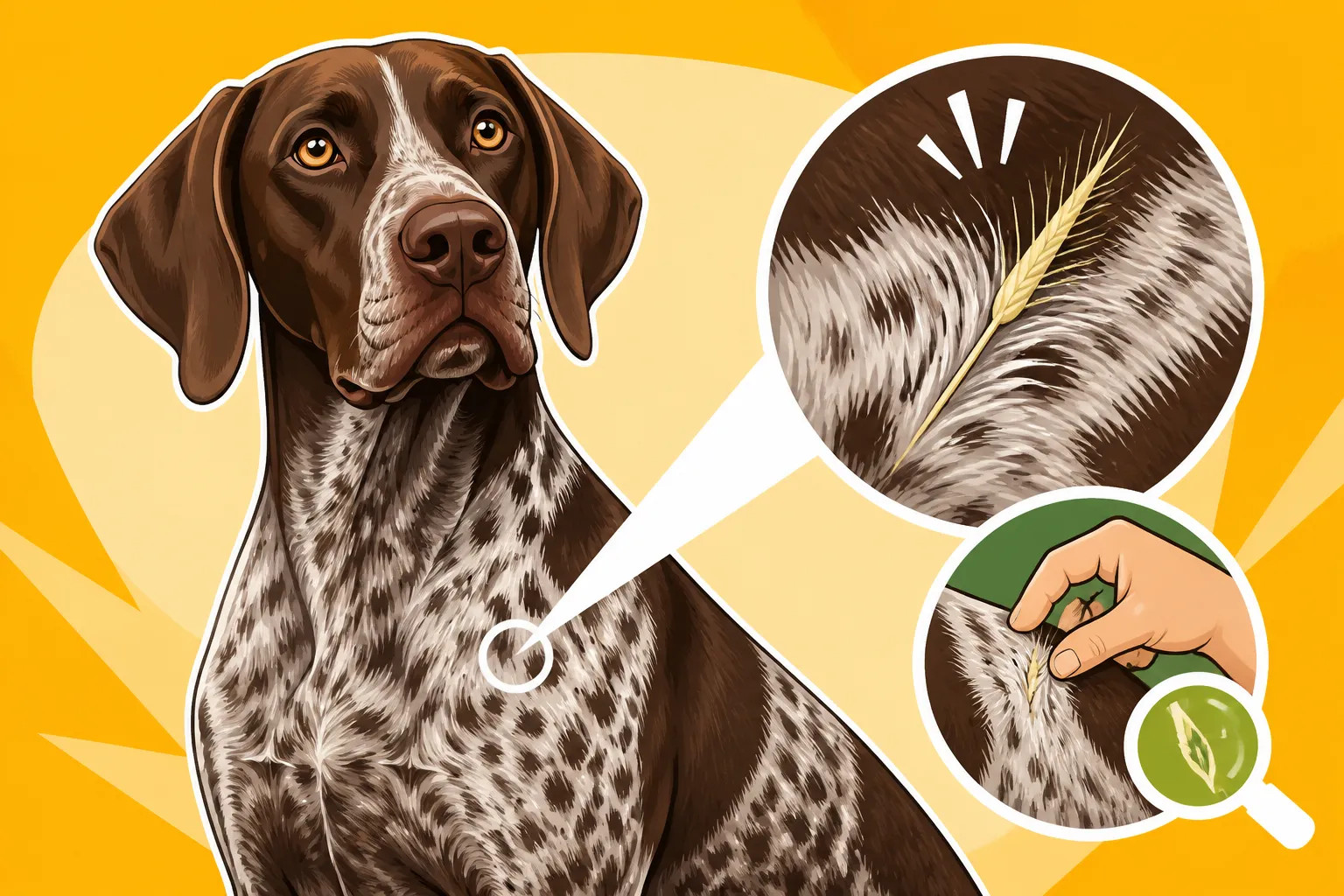
Imagine a tiny, barbed spear. That's essentially what a grass awn is. These are the seed heads of certain types of grasses, particularly those found in dry, wild areas. They are designed by nature to stick to animal fur, allowing the plant to spread its seeds far and wide. The problem is, they don't just stick; they migrate. Each awn typically has a pointed end and microscopic barbs that act like tiny hooks, allowing it to move forward with friction but preventing it from backing out. Think of it like a one-way street for a tiny, vegetable-based dart.
For a German Shorthaired Pointer, with their short, dense coat and incredible drive to explore every inch of cover, these awns are an ever-present danger. They're not just a summer problem, either; dry conditions in late spring, summer, and even fall can create prime conditions for these seeds to break off their stalks and become mobile hazards. We're talking about everything from the common foxtail to wild barley and other similar grasses that just love to hitch a ride.
Why They're Especially Dangerous for German Shorthaired Pointers
Our Shorthairs are built for action. They are powerful, athletic dogs with an insatiable desire to run, jump, and crash through cover. This incredible drive, while perfect for the field, also puts them directly in the path of grass awns. Their short, sleek coat, while generally low-maintenance, doesn't offer the same kind of protective barrier that a longer, denser coat might. This means awns can quickly make contact with the skin and start their insidious journey.
Furthermore, a German Shorthaired Pointer's natural curiosity and hunting instincts mean they're often sticking their noses into dense undergrowth, diving into tall grasses, and often getting their heads and ears down low to the ground. This behavior makes them highly susceptible to awns embedding in sensitive areas like the ears, nostrils, and eyes. The sheer speed and vigor with which a Shorthair moves also means that an awn can be propelled deep into the coat, or even directly into an orifice, before you even realize it's there. This isn't a problem of poor grooming; it's an inherent risk of having an active, field-loving breed. Foxtails and Grass Awns in a Hunting Shorthair covers some of these specific dangers.
Common Hiding Spots and Symptoms of Embedded Awns
Knowing where grass awns typically hide and what signs to look for is your first line of defense. Because these seeds migrate, a mild irritation can quickly escalate into a serious infection or even internal damage if an awn isn't found and removed promptly.
Ears, Eyes, and Nose: The Prime Entry Points
These are the absolute danger zones for your German Shorthaired Pointer.
- Ears: Awns love to burrow into the ear canal. Your Shorthair's floppy ears might offer a bit of initial protection, but they also create a warm, dark, and enclosed space once an awn gets past the initial barrier. If you notice your dog shaking their head violently, pawing at an ear, tilting their head, or showing signs of pain when you touch their ear, an awn is a strong suspect. Early detection is key here; an awn can quickly travel deep, perforating the eardrum or causing severe infection. Sometimes, the first sign is a sudden onset of what looks like a painful ear infection that doesn't respond to typical ear drops. A Shorthair's Ear Infection That Returns Every Duck Season discusses related issues.
- Eyes: Nothing strikes fear into a dog owner like an eye injury. Awns can get lodged under the eyelids or directly on the surface of the eyeball. Symptoms include excessive tearing, squinting, redness, pawing at the face, and holding the eye shut. An embedded awn can scratch the cornea, leading to ulcers, infection, and potentially permanent vision damage. This is an absolute emergency and requires immediate veterinary attention.
- Nose: Another common entry point for inquisitive noses. If your Shorthair is suddenly sneezing violently, pawing at their nose, or experiences bleeding from one nostril, an awn could have been inhaled. These can travel deep into the nasal passages and even into the lungs, leading to severe respiratory issues like pneumonia. This is another situation where a vet visit is crucial.
Paws and Skin: The Buried Threat
While less immediately life-threatening than internal migrations, awns in the paws and skin are still incredibly painful and can lead to significant problems.
- Between the Toes and in Paw Pads: This is probably the most common spot for field dogs. As your Shorthair runs, these seeds can wedge themselves between their toes or penetrate the paw pads. Look for excessive licking, limping, swelling, redness, or a small draining sore that might look like an abscess. The awn can travel up the leg, causing a track or tunnel under the skin. It’s a classic scenario: a dog comes in with a swollen paw, and after examination, the vet finds a grass awn causing the issue. This is why thorough Checking a German Shorthaired Pointer Over After a Hunt is non-negotiable.
- Anywhere on the Body: Awns can latch onto any part of the coat and work their way into the skin. Common areas include the armpits, groin, flanks, and even under the collar. You might feel a small lump, notice a draining tract, or your dog might lick or chew persistently at a specific spot. The unique structure of the Shorthair's coat means an awn might not be immediately obvious, making a full body inspection essential.
How to Find and Remove Grass Awns from Your Shorthair's Coat
Finding and removing grass awns takes diligence, a keen eye, and a systematic approach. This isn't a quick once-over; it's a thorough body inspection after every exposure to grassy areas.
The Post-Adventure Routine: A Full Body Sweep
Every single time your German Shorthaired Pointer has been out in tall grass, fields, or wild areas, you need to commit to a head-to-tail inspection. This isn't just a suggestion; it's a critical part of their care.
- Preparation: Gather your tools. You'll need a good light source (a headlamp works wonders), a fine-toothed comb, tweezers, and maybe a magnifying glass for really tiny or stubborn awns. A treat pouch filled with high-value rewards can make this a more pleasant experience for your dog. Consider setting up a designated "check-over" spot, perhaps on an elevated surface like a grooming table or sturdy bench, to save your back and give you better access. Chewy and Amazon offer a wide range of grooming tools perfect for this.
- Start from the Head: Begin at the nose and eyes. Gently lift eyelids, looking for any redness, irritation, or visible foreign bodies. Check inside the nostrils carefully, looking for anything lodged. Move to the ears; gently fold them back and visually inspect the entire ear flap, then gently pull it up to examine the ear canal as far as you can see. Use a cotton ball or soft cloth to clean any visible debris.
- Work Down the Body: Systematically run your hands over your dog's entire body, feeling for any lumps, bumps, or tender spots. Pay special attention to the areas where awns commonly lodge: armpits, groin, and flanks. The short, dense coat of a Shorthair can be deceptive, so really feel for anything that doesn't belong.
- Thorough Paw Inspection: This is crucial. Spread each toe wide and meticulously inspect the webbing between them. Look at the top and bottom of the paw, and check between the pads. Feel for any swelling or heat. If you find anything, try to remove it gently with tweezers. If it's embedded or the skin is broken, it's time for the vet. A Foxtail Lodged in a Shorthair's Paw offers more specific advice.
- Tail and Underside: Don't forget the tail and the underside of your Shorthair, especially if they've been sitting or lying down in the grass. Awns can easily catch and work their way into these areas.
When to Seek Veterinary Help
It's tempting to try and remove every awn yourself, but knowing when to call the vet is paramount.
- Deeply Embedded Awns: If an awn is already embedded and doesn't easily pull out, or if you can only see a small part of it, do not attempt to dig it out. You risk pushing it deeper or leaving fragments behind, which can cause ongoing irritation and infection.
- Awns in Sensitive Areas: Any awn in the eye, deep in the ear canal, or up the nose absolutely requires professional attention. These areas are delicate, and attempting removal yourself can cause more harm than good.
- Signs of Infection or Migration: If you notice swelling, redness, discharge, limping, violent head shaking, persistent sneezing, or any unusual behavior after finding an awn or suspecting one, it's time for the vet. These are all signs that the awn has likely already migrated and is causing a significant problem. In some cases, veterinarians may use specialized tools, flushing, or even sedation to safely locate and remove these troublesome seeds. For serious cases, you might be looking at Chest Surgery Prices When a Shorthair Inhales an Awn.
Prevention and Long-Term Strategies
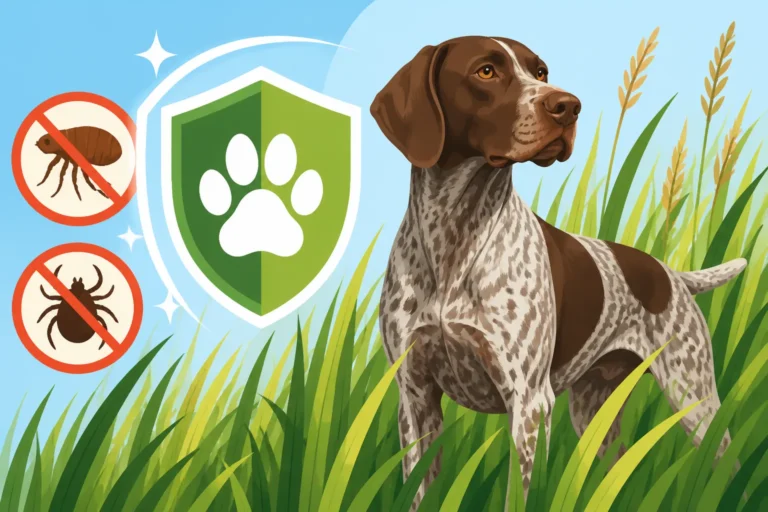
While you can't eliminate all risk, you can significantly reduce the chances of your German Shorthaired Pointer suffering from grass awn injuries through careful management and preventative measures.
Mowing, Grooming, and Protective Gear
Proactive measures around your property and before heading out can make a big difference.
- Manage Your Environment: If you have a yard, keep the grass mowed short, especially in areas where certain types of awn-producing grasses might grow. This reduces the number of seeds available to attach to your dog. Be mindful of areas outside your home too; avoid walking your Shorthair in fields of dry, tall grasses whenever possible. When out hunting or training, try to stick to paths and known-clear areas.
- Regular Grooming Checks: Even though Shorthairs have short coats, a quick once-over with a fine-toothed comb can dislodge loose awns before they have a chance to embed. This is a daily ritual for many working dog owners. While your dog might not need a lot of bathing, a thorough brush and check are essential. You can find excellent grooming mitts and combs on Chewy or Amazon.
- Protective Gear: For dogs that spend extensive time in heavy cover, consider protective gear. Lightweight dog boots can offer a barrier against awns penetrating paw pads, though getting a Shorthair to tolerate boots can take some training. Some owners also use protective vests for deep cover work, which can help prevent awns from sticking to the chest and belly. These items are readily available through online retailers.
Training for Safer Field Work
Good training can also play a role in reducing risk, even if it won't eliminate the danger entirely.
- Recall and Handling: A strong recall is always vital, but especially so if you need to call your Shorthair away from a patch of particularly hazardous looking grass. Training your dog to quarter in a more controlled manner, rather than simply busting through dense cover blindly, can also help. Whistle Commands a Shorthair Should Know and Recall on a German Shorthaired Pointer That Is Locked On are excellent resources for honing these skills.
- Conditioning for Inspection: Get your Shorthair used to being handled and inspected from a young age. Make paw checks, ear inspections, and full-body sweeps a positive experience with lots of praise and treats. This will make your post-hunt routine much smoother and less stressful for both of you, making it easier to catch any unwelcome hitchhikers.
By being vigilant and incorporating these preventative steps into your routine, you can help protect your German Shorthaired Pointer from the real dangers of grass awns, allowing them to continue enjoying the fields and open spaces they love so much.
Recognizing Symptoms and When to Act
It’s easy to dismiss a minor lick or a quick head shake, but with grass awns, these small cues can be the tip of a very dangerous iceberg. Your GSP is a stoic breed, often pushing through discomfort, especially when driven by their instincts. That’s why you need to be extra attuned to subtle changes in their behavior.
Subtle Signs to Never Ignore
Sometimes, an awn isn't causing obvious limping or violent shaking, but rather a persistent, low-level irritation.
- Persistent Licking or Chewing: If your Shorthair is repeatedly licking or chewing at a particular spot on their paw, flank, or anywhere else on their body, even if you don't see anything on the surface, an awn could be working its way in. It might just feel itchy or slightly irritating at first.
- Head Tilting or Ear Scratching: Beyond aggressive head shaking, a subtle head tilt or a frequent, seemingly casual scratch behind the ear could indicate an awn has entered the ear canal. The discomfort might not be extreme enough for frantic behavior initially, but it's a persistent nuisance they can't relieve themselves. Drying a Shorthair's Ears After Every Swim is a good article to review, as moisture can exacerbate issues.
- Unusual Sneezing or Snorting: A sudden increase in sneezing, snorting, or reverse sneezing, especially after a run through tall grass, should trigger an immediate investigation of the nose. Even if nothing is visible, an awn could be causing irritation higher up in the nasal passages.
- Reluctance to Be Touched: If your otherwise affectionate Shorthair flinches or pulls away when you touch a specific area, that tenderness could be due to a hidden awn. This might be the only sign if the awn has embedded deeply and created an inflammatory response.
The Urgency of Veterinary Intervention
It’s important to reiterate that while you can, and should, perform diligent checks, an embedded grass awn is usually not a DIY problem. The barbs mean it won't work its way out naturally, and trying to dig it out at home often causes more harm.
| Area of Concern | Initial Signs to Look For | When to Call the Vet Immediately | Potential Consequences (if untreated) |
|---|---|---|---|
| Ears | Head shaking, pawing, tilting, redness | Deep lodging, pain, unusual discharge | Eardrum perforation, deep infection |
| Eyes | Squinting, excessive tearing, redness | Any visible awn, severe irritation, pain | Corneal ulcer, vision damage, blindness |
| Nose | Violent sneezing, snorting, pawing, nosebleeds | Persistent symptoms, visible awn | Respiratory infection, lung abscess |
| Paws | Limping, licking, swelling, tenderness | Visible entry wound, deep swelling, pus | Abscesses, tracking up leg, systemic infection |
| Skin/Coat | Licking, chewing, small lump/sore spot | Swelling, draining tract, persistent pain | Abscess, internal migration, organ damage |
If an awn has managed to migrate, it becomes a much more complex and potentially life-threatening situation. I’ve known of cases where awns have traveled through tissue to lodge in lungs, spinal cords, or even the brain, causing debilitating infections and requiring intricate surgeries. This is not a common occurrence, but it highlights just how serious these tiny plant parts can become. Being aware of The Vet Schedule a Working Shorthair Should Keep can help ensure your vet is familiar with your dog’s history and routine, making early diagnosis and treatment more streamlined.
Prevention is truly your best friend here. A thorough check after every outing, a strong relationship with your veterinarian, and a keen eye for subtle changes in your Shorthair's behavior are your best defenses against this silent and persistent threat. The investment in time and attention will pay off immeasurably in your dog's health and comfort, allowing your German Shorthaired Pointer to live out The Twelve to Fourteen Years a German Shorthaired Pointer Gets in health and happiness.
Disclaimer
This article is for general informational purposes only and does not constitute professional advice. Laws, prices and regulations vary by location and change over time. Consult a qualified professional for guidance on your specific situation.