Pulling Burrs Out of a Shorthair’s Ears
Oh, the joys of a German Shorthaired Pointer who just loves to dive headfirst into every bit of brush, only to emerge looking like a walking pincushion, especially around those soft, floppy ears! It's a common battle for us Shorthair owners, a frustrating dance of trying to get those prickly little hitchhikers out without hurting our sensitive companions. If you've ever wrestled with a squirming GSP, a tiny burr tucked stubbornly behind their ear leather, you know exactly the struggle. This guide is here to walk you through safely and effectively pulling those pesky burrs out of your Shorthair's ears, and hopefully, give you some tips to prevent them in the first place.
Why German Shorthaired Pointers Get So Many Burrs in Their Ears
Let's be honest, it's a GSP thing, isn't it? Their boundless energy and insatiable desire to explore every thicket and field means they're practically magnets for burrs. It’s not just bad luck; it’s a combination of their breed characteristics and their very nature as enthusiastic hunting dogs. Understanding why they're so susceptible can help us be more vigilant.
The Anatomy of a Shorthair's Ear and Burrs
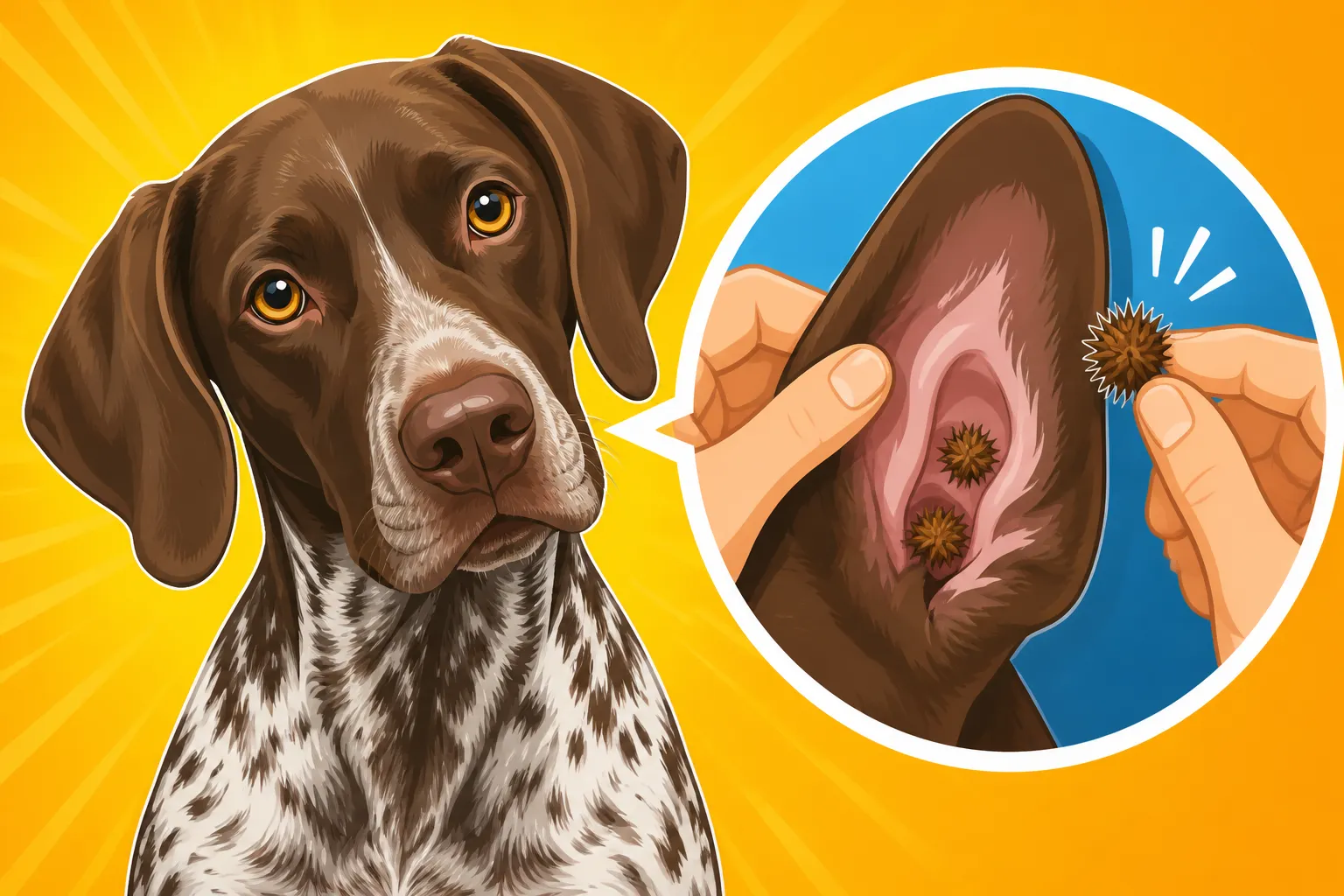
A German Shorthaired Pointer’s ears are wonderfully soft and pendulous, hanging down and framing their expressive faces. While beautiful, this ear structure, often referred to as "drop ears" or "pendulous ears," means they drag through everything. As your Shorthair quarters through tall grass, scrambles through brush, or even just bounces through a field, those ears act like natural brooms, sweeping up all sorts of debris. The delicate skin on the inside and underside of their ears, coupled with the fine hair, provides a perfect gripping surface for burrs. Unlike dogs with prick ears, which might snag a burr on the outer edge, a Shorthair's ear can cup around a burr, trapping it close to the head or even deeper inside the ear flap.
The folds and crevices within the ear structure, especially around the ear canal opening, are prime hiding spots. A burr lodged here isn't just irritating; it can quickly lead to painful inflammation, skin abrasions, or even become a breeding ground for bacteria if not removed promptly. The warmth and moisture in the ear canal create an ideal environment for problems to escalate if a foreign object, like a burr, is introduced. Checking those ears is paramount after every outdoor excursion, even if it feels like you just did it five minutes ago. What Collects in a Shorthair's Folded Ear can give you even more insight into what can get trapped in there.
The Types of Burrs and Seeds to Watch Out For
Not all burrs are created equal, and some are far more nefarious than others. It's a good idea to know your enemy, so to speak, especially when dealing with a dog that spends so much time in nature.
- Cockleburs: These are probably the most common culprits. They're typically round or oval, covered in stiff, hooked spines. While annoying, they usually don't penetrate the skin easily but can form dense clumps that are a nightmare to comb out. They tend to cling tenaciously to fur.
- Burdock Burrs: Similar to cockleburs but often smaller and more numerous, these sticky little balls can weave themselves into a dense mat, particularly in the fine hair behind and under the ear. They're like nature's Velcro, designed to travel on fur.
- Foxtails (Grass Awns): Now, these are the real menace. Foxtails aren't true burrs, but they are barbed seed heads from certain grasses that can migrate. Unlike burrs that just cling, foxtails are designed to burrow forward. If they get into the ear canal, they can cause serious damage, including perforating the eardrum or migrating into the soft tissues of the head. These demand immediate and careful attention, often from a vet. Foxtails and Grass Awns in a Hunting Shorthair delves deeper into just how dangerous these can be for your active dog.
- Sand Burrs: Found in sandy regions, these small, spiky balls are incredibly sharp and painful. They can prick the skin, causing irritation and tiny puncture wounds.
Knowing the difference can help you gauge the urgency and approach for removal. Always assume the worst if you're unsure, especially if your GSP seems particularly uncomfortable or is shaking their head excessively.
Step-by-Step Guide to Safe Burr Removal
Facing a burr-laden German Shorthaired Pointer can feel overwhelming, but with the right approach and a calm demeanor, you can get those prickly invaders out without turning it into a wrestling match. Patience is your best tool here, alongside a few actual ones.
Gathering Your Tools and Creating a Calm Environment
Before you even touch your dog, set yourself up for success. Trying to fumble for tools while holding a squirming GSP is a recipe for frustration and potential injury for both of you.
Here’s a quick checklist for your burr removal kit:
| Tool/Item | Purpose | Notes |
|---|---|---|
| Good Lighting | Essential for seeing small, hidden burrs and delicate skin. | A headlamp or a bright task light can be incredibly helpful. |
| Fine-toothed Comb | For working out smaller clumps and loose fur. | A flea comb or a sturdy metal greyhound comb works wonders for small burrs. |
| Blunt-tipped Tweezers | For grabbing stubborn burrs close to the skin. | Look for ones with a good grip, often available on Chewy or Amazon. Never use sharp tweezers that could pinch the skin. |
| Pet-safe Mineral Oil | Helps loosen burrs by lubricating the fur. | Baby oil, vegetable oil, or a specialized detangling spray can work. |
| Old Towel/Blanket | For wrapping your dog, especially if they're squirmy. | This acts as a gentle restraint and keeps them from wiggling too much. |
| High-value Treats | Distraction and reward are key for cooperation. | Think cheese, cooked meat, or a favorite chewy snack. Ollie is a popular brand for high-quality, palatable dog treats. |
| Calm Voice | Reassurance for your dog (and yourself!). | Keep your tone soothing and encouraging throughout the process. |
| Glove (Optional) | If you're squeamish or want better grip. | Some people find latex or nitrile gloves helpful. |
Next, create a calm environment. Find a quiet spot away from distractions. Lay down the towel or blanket. If your GSP is anxious, a little soothing talk, a favorite toy, or even a short play session beforehand to burn off some initial jitters can help. For deeply embedded or numerous burrs, especially if your dog is already uncomfortable, consider having a second person present to gently hold and distract them.
The Removal Process
Now for the main event. Remember, slow and steady wins the race. Rushing will only make things worse.
- Assess the Situation: Gently part the hair around the ear and identify where the burrs are concentrated. Notice if any are very close to the skin or seem embedded. If you see any signs of a foxtail potentially migrating into the ear canal, or if the ear is already red, swollen, or painful, stop and call your vet immediately. Don't try to dig deep into the ear canal yourself.
- Start with the Easiest Burrs: Begin with the burrs that are most accessible and least likely to cause pain. Use your fingers to gently pull them out of the surrounding fur.
- For Stubborn Burrs: If a burr is really clinging, apply a tiny drop of mineral oil or detangling spray directly onto the burr and the fur around it. Let it sit for a minute or two. The oil helps to lubricate the burr's hooks, making them slide out of the fur more easily.
- Comb and Tweeze:
- Combing: Use your fine-toothed comb to gently work through the fur, starting from below the burr and slowly working your way up. This helps to loosen the surrounding hair. For very matted burrs, you might need to work from the outside edges of the mat inwards.
- Tweezing: For burrs that are stuck fast, use your blunt-tipped tweezers to carefully grasp the burr itself, as close to the fur as possible, and pull it out with a gentle, steady motion. Always pull in the direction of hair growth to minimize discomfort. Be extremely careful not to pinch your dog's delicate ear skin. If the burr is large, you might need to break it into smaller pieces with your tweezers to remove it more easily, though this depends on the type of burr.
- Dealing with Matted Fur: Sometimes burrs create tight mats of fur. If you can't comb them out, you might need to carefully trim the matted section using blunt-nosed scissors. Always point the scissors away from the skin and place your fingers between the mat and the skin to prevent accidental cuts. When in doubt, leave a tricky mat for a professional groomer or vet.
- Praise and Reward: Throughout the process, keep offering praise and small treats. This positive reinforcement makes the experience less stressful for your German Shorthaired Pointer and teaches them to tolerate handling. A tasty bite of a soft treat from a brand like Ollie after each successful burr removal can go a long way.
Post-Removal Care and Inspection
You've removed the burrs, but the job isn't quite done. A thorough check and a little aftercare are essential to prevent any secondary problems.
- Thorough Inspection: Once you think you’ve got all the visible burrs, do another full inspection of both ears, inside and out. Run your fingers over the ear leather, feeling for any small, missed burrs or any irritation. Check for Grass Awns in a Shorthair's Coat and How to Find Them in other areas too. Look closely at the skin for any redness, scratches, or swelling.
- Soothe the Skin: If you notice any minor redness or irritation from the burrs or the removal process, you can gently apply a pet-safe soothing balm or a thin layer of aloe vera gel (ensure it’s pure aloe vera and safe for dogs). Avoid anything with perfumes or harsh chemicals.
- Monitor for Infection: Keep an eye on your Shorthair's ears for the next few days. Watch for signs of infection such as continued head shaking, scratching at the ears, redness, swelling, discharge, or a foul odor. If you notice any of these, it's time for a vet visit. The Smell That Means a Shorthair's Ear Is Infected can offer more clues. Even after diligent removal, sometimes an unseen fragment can lead to problems.
- Reward One Last Time: Finish with a big reward and lots of praise. Your GSP might not love the process, but they'll appreciate your gentle touch and the resulting relief. This positive association helps build trust for future grooming sessions.
Preventing Future Burr Infestations
While it's impossible to completely burr-proof an adventurous German Shorthaired Pointer, there are definitely steps you can take to minimize their exposure and make future removals much easier. Proactive care is always better than reactive scrambling.
Protective Gear and Coat Management
Thinking ahead about where your GSP will be romping can make a big difference. Their short, dense coat is generally low maintenance, but it still collects debris.
- Ear Covers/Snoods: For GSPs that are frequently in heavy cover, especially during hunting season, investing in a dog snood or ear covers can be incredibly effective. These are lightweight fabric sleeves that slip over their head and cover their ears, preventing burrs from clinging to the sensitive ear leather. You can find these at specialty pet stores or online retailers like Chewy or Amazon. Make sure it's comfortable and doesn't restrict their hearing or vision.
- Protective Vests: While primarily for body protection, some vests offer coverage around the chest and neck area, which can also help reduce burr collection in those areas. Vests and Boots for a Hunting German Shorthaired Pointer offers more details on these useful pieces of gear.
- Regular Grooming and Brushing: Even though Shorthairs have short hair, a quick brush down after an outdoor adventure, especially around the ears, legs, and belly, can dislodge many burrs before they have a chance to embed or mat. While it might seem like Whether a Shorthair's Coat Needs Brushing at All is a valid question given their short fur, a soft slicker or rubber curry brush can still do wonders for removing loose debris and checking for unwanted hitchhikers. This quick routine helps you find burrs while they're still easy to remove.
Regular Inspections and Grooming Routine
Consistency is key when it comes to keeping your GSP free of burrs and other irritants. Make checking their ears and coat a non-negotiable part of your post-adventure routine.
- The "Once Over": After every walk, hike, or hunt, perform a full-body inspection. Start with the head and ears, paying close attention to the folds and the area behind the ear flaps. Work your way down their body, checking legs, paws (especially between the toes), and belly. Checking a German Shorthaired Pointer Over After a Hunt is a crucial practice. This routine often reveals not just burrs, but also ticks, scratches, or other minor injuries you might otherwise miss.
- Drying Ears After Water Work: If your GSP loves to swim, which many do, wet ears are even more prone to trapping debris and can also lead to infections. Always make sure to thoroughly dry their ears after a swim to reduce moisture and to get a good look inside. Drying a Shorthair's Ears After Every Swim can save you a lot of trouble with ear infections down the line.
- Nail Trimming: While not directly related to burrs, keeping your GSP's nails trimmed is part of overall paw health, which can suffer if they are constantly scratching at burr-filled ears or digging at their skin. How Often a German Shorthaired Pointer's Nails Need Trimming is a good guide for this aspect of care.
Environmental Awareness
Sometimes, the best prevention is avoidance. Knowing where burrs thrive allows you to make informed decisions about where you let your German Shorthaired Pointer run wild.
- Identify Problem Areas: Take note of fields or trails that are notorious for burrs. Many types of burr-producing plants thrive in disturbed soils, along fence lines, and at the edges of woodlands. If you know a particular area is heavily infested, consider finding an alternative route for that day, or at least be extra prepared for a thorough grooming session afterward.
- Avoid Tall, Dry Grass: Burrs are most prevalent in tall, dry grassy areas, especially late in the season. If you can, steer your dog clear of these areas, or keep them on a shorter lead when passing through.
- Post-Hunt Checkpoints: If you're hunting, designate a "checkpoint" area, perhaps by your truck or at the edge of the field, where you stop and give your dog a quick once-over before heading home. This can help prevent transferring burrs into your vehicle and home.
- Consider Professional Grooming: For particularly sensitive dogs or those with a heavy burr load, a professional groomer can sometimes assist with removal, especially for matted areas. They have specialized tools and experience that can make the process less stressful for your GSP. Regular vet check-ups are also crucial to discuss any persistent skin or ear issues, which might be exacerbated by burrs or even indicate Environmental Allergies in a Shorthair That Works Cover. The Vet Schedule a Working Shorthair Should Keep can help you plan these essential visits.
By combining careful removal techniques with proactive prevention, you can keep your German Shorthaired Pointer's ears healthy and happy, allowing them to enjoy their outdoor adventures without the painful aftermath of burr infestations.
Disclaimer
This article is for general informational purposes only and does not constitute professional advice. Laws, prices and regulations vary by location and change over time. Consult a qualified professional for guidance on your specific situation.