Vests and Boots for a Hunting German Shorthaired Pointer
Hunting with a German Shorthaired Pointer is an absolute joy, a testament to their incredible drive and athleticism in the field. But any seasoned owner knows the constant worry that accompanies their relentless pursuit through tough cover, icy water, and unforgiving terrain. Their naturally lean build and short coat, while efficient for movement, leaves them vulnerable to painful cuts, abrasions, and extreme weather. This guide will walk you through the world of hunting vests and boots, helping you understand why these pieces of gear are not just accessories, but essential investments to keep your beloved GSP safe, comfortable, and hunting strong for many seasons to come.
The Unseen Hazards: Why Protective Gear Isn't Optional for a German Shorthaired Pointer
You've spent countless hours training, conditioning, and bonding with your German Shorthaired Pointer, building that incredible partnership that shines in the field. Yet, even the most well-trained dog faces a gauntlet of potential injuries every time they plunge into a thorny thicket or scramble over a rock pile. It's easy to overlook the myriad of minor – and sometimes major – dangers lurking in prime hunting spots, especially when your dog is so focused on the scent cone.
Protecting Against Cuts, Scrapes, and Punctures
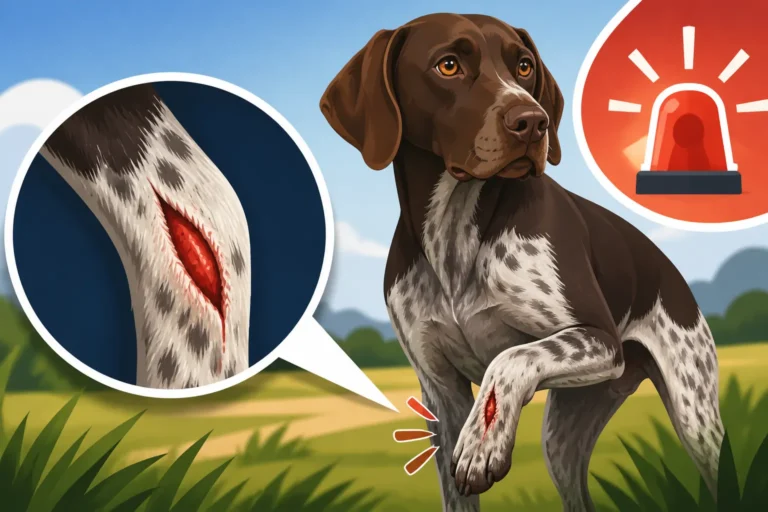
Imagine your GSP, a blur of motion, crashing through a dense stand of multiflora rose or a field choked with barbed wire remnants. Their short, dense coat offers some minimal protection, but it's no match for sharp thorns, broken branches, or jagged rocks. Field injuries a hunting German Shorthaired Pointer comes home with are all too common. We're talking about deep lacerations to the chest and flanks, punctures from sharp sticks, and nasty scrapes that can easily become infected. These aren't just superficial wounds; they can lead to painful recovery periods, costly vet visits, and potentially sideline your dog for weeks or even an entire season.
The frustration is real when you pull your dog out of the truck at the end of a long day and find a fresh tear running down their side. It's a stark reminder that their enthusiasm often outweighs their self-preservation instincts. A good vest can deflect many of these hazards, acting as a crucial barrier between the elements and your dog's delicate skin and muscle. It's about proactive prevention, giving you peace of mind and allowing your dog to hunt more confidently without you constantly worrying about their safety.
Shielding from Extreme Temperatures and Weather
German Shorthaired Pointers are, by nature, high-energy dogs, and their thin coats, while great for dissipating heat during strenuous activity, offer very little insulation against the biting cold or icy water. Hunting often takes us out in conditions that push the limits, from early season hunts where the ground is still hot, to late-season excursions where snow and freezing rain are the norm. The temperature a German Shorthaired Pointer should not hunt in is often lower than what their drive tells them, making external protection critical.
Think about retrieving ducks from an icy pond. Your dog dives in, their body temperature drops rapidly, and without a protective layer, they're at significant risk of hypothermia, or even a painful condition like cold water tail in a German Shorthaired Pointer. Conversely, on a hot, early autumn day, an unventilated vest could lead to overheating. The right gear isn't just about stopping cuts; it’s about regulating their core temperature, preventing both frostbite and heatstroke, and ensuring they can perform optimally without suffering undue stress from the environment.
Decoding Hunting Vests: Protection for the Body
When it comes to vests for your German Shorthaired Pointer, you'll find a surprising array of options, each designed with specific conditions and purposes in mind. It's not a one-size-fits-all world, and understanding the differences can save your dog a lot of discomfort and injury.
Neoprene Vests for Waterfowl and Cold Weather
Neoprene vests are often the first thing that comes to mind for waterfowlers, and for good reason. Just like wetsuits for humans, neoprene provides excellent insulation, trapping a thin layer of water against the dog's body which then warms up, keeping them snug even in frigid waters. These vests are invaluable for a GSP that’s constantly plunging into icy ponds or retrieving from frigid rivers. They drastically reduce the risk of hypothermia, allowing your dog to focus on the retrieve rather than shivering.
Beyond insulation, neoprene also offers a good degree of buoyancy, which can be a huge benefit for a dog tiring during long retrieves in strong currents. The material is also surprisingly tough, offering decent protection against submerged debris or sharp ice edges. When you're looking at fitting a neoprene vest on a German Shorthaired Pointer, you want it to be snug but not restrictive, allowing full range of motion while minimizing water ingress. Many models come with adjustable straps and often feature a handle on the back, which is incredibly handy for lifting your dog back into a boat or over obstacles, and some even incorporate blaze orange panels for visibility.
Cordura and Canvas Vests for Upland and Brush Protection
For upland hunting, where your GSP is tearing through dense fields of briars, multiflora rose, and heavy brush, a neoprene vest can be too hot and cumbersome. This is where cordura or heavy canvas vests shine. These materials are incredibly durable and abrasion-resistant, acting as a tough shield against the scrapes and punctures that are inevitable in thick cover. Imagine your dog busting through a thorny blackberry patch; a good cordura vest will take the brunt of the abuse, protecting their chest and belly, areas notoriously prone to injury.
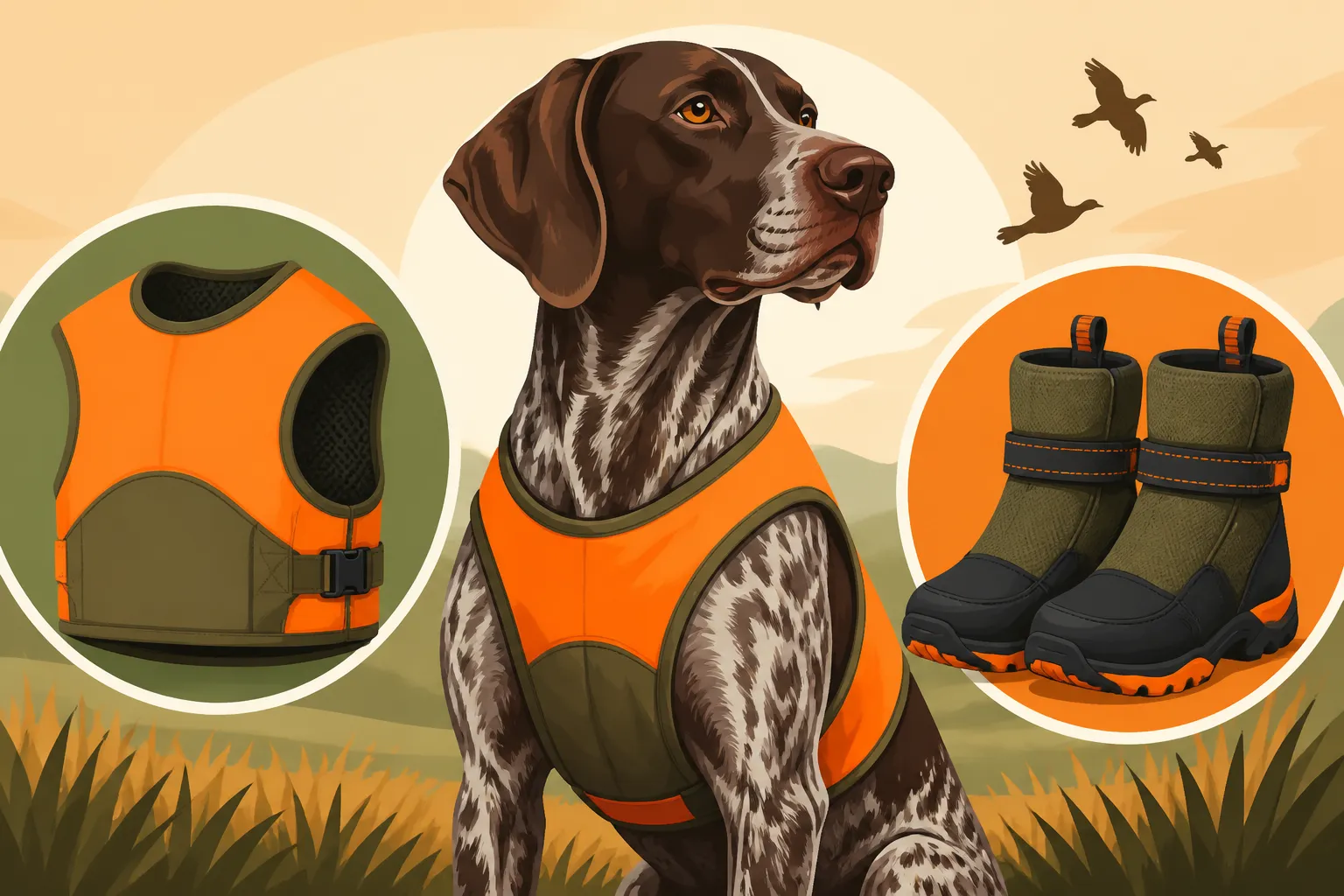
These vests are typically designed to be lighter and more breathable than neoprene, preventing overheating during high-energy runs in milder weather. Many feature high-visibility blaze orange panels, which are crucial for safety when hunting with other people or in areas where your dog might be out of sight in tall grass. They protect against torn dewclaws on a hunting Shorthair, which can easily happen when these dogs are moving at speed through heavy cover, as well as shielding against painful belly scrapes. Some come with reinforced chest plates for extra protection, which is a blessing if your GSP is particularly prone to diving headfirst into dense cover.
High-Visibility and GPS Compatible Vests
Safety is paramount in the field, and a high-visibility vest is a non-negotiable item, especially during deer season or when hunting in areas with heavy hunting pressure. These vests are typically made from bright blaze orange or neon yellow material, making your German Shorthaired Pointer much easier to spot, even at a distance or in dappled light. They help prevent tragic accidents, ensuring your dog isn't mistaken for game by another hunter.
Many modern vests also integrate features designed to work with GPS tracking collars. They might have a dedicated pocket or loop for the tracking device, ensuring it stays securely in place and doesn't interfere with your dog's movement. This is invaluable when your GSP is ranging wide, giving you peace of mind that you can always locate them. Brands you might look for at retailers like Chewy often offer a range of these specialized vests, complete with reflective strips for low-light conditions and various attachment points for whistles or training leads.
| Vest Type | Primary Use | Key Benefits | Considerations |
|---|---|---|---|
| Neoprene Vest | Waterfowl, Cold Weather | Insulation, Buoyancy, Abrasion Protection | Can cause overheating in warm weather, snug fit crucial |
| Cordura/Canvas Vest | Upland, Heavy Brush, General Field | Puncture/Abrasion Resistance, Lighter, Breathable | Less insulation, not ideal for very cold water |
| High-Vis Vest | Safety, Any Hunting Scenario | High Visibility (Blaze Orange), Reflective | Offers less physical protection than other types |
| GPS-Compatible Vest | Wide-ranging Dogs, Tracking Safety | Secure GPS device integration, High Visibility | May combine with other features, check fit with device |
Understanding German Shorthaired Pointer Hunting Boots: Guarding Their Paws
A German Shorthaired Pointer's paws are their primary interface with the hunting world, their tireless engines that carry them for miles. But those tough-looking pads are surprisingly susceptible to injury, and a single cut or abrasion can end a hunt – or even a season. Boots for a Shorthair on rock and stubble are not just a luxury; they are often a necessity.
When and Why Your Shorthair Needs Boots
The decision to use boots for your German Shorthaired Pointer isn't always clear-cut. Many owners prefer their dogs to run "barefoot" for maximum traction and natural feel. However, there are specific situations where dog boots become invaluable. Think about hunting on abrasive surfaces like volcanic rock, sharp gravel, or frozen, crusty snow. These conditions can quickly wear down or even tear a dog's pads, leading to painful lameness. Early season hunts, especially in arid regions, can mean scorching ground temperatures that can literally burn paw pads.
Conversely, late-season hunts in freezing temperatures can lead to ice balls forming between toes or frostbite. Some dogs have particularly sensitive pads or are recovering from a previous paw injury, making boots a temporary or permanent solution. If you're wondering whether running a Shorthair puppy damages its joints, you also need to consider the impact on their still-developing paw pads when exposing them to harsh terrain. Regularly checking a German Shorthaired Pointer over after a hunt will reveal if their pads are consistently getting battered, signaling it might be time for boots.
Types of Materials and Fastenings
Dog boots come in a variety of materials, each offering different levels of protection and flexibility. You'll commonly see boots made from rugged nylon, cordura, or synthetic leather, often with rubberized soles for traction. Some high-end boots use materials like Vibram, which offers superior grip and durability, mimicking the soles of human hiking boots. For extreme conditions, some boots even feature insulated liners.
The fastening system is crucial for keeping boots on a German Shorthaired Pointer's active feet. Velcro straps are the most common, often with multiple points of attachment to secure the boot above the paw and around the ankle. Some designs use elastic cuffs or drawstrings. The challenge is finding a boot that stays on through thick and thin, without rubbing or restricting movement. It's a fine balance, and you might need to try a few different brands or styles to find the perfect fit for your specific dog. Remember, a boot that slips off is useless, and one that rubs can cause more harm than good.
Training Your Shorthair to Accept Boots
Getting your German Shorthaired Pointer to wear boots without looking like they're walking on hot coals can be a process. Most dogs find the sensation highly unusual and will initially try to shake or chew them off. Patience and positive reinforcement are key here. Start by introducing one boot at a time for very short periods, rewarding immediately with high-value treats and praise. Think about treating your dog to a delicious, fresh food meal from a service like Ollie after a successful boot training session, associating the gear with something positive.
Gradually increase the number of boots and the duration they wear them. Walk them around the house, then in the yard, always keeping it positive and rewarding. Never force the boots or make the experience stressful, as this can create a negative association. Some owners find it helpful to put the boots on just before an exciting activity, like going for a walk or a short training session, so the dog associates the boots with fun. Consistency is your best friend when it comes to accustoming your Shorthair to protective paw wear.
Matching Gear to Terrain and Conditions
Choosing the right vest and boots for your German Shorthaired Pointer isn't just about grabbing the first thing you see. It's about a thoughtful assessment of where and when you'll be hunting. The varied demands of different hunting environments mean that a versatile Shorthair owner might need a few different gear combinations in their arsenal.
Upland vs. Waterfowl Hunting Demands
The distinction between upland and waterfowl hunting is perhaps the most critical factor in selecting gear. Upland hunting typically involves your GSP tearing through fields, woods, and dense brush, often on dry land. For this, protection against cuts, scrapes, and punctures is paramount. A durable cordura or canvas vest, possibly with added chest protection, and sturdy boots to prevent pad injuries from thorns, burrs, and sharp ground are ideal. These environments rarely demand significant insulation, so breathability is key to prevent your dog from overheating during intense activity. Remember, even with boots, you should always be checking a German Shorthaired Pointer over after a hunt for any signs of injury or foreign objects like foxtails.
Waterfowl hunting, on the other hand, presents an entirely different set of challenges. Your Shorthair will be exposed to cold water, icy shorelines, and often frigid air temperatures. Here, a neoprene vest is king, providing essential thermal insulation and buoyancy. While some waterfowlers might still use boots for protection against ice and sharp debris on shore, the primary concern is keeping the dog warm and preventing hypothermia. The ideal vest will be form-fitting to minimize water entry, yet allow for unrestricted swimming.
Adapting to Seasonal Changes and Extreme Weather
The calendar dictates another layer of gear consideration. Early season hunts in places like the Midwest often mean warm, even hot, temperatures in September, which can easily lead to heat stroke in an early season Shorthair. In these conditions, minimal, breathable protection that allows for maximum heat dissipation is crucial. A simple blaze orange vest for visibility might be sufficient, and boots would only be considered if ground temperatures are extremely high to prevent pad burns. Hydration and rest are far more important than heavy gear in these conditions.
As the season progresses into late fall and winter, the need for insulation increases dramatically. Sub-freezing temperatures, snow, and ice demand more substantial protection. A neoprene vest for water work or a well-insulated, water-resistant vest for dry land hunting becomes essential. Boots that offer both insulation and traction are a must-have for protecting against frostbite and slips on icy surfaces. Beyond the specific gear, remember that conditioning a Shorthair before opening day involves preparing them physically for the demands, but also having the right gear to protect them from the elements.
Importance of Proper Fit and Comfort
No matter the conditions, if the gear doesn't fit properly, it's either useless or, worse, detrimental. A vest that's too loose can snag on branches, restrict movement, or allow debris to get underneath, causing chafing. One that's too tight can impede breathing or circulation. Similarly, boots that are too large will twist and fall off, while those that are too small will pinch and rub, leading to sores. A good fit allows your GSP full range of motion, ensuring their performance isn't hampered.
Always take accurate measurements of your dog's chest circumference and paw dimensions. When trying on gear, observe your dog's movement. Do they walk naturally? Are there any signs of discomfort or rubbing? It's often helpful to introduce new gear slowly, starting with short wear times in a low-pressure environment. A comfortable dog is a confident dog, and confident dogs are safer and more effective in the field. When your dog is properly fitted and comfortable, they won't even notice the gear after a while, allowing them to focus on what they do best: finding birds.
Essential Care and Maintenance for Longevity
You've invested in quality protective gear for your German Shorthaired Pointer, and just like your own hunting equipment, it needs proper care to last. Neglecting your dog's vest and boots can lead to premature wear, reduced effectiveness, and even hygiene issues that could impact your dog's health.
Cleaning and Storage Best Practices
After every hunt, especially if your German Shorthaired Pointer has been in water or dense cover, take the time to clean their gear. Vests, whether neoprene or cordura, should be rinsed thoroughly to remove mud, burrs, debris, and any chemical residues they might have picked up. For neoprene, a mild soap and water solution can help remove odors and grime, followed by a good rinse. Cordura or canvas vests can often be hosed down and scrubbed with a brush. Always check the manufacturer's instructions for specific cleaning guidelines, as some materials might require special care.
Boots also need attention. Clean out any mud, sand, or debris from the interior and exterior. This is especially important for boots used in wet or icy conditions, as trapped moisture and grit can cause skin irritation or blisters. Allow both vests and boots to air dry completely before storing them. Hanging vests in a well-ventilated area is ideal. Boots should be kept in a dry place to prevent mildew and material degradation. Avoid direct sunlight for prolonged periods, as UV rays can break down materials over time. Proper storage not only extends the life of the gear but also ensures it's clean and ready for the next adventure, preventing issues like skin infections under a Shorthair's short coat.
Inspecting for Wear and Tear
Before and after each hunting trip, make it a habit to thoroughly inspect all your GSP's protective gear. Look for signs of wear and tear: frayed seams, stretched Velcro, holes or tears in the fabric, or thinning rubber soles on boots. Even small nicks can quickly become larger problems, compromising the gear's protective capabilities. Pay close attention to areas that experience high friction or stress, such as around the armpits of vests or the ankle straps of boots.
Replacing or repairing damaged gear promptly is crucial. A torn vest isn't providing full protection, and a boot with a compromised sole might lead to slips or further pad injuries. Sometimes, minor damage can be repaired with heavy-duty thread and a strong needle, but often, it's safer and more effective to replace items that are significantly worn out. Regular inspection isn't just about saving money; it's about ensuring your dog always has the best possible protection, preventing unnecessary visits to the vet and keeping them in the field where they belong.
Introducing and Fitting Vests and Boots to Your Shorthair
Even the most well-behaved German Shorthaired Pointer can be a bit of a drama queen when it comes to new apparel. Introducing vests and boots isn't always a straightforward process, but with the right approach, you can ensure your dog accepts their protective gear as just another part of their hunting routine.
Getting Measurements Right
Before you even think about buying, you need accurate measurements. For vests, you'll typically need your dog's chest circumference (measured just behind the front legs) and potentially their neck circumference and back length. Brands often have slightly different sizing charts, so always consult them. For boots, measure the length and width of their paw when they are standing and bearing weight. It's often helpful to trace their paw on a piece of paper. Remember that paw sizes can vary slightly between front and back feet, so measure all four.
Don't guess or rely on your dog's "usual" size in other garments. A vest or boots that are too big will slip, chafe, and offer poor protection, while those too small will be uncomfortable and restrict movement. It's often a good idea to buy from retailers like Chewy or other online pet supply stores with generous return policies, allowing you to try on a couple of sizes at home if needed. Getting the right fit from the start minimizes frustration for both you and your German Shorthaired Pointer.
The Gradual Introduction and Positive Reinforcement
Once you have the gear, don't just spring it on your dog right before a hunt. Start the introduction in a calm, familiar environment, like your home. Let your GSP sniff the vest and boots, offering treats and praise. Then, try putting on just one piece – maybe the vest first – for a few minutes. Reward heavily with treats, play, or even a short walk outside. The goal is to create a positive association. You want them to think, "Oh, gear means good things!"
Gradually increase the time they wear the gear and the number of pieces. Try a short walk around the block with the vest, then add the boots. If they start to object, take the gear off, offer a break, and try again later, or shorten the session. Never punish them for trying to remove the gear; it's a natural reaction. Patience is key. Remember that building a German Shorthaired Pointer's tolerance for being alone also applies to new experiences, like wearing gear. They need time to adjust.
Making Gear Part of the Routine
The ultimate goal is for your German Shorthaired Pointer to view their vest and boots as a normal part of the hunting preparation. Make putting on the gear part of your pre-hunt ritual, just like getting the shotgun out or loading the truck. Over time, they'll associate the gear with the excitement of going hunting, rather than seeing it as an annoying encumbrance. Ensure the gear is always clean and comfortable, without any lingering issues from the last outing.
Think of it this way: just as you put on your hunting clothes and boots, your GSP gets suited up too. This routine helps them mentally prepare for the hunt. For any hunting dog, the excitement of the field far outweighs the minor inconvenience of wearing a vest or boots once they are accustomed to them. This proactive approach ensures a safer, more comfortable, and ultimately more enjoyable hunting experience for both you and your dedicated German Shorthaired Pointer, helping prevent field injuries that could lead to unexpected costs even if you have pet insurance like Healthy Paws.
Disclaimer
This article is for general informational purposes only and does not constitute professional advice. Laws, prices and regulations vary by location and change over time. Consult a qualified professional for guidance on your specific situation.