What OFA Hip and Elbow Films Cost on a Shorthair
Bringing a German Shorthaired Pointer into your life is an incredible joy, but it's also a significant financial and emotional commitment, especially when it comes to their health. For anyone considering breeding their shorthair or simply wanting to be the most responsible owner possible, understanding the health screenings necessary, like OFA hip and elbow films, and what they entail financially, is absolutely crucial. This guide will walk you through the various costs associated with these vital screenings, helping you budget and prepare for this important step in your GSP's health journey.
Understanding OFA Hip and Elbow Dysplasia Screenings
Hip and elbow dysplasia are unfortunately common orthopedic conditions in many active, larger breeds, and our beloved German Shorthaired Pointers are no exception. These conditions involve abnormal development of the hip and elbow joints, respectively, leading to pain, arthritis, and reduced mobility over time. For a dog bred to run and hunt with such vigor, healthy joints are paramount to their quality of life and working ability. This is where the Orthopedic Foundation for Animals (OFA) comes in, providing a standardized evaluation method to help breeders identify dogs with good joint conformation and make informed decisions about breeding.
Why OFA Certification Matters for GSPs
For German Shorthaired Pointers, whose lives often revolve around strenuous activity, field work, and relentless exercise, sound joints are not just a nice-to-have; they're a necessity. Hips and the CHIC Panel a German Shorthaired Pointer Needs is a topic close to the heart of many GSP owners and breeders because these screenings directly impact the longevity and comfort of these active dogs. OFA certification provides an objective assessment of a dog's hip and elbow health, assigning a grade based on radiographic images (X-rays). Breeders use these certifications to select breeding pairs with the lowest possible risk of passing on these debilitating conditions, aiming to improve the health of the breed as a whole. For pet owners, understanding a puppy's parents' OFA scores can give you peace of mind about their genetic predispositions.
It’s not just about avoiding future medical bills, though that's certainly a factor. It's about ensuring your dog has the best chance at a pain-free, active life doing what they were born to do. A GSP with good hips and elbows can enjoy long days in the field, participate in dog sports, or simply run tirelessly in the backyard without the chronic discomfort that dysplasia can bring.
The Science Behind the X-rays
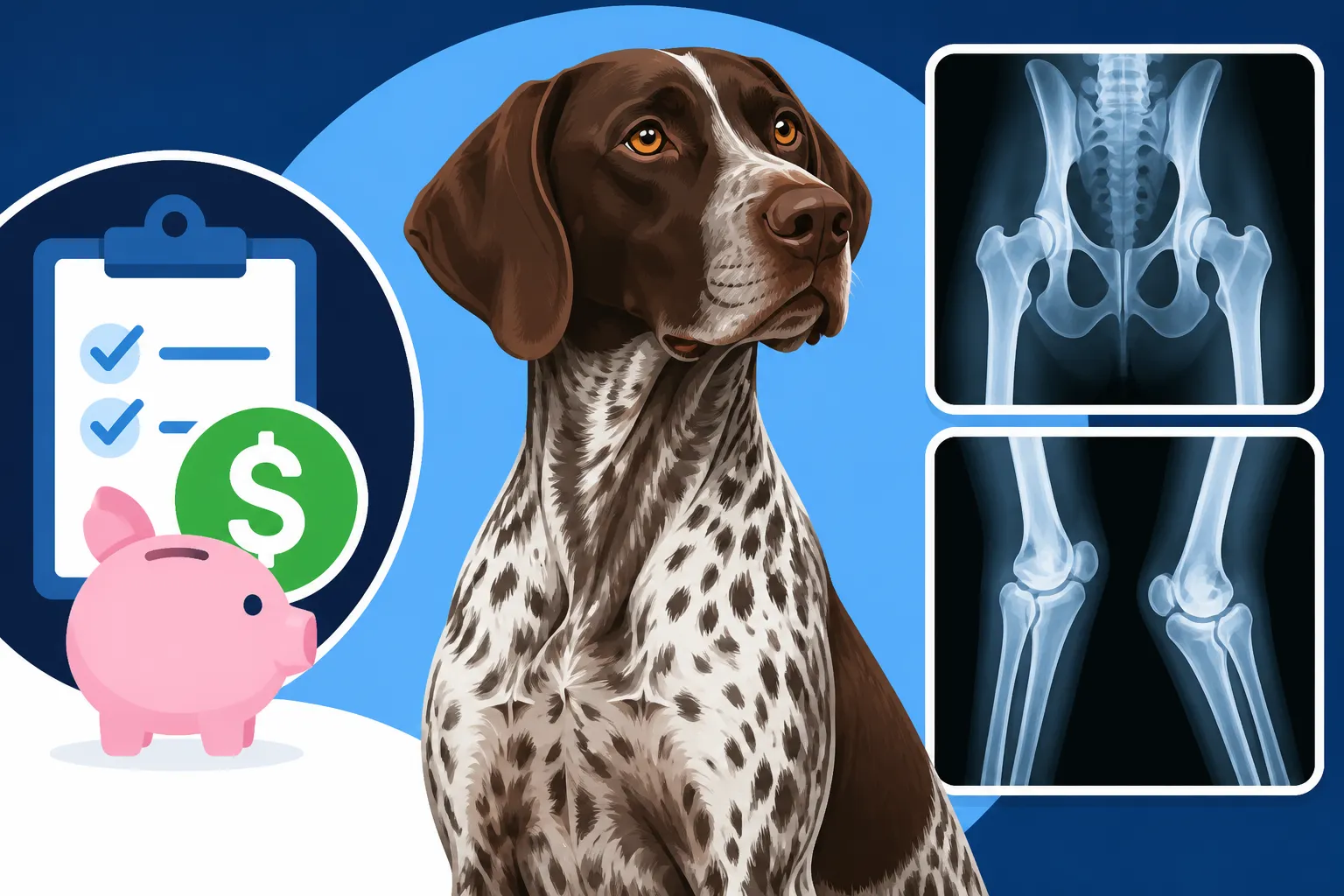
The OFA hip and elbow evaluation process relies on specific radiographic views taken by a veterinarian. For hip evaluations, the standard view is a ventrodorsal extended view, where the dog lies on its back with its hind legs extended and rotated inward. This position allows the veterinarian and the OFA radiologists to assess the ball-and-socket joint of the hip, looking for indicators of laxity, shallow sockets, or other abnormalities. The Age OFA Will Certify a Shorthair's Hips usually means waiting until the dog is at least 24 months old to get a final certification, as joint development continues until this age.
For elbow evaluations, typically two views are submitted: a mediolateral flexed view and a craniocaudal view. These images help identify signs of elbow dysplasia, which can manifest as fragmented coronoid processes, ununited anconeal processes, or osteochondritis dissecans (OCD) lesions. The precision of these X-rays is critical, which means proper positioning and sedation are usually required. The dog needs to be perfectly still and positioned correctly for the radiologists to get a clear and accurate assessment. This isn't just a quick snap; it's a careful procedure.
The Breakdown of Costs for OFA Films
When you start to explore getting OFA hip and elbow films for your German Shorthaired Pointer, you'll quickly realize it's not a single, flat fee. Instead, it's a combination of several services and fees, each contributing to the overall cost. These can vary quite a bit depending on your location, your chosen veterinary practice, and even the specific needs of your dog.
Veterinary Examination and Sedation
The very first component of the cost is the actual veterinary visit and the examination of your dog. Before any X-rays are taken, your vet will perform a thorough physical assessment to ensure your dog is healthy enough for sedation and to identify any other underlying issues. This is a standard consultation fee.
More significantly, proper OFA hip and elbow films almost always require sedation or even general anesthesia. Imagine trying to get a high-energy German Shorthaired Pointer to lie perfectly still and in very specific, sometimes uncomfortable, positions for multiple X-ray shots. It’s nearly impossible without chemical assistance. The cost of sedation or anesthesia will depend on your dog's size (more medication for larger dogs), the type of anesthetic used, and the monitoring services provided during the procedure. This often includes pre-anesthetic blood work to ensure your dog’s organs can handle the medication, which adds another layer to the cost. This is a non-negotiable part of getting good quality films. Anesthesia Risk in a Lean German Shorthaired Pointer is something your vet will consider carefully, making sure your dog is safe throughout the process.
Radiographs and Clinic Fees
Once your GSP is sedated and ready, the veterinary technician and veterinarian will take the actual X-ray films. This involves not just the use of the X-ray machine itself, but also the time and expertise of the veterinary staff to position your dog correctly and capture clear, diagnostic images. Multiple images are often taken to ensure the best possible views, and sometimes re-takes are necessary if the initial images aren't perfect, adding to the time and supplies used.
The cost for the radiographs themselves typically includes the machine usage, the digital imaging process, and the technical skill required. This portion of the bill often varies based on the number of views taken and the clinic's overhead. Clinics in metropolitan areas might charge more than those in rural settings due to differing operating costs.
OFA Submission Fees
After your veterinarian has taken the X-rays, they will typically submit them to the Orthopedic Foundation for Animals (OFA) for evaluation. The OFA charges a submission fee for this service, which covers the cost of their board-certified veterinary radiologists reviewing the films and assigning a grade (e.g., Excellent, Good, Fair for hips, or Normal, Grade I, II, III for elbows). This fee is usually separate from your vet bill and is paid directly to the OFA, or your vet clinic might handle the payment on your behalf and include it in your total. It's important to remember that this fee is per evaluation, so if you're doing both hips and elbows, there will be two separate submission fees.
Factors Influencing the Total Cost
The total cost can fluctuate significantly based on several factors:
- Geographic Location: Vet costs, like everything else, vary by region. Major cities often have higher prices than rural areas.
- Veterinary Practice: Larger, state-of-the-art veterinary hospitals might have higher fees due to advanced equipment and specialized staff compared to smaller local clinics.
- Dog's Temperament: A very anxious or high-strung dog might require more extensive or longer-acting sedation, increasing those particular costs.
- Pre-Anesthetic Bloodwork: While often recommended for safety, some owners might opt out of certain tests, which can lower the immediate cost but increase risk. Most responsible vets will insist on it, especially for any dog undergoing sedation.
- Additional Services: Some vets might offer a package deal, while others itemize every step. Discussing all potential costs upfront with your vet is always a good idea.
Here's a simple breakdown of the components:
| Cost Component | Description | Variability |
|---|---|---|
| Veterinary Exam Fee | Initial consultation and physical assessment. | Varies by clinic, location. |
| Pre-Anesthetic Bloodwork | Essential tests to ensure organ function is healthy for sedation. | Varies by clinic, often included in sedation prep. |
| Sedation/Anesthesia | Medications and monitoring to keep the dog still and comfortable during X-rays. | Varies by dog's weight, anesthetic type, clinic. |
| Radiograph Fees | Cost for taking the X-ray images, including machine usage and technician time. | Varies by clinic equipment, number of images taken. |
| OFA Submission Fees | Fee paid to the Orthopedic Foundation for Animals for expert review of films and certification. | Set by OFA, per evaluation (hip, elbow, etc.). |
Navigating the Process and Finding Value
Understanding the costs is one thing, but navigating the process itself can feel daunting. From choosing the right vet to considering insurance, there are ways to ensure you're getting the best care for your GSP without breaking the bank.
Choosing the Right Veterinary Clinic
Selecting a vet for OFA films isn't just about price. You want a clinic with staff experienced in proper positioning for these specific X-rays. Incorrect positioning can lead to "unreadable" films, requiring costly re-takes and further sedation for your dog. Ask prospective clinics about their experience with OFA submissions, their success rate, and if they have digital radiography equipment, which can make the process smoother. Many breeders have preferred clinics they trust for these procedures, so don't hesitate to ask for recommendations within the German Shorthaired Pointer community.
Some larger veterinary referral centers or veterinary schools may also offer these services, often with specialized imaging departments that are highly proficient. While their upfront costs might seem higher, their expertise can save you money and stress in the long run by ensuring the films are perfect the first time.
Pet Insurance and Budgeting for Health Clearances
Pet insurance is a topic that comes up often when discussing veterinary costs. Many owners, especially those with active breeds prone to injury or specific health concerns, find immense value in having a policy. While most pet insurance plans won't cover the initial cost of health clearances like OFA films, as these are considered preventative or elective, they will come into play if your dog develops hip or elbow dysplasia later in life and requires treatment. For instance, if your GSP develops Hip Dysplasia in a Hard Running German Shorthaired Pointer and needs surgery or ongoing medication, a good pet insurance policy could significantly offset those bills.
Companies like Healthy Paws are popular choices among active dog owners due to their comprehensive coverage for accidents and illnesses. It's always worth looking into plans and understanding their exclusions and waiting periods well before you might need them. Even if insurance doesn't cover the upfront OFA cost, budgeting for it is essential. Consider setting aside a dedicated "health fund" for your GSP each month, which can cover routine care, emergency funds, and planned clearances like these.
Beyond Hips and Elbows: The Broader Picture of GSP Health
While OFA hip and elbow films are critical, they are just two pieces of the larger puzzle of responsible German Shorthaired Pointer ownership. Reputable breeders will also conduct other health clearances, such as eye certifications through the ACVO (American College of Veterinary Ophthalmologists), cardiac exams, and often genetic testing for conditions like Cone Degeneration. The Five Tests Behind a German Shorthaired Pointer CHIC Number outlines the full suite of recommended screenings. Each of these tests comes with its own set of costs, contributing to the overall financial picture of owning a healthy, well-bred GSP.
It's a testament to the dedication of GSP enthusiasts that they invest so much in ensuring the health of their dogs, not just for their own sake, but for the future of the breed. These clearances are an investment in a long, healthy, and happy life for your pointer, allowing them to enjoy every retrieve, every point, and every adventure you share.
Long-Term Joint Health: Maintaining Your Shorthair's Foundation
Getting OFA certifications is a fantastic proactive step, but it's really just the beginning of a lifelong commitment to your German Shorthaired Pointer's joint health. These active, energetic dogs put a lot of stress on their joints, and even dogs with excellent OFA scores can develop arthritis or injuries over time. Maintaining their physical well-being through diet, exercise, and regular check-ups is paramount.
Nutrition and Supplements for Joint Support
What you feed your GSP plays a massive role in their overall health, including their joints. A high-quality diet, especially for a hard-working pointer, provides the essential nutrients needed for strong bones, cartilage, and connective tissues. Many owners opt for performance-focused kibbles, often found at pet supply retailers like Chewy, or explore fresh food options from services such as Ollie, ensuring their dogs receive optimal nutrition without excessive fillers. Joint Supplements for a Hunting German Shorthaired Pointer can also be a valuable addition to their regimen. Ingredients like glucosamine, chondroitin, MSM, and Omega-3 fatty acids are commonly included in supplements aimed at supporting joint cartilage and reducing inflammation.
It's always best to discuss any dietary changes or supplements with your veterinarian. They can help you determine the best approach based on your dog's age, activity level, and individual needs, ensuring you're providing beneficial support without over-supplementing.
Appropriate Exercise and Injury Prevention
German Shorthaired Pointers are athletes, and they thrive on consistent, appropriate exercise. However, too much high-impact activity too early in life can be detrimental to developing joints. Whether Running a Shorthair Puppy Damages Its Joints is a common concern for new owners, and the consensus is generally to wait until growth plates have closed before engaging in intense, repetitive activities like long-distance running on hard surfaces. Focus on controlled play, swimming, and soft-ground work for puppies.
As adults, ensuring they get enough exercise to stay fit without overdoing it is key. Regular conditioning, proper warm-ups before intense activity, and cool-downs afterward can help prevent injuries. Be mindful of environmental hazards that can lead to Shoulder and Toe Injuries in a Running Shorthair or Torn Cruciates in a Field Bred German Shorthaired Pointer. Checking your dog over thoroughly after every outing for cuts, bruises, or lameness is a habit every GSP owner should adopt.
Regular Veterinary Care and Monitoring
Even with the best diet and exercise routine, regular veterinary check-ups are essential for monitoring your GSP’s joint health. Your vet can identify subtle signs of arthritis or discomfort, sometimes before you even notice them at home. They can assess your dog’s gait, palpate their joints, and recommend interventions if needed. For older German Shorthaired Pointers, these regular visits become even more important as their bodies start to show the wear and tear of a lifetime of activity. Arthritis in a German Shorthaired Pointer at Eight is not uncommon, and early intervention with medication, physical therapy, or other treatments can significantly improve their quality of life.
Your vet can also help you develop a long-term plan for joint care, which might include specific therapies like laser treatment, acupuncture, or anti-inflammatory medications if signs of joint disease begin to emerge. Being proactive and staying in close communication with your vet means your GSP has the best chance at a comfortable, active life for as long as possible.
Disclaimer
This article is for general informational purposes only and does not constitute professional advice. Laws, prices and regulations vary by location and change over time. Consult a qualified professional for guidance on your specific situation.