What a Show Bred German Shorthaired Pointer Costs
When you start looking for a German Shorthaired Pointer puppy, it can feel like you're navigating a minefield of prices. You see ads for puppies ranging from a few hundred dollars to several thousand, and it’s easy to wonder why there's such a vast difference, especially when you encounter the term "show-bred." This guide is here to shed light on what a show-bred German Shorthaired Pointer truly costs, not just in initial purchase price, but in the extensive effort, care, and investment that goes into producing a truly exceptional dog.
Understanding the "Show-Bred" Distinction in German Shorthaired Pointers
The term "show-bred" often conjures images of fancy ribbons and perfectly groomed dogs prancing around a ring. While that's certainly part of it, for a German Shorthaired Pointer, being "show-bred" means so much more than just good looks. It speaks to a commitment to the breed's integrity, health, and functionality.
What "Show-Bred" Truly Means for a GSP
For a GSP, "show-bred" signifies that the breeding program places a high emphasis on adhering to the breed standard set forth by organizations like the American Kennel Club (AKC) or the German Verband für das Deutsche Kurzhaar (the Deutsch Kurzhaar club). This standard meticulously outlines the ideal physical characteristics, temperament, and movement a GSP should possess. It's not just about aesthetics; these standards are often rooted in the dog's original purpose as a versatile hunting companion, ensuring they possess the correct structure for endurance, agility, and efficient movement in the field.
A reputable show breeder doesn't just breed for pretty faces. They are striving to produce dogs that are structurally sound, have excellent temperaments, and are free from debilitating genetic diseases. This means carefully selecting parent dogs that not only excel in the show ring but also demonstrate the stable, intelligent, and biddable personality that makes GSPs such wonderful companions and working partners. They understand that a dog with a "correct" gait and well-angulated joints is less likely to break down under pressure, whether in the show ring or chasing pheasants in South Dakota.
In contrast to field lines, which prioritize raw hunting drive and speed above all else, show lines often seek a balance. A show-bred GSP should still have strong natural hunting instincts and a desire to please, but their conformation – the way their bones and muscles are put together – is paramount. This focus on balanced structure aims to produce a dog that can perform well in the field while also being a beautiful representation of the breed. It’s a holistic approach to breeding that values both form and function, ensuring the longevity and health of the canine athlete.
The Investment in a Show Dog's Pedigree and Parentage
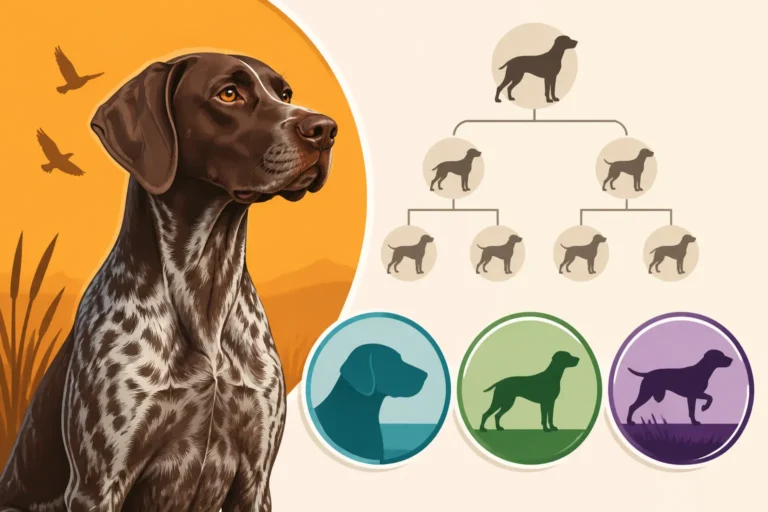
When you look at the pedigree of a show-bred GSP, you're not just seeing a list of names; you're seeing generations of careful selection and investment. Reputable show breeders dedicate years, often decades, to developing their lines, consistently striving for improvement. They attend dog shows, evaluate conformation, and meticulously study bloodlines to find suitable mates that will complement their own dogs' strengths and mitigate any weaknesses. This involves significant travel, entry fees, and time away from home.
The parent dogs themselves usually have accomplished show careers, earning titles like AKC Champion (CH) or Grand Champion (GCH). These titles are hard-won, requiring consistent wins over a period of time, often against stiff competition at major dog shows like Westminster or the AKC National Championship. The costs associated with campaigning a show dog—professional handling fees, travel, lodging, grooming, and entry fees—can easily run into tens of thousands of dollars. This investment is then reflected in the value of their offspring.
Beyond the titles, a serious show breeder will also track the health and longevity of dogs throughout their pedigrees. They'll know about the temperament of ancestors, their working ability, and any health issues that might have appeared generations back. This deep understanding of a dog's genetic background allows for informed breeding decisions that aim to reduce the incidence of inherited conditions. For example, some breeders may even look at the strict German breeding standards for the Deutsch Kurzhaar, where dogs must pass rigorous performance tests and health evaluations before being approved for breeding, setting a high bar for excellence that influences GSP breeding worldwide. This commitment to improving the breed, not just reproducing it, is a significant part of the cost.
The Extensive Health Clearances Behind Show-Bred GSPs
One of the most critical differentiators, and a major factor in the cost of a show-bred German Shorthaired Pointer, is the rigorous health testing undertaken by responsible breeders. This isn't just a casual vet check; it's a comprehensive screening process designed to identify and minimize the risk of passing on genetic diseases.
Orthopedic and Ophthalmic Examinations
For a show-bred GSP, orthopedic health is paramount, as soundness is integral to their movement and overall well-being. This typically starts with OFA Hip and Elbow films. The Orthopedic Foundation for Animals (OFA) provides a standardized evaluation system for hip and elbow dysplasia. To get these clearances, dogs must be at least 24 months old. The process involves radiographs (X-rays) taken by a veterinarian, often requiring sedation to ensure proper positioning, which adds to the cost. These films are then submitted to the OFA for evaluation by a panel of veterinary radiologists. This entire procedure, including vet fees, sedation, and OFA submission, can cost several hundred dollars per dog, and breeders do this for both prospective parents.
Similarly, Eye Certifications (ACVO) are a standard practice. This involves an annual examination by a board-certified veterinary ophthalmologist (ACVO). They screen for a range of inherited eye conditions, such as progressive retinal atrophy (PRA), cataracts, and glaucoma. While GSPs are generally a healthy breed, specific concerns like Cone Degeneration and the Shorthair DNA Test for It are carefully screened for. These eye exams are not cheap, often costing over $100 per dog each year, and a responsible breeder will perform them annually on their breeding stock. Understanding Reading a German Shorthaired Pointer's Eye Certificate can give you insights into the thoroughness of a breeder's program, highlighting their commitment to preventing vision issues in future generations.
These tests aren't guarantees, but they significantly reduce the risk of future problems for puppies. When a breeder invests in these screenings, they're essentially trying to ensure that the puppy you bring home has the best possible start to a long, healthy life, saving you from potentially devastating vet bills and heartbreak down the line.
| Health Test | Purpose | Typical Age for Testing | Average Cost (USD) |
|---|---|---|---|
| OFA Hips | Screens for hip dysplasia | 24 months+ | $150 – $400 |
| OFA Elbows | Screens for elbow dysplasia | 24 months+ | $150 – $400 |
| ACVO Eye Exam | Screens for inherited eye diseases (e.g., PRA, cataracts) | Annually | $75 – $150 |
| Cardiac Exam (Echocardiogram) | Screens for congenital heart defects (e.g., SAS) | 12 months+ (OFA recommended) | $250 – $600 |
| Cone Degeneration (DNA) | Identifies carriers/affected for day blindness | Any age (blood/cheek swab) | $50 – $100 |
| Von Willebrand's Disease (DNA) | Identifies carriers/affected for bleeding disorder | Any age (blood/cheek swab) | $50 – $100 |
Cardiac and Genetic Screening
Beyond orthopedics and eyes, responsible show breeders delve into other vital health aspects, notably cardiac and genetic screening. For German Shorthaired Pointers, conditions like Subaortic Stenosis (SAS) can be a concern. SAS is a congenital heart defect that can range from mild to severe and, in serious cases, can lead to sudden death. To screen for this, breeders will often perform cardiac clearances, which typically involve an echocardiogram by a board-certified veterinary cardiologist. This specialized procedure allows for a detailed assessment of the heart's structure and function. As you might expect, The Cardiologist Exam a Breeding Shorthair Needs is a significant expense, often costing hundreds of dollars per dog. This is another layer of due diligence that adds to the overall cost of a well-bred puppy but offers immense peace of mind.
Genetic testing is another crucial component, using DNA to identify carriers or affected individuals for specific inherited diseases. For GSPs, this includes testing for conditions like Von Willebrand's Disease, a bleeding disorder, and importantly, Cone Degeneration. Cone degeneration is an inherited eye disease that affects a dog's day vision, leading to day blindness. While What a Shorthair's Cone Degeneration Test Costs is relatively low (often $50-$100 per test using a cheek swab or blood sample), the knowledge gained is invaluable for making informed breeding decisions. These DNA tests can be done at any age, even on young puppies, and ensure that affected dogs aren't produced.
All these individual health tests accumulate into a substantial financial investment for the breeder. A breeder who proudly shows you the health certificates, often listed publicly on the OFA website, is demonstrating a commitment to the health of their dogs and the puppies they produce. They are actively working to reduce the prevalence of genetic diseases within the breed, ultimately providing you with a healthier puppy and potentially saving you thousands of dollars in veterinary care over the dog's lifetime. In fact, many serious breeders aim for a Canine Health Information Center (CHIC) number from the OFA, which signifies that a dog has completed all the recommended health screenings for the breed, truly encompassing The Five Tests Behind a German Shorthaired Pointer CHIC Number. This level of transparency and effort is a hallmark of a responsible show breeder.
The Breeder's Time, Effort, and Ongoing Support
The price of a show-bred German Shorthaired Pointer isn't just about the physical dog or the health tests; it's also a reflection of the incredible amount of time, effort, and continuous support a dedicated breeder pours into their program and every single puppy they bring into the world. This human investment is often overlooked but carries immense value.
Raising a Healthy and Well-Socialized Litter
Bringing a litter of GSP puppies into the world is an exhaustive endeavor that goes far beyond simply pairing two dogs. From the moment of conception, a responsible breeder invests heavily in the dam's health and nutrition. High-quality food is crucial during pregnancy and lactation, often including premium brands like Ollie or those available through reputable pet retailers like Chewy. This ensures the puppies get the best start even before they're born. Once the puppies arrive, the time commitment is truly immense. Breeders provide 24/7 care, monitoring the dam and puppies, ensuring they're nursing properly, gaining weight, and staying warm. This includes sleepless nights during the first few weeks, weighing puppies daily, and intervening if any need extra support.
As the puppies grow, the focus shifts to early neurological stimulation (ENS) and extensive socialization. Breeders often follow structured programs to expose puppies to a variety of sights, sounds, textures, and people. This crucial early exposure helps puppies develop into well-adjusted, confident adults, less prone to fear or anxiety. They spend countless hours handling each puppy, introducing them to different environments, toys, and even other vaccinated, gentle dogs. This careful foundation work is key for a breed as sensitive and intelligent as the GSP, and it's what helps them transition smoothly into their new homes. Breeders understand that Raising a Shorthair Puppy Toward Its First Season starts the moment they are born, building the confidence and resilience needed for a life of purpose, whether in the field or as a beloved family member.
Beyond the daily care and socialization, there's also significant veterinary care for the litter. This includes multiple deworming treatments, their first set of vaccinations, and thorough health checks by a veterinarian before they go to their new homes. Many breeders also microchip their puppies, a vital step for identification and safe return if a puppy ever gets lost. All these services come with costs, adding to the overall expense and value of a well-raised puppy.
Ongoing Mentorship and Guarantees
One of the less tangible, but arguably most valuable, aspects of purchasing a show-bred GSP from a reputable breeder is the lifetime of mentorship and support they provide. A truly dedicated breeder doesn't just sell you a puppy and disappear; they become a lifelong resource for you. Got a question about training? Wondering about a sudden behavior change? Need advice on diet or exercise? Your breeder is often the first and best person to call, offering their years of experience and knowledge specific to their lines and the GSP breed. They want their puppies to succeed and thrive in their new homes.
Furthermore, these breeders almost universally offer health guarantees and comprehensive contracts. These contracts often outline the breeder's responsibilities, such as guaranteeing the puppy against certain genetic diseases for a specified period, and the buyer's responsibilities, like providing proper veterinary care. Understanding The Health Guarantee in a Shorthair Contract is vital. These guarantees aren't just legal documents; they're a testament to the breeder's confidence in their breeding program and their commitment to standing behind the puppies they produce. This level of accountability is rarely found with less reputable sources.
Perhaps most importantly, a responsible show breeder will always insist that if, for any reason, you can no longer keep your German Shorthaired Pointer at any point in its life, they will take the dog back. They view their dogs as lifelong commitments and want to ensure none of their puppies ever end up in a shelter. This safety net is an incredible benefit, providing peace of mind and demonstrating a profound ethical responsibility that elevates the value far beyond the initial purchase price. This commitment to the dogs they bring into the world is a non-negotiable trait of a high-quality breeder.
Initial Purchase Price and What It Includes
After understanding the immense effort and investment that goes into producing a show-bred German Shorthaired Pointer, the initial purchase price begins to make more sense. It's not just a fee for a puppy; it's an investment in quality, health, and a lifetime of support.
Typical Price Range for a Show-Bred GSP Puppy
When you're looking at show-bred German Shorthaired Pointer puppies, you can expect the price to be significantly higher than those from a casual backyard breeder or a pet store. While you might see The 600 to 1,500 Range on German Shorthaired Pointer Puppies for a pet-quality GSP, a truly show-bred puppy from a reputable, health-testing breeder typically falls in the range of $2,000 to $3,500 or even more. This price can fluctuate based on location (e.g., major metropolitan areas or regions with high demand might see slightly higher prices), the specific accomplishments of the parent dogs, and the breeder's reputation. Puppies from lines with multiple top-winning champions, or those that are imports from highly regarded European kennels, might command an even higher price tag.
The premium price for a show-bred GSP puppy usually includes a comprehensive package of benefits. Beyond the obvious healthy puppy, you're typically getting a dog whose parents have undergone all the extensive health clearances we discussed, often with copies of the certificates provided. The puppy itself will usually come with its first set of vaccinations, multiple dewormings, a microchip registration, and an initial vet health check. Many breeders also provide a starter bag of the food the puppy has been eating (often a high-quality brand like Purina Pro Plan or Eukanuba, sometimes even samples of fresh food like Ollie), a few toys or a blanket with the litter's scent, and a detailed care guide. Some breeders also ask for The Three Hundred Dollar Deposit on a Shorthair Litter or a similar amount to reserve a puppy, with the balance due upon pickup.
It’s crucial to understand that this higher price reflects the breeder's dedication to producing the best possible puppies – not just in terms of health and temperament, but also adherence to the breed standard, which is vital for maintaining the integrity of the German Shorthaired Pointer breed. When you compare this to the hidden costs of potentially sick puppies from less scrupulous sources, the initial investment often proves to be the more economical choice in the long run.
Co-Ownership Agreements and Show Commitments
For some particularly promising show-quality puppies, breeders might offer them under a co-ownership agreement rather than an outright sale. This is especially common with puppies deemed to have high potential for the show ring, as it allows the breeder to retain some involvement in the dog's future development and show career. Whether a Shorthair Puppy Comes With a a Co-Ownership is an important discussion point during the puppy selection process.
A co-ownership typically means that both the original breeder and the new owner are listed on the AKC registration papers. The specific terms of these agreements can vary greatly, but they often include stipulations regarding showing the dog in conformation events, potential breeding requirements (if the dog matures well and passes all health clearances), and sometimes geographical limitations. For example, the agreement might state that the breeder retains breeding rights for a certain number of litters, or that the dog must be shown to a championship title before breeding. The new owner usually covers the daily care, feeding, and showing expenses, while the breeder might offer guidance, handling assistance, or contribute to specific show-related costs.
While a co-ownership can mean a lower initial purchase price, it also comes with significant responsibilities and commitments. It's a partnership, and it requires open communication and a shared vision for the dog's future. For those interested in getting involved in the world of dog shows and breeding, it can be a fantastic opportunity to learn from an experienced mentor. However, it's not for everyone, as it places obligations on the new owner that go beyond simply owning a pet. Always ensure you thoroughly understand and are comfortable with all clauses in a co-ownership contract before committing.
Beyond the Puppy Price: Lifetime Costs of a Show-Quality GSP
Bringing home a show-bred German Shorthaired Pointer is a significant upfront investment, but it's important to remember that the puppy price is just the beginning. The lifetime costs of owning one of these energetic and intelligent dogs can be substantial, and it's crucial to budget accordingly.
Nutrition, Training, and Ongoing Health
A German Shorthaired Pointer, especially one bred for performance and conformation, needs a high-quality diet to fuel its active lifestyle and maintain its prime condition. This isn't the area to cut corners. Whether you choose a premium kibble, raw, or fresh food diet, expect to spend a good deal on food each month. Brands like Ollie, known for their fresh, human-grade ingredients, or high-performance kibbles found on Chewy, are popular choices but come with a higher price tag than generic brands. A fit, active GSP can burn a lot of calories, so their food needs to be nutrient-dense.
Training is another ongoing expense. Even if you're not planning to compete in advanced conformation, basic obedience classes are essential for a well-mannered GSP. If you are showing, the costs of professional handling, specialized grooming (though less extensive for GSPs than some other breeds), and entry fees for shows quickly add up. Furthermore, GSPs are intelligent and thrive on mental stimulation, so puzzle toys, training treats, and perhaps even dog sports classes (like agility or scent work) can be part of their regular routine, all of which have associated costs.
Of course, ongoing health is paramount. Regular veterinary check-ups, annual vaccinations, flea and tick prevention, and heartworm medication are standard expenses. As GSPs are an active breed, they can be prone to injuries, and conditions like Arthritis in a German Shorthaired Pointer at Eight or later in life are common. Joint supplements, specialized diets, or even physical therapy might become necessary as they age. Proactive care is key to a long and healthy life, and these routine costs need to be factored into your budget.
Insurance and Emergency Funds
Given the active nature of German Shorthaired Pointers and their propensity for getting into scrapes, particularly if they're used for hunting, pet insurance is a highly recommended consideration. While it's an additional monthly premium, a good policy can be a lifesaver in the event of an unexpected illness or injury. For instance, an active GSP might be prone to Field Injuries a Hunting German Shorthaired Pointer Comes Home With, such as torn ligaments, cuts, or even broken bones from running through rough cover. The cost of emergency surgery for something like a torn cruciate ligament can easily run into the thousands of dollars, a bill that pet insurance providers like Healthy Paws can significantly mitigate. Without insurance, you could be facing a hefty bill out of pocket.
Even with insurance, it's wise to maintain an emergency fund specifically for your dog. Most insurance policies have deductibles, co-pays, and may not cover pre-existing conditions or certain elective procedures. Having a dedicated savings account for your GSP means you're prepared for anything from a sudden late-night vet visit for an upset stomach to a more serious diagnosis. The reality is that owning a dog, especially an active breed, means facing unexpected veterinary expenses at some point. Being financially prepared helps ensure you can make decisions based on your dog's health needs, rather than your wallet. Considering Running a German Shorthaired Pointer for a Year, these unforeseen circumstances are a part of that annual budget that you should absolutely plan for.
Disclaimer
This article is for general informational purposes only and does not constitute professional advice. Laws, prices and regulations vary by location and change over time. Consult a qualified professional for guidance on your specific situation.