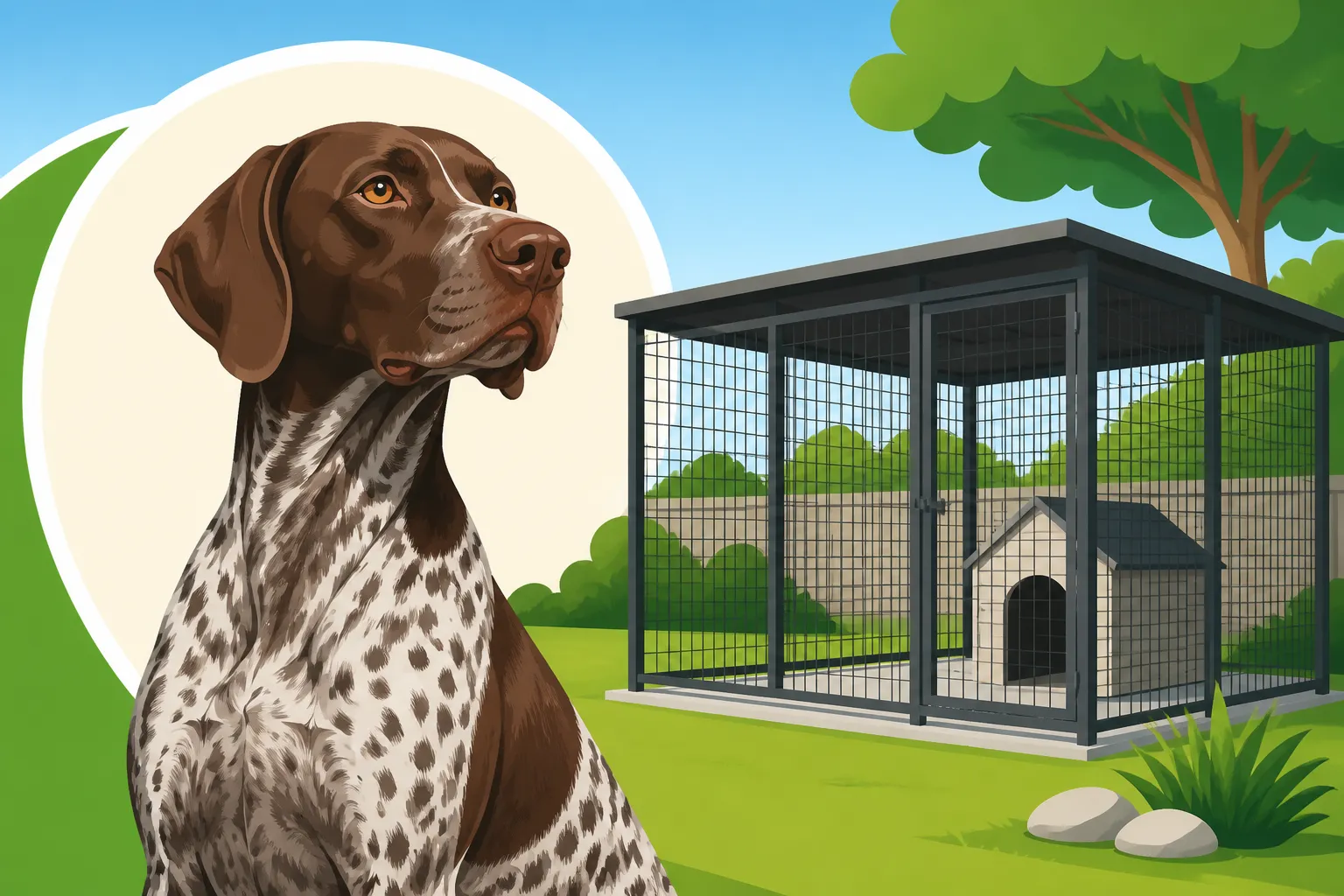
Kennel Runs and Outdoor Housing for a Shorthair
For a German Shorthaired Pointer owner, finding a secure, comfortable, and stimulating outdoor housing solution is often a real headache. These dogs are built for action, not confinement, and their needs go far beyond a simple chain link fence. This guide will walk you through setting up appropriate kennel runs and outdoor spaces that cater to your Shorthair's unique blend of athleticism, intelligence, and need for companionship.
Why Outdoor Housing Demands Careful Consideration for a GSP
It's tempting to think that a big yard or a simple dog house outside is enough for such a robust, active breed. However, a German Shorthaired Pointer isn't just any dog; they are highly intelligent, deeply sensitive, and possess an almost boundless reservoir of energy. Leaving them to their own devices in an inadequate outdoor setup can lead to a host of problems, for both the dog and your property.
The German Shorthaired Pointer's Innate Drive
Shorthairs were bred to be versatile hunting partners, capable of pointing game, retrieving from land or water, and tracking. This means they come hardwired with an incredible prey drive, a keen nose, and a need for a "job." If that job isn't provided through structured training and rigorous exercise – and we're talking about The Two Hours a Day a German Shorthaired Pointer Needs – they will find their own entertainment. This often manifests as destructive behaviors when left alone, even in a seemingly spacious outdoor environment. They'll dig, chew, bark incessantly, and become escape artists with impressive determination. A well-designed outdoor space acknowledges these drives rather than trying to suppress them.
Weather Vulnerabilities of the Shorthair Coat
Despite their hardy appearance, German Shorthaired Pointers have a single, short coat that offers surprisingly little protection against extreme weather. They're not built for prolonged exposure to bitter cold or scorching heat. While they might tolerate a quick dip in icy water during a retrieve, living outdoors without proper, insulated shelter is detrimental to their health. This thin coat means they get chilled easily in winter and can overheat quickly in direct summer sun. Understanding Cold and Heat on a Shorthair With Almost No Coat is critical when planning any outdoor setup.
Behavioral Challenges with Improper Outdoor Setups
An under-stimulated or uncomfortable GSP left in an unsuitable outdoor space is a recipe for behavioral disaster. We often see Shorthairs that are chronically bored, lonely, or anxious in these situations. They might develop separation anxiety, where they panic when left alone, rather than just being bored. This can lead to incessant barking, destroying fencing, or even self-mutilation. An otherwise well-behaved house dog can transform into a nuisance if their outdoor time isn't managed correctly. This is why it's so important to prevent the kind of issues outlined in What an Under Exercised Shorthair Does to a House, which can quickly extend from indoors to the yard if their needs aren't met.
Essential Elements of a Safe and Comfortable Kennel Run
When considering a dedicated kennel run for your German Shorthaired Pointer, you’re not just building a pen; you’re creating a secure, comfortable, and enriching extension of their home environment. This isn't where they live, but where they might safely spend short periods when you can't actively supervise them, perhaps while you're at work or running errands.
Size and Security
A GSP needs space, even in a temporary enclosure. The common advice is usually to go bigger than you think necessary. For a German Shorthaired Pointer, a minimum of 10 feet by 10 feet is often recommended, but 10×20 or even 20×20 feet is far superior if space allows. The fencing itself needs to be robust. Chain link should be at least 9-gauge, preferably 6-gauge, and a minimum of 6 feet high to deter jumpers. However, many GSPs can clear even a 6-foot fence, especially if they have something to jump off or if they are highly motivated. A more secure option is often a panel kennel system with welded wire or heavy-duty chain link that is even taller, perhaps 8 feet. Latches need to be heavy-duty, preferably with a double-locking mechanism or a carabiner clip added for extra security, as clever Shorthairs can often figure out simpler latches.
Beyond simply containing them, you must also consider their propensity to dig. To prevent tunneling out, the bottom of the fence should either be buried at least 12-18 inches deep, or you can lay down a perimeter of heavy-gauge wire mesh (like hardware cloth) at least 2-3 feet wide and secured to the bottom of the fence panels, then covered with soil or gravel. This creates an "L-footer" that discourages digging. If you're looking for heavy-duty options, retailers like Chewy offer a range of sturdy kennel panels and accessories designed to prevent escapes and ensure security, which can save a lot of headaches later on. Remember, Fencing That Holds a German Shorthaired Pointer needs to be thought through from top to bottom.
Shelter from the Elements
A GSP in an outdoor kennel run absolutely requires adequate shelter from sun, rain, and wind. A simple wire roof or tarp isn't enough. You need an insulated dog house, strategically placed to offer maximum protection. This house should be sized appropriately for your GSP – large enough for them to stand, turn around, and lie down comfortably, but not so large that they can't warm it with their body heat in winter. It should also be raised off the ground to prevent moisture wicking and provide insulation.
Additionally, consider a separate shade structure or a partially covered run. Even on a cloudy day, UV rays can be strong, and direct sunlight for hours can quickly lead to overheating, especially if there's no breeze. A solid roof over at least a third to half of the run will provide essential refuge from both sun and rain, keeping your GSP dry and preventing direct sun exposure. This is not just about comfort; it's a critical safety measure given their susceptibility to environmental factors.
Flooring and Drainage
The type of flooring in your kennel run plays a huge role in hygiene, comfort, and safety.
- Concrete: While easy to clean and sanitize, concrete can be hard on a GSP's joints over time, especially for a dog that loves to run and jump. It also gets very hot in the sun and very cold in winter. If using concrete, ensure it has a slight slope for drainage and that it is never the sole resting surface.
- Gravel: Pea gravel or similar small, smooth stones offer excellent drainage and can deter digging. They can also help keep paws tough. However, they can harbor bacteria if not regularly cleaned and replenished, and some dogs may try to eat the gravel.
- Grass/Dirt: Natural surfaces are comfortable but become muddy quickly, are hard to keep clean, and encourage digging. They also provide no barrier against pests or sharp objects.
- Composite or Rubber Mats: These can be laid over concrete or dirt to provide a softer, warmer surface. They are easy to clean but can be expensive for a large area.
Regardless of the primary flooring, excellent drainage is paramount. Standing water is a breeding ground for bacteria and parasites and can quickly chill a GSP. Ensure any solid surface slopes away from the dog house and main activity areas, or that permeable surfaces are regularly raked and refreshed. Keeping the area clean and dry is essential for preventing skin infections and other health issues that can arise from prolonged dampness.
Choosing the Right Outdoor Shelter for Your Shorthair
Providing the right shelter within an outdoor kennel run is paramount for a German Shorthaired Pointer, whose short coat offers minimal natural insulation. This isn't just about keeping them dry; it's about protecting them from temperature extremes and ensuring their comfort.
Insulated Dog Houses
An insulated dog house is not a luxury; it's a necessity for any Shorthair spending time outdoors. These aren't your typical plastic shells; they have double walls with insulation material (like foam or Styrofoam) between them, much like the walls of a human home. This design helps maintain a more stable internal temperature, keeping the house cooler in summer and significantly warmer in winter. Look for features such as:
- Raised Floor: Essential for keeping the interior dry and preventing heat/cold transfer from the ground.
- Offset Door: A door placed off-center, or with an internal baffle, provides a windbreak, preventing direct drafts from reaching the sleeping area.
- Chew-Resistant Materials: While no dog house is truly indestructible against a determined GSP, opting for houses made from rotomolded plastic or high-quality, treated wood will offer better durability.
- Appropriate Size: As mentioned, it needs to be snug enough for their body heat to warm it, but large enough for them to be comfortable. A GSP typically needs a medium to large-sized insulated house, but always check dimensions against your dog's size.
Some owners even add an outdoor-safe heating pad or a bed with a self-warming layer inside during colder months, though always use these with caution and ensure they are specifically designed for pets and outdoor use. The Kennel a German Shorthaired Pointer Needs is truly one that offers superior protection from the elements.
Elevated Beds and Cooling Options
Even with a well-ventilated shelter, GSPs can struggle with heat. Elevated dog beds are a fantastic addition to any outdoor run. These beds feature a mesh or fabric sleeping surface suspended above the ground on a sturdy frame. This allows air to circulate underneath your dog, preventing heat from building up and providing a much cooler resting spot than the ground, concrete, or even a thick conventional dog bed. They are also easy to clean and deter pests. You can find excellent options on sites like Chewy that are durable enough to withstand a playful GSP.
For truly hot days, further cooling measures might be needed. This could include:
- Shade Cloth: Draping shade cloth over part of the run can reduce ambient temperature significantly.
- Mister Systems: Low-pressure misting systems can help cool the air, but ensure your GSP isn't sensitive to the mist and that the area doesn't become overly damp, which can lead to skin issues.
- Kiddie Pools: A shallow, sturdy plastic kiddie pool filled with a few inches of water can offer a refreshing splash spot, especially for a water-loving GSP, but remember to keep the water fresh.
- Cooling Mats: While primarily for indoor use, some cooling mats can be used in a protected, shaded outdoor area to provide a cool spot for your dog to lie on. Always ensure your GSP isn't chewing on it. Remember How Hot Is Too Hot for a German Shorthaired Pointer and take precautions.
Water and Feeding Stations
Easy access to fresh water is critical, especially for an active breed like the GSP, whether they are working or just spending time outside. Invest in heavy, tip-proof water bowls, preferably ceramic or stainless steel, to prevent them from being knocked over or chewed. In colder climates, a heated water bowl or bucket is essential to prevent water from freezing, ensuring your dog always has access to hydration.
While feeding outdoors might seem convenient, it's generally best to feed your GSP indoors, especially if they are prone to guarding resources or if you want to avoid attracting wildlife. However, if food must be left out, use elevated, chew-resistant feeding bowls to keep them clean and away from pests. Consider sturdy, durable bowls that can be easily cleaned. For high-energy breeds, diet is crucial, and brands like Ollie offer fresh, nutritious meals that can keep your Shorthair well-fueled, whether they are spending time in a kennel run or running in the field. Always monitor food and water cleanliness, and refresh as needed throughout the day.
Integrating Outdoor Housing with Daily GSP Life
An outdoor kennel run or designated outdoor space is a tool, not a solution for managing a German Shorthaired Pointer. It’s vital to understand that this space should complement, not replace, their fundamental needs for exercise, mental stimulation, and human interaction. Many Shorthairs end up in shelters or rescues because owners didn't fully grasp the commitment required, often leading to dogs being inappropriately housed outside.
Exercise is Non-Negotiable
No matter how large or well-appointed your kennel run, it cannot substitute for the intense physical exercise a German Shorthaired Pointer demands. These dogs thrive on purposeful activity: long runs, vigorous games of fetch, swimming, hiking, and field training. A GSP needs to run and work their body and mind every single day. The kennel run is a secure place for short-term containment or for supervised outdoor time, but it should never be viewed as a substitute for fulfilling their exercise requirements.
Think of it this way: putting a GSP in a kennel run for hours without adequate exercise beforehand is like expecting a marathon runner to sit still in a tiny room all day. It will lead to frustration, destructive behavior, and a generally unhappy dog. Prioritize vigorous exercise first, and then the kennel run can be a safe place for them to rest and relax. This balance is key to preventing problems and ensuring your GSP remains a happy, well-adjusted companion.
Supervision and Interaction
German Shorthaired Pointers are people-oriented dogs. They form strong bonds with their families and genuinely enjoy being part of daily life. While an outdoor kennel run provides a safe space, it should never be a place of isolation. Prolonged solitude can lead to anxiety, depression, and destructive coping mechanisms in a GSP. They are not dogs that can simply be "put outside" and forgotten.
Regular interaction, training sessions, and playtime are essential for their mental well-being. Even if you work full-time, planning your schedule around their needs for interaction is crucial. This might involve morning exercise, short training bursts, and quality time in the evenings. Insurance providers like Healthy Paws, which focus on comprehensive pet health, are often familiar with the unique needs and potential health issues that can arise when active breeds like GSPs are not properly cared for or housed, including injuries from escape attempts or stress-related illnesses. Understanding Whether a Shorthair Suits an Owner Who Works Full Time means understanding the importance of integrating them into family life, not isolating them.
Regular Cleaning and Maintenance
A well-maintained kennel run is essential for your GSP's health and comfort. Dirt, waste, and stagnant water can quickly become breeding grounds for bacteria, parasites, and unpleasant odors. Regular cleaning protocols should include:
- Daily Waste Removal: Scoop feces and dispose of them daily.
- Weekly Disinfection: Depending on usage, regularly hose down and disinfect the entire run, including the dog house interior. Use pet-safe disinfectants that won't irritate your dog's skin or respiratory system.
- Water Bowl Cleaning: Clean and refill water bowls multiple times a day.
- Bedding Changes: If you use bedding in the dog house, wash or replace it frequently. Bedding That Keeps a Shorthair Off Cold Concrete needs to be cleaned to remain effective and hygienic.
- Pest Control: Regularly check for fleas, ticks, and other pests, especially if the run is near wooded areas or tall grass.
Maintaining a clean and safe outdoor environment helps prevent illnesses and ensures your GSP has a pleasant place to be when they are not exploring the world with you. Remember, the goal is always to create a supplementary space that enhances their well-being, not detracts from it, while also ensuring Keeping a Shorthair Warm in a Truck Box or kennel when traveling is also considered.
Here’s a quick overview of essential outdoor housing features for your German Shorthaired Pointer:
| Feature | Description | Why it's Important for a GSP |
|---|---|---|
| Secure Fencing | Minimum 6-8 ft high, heavy gauge wire (9-6 gauge), anti-dig measures. | Prevents escapes from a determined, athletic breed. |
| Insulated Shelter | Double-walled dog house, raised floor, offset door. | Protects short-coated GSPs from extreme heat and cold. |
| Shade Structure | Solid roof or dense shade cloth over part of the run. | Prevents overheating and sun exposure, given their thin coat. |
| Elevated Bed | Mesh or fabric bed raised off the ground. | Allows airflow, prevents heat buildup, and keeps them off damp surfaces. |
| Constant Water | Heavy, tip-proof bowls; heated in winter. | Prevents dehydration, especially for active dogs in varying temperatures. |
| Good Drainage | Sloped concrete, permeable gravel, or well-maintained natural surfaces. | Ensures hygiene, prevents dampness, and reduces risk of infections. |
Disclaimer
This article is for general informational purposes only and does not constitute professional advice. Laws, prices and regulations vary by location and change over time. Consult a qualified professional for guidance on your specific situation.