Physical Therapy for a Shorthair After Knee Surgery
Bringing a German Shorthaired Pointer home after knee surgery, particularly for a torn cruciate ligament, can feel overwhelming. You're faced with a high-energy dog suddenly needing strict rest and a challenging road to recovery, and the sheer volume of conflicting advice out there can make you feel lost. This guide is here to walk you through the world of physical therapy for your GSP after knee surgery, helping you understand each stage of rehabilitation and how you can best support your devoted companion on their journey back to full health and activity.
Understanding Knee Surgery Recovery in GSPs
The thought of your active German Shorthaired Pointer undergoing knee surgery is enough to make any owner's heart sink. These dogs are built for movement, for covering ground, and for the thrill of the chase. A knee injury, especially one severe enough to require surgery, can feel like a devastating blow, not just to their physical well-being but to their very spirit. Understanding what lies ahead in their recovery is the first step toward a successful outcome.
The Immediate Post-Operative Period
Right after surgery, your GSP will likely be groggy, possibly a bit confused, and certainly in some pain. The veterinary team will have them on strong pain medication, and your primary job for the first few days is comfort, containment, and strict adherence to medication schedules. This isn't the time for vigorous exercise or even long walks; it's about healing the surgical site, minimizing swelling, and allowing the initial stages of bone or tissue repair to begin. Your vet will send you home with clear instructions, which might include ice packs, specific stretches, and limitations on movement that feel almost impossible for a GSP. Remember, even if they want to zoom, they absolutely cannot. This initial period is critical for setting the stage for good healing. It's often the hardest for GSP owners, as their dog's boundless energy is suddenly a liability.
Common Knee Surgeries for GSPs
German Shorthaired Pointers, being active, athletic dogs, are unfortunately susceptible to certain orthopedic injuries, with cranial cruciate ligament (CCL) tears being among the most common. This ligament is crucial for knee stability, and when it tears, the knee becomes unstable, causing pain and lameness. There are several surgical techniques commonly employed to stabilize a GSP's knee:
- Tibial Plateau Leveling Osteotomy (TPLO): This is a very common procedure where the surgeon changes the angle of the tibia (shin bone) to neutralize the forces that cause instability in the knee when the dog bears weight. It's a significant surgery, often recommended for larger, more active breeds like GSPs, as it provides excellent long-term stability.
- Tibial Tuberosity Advancement (TTA): Similar in concept to TPLO, TTA also aims to alter the biomechanics of the knee. Here, the tibial tuberosity (a part of the shin bone) is advanced forward, which also helps stabilize the joint. It's another highly effective procedure for active dogs.
- Lateral Suture (Extracapsular Repair): This technique involves placing a strong suture material outside the joint, mimicking the function of the torn cruciate ligament. It's often considered a less invasive option, sometimes recommended for smaller, less active dogs, or in specific cases for larger dogs. However, for a high-drive GSP, TPLO or TTA are often preferred due to their robust and permanent stabilization.
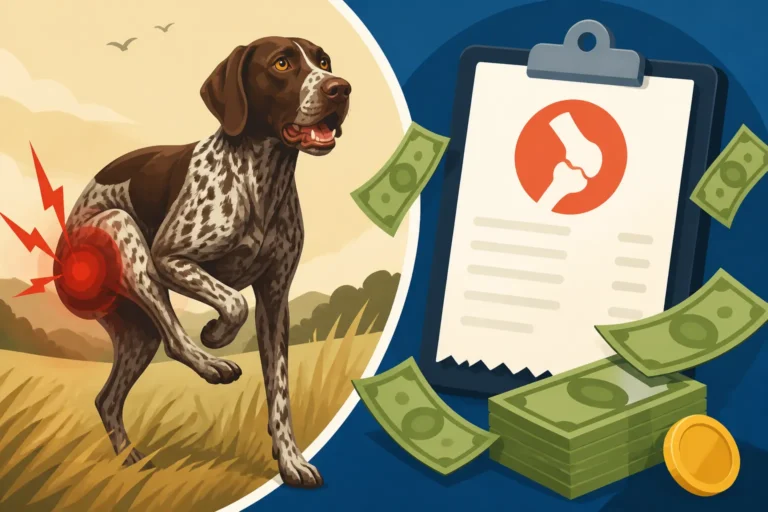
No matter the specific surgery, the goal is the same: to create a stable, pain-free knee that your German Shorthaired Pointer can use to get back to their active life. The success of any of these procedures hinges significantly on the quality and consistency of the post-operative physical therapy. This period can be a financially stressful time, and many owners find that a good pet insurance policy, like those offered by Healthy Paws, can be an absolute lifesaver when facing unexpected surgery and the subsequent rehabilitation costs.
Why Physical Therapy is Non-Negotiable for a GSP
For an active breed like the German Shorthaired Pointer, physical therapy isn't just a nice-to-have; it's absolutely essential for a full and successful recovery from knee surgery. Without a structured rehabilitation program, even the most expertly performed surgery might not yield the best results. A GSP's natural drive and muscle mass can work against them during recovery if not properly managed. They might try to compensate, putting undue strain on other limbs, or they might lose significant muscle mass in the affected leg, leading to weakness and a higher risk of re-injury or injury to the other knee.
Think of it this way: surgery fixes the mechanical problem, but physical therapy rebuilds the muscle, restores flexibility, and retrains the body to move correctly. It helps prevent scar tissue from limiting movement, minimizes atrophy, and strengthens the supporting structures around the joint. It ensures your GSP doesn't just recover, but truly thrives again, allowing them to eventually get back to chasing birds or enjoying those long runs with you. Neglecting this crucial step can lead to a less functional limb, chronic pain, and a vastly diminished quality of life for your active companion. The ultimate goal is to get your GSP back to feeling strong and sound, and understanding How Long a Working German Shorthaired Pointer Stays Sound often comes down to diligent post-operative care.
The Core Principles of German Shorthaired Pointer Physical Therapy
Once the initial post-operative swelling and acute pain subside, usually within the first week or two, the real work of physical therapy begins. This phase is about a gradual, carefully managed return to function, guided by core principles that prioritize healing and long-term joint health. It's a marathon, not a sprint, and patience is your most valuable tool.
Pain Management and Inflammation Reduction
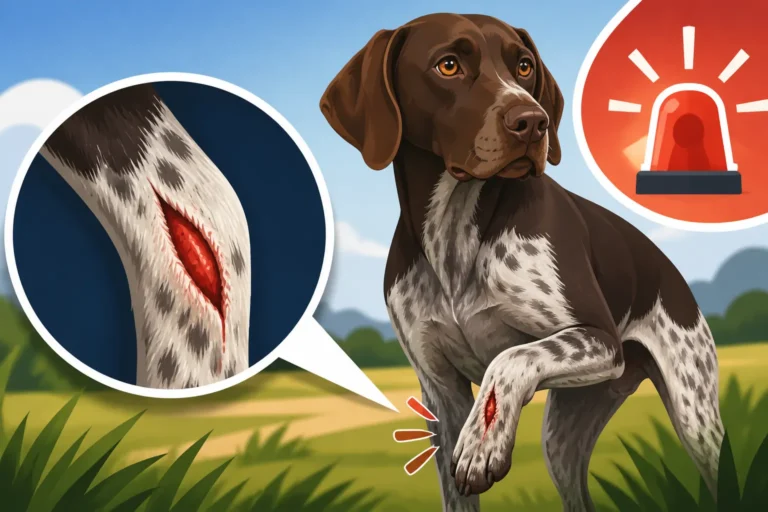
Before your GSP can truly engage in physical therapy, their pain needs to be well-controlled. Persistent pain can hinder movement, increase stress, and delay healing. Your veterinarian will likely prescribe anti-inflammatory medications and pain relievers. Beyond medication, you can play a significant role. Cold therapy (ice packs) applied to the incision site for 15-20 minutes several times a day can reduce swelling and numb the area, especially after any exercise sessions. Warm compresses can also be used later in recovery, before exercise, to increase blood flow and muscle elasticity.
It's also about recognizing subtle signs of discomfort in your GSP. Are they reluctant to bear weight? Do they lick the incision site excessively? Are they generally more subdued or even irritable? These are all cues that their pain management might need adjustment. Open communication with your vet is key here to ensure your dog is comfortable enough to participate in therapy without overdoing it. A dog in pain will not benefit from exercises, and pushing them too hard will be counterproductive.
Restoring Range of Motion
One of the immediate consequences of knee surgery and subsequent rest is a reduction in the joint's range of motion. Muscles tighten, scar tissue can form, and the joint simply becomes stiff. Restoring this flexibility is a primary goal of early physical therapy. This often begins with passive range of motion (PROM) exercises, where you gently move your dog's joint through its natural range without them engaging their muscles. Your vet or a certified canine rehabilitation therapist will show you exactly how to do this safely, ensuring you don't cause pain or damage.
These movements are slow and deliberate, designed to prevent stiffness and maintain joint health. For a GSP, who naturally has a wide range of motion crucial for their gait and field work, regaining this is vital. It lays the groundwork for strengthening exercises and helps prevent compensatory movements that could strain other parts of their body. Early attention to this can also mitigate potential issues like Arthritis in a German Shorthaired Pointer at Eight later in life, as a mobile joint is a healthier joint.
Building Strength and Stability
Once initial healing has occurred and range of motion is improving, the focus shifts to rebuilding muscle strength and joint stability. This is where active exercises come into play. Initially, these might be very gentle, controlled movements, gradually progressing in intensity and complexity. Examples include slow, controlled leash walks, gentle inclines, and specific exercises designed to target the muscles surrounding the knee.
The goal is to gradually load the healing limb, stimulating muscle regrowth and strengthening the entire joint complex. For a German Shorthaired Pointer, this stage is crucial for regaining the power and endurance needed for their lifestyle. It’s also important to strengthen the core and hindquarters to support overall balance and reduce strain on the recovering knee. Your physical therapist might suggest specific exercises like "cookie stretches" (where your dog reaches for a treat, engaging core muscles) or standing exercises that encourage weight-bearing on the affected limb. Consistency is far more important than intensity at this stage, ensuring your GSP builds strength safely and effectively.
At-Home Physical Therapy Exercises and Support
While professional canine rehabilitation is invaluable, a significant portion of your GSP's recovery will happen at home under your watchful eye. Your commitment to consistency and patience during this period is paramount. You are your dog's primary therapist, and your calm, confident guidance will make all the difference.
Controlled Leash Walks and Assisted Standing
One of the earliest and most fundamental at-home exercises is the controlled leash walk. In the initial weeks post-surgery, these walks will be very short – think 5-10 minutes, just enough for bathroom breaks, always on a short leash to prevent sudden movements, jumping, or running. The key is control. No pulling, no chasing squirrels, no sudden stops. As your GSP progresses and your vet approves, the duration can gradually increase, but the control remains.
Assisted standing exercises are also beneficial. If your dog is reluctant to bear full weight, you can gently support their abdomen with a sling or towel, allowing them to stand for short periods, gradually increasing the time. This helps build tolerance for weight-bearing and activates crucial muscles. For a GSP who is accustomed to moving freely, being confined to short, controlled movements can be frustrating. Consider investing in an orthopedic bed, easily found on sites like Chewy, to ensure they have a comfortable, supportive place to rest, promoting better sleep and healing.
Passive Range of Motion PROM Exercises
Passive Range of Motion (PROM) exercises are often introduced early in the recovery process. These involve you gently moving your GSP's joints through their normal range of motion without your dog actively participating. The purpose is to maintain flexibility, prevent stiffness, and encourage blood flow to the joint.
Here’s a general idea of how to perform PROM (but always follow your vet or therapist's specific instructions):
- Preparation: Have your GSP lying comfortably on their side, with the affected leg facing up. Make sure they are relaxed.
- Flexion: Gently grasp the upper and lower portions of the leg, above and below the knee. Slowly and gently bend the knee, bringing the paw towards the body. Hold for a few seconds. Do not force it if you feel resistance or your dog shows discomfort.
- Extension: From the flexed position, slowly and gently extend the leg outwards. Hold for a few seconds.
- Repetitions: Repeat 5-10 times, 2-3 times a day, or as advised.
Remember, the movement should be fluid, slow, and never cause pain. If your GSP tenses up, whines, or tries to pull away, you're either going too far or too fast. Always prioritize comfort. This technique, when done correctly, is a cornerstone for Rehabbing a Shorthair After Cruciate Surgery.
Home Environment Modifications for Safety
Your home environment needs to be a safe, low-risk zone for a recovering German Shorthaired Pointer. This often means making some significant, albeit temporary, changes.
- Non-Slip Surfaces: GSPs are powerful, and slippery floors like hardwood, tile, or laminate can be incredibly dangerous. They can easily slip, causing a re-injury or even damaging the other knee. Lay down non-slip mats, yoga mats, or runners in high-traffic areas. Consider temporary carpeting if needed.
- Restricted Access: Stairs, jumping on and off furniture, and rambunctious play with other pets are strictly off-limits. Use baby gates to block stairs and restrict your GSP to a single, easily manageable room or a large crate.
- Comfortable Resting Area: A soft, supportive, orthopedic bed is crucial. It helps distribute weight evenly and reduces pressure on joints.
- Assistance Aids: A sling or towel can be a lifesaver for assisting your GSP with standing, walking, or going up a single step (if approved).
These modifications minimize the risk of accidents and create a calm environment conducive to healing. Your German Shorthaired Pointer relies on you to keep them safe, especially when their natural instincts might tell them to jump or run.
Nutritional Support During Recovery
Nutrition plays a vital role in healing and recovery. Your GSP's body is working hard to repair tissues, rebuild muscle, and reduce inflammation. A high-quality, balanced diet provides the necessary fuel and building blocks.
- Protein for Muscle Repair: Ensure their diet is rich in high-quality protein to support muscle repair and prevent muscle atrophy, which can be significant after surgery.
- Omega-3 Fatty Acids: These are known for their anti-inflammatory properties and can aid in reducing inflammation around the surgical site and in the joints. Many joint supplements for dogs, including those beneficial for a Joint Supplements for a Hunting German Shorthaired Pointer, will feature these.
- Weight Management: It's absolutely critical to maintain a healthy weight. Extra pounds put unnecessary stress on the healing knee and the other joints. Your vet can advise on appropriate calorie intake during this period of reduced activity.
- Easy Digestion: Sometimes, dogs can have a reduced appetite post-surgery due to medication or discomfort. Offering highly palatable, easily digestible food can help. Services like Ollie provide human-grade meals that are portioned for your dog's needs, which can be invaluable when appetite might be a bit finicky or you want to ensure optimal nutrition. Remember to monitor your GSP's weight carefully, as The Daily Ration a Working Shorthair Actually Eats will change significantly when they are recovering and less active.
When to Seek Professional Rehabilitation for Your GSP
While at-home care is essential, professional canine rehabilitation offers specialized therapies and equipment that can significantly enhance your German Shorthaired Pointer's recovery. Think of a certified canine rehabilitation therapist as the physical therapist for human athletes – they have specific expertise in animal physiology and recovery from injury.
Hydrotherapy and Underwater Treadmills
Hydrotherapy, particularly using an underwater treadmill, is one of the most effective tools in canine rehabilitation, especially for GSPs after knee surgery. The buoyancy of the water reduces the impact and weight on the injured limb, allowing your dog to move and exercise with less pain and stress.
- Reduced Weight Bearing: The water supports much of your GSP's body weight, making it easier and less painful to walk. This allows them to start using the affected limb much earlier than they could on land.
- Increased Range of Motion: The resistance of the water provides a gentle, low-impact way to improve muscle strength and endurance, while also encouraging a fuller range of motion in the joint.
- Therapeutic Warmth: Often, the water is warmed, which helps to relax muscles, increase circulation, and further alleviate pain and stiffness.
For a GSP, who loves to move, the underwater treadmill can be a game-changer, allowing them to rebuild strength and confidence in a safe, controlled environment. It’s also excellent for addressing the natural compensation a GSP might develop, often avoiding use of the surgical limb.
Therapeutic Exercises and Manual Therapies
Beyond hydrotherapy, a professional rehabilitation center offers a range of hands-on and equipment-based therapies.
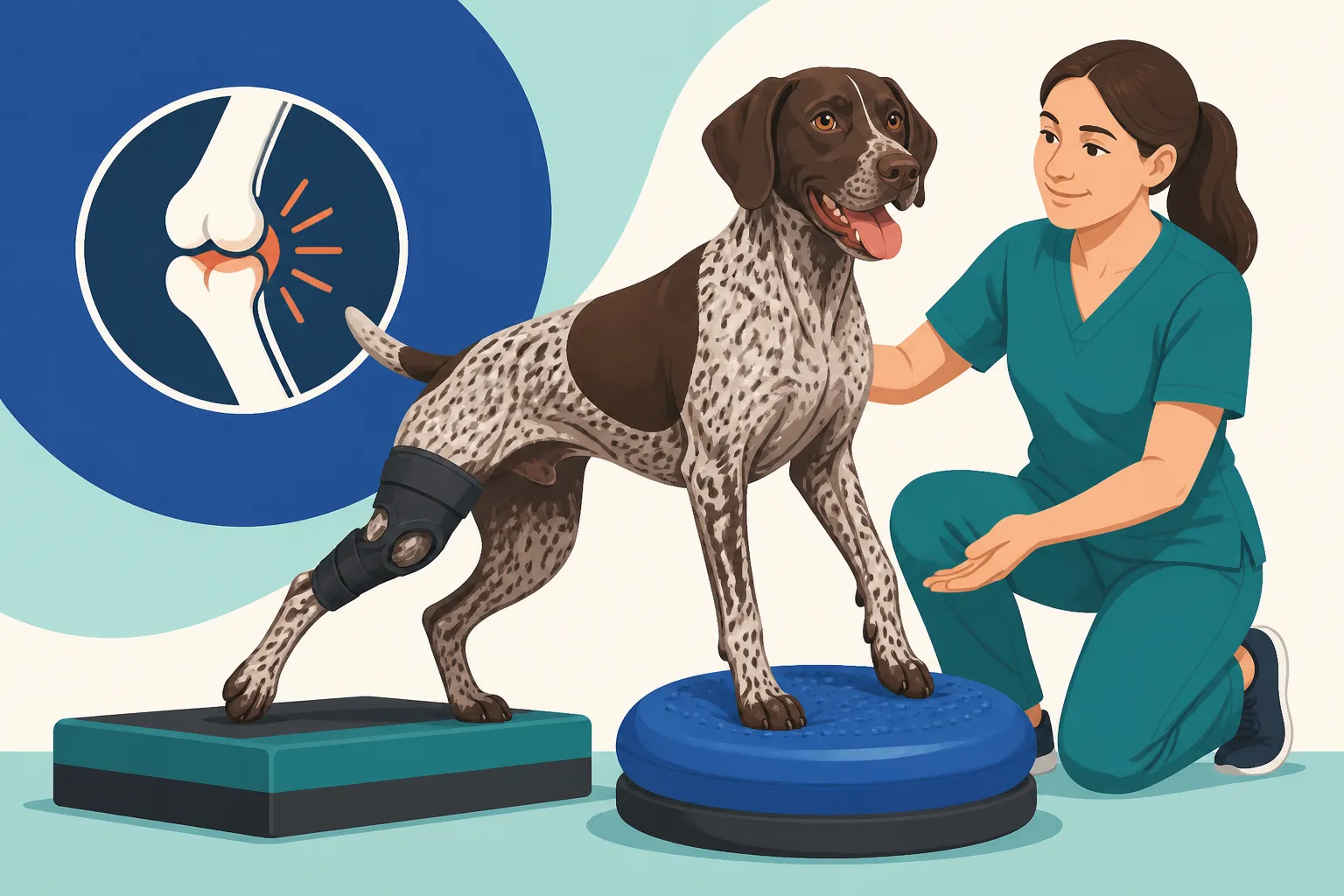
- Therapeutic Exercises: These are targeted exercises designed by the therapist to strengthen specific muscle groups, improve balance, coordination, and proprioception (the body's awareness of its position in space). This might include exercises with balance balls, cavaletti poles, or specific controlled movements that challenge the recovering limb. These are meticulously chosen and progressed based on your GSP's individual recovery.
- Manual Therapies: Just like human physical therapy, canine manual therapies involve the therapist using their hands to manipulate soft tissues and joints. This can include massage to reduce muscle tension and improve circulation, joint mobilizations to restore normal movement, and stretching to improve flexibility and prevent scar tissue adhesions. These hands-on techniques are crucial for addressing specific areas of tightness or weakness that might not be easily managed at home.
The combination of these therapies helps to optimize muscle function, nerve conduction, and overall joint health, pushing your GSP's recovery beyond what might be achieved with at-home exercises alone.
Electrotherapy and Laser Therapy
Modern canine rehabilitation centers often incorporate advanced modalities to accelerate healing and manage pain.
- Therapeutic Laser Therapy (Photobiomodulation): This non-invasive treatment uses specific wavelengths of light to stimulate cellular activity. It can help reduce inflammation, alleviate pain, and speed up tissue healing. Many GSPs find laser therapy very relaxing, and it can be particularly effective in the early stages of recovery to manage pain and promote incision healing.
- Neuromuscular Electrical Stimulation (NMES): NMES involves applying mild electrical currents to specific muscle groups. This causes the muscles to contract, which can help prevent atrophy, re-educate muscles that have "forgotten" how to fire correctly, and improve strength, especially when voluntary muscle contraction is difficult or painful. This is an excellent tool for GSPs who have experienced significant muscle loss in the affected limb.
- TENS (Transcutaneous Electrical Nerve Stimulation): TENS units deliver a low-voltage electrical current to the skin, which helps block pain signals and stimulate the release of natural pain-relieving endorphins. It's often used for pain management, allowing your GSP to be more comfortable during and after therapy sessions.
These specialized therapies complement traditional exercises and can significantly shorten recovery times while improving the quality of healing. They are particularly beneficial for ensuring that a working dog like a GSP can return to its full capabilities. For a full breakdown of the costs associated with rehabilitation and how to budget for them, you might want to review The Vet Bills a Hunting German Shorthaired Pointer Earns.
| Recovery Phase | General Timeline (Approx.) | Key Goals | Common Activities/Therapies (Professional & At-Home) |
|---|---|---|---|
| Phase 1: Acute Post-Op | Weeks 1-2 | Pain control, inflammation reduction, protect surgical site | Strict rest, ice packs, pain meds, gentle PROM |
| Phase 2: Early Rehab | Weeks 2-6 | Restore passive range of motion, controlled weight-bearing | Controlled leash walks, assisted standing, PROM, low-impact hydrotherapy |
| Phase 3: Intermediate | Weeks 6-12 | Increase strength & endurance, improve balance & coordination | Longer controlled walks, mild inclines, balance exercises, underwater treadmill, therapeutic exercises |
| Phase 4: Advanced Rehab | Weeks 12-16+ | Return to full function, sport-specific conditioning | Jogging (controlled), controlled off-leash work, advanced balance, agility drills, full hydrotherapy |
Disclaimer
This article is for general informational purposes only and does not constitute professional advice. Laws, prices and regulations vary by location and change over time. Consult a qualified professional for guidance on your specific situation.