Monthly Medication for a Hypothyroid Shorthair
Discovering that your energetic German Shorthaired Pointer has been diagnosed with hypothyroidism can feel like a punch to the gut. The initial worry quickly shifts to practical concerns: how will this affect their vibrant personality, and what does it mean for your monthly budget? This guide aims to shed light on the ongoing financial commitment involved in medicating a hypothyroid shorthair, offering a realistic look at the costs and ways to manage them effectively so your beloved companion can continue to thrive.
Understanding Hypothyroidism and its Treatment in GSPs
Hypothyroidism is one of the most common endocrine disorders affecting dogs, and German Shorthaired Pointers, unfortunately, aren't immune. It's a condition where the thyroid gland doesn't produce enough thyroid hormones, which are crucial for regulating metabolism. When these hormones are low, it slows down many bodily functions, impacting everything from energy levels to coat health.
What Hypothyroidism Means for Your Shorthair
Imagine your German Shorthaired Pointer, usually a whirlwind of activity, starting to slow down. Perhaps they're not as eager to chase birds in the field, or they seem lethargic even after a good night's rest. You might notice them gaining weight despite no change in their diet or exercise, or their typically sleek coat becoming dull, dry, and thinning, especially on their flanks or tail. These are all classic signs of hypothyroidism. It's a condition that can manifest subtly at first, making it easy to dismiss as just "getting older" or a temporary slump. But left untreated, it can significantly diminish your dog's quality of life and lead to more severe health issues. You might even observe a German Shorthaired Pointer That Has Stopped Wanting to Run.
The thyroid hormones are like the gas pedal for your dog's metabolism. When there isn't enough, everything starts to idle. This can make them feel perpetually tired, cold, and generally unwell. It's heartbreaking to see a dog known for its boundless energy and enthusiasm become listless and withdrawn. This is why a proper diagnosis and treatment are so vital – it's about giving them back their zest for life, not just managing a symptom. Early signs like Weight Gain That Points at a Shorthair's Thyroid or Coat Changes From Hypothyroidism in a Shorthair should always prompt a conversation with your veterinarian.
Diagnosing and Starting Treatment
The diagnostic process usually begins with your veterinarian suspecting hypothyroidism based on your GSP's symptoms and a physical exam. They'll typically recommend blood tests to measure the levels of thyroid hormones, specifically T4 (thyroxine) and TSH (thyroid-stimulating hormone). Sometimes, more comprehensive panels, like a free T4 by equilibrium dialysis, might be needed for a definitive diagnosis. It’s important to remember that these tests can sometimes be influenced by other illnesses or medications, so your vet will interpret the results in the context of your dog's overall health and clinical signs.
Once hypothyroidism is confirmed, the treatment is thankfully straightforward in most cases: daily oral medication. The most common medication prescribed is synthetic levothyroxine, which is a replacement for the thyroid hormone T4 that your dog's body isn't producing enough of. It's a lifelong commitment, much like a human taking thyroid medication. The initial dosage is carefully calculated based on your dog's weight and the severity of their condition, but it will almost certainly need adjustment over time as your vet monitors their response. There's no quick fix or cure, but consistent medication can dramatically improve your GSP's health and restore their energy and vitality, allowing them to return to their playful, active selves.
Breaking Down the Monthly Medication Costs
When your German Shorthaired Pointer receives a diagnosis of hypothyroidism, one of the first questions that naturally comes to mind is, "What's this going to cost me, month after month?" It’s a valid concern, as managing a chronic condition involves ongoing financial planning. The good news is that the medication itself is generally quite affordable, but it's crucial to understand all the contributing factors to the total monthly expense.
The Medication Itself: Levothyroxine
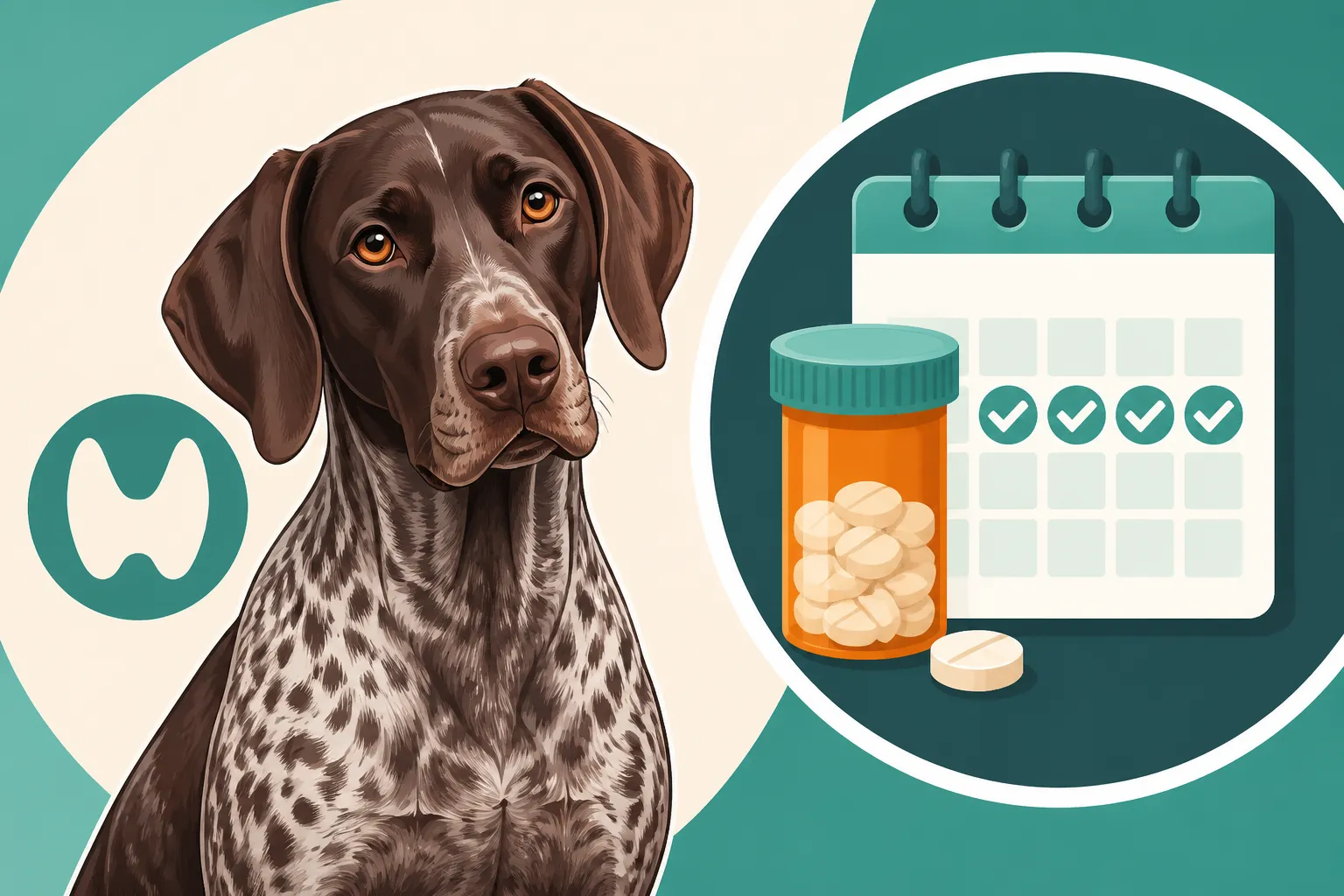
The cornerstone of treatment for canine hypothyroidism is levothyroxine sodium, a synthetic thyroid hormone that replaces what your dog's body isn't producing. This medication comes in various strengths, usually in tablet form, and the dosage prescribed will directly correlate with your GSP's body weight and the severity of their hormone deficiency. Larger dogs, like our sturdy German Shorthaired Pointers, will naturally require a higher dosage than smaller breeds, meaning more tablets or higher strength tablets, which impacts the overall cost.
While the cost per pill for levothyroxine is often relatively low, the quantity needed over a month adds up. Generally, generic levothyroxine is significantly less expensive than brand-name versions. Your veterinarian will often recommend a generic option if it's available and suitable for your dog, to help keep costs down without compromising on efficacy. It's worth discussing with your vet whether a generic formulation is appropriate for your particular GSP. The consistency of medication is key, so finding a reliable and affordable source is important for long-term management.
Factors Influencing the Price Tag
The exact monthly cost for levothyroxine can fluctuate based on several factors, making it difficult to give a single, definitive number. Here’s what typically influences the price:
- Dosage and Size of Your GSP: As mentioned, a bigger dog requires a higher dose. A 70-pound male GSP will inherently need more medication than a 45-pound female, directly impacting the number of pills you purchase each month.
- Generic vs. Brand Name: Generic levothyroxine is almost always more budget-friendly. Your vet can advise on the availability and suitability of generic options.
- Where You Purchase the Medication: Prices can vary significantly between your local veterinary clinic, brick-and-mortar pharmacies, and online pet pharmacies. Online pharmacies, for instance, often have competitive pricing, and some even offer subscription services that can save you money. For example, you might find competitive pricing and convenient delivery for your GSP's levothyroxine through platforms like Chewy's pharmacy, where you can often set up auto-shipments.
- Location: Like most things, medication costs can vary geographically, even within the same country or state.
- Manufacturer: Different manufacturers may price their levothyroxine slightly differently, even for generic versions.
It’s always a good idea to shop around once you have your GSP's prescription in hand. Don't be afraid to ask your vet for a written prescription that you can fill elsewhere if it means a significant saving.
Beyond the Pill: Associated Costs
While the medication itself is the primary ongoing expense, it's crucial to remember that treating hypothyroidism isn't just about the daily pill. There are essential associated costs that factor into the overall monthly or annual budget for a hypothyroid GSP.
Initially, after starting medication, your dog will need follow-up blood tests to ensure the dosage is correct. These usually occur a few weeks after starting treatment and again after any dosage adjustments. Your vet will want to see that the thyroid hormone levels are stabilizing within the therapeutic range. These re-check appointments and blood tests add to the cost, but they are absolutely vital for successful treatment and preventing over- or under-medication. Typically, once your GSP is stable, these blood tests might be recommended every six to twelve months, but the frequency can depend on your dog's individual response and health. Bloodwork Worth Running on an Older Shorthair should definitely include thyroid panels.
Beyond the initial stabilization, your German Shorthaired Pointer will still require regular veterinary check-ups. These annual or bi-annual visits are important for monitoring their overall health, assessing any new symptoms, and ensuring the hypothyroidism remains well-managed. These appointments, along with any routine vaccinations or preventative care, contribute to the total cost of ownership. These routine vet visits are critical parts of The Vet Schedule a Working Shorthair Should Keep, ensuring their ongoing health.
| Cost Category | Description | Frequency |
|---|---|---|
| Levothyroxine | Synthetic thyroid hormone tablets (generic vs. brand) | Daily (monthly purchase) |
| Blood Tests (T4/TSH) | To monitor hormone levels and adjust dosage | Initially (weeks after starting/adjusting), then 6-12 months |
| Veterinary Exams | Routine check-ups, medication reviews, and overall health monitoring | Annually/Bi-annually (or as needed) |
| Shipping Fees | If ordering medication from an online pharmacy | Per order |
Strategies for Managing the Financial Burden
Living with a German Shorthaired Pointer already involves certain expenses, from high-quality food to training supplies. Adding a chronic condition like hypothyroidism can feel overwhelming, but there are proactive steps you can take to manage the financial aspect effectively. Don't let the thought of ongoing costs deter you; there are options available to help.
Pet Insurance and Chronic Conditions
One of the most significant ways to mitigate the financial impact of a long-term condition like hypothyroidism is through pet insurance. While most pet insurance policies won't cover pre-existing conditions, if your German Shorthaired Pointer was insured before the diagnosis, then the ongoing medication and related veterinary costs for hypothyroidism would typically be covered. This could include the cost of the levothyroxine, the regular blood tests to monitor hormone levels, and even the necessary vet consultations for managing the condition. This can provide immense peace of mind.
It’s worth thoroughly researching different pet insurance providers and their plans, paying close attention to their policies on chronic conditions, deductibles, and reimbursement percentages. Companies like Healthy Paws are known for offering comprehensive plans, but it's crucial to read the fine print and understand what is and isn't covered. Even if your GSP already has a diagnosis, some providers may offer accident-only plans or plans that cover new conditions that arise. For those considering insurance, it's a good idea to look into Monthly Insurance Premiums on a German Shorthaired Pointer and compare providers to see what fits your budget and offers the best coverage for potential future health needs.
Exploring Pharmacy Options
Where you purchase your German Shorthaired Pointer's medication can have a noticeable impact on your monthly expenses. Your local veterinary clinic is a convenient option, and they can provide immediate support and advice. However, prices at veterinary clinics can sometimes be higher due to overhead costs. Don't hesitate to ask your vet for a written prescription. This allows you the flexibility to explore other avenues for filling your GSP's medication.
Many human pharmacies, like those found in major grocery stores or retail chains, also carry levothyroxine and often at very competitive prices, especially for generic versions. Always call ahead to ensure they stock the veterinary strength or a human equivalent that your vet approves. Online pet pharmacies are another excellent resource. Websites like Chewy offer competitive pricing, the convenience of home delivery, and often allow you to set up auto-shipments, ensuring you never run out of medication. They frequently work directly with your vet to verify prescriptions, making the process seamless. By exploring these options, you can often find significant savings that add up over the months and years your German Shorthaired Pointer will be on medication.
Living a Full Life with a Hypothyroid GSP
A diagnosis of hypothyroidism for your German Shorthaired Pointer is certainly a hurdle, but it's far from a dead end. With consistent management and a bit of diligence, your GSP can continue to lead a vibrant, active, and fulfilling life. The key is to embrace the routine and work closely with your veterinary team.
Consistent Care for Optimal Health
The cornerstone of managing hypothyroidism effectively is absolutely consistent care. This means administering the levothyroxine medication every single day, precisely as prescribed by your veterinarian. Skipping doses or being inconsistent can lead to fluctuating hormone levels, which will prevent your dog from feeling their best and may even exacerbate their symptoms. Think of it as a vital daily ritual, much like feeding them The Daily Ration a Working Shorthair Actually Eats or taking them out for their morning run. Building this routine into your daily schedule, perhaps alongside breakfast, can help ensure you never miss a dose.
Beyond the pills, pay close attention to your GSP's overall well-being. Are they regaining their energy? Is their coat looking healthier? Are they maintaining a healthy weight? These observations are crucial feedback for your vet. While the medication handles the thyroid, a holistic approach to their health—including a balanced diet, appropriate exercise, and regular grooming—will contribute to their overall vitality. A well-managed hypothyroid GSP should bounce back to being the energetic, devoted companion you know and love.
Monitoring and Adjustments Over Time
Hypothyroidism isn't a "set it and forget it" condition. Your German Shorthaired Pointer will require periodic monitoring to ensure the medication dosage remains appropriate. Factors like changes in body weight, age, or even other developing health issues can influence how your GSP metabolizes the levothyroxine. Regular blood tests, typically every six to twelve months once stable, are essential to check their thyroid hormone levels and confirm they are within the optimal range. These tests help your vet make any necessary dosage adjustments, ensuring your dog is receiving exactly what they need.
It's important to be vigilant for any recurrence of symptoms, even subtle ones. If you notice your GSP becoming lethargic again, gaining weight inexplicably, or experiencing changes in their coat or skin, don't hesitate to contact your vet. These could be signs that their medication needs to be adjusted. By being proactive and maintaining an open line of communication with your veterinary team, you'll be giving your German Shorthaired Pointer the best possible chance to live a long, happy, and active life, despite their hypothyroid diagnosis. The goal is always to keep them feeling like the magnificent, tireless dog they were born to be.
Disclaimer
This article is for general informational purposes only and does not constitute professional advice. Laws, prices and regulations vary by location and change over time. Consult a qualified professional for guidance on your specific situation.