The Credit Line a Shorthair Owner Should Arrange
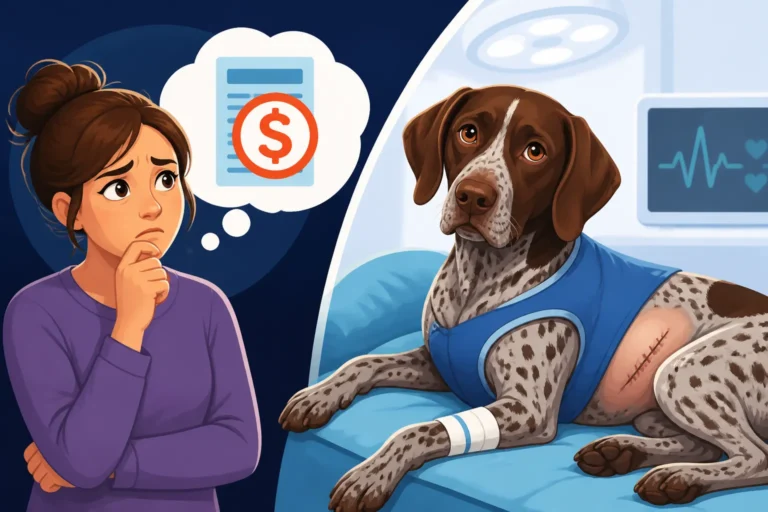
Owning a German Shorthaired Pointer is an absolute joy, a whirlwind of energy, loyalty, and boundless enthusiasm. But let's be realistic: that incredible drive and athleticism, combined with their strong prey drive and curious nature, can sometimes lead to unexpected bumps in the road – and often, significant expenses. Many GSP owners find themselves scrambling when a sudden injury, an unforeseen health issue, or even an intensive training opportunity arises, leading to stress and difficult financial decisions. This guide will walk you through the proactive steps you can take to arrange a credit line, offering a vital financial safety net to ensure your beloved Shorthair always gets the care and support they need without compromising your own peace of mind.
Why a German Shorthaired Pointer Demands a Financial Safety Net
The German Shorthaired Pointer is a magnificent, robust breed, but their very nature—high energy, strong drive, and a fearless attitude—means they are often more susceptible to certain types of accidents and health challenges that can quickly become costly. It’s not a question of if your GSP will have an unexpected vet visit, but often when, and for what. Having a financial strategy in place, like a dedicated credit line, can make all the difference when those moments arrive.
The Unpredictable Nature of GSP Health and Activity
Picture this: your Shorthair, let's call him "Ranger," is tearing through a field, nose to the ground, absolutely in his element. Suddenly, a yelp, a limp, and the chase is over. A torn cruciate ligament, perhaps, or a deep cut from a hidden piece of barbed wire. These aren't just minor inconveniences; they're emergencies that require immediate veterinary attention, often including surgery. Without a readily available source of funds, you might find yourself in a tight spot, agonizing over how to pay for life-saving or mobility-restoring procedures. This breed lives for action, and that action comes with inherent risks. From a swallowed foreign object to a run-in with a venomous snake, their adventurous spirit can lead to substantial vet bills. Many GSP owners, especially those with active hunting dogs, know that Field Injuries a Hunting German Shorthaired Pointer Comes Home With are a common occurrence.
Beyond injuries, GSPs are prone to certain breed-specific health conditions that can manifest unexpectedly. Gastric Dilatation-Volvulus (GDV), or bloat, is a prime example – a sudden, life-threatening emergency that can strike quickly and requires immediate, expensive surgery. Even with careful management, the risk is always there. The Bloat Risk a Shorthair Carries Into Every Season is a real concern, and knowing you can cover the emergency care without delay is invaluable. Other issues like certain cancers, which can appear even in younger dogs, or managing chronic skin conditions such as Lupoid Dermatosis and a Shorthair's Scaling Skin, require ongoing treatment and specialist visits that add up over time.
Covering Unexpected Training Costs and Gear Upgrades
It's not just vet bills that can create financial stress. As your GSP matures and you refine their training, you might find opportunities arise that require additional investment. Perhaps a professional trainer offers a specialized workshop that could dramatically improve your dog's handling in the field, but it comes with a hefty fee. Or maybe you want to pursue advanced titles in NAVHDA or AKC hunt tests, which incur entry fees, travel expenses, and potentially more birds to train with. Birds, Trainers and Dues Behind a Finished Shorthair can be a significant part of GSP ownership.
Consider equipment: a reliable GPS tracking collar for those long-range hunts, a specialized crash-tested crate for safe travel, or even high-quality waterproof vests for cold weather retrieves. These aren't cheap, but they are essential investments in your dog's safety and your peace of mind. While you might budget for regular expenses, a sudden need to replace a lost GPS unit or upgrade to a more durable dog box can stretch your monthly budget. A credit line can bridge the gap, allowing you to make these crucial purchases when necessary, ensuring your GSP is well-equipped for their active life.
Understanding Different Credit Line Options for Pet Owners
When we talk about a "credit line," it's a broad term that encompasses several financial products, each with its own structure, benefits, and considerations. It's not about being frivolous, but about being prepared. Think of it as an emergency fund with flexible access, rather than a traditional loan.
Personal Lines of Credit
A personal line of credit is essentially a revolving credit account offered by banks or credit unions. Similar to a credit card, you're approved for a maximum credit limit, and you can draw funds as needed, repaying what you borrow and being able to access it again. The interest rate on a personal line of credit is often lower than that of a standard credit card, and it can be a flexible option for various unexpected expenses, not just pet-related ones.
The advantage here is its versatility. If Ranger needs an emergency vet visit, you can draw from the line. If you decide to invest in a rigorous, several-week Pro Trainer Rates by the Month for a Shorthair program, you can also use it. The key is that you only pay interest on the amount you actually use, and payments are typically flexible, allowing you to manage your cash flow. However, approval is usually based on your credit score and financial history, so it's something to investigate before you're in an emergency situation.
Pet-Specific Credit Cards and Financing
Several financial companies offer credit cards or payment plans specifically designed for veterinary care. These are often endorsed by veterinary practices and can be a lifeline when unexpected, large bills hit. Providers like CareCredit are well-known in the veterinary world. They offer different promotional periods, sometimes with deferred interest, meaning if you pay off the balance within a certain timeframe, you won't be charged interest. This can be incredibly helpful for a one-time, large expense like a bloat surgery or What a Shorthair's Knee Surgery Runs After a Field Injury.
The convenience of these cards is a huge plus, as many vet offices readily accept them. However, it's crucial to understand the terms, especially the deferred interest clauses. If you don't pay off the full balance before the promotional period ends, you could be hit with retroactive interest from the original date of purchase, which can accumulate quickly. It’s a powerful tool but requires careful management to avoid high costs.
Home Equity Lines of Credit (HELOCs)
For homeowners, a home equity line of credit (HELOC) can be another option. This is a revolving line of credit secured by your home's equity. HELOCs typically offer lower interest rates than unsecured personal lines of credit or credit cards because your home acts as collateral. You can draw from the line as needed, up to a certain limit, during a "draw period," and then repay the principal and interest during a "repayment period."
A HELOC can provide a substantial safety net for very large, unexpected expenses. Imagine your GSP is diagnosed with a severe condition requiring ongoing specialist care or an incredibly expensive procedure. A HELOC could provide the necessary funds at a more favorable interest rate. However, using your home as collateral carries significant risk. If you can't make payments, your home could be at stake. It's a serious decision that requires careful consideration of your financial stability and the potential risks involved.
How to Apply for and Manage a Credit Line Responsibly
Establishing a credit line is a proactive step, not a desperate one. Doing your homework and setting it up before an emergency strikes means you can make informed decisions rather than rushed ones. Responsible management is key to ensuring this tool remains a help, not a hindrance.
Evaluating Your Creditworthiness
Before applying for any type of credit line, it's wise to check your credit score and review your credit report. Lenders will use this information to determine your eligibility, the credit limit they're willing to offer, and the interest rate. A higher credit score generally translates to better terms and lower interest rates. You can typically get a free copy of your credit report from major credit bureaus annually.
If your credit score isn't where you'd like it to be, take some steps to improve it before applying. Paying down existing debts, making all payments on time, and avoiding opening new credit accounts can help boost your score. This preparation allows you to secure the most favorable terms for your financial safety net. Remember, the goal is to have access to funds at a reasonable cost if you ever need them for your GSP.
Understanding Interest Rates and Fees
Interest rates are the cost of borrowing money. For credit lines, these can be variable, meaning they can change over time based on market conditions. It's crucial to understand how interest is calculated and what your effective annual percentage rate (APR) will be. Ask about any associated fees, such as annual fees, transaction fees, or late payment fees.
If you opt for a pet-specific credit card with a deferred interest promotion, mark the end date of that promotional period on your calendar. Many people get caught out when the interest kicks in retroactively. Always have a plan for how you will repay any borrowed funds. Consider creating a repayment schedule for even hypothetical future expenses, so you're not caught off guard.
| Financial Tool | Primary Purpose | Typical Interest Rate | Key Benefit | Potential Downside |
|---|---|---|---|---|
| Emergency Savings | Immediate, planned expenses | None | No interest, readily available | Can be depleted quickly, takes time to build |
| Personal Credit Line | Flexible access for various needs | Moderate | Revolving credit, lower than credit cards | Requires good credit, interest accrues if not paid |
| Pet-Specific Credit | Veterinary expenses only | High (if not paid) | Deferred interest options, vet acceptance | Retroactive interest if not paid on time |
| Home Equity Line | Large, long-term expenses | Low | Lower interest, large credit limits | Secured by home, risk of foreclosure |
| Pet Insurance | Covers specific vet bills | Monthly premium | Predictable cost, covers major unexpected bills | Deductibles, reimbursement model, exclusions, premiums rise |
Strategic Repayment and Usage
The responsible use of any credit line involves a clear repayment strategy. If you activate your credit line for an emergency, prioritize paying it down as quickly as possible to minimize interest charges. Treat it as a temporary solution, not a permanent extension of your spending power. For ongoing costs, like managing a chronic condition, consider whether a credit line is the most sustainable option. It might be better to adjust your budget or explore other avenues if the expenses are predictable and recurring.
For instance, if your GSP develops environmental allergies requiring regular medication or specialized diets, a credit line might help cover the initial diagnostic costs. Still, for the ongoing medication you might purchase from a retailer like Chewy or specialized fresh food like Ollie, a dedicated savings fund or pet insurance might be a more cost-effective long-term strategy. Always weigh the interest costs against the benefits.
Alternative Financial Planning Beyond Credit Lines
While a credit line is a valuable safety net, it's just one piece of a comprehensive financial plan for your German Shorthaired Pointer. A multi-faceted approach ensures you're prepared for all the joys and challenges of GSP ownership.
Building a Dedicated Pet Emergency Fund
The gold standard for any pet owner is a dedicated emergency savings fund. This is money you've set aside specifically for unexpected pet-related expenses. Unlike a credit line, a savings fund doesn't accrue interest (unless it's a high-yield savings account earning you a little bit!), and using it doesn't add to your debt. Aim to save at least a few thousand dollars, as that can cover many common emergencies, from broken bones to sudden illnesses.
Setting up an automatic transfer from your checking account to a separate savings account each month can make building this fund surprisingly easy. Even small, consistent contributions add up over time. This approach ensures that when your GSP needs urgent care, you have immediate access to funds without incurring debt. It's the most stress-free way to handle the unforeseen. Think about How Much a German Shorthaired Pointer Owner Sets Aside Monthly as a part of their regular budget.
The Role of Pet Insurance
Pet insurance has become an increasingly popular and often essential tool for GSP owners, especially given the breed's active lifestyle and propensity for certain health issues. A good pet insurance policy can cover a significant portion of unexpected veterinary bills, including accidents, illnesses, surgeries, and even some specialist care. While you pay a monthly premium, it offers peace of mind against catastrophic costs.
When evaluating pet insurance, look for policies that cover accidents and illnesses, have customizable deductibles and reimbursement percentages, and are clear about any exclusions. Companies like Healthy Paws are well-regarded for their comprehensive coverage options. It’s important to sign up when your GSP is young and healthy, as pre-existing conditions are typically not covered. Consider how much Monthly Insurance Premiums on a German Shorthaired Pointer fit into your budget compared to the potential savings on a large vet bill, such as The Bill When a Shorthair Torsions Mid Season. Remember, a credit line can complement pet insurance by covering the deductible or the portion of the bill not reimbursed by your policy.
Strategic Budgeting for Ongoing Needs
Beyond emergencies, smart budgeting for your GSP's regular needs can prevent many financial surprises. This includes their high-quality performance food—you might use a service like Ollie for specific dietary needs, or find bulk options at Chewy for their regular kibble. It also covers preventative care like vaccinations, flea and tick medication, and annual vet check-ups. The Vet Schedule a Working Shorthair Should Keep can lead to predictable expenses.
Don't forget about training supplies, toys, and grooming essentials. By consciously setting aside funds for these recurring costs, you reduce the likelihood of having to dip into an emergency fund or rely on a credit line for routine expenditures. Regular budgeting helps you plan for the long haul, making the rewarding journey of GSP ownership financially sustainable and less stressful. The First Year Bills on a German Shorthaired Pointer can be quite substantial, so planning from the outset is always a good idea.
Disclaimer
This article is for general informational purposes only and does not constitute professional advice. Laws, prices and regulations vary by location and change over time. Consult a qualified professional for guidance on your specific situation.