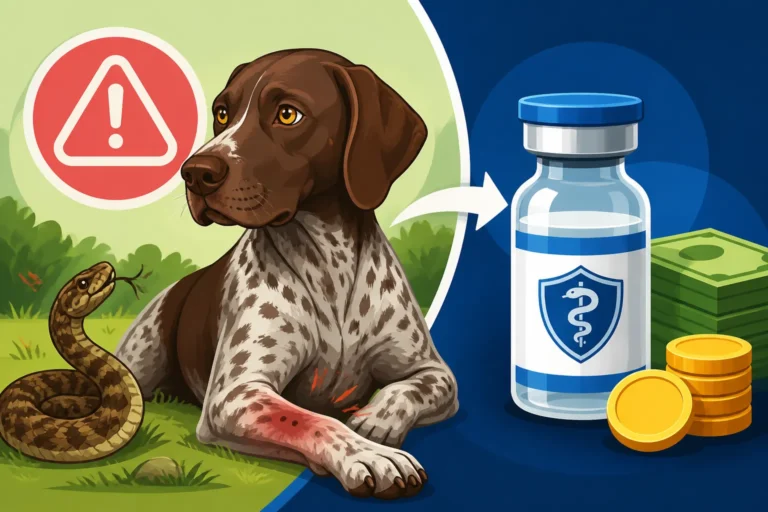
What Sedating a Shorthair for a Foxtail Costs
Finding a German Shorthaired Pointer after a day in the field, shaking their head uncontrollably, sneezing violently, or incessantly licking a paw can be heartbreaking. Your first thought immediately jumps to a foxtail, that insidious plant awn that causes so much grief for active dogs. The worry intensifies when you realize it's likely too deep for you to remove yourself, meaning a trip to the vet and the inevitable question of what sedating your beloved Shorthair for a foxtail removal is going to cost. This guide is here to walk you through what to expect, from the initial signs to the final bill, helping you understand the financial landscape of this common, frustrating problem.
The Sneaky Threat of Foxtails and Why Sedation is Key
Those innocent-looking grass awns, affectionately known as foxtails in many parts of the country, are a nightmare for any dog owner, especially those with active, field-loving breeds like our German Shorthaired Pointers. Their barbed structure makes them a one-way ticket into your dog's body, and once they start migrating, things can get serious, fast. Understanding why these seemingly small plant parts pose such a significant threat, and why sedation is almost always necessary for their removal, is the first step in preparing for the journey ahead.
What Makes Foxtails So Dangerous for Shorthairs?
Foxtails aren't just annoying; they're genuinely dangerous. Their unique, arrow-like shape and tiny barbs allow them to easily catch onto fur, particularly in a Shorthair's shorter, denser coat, and then embed themselves into the skin or any orifice. What makes them truly insidious is their inability to back out. Once the foxtail has entered, those barbs act like tiny anchors, constantly pulling it deeper with every movement your dog makes. This means they can migrate through tissue, causing abscesses, infections, and even internal organ damage if left unchecked.
Common entry points for a German Shorthaired Pointer are their paws, especially between the toes where the fur and skin folds create a perfect trap. Ears are another frequent target, with foxtails easily burrowing down the ear canal, causing intense irritation and potential damage to the eardrum. Noses are also prime real estate for inhaled foxtails, leading to sneezing fits that can paradoxically drive the awn even deeper. And of course, eyes are incredibly vulnerable. A foxtail rubbing against the delicate surface of the eye can cause corneal ulcers or even penetrate the eyelid. For a dog like a German Shorthaired Pointer, who loves to run through tall grasses and dense cover, Foxtails and Grass Awns in a Hunting Shorthair are an ever-present hazard.
Why Can't We Just Pull It Out?
Many of us, when faced with a distressed dog, have the natural instinct to help immediately. You might think, "It's just a piece of grass, I can pull it out myself!" And while you might get lucky with a very superficial foxtail caught in the fur, anything that has actually embedded itself, particularly in a sensitive area, is a different story.
First, the pain involved is often significant. Foxtails are sharp, and their barbed nature means pulling them out can cause further tearing and discomfort. Even the calmest Shorthair might react defensively when in pain, making a precise removal attempt difficult, if not impossible. Second, and crucially, you can't see the full extent of the problem. What appears to be just the tip of a foxtail could be the entry point for a much longer piece that has already burrowed deep beneath the skin. Pulling only part of it off can leave the most dangerous section inside, continuing its migration and causing ongoing problems. Attempting removal without proper tools, lighting, and a steady, compliant patient is a recipe for frustration for you and continued agony for your dog. This is why veterinary intervention, almost always involving sedation, is critical.
Recognizing the Signs: When to Suspect a Foxtail
Our German Shorthaired Pointers are stoic creatures, often pushing through discomfort in the field. But even they have their limits, and their behavior can give us crucial clues when a foxtail has found its way in. Being observant, especially after a run through tall grass, is key. Regularly Checking a German Shorthaired Pointer Over After a Hunt can help you catch these issues early.
If a foxtail is in the paw, you'll likely see your dog limping, intensely licking or chewing at their foot, or perhaps even favoring the leg. Swelling between the toes can be a tell-tale sign. For ear invasions, violent head shaking, pawing at the ear, or tilting the head to one side are common symptoms. You might also notice a discharge or a foul odor if an infection has started. A foxtail up the nose often results in sudden, violent sneezing fits, sometimes with a bloody discharge. Your Shorthair might paw at their nose or appear generally uncomfortable. If it's in the eye, squinting, excessive tearing, redness, or pawing at the eye are immediate red flags. Sometimes, the only sign is a subtle behavioral change – a dog that's usually eager to play suddenly seems lethargic or avoids certain movements. Trust your gut; if something seems off after they've been in foxtail-prone areas, it's worth a closer look.
Breaking Down the Costs of Sedation and Removal
When you're rushing your Shorthair to the vet with a suspected foxtail, the primary concern is your dog's well-being, not the bill. However, it's important to be prepared for the financial aspect. The cost can vary quite a bit depending on the severity, location of the foxtail, and what procedures are necessary for its safe removal. It's rarely a simple, single-charge affair, as several components contribute to the final tally.
Initial Vet Visit and Exam Fees
Every visit to the veterinary clinic starts with a consultation and examination fee. This is the cost for the veterinarian to assess your Shorthair's condition, discuss your observations, and physically examine the affected area. They'll confirm the suspicion of a foxtail and determine the best course of action. This initial fee is standard and covers the vet's time and expertise in diagnosing the problem.
For a foxtail, the vet will be looking closely at the suspected entry point, feeling for swelling, checking for discharge, and assessing the level of pain and inflammation. They might use an otoscope to look inside the ear, or a penlight to get a better view of a paw or eye. This initial assessment is crucial for planning the next steps, including whether sedation is indeed the best and safest approach.
The Sedation Itself
Sedation isn't just about making your dog sleepy; it's a carefully administered process designed to keep them calm, still, and pain-free during the procedure. The cost of sedation will include several factors:
- Pre-sedation assessment: Blood work might be recommended, especially for older dogs or those with underlying health concerns, to ensure they can safely handle the sedatives. This adds to the cost but is a vital safety measure.
- The sedatives: Different types of sedatives are available, ranging in strength and duration. The choice depends on your dog's size, temperament, and the anticipated length of the procedure.
- Monitoring: While sedated, your Shorthair will be closely monitored by veterinary staff, often with equipment tracking heart rate, breathing, and oxygen levels. This ensures their safety throughout the process.
- Reversal agents: Often, a reversal agent is given once the foxtail is removed to help your dog wake up more quickly and smoothly.
The goal is a light to moderate sedation, enough for your GSP to be unaware and still, but not a full anesthetic unless absolutely necessary. This minimizes risk and recovery time, but the components of the sedation itself contribute significantly to the overall bill.
The Search and Removal Procedure
Once your Shorthair is comfortably sedated, the real work begins. The cost here is highly variable, depending on where the foxtail has lodged itself and how deep it has gone.
- Tools and time: Removing a foxtail requires specialized tools, such as forceps, otoscopes with deeper scopes, or even endoscopes for nasal passages or deeper ear canals. The veterinary team's time is also a major factor. Some foxtails can be found relatively quickly; others require a meticulous search, probing into inflamed tissue. A Foxtail Lodged in a Shorthair's Paw might be a quick snip and pull, while one that's migrated far into the ear can be a much longer, more delicate operation.
- Imaging: If the foxtail is deeply embedded, especially in a paw or within muscle tissue, your vet might recommend X-rays or even ultrasound to help locate it. Foxtails themselves don't always show up well on X-ray, but they can reveal the reaction of the surrounding tissue, such as an abscess or foreign body granuloma, guiding the vet to the problem area. These diagnostic images add to the cost but are sometimes essential for successful removal.
- Flushing and cleaning: After removal, the area will need to be thoroughly flushed and cleaned to prevent infection. This is particularly true for ears and nasal passages.
- Follow-up care: Your vet might prescribe antibiotics to prevent infection, especially if the foxtail caused significant trauma or was present for a while. Pain medication is also commonly sent home to keep your Shorthair comfortable during recovery.
It's truly a testament to the dedication of veterinary teams that they can extract these tiny, barbed menaces from such delicate areas.
Unexpected Complications and Additional Bills
While we always hope for a straightforward removal, complications can arise, which, unfortunately, translate to additional costs.
- Infection: Even with the best care, the path a foxtail takes can introduce bacteria, leading to a localized infection or abscess. This might require additional vet visits, more potent antibiotics, or even a drainage procedure.
- Deeper migration requiring surgery: In severe cases, particularly if a foxtail has been present for a while and has migrated significantly, it might require a more invasive surgical procedure to locate and extract it. This is a much more complex undertaking, involving surgical anesthesia, operating room time, and extensive post-operative care, similar to Emergency Fees for a Shorthair Cut Open in the Field.
- Long-term issues: If a foxtail has caused damage to structures like the eardrum or cornea, your Shorthair might need ongoing treatment or specialist referrals, adding to the long-term expense.
The costs can quickly add up, transforming a seemingly small issue into a significant financial burden. The best approach is to act quickly when you suspect a foxtail, as early intervention often prevents these more severe complications and higher bills.
| Cost Component | Description | Variability | Typical Range (Example) |
|---|---|---|---|
| Exam Fee | Initial consultation and physical examination by the veterinarian. | Varies by clinic and location. | Low to Moderate |
| Sedation/Anesthesia | Administration of sedatives, monitoring, and reversal agents. | Depends on dog's size, temperament, and duration/depth required. | Moderate to High |
| Foxtail Removal | Actual procedure to locate and extract the foxtail. | Highly variable based on location (ear, paw, nose), depth, and difficulty. | Low to High |
| Diagnostic Imaging | X-rays or ultrasound if the foxtail is deeply embedded or its location is uncertain. | Only needed in complex cases. | Moderate |
| Medications | Antibiotics, pain relievers, anti-inflammatory drugs. | Depends on the extent of infection or inflammation. | Low to Moderate |
| Follow-up Visits | Recheck appointments to monitor healing or address complications. | Needed if complications arise or initial removal is difficult. | Low (per visit) |
Note: Specific dollar figures are not provided as costs vary widely based on geographic location, veterinary clinic pricing, and individual circumstances.
Strategies for Managing Foxtail Related Vet Bills
While the cost of foxtail removal can be daunting, there are practical strategies you can employ to soften the financial blow. Being prepared, understanding your options, and focusing on prevention can make a world of difference when your adventurous German Shorthaired Pointer inevitably encounters these pesky plant awns.
Pet Insurance: A Lifeline for Unexpected Mishaps
One of the most robust ways to manage unexpected vet bills, including those arising from foxtail removals, is pet insurance. Many owners overlook this until it's too late, but it can truly be a lifeline. Companies like Healthy Paws offer various plans that can cover a significant portion of accident and illness-related costs. If your Shorthair frequently ventures into areas where Field Injuries a Hunting German Shorthaired Pointer Comes Home With are common, or if they're generally an active dog, insurance is a wise investment.
It works by reimbursing you for eligible veterinary expenses after you've paid your bill and met your deductible. While you still pay upfront, having a large percentage of the cost returned can ease the burden immensely. Make sure you understand what your policy covers; most accident and illness plans will cover diagnostics, sedation, and treatment for a foxtail. Always review policy details carefully to ensure it aligns with your Shorthair's lifestyle and your budget. Remember, insurance typically doesn't cover pre-existing conditions, so it's best to enroll your pup when they're young and healthy. Looking into Monthly Insurance Premiums on a German Shorthaired Pointer might be beneficial before an incident occurs.
Prevention Is Always Cheaper
An ounce of prevention is worth a pound of cure, especially when it comes to foxtails. The absolute best way to manage costs related to foxtail removal is to try and avoid the problem altogether.
- Regular checks: After every outing, especially if you've been in tall, dry grass, perform a thorough "foxtail check" on your Shorthair. Pay close attention to paws (especially between the toes), ears, armpits, and under the tail. Checking a German Shorthaired Pointer Over After a Hunt should be a non-negotiable part of your routine.
- Grooming: While Shorthairs have short coats, keeping the hair trimmed between their paw pads can reduce the surface area for foxtails to attach.
- Avoidance: Learn to identify foxtail-laden areas in your local environment. If possible, steer clear of these fields, especially during late spring and summer when the grasses are dry and seeds are abundant.
- Protective gear: For hunting Shorthairs, protective boots can sometimes help prevent foxtails from embedding in their paws. While not foolproof, they can offer an extra layer of defense.
Even with the most diligent prevention, active dogs can still encounter these hazards. However, minimizing the risk significantly reduces the chances of needing that expensive vet visit. Many owners turn to online retailers like Chewy for grooming tools, protective boots, and other supplies that aid in foxtail prevention.
Emergency Funds and Payment Plans
Even with insurance and diligent prevention, sometimes life happens. Having a dedicated emergency fund for your German Shorthaired Pointer's health needs is a smart financial move. This could be a separate savings account or simply a mental earmark within your existing savings. Just as you budget for food and routine care, setting aside a small amount monthly for unexpected vet bills can build a cushion. The reality is that The Vet Bills a Hunting German Shorthaired Pointer Earns can be substantial, so having funds set aside can prevent a difficult choice between your dog's health and your wallet.
If you find yourself facing a substantial bill and don't have insurance or an adequate emergency fund, don't hesitate to speak with your veterinary clinic about payment options. Many clinics understand the financial pressures of pet ownership and offer solutions like installment plans or third-party medical credit options. It's always better to discuss these possibilities upfront rather than deferring necessary treatment due to financial concerns. Brands like Ollie, known for their fresh dog food, emphasize overall canine health, and sometimes good nutrition can bolster a dog's general resilience, but it won't prevent a foxtail incident or cover the costs directly.
What About Wellness Plans?
Wellness plans offered by some veterinary clinics are designed to cover routine, preventative care like vaccinations, annual exams, and sometimes basic parasite control. While these are excellent for managing the predictable costs of pet ownership, they generally do not cover emergency treatments like foxtail removal and sedation. An initial exam that flags a suspected foxtail might be covered under a wellness plan's "annual exam" benefit, but the actual procedure to remove the foxtail, along with sedation and medications, would typically fall outside its scope.
Therefore, while a wellness plan is great for overall health maintenance and can help you budget for predictable expenses, it shouldn't be confused with comprehensive pet insurance when it comes to unexpected accidents or illnesses. For a German Shorthaired Pointer, who is prone to various injuries and issues from their active lifestyle, a robust pet insurance policy or a well-stocked emergency fund remains the best defense against high, unforeseen veterinary costs. Considering The First Year Bills on a German Shorthaired Pointer, budgeting for potential emergencies from the start is highly recommended.
Disclaimer
This article is for general informational purposes only and does not constitute professional advice. Laws, prices and regulations vary by location and change over time. Consult a qualified professional for guidance on your specific situation.