What Antivenin Costs After a Shorthair Is Bitten
There’s nothing quite like the heart-stopping moment you realize your energetic German Shorthaired Pointer, who lives for the thrill of the chase, has encountered something far more dangerous than a pheasant in the field: a venomous snake. The immediate panic turns quickly to a desperate concern for their life, and then, for many of us, the chilling question of what it's all going to cost. Snake bites are a serious emergency for our active GSPs, and understanding the financial implications of antivenin treatment, which can be substantial, is crucial for any owner. This guide is here to shed light on the complex factors that influence the cost of antivenin and associated veterinary care, helping you understand the financial landscape and how to prepare for such an urgent situation.
The Critical Role of Antivenin in a German Shorthaired Pointer's Survival
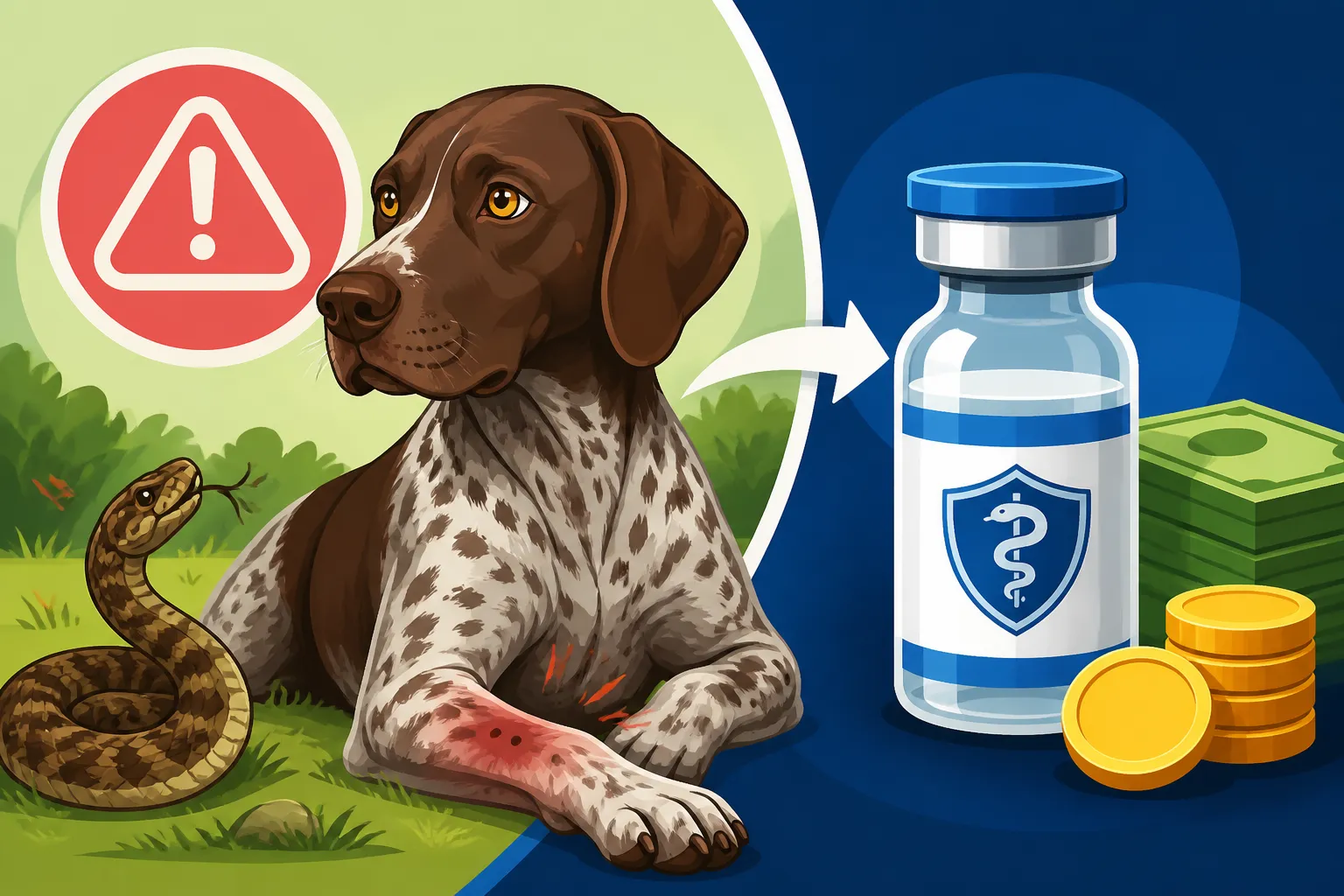
When your German Shorthaired Pointer is bitten by a venomous snake, time is absolutely of the essence. The venom, a complex cocktail of toxins, immediately begins to wreak havoc on their system, affecting blood clotting, tissue, and often, their nervous system or heart. It's a truly terrifying scenario for any pet parent. Antivenin, often referred to as antivenom, is the specific treatment designed to neutralize these harmful toxins. It contains antibodies that bind to the venom components, effectively disarming them and halting their destructive progress.
Without antivenin, especially in moderate to severe bites, the prognosis for your GSP can be grim. The venom continues its assault, leading to widespread tissue damage, organ failure, and in too many cases, death. For a breed like the German Shorthaired Pointer, known for their boundless energy and tendency to explore dense cover where snakes often hide, the risk of a bite, particularly when they're Field Injuries a Hunting German Shorthaired Pointer Comes Home With, is a constant concern. Administering antivenin rapidly not only significantly increases their chances of survival but also often reduces the severity of the long-term damage.
There are different types of antivenin available, typically polyvalent, meaning they are effective against the venom of multiple species of snakes common to a region, or monovalent, targeting a single species. For example, in many parts of the United States, polyvalent antivenin for pit viper (rattlesnakes, copperheads, cottonmouths) bites is commonly used. The choice of antivenin, and crucially, the number of vials needed, will be determined by the veterinarian based on the snake species (if known), the size of your GSP, and the severity of their symptoms. This initial assessment is critical and directly impacts the overall treatment plan and its associated costs.
Deciphering the Cost Variables of Antivenin Treatment
The question of "what antivenin costs" isn't a simple one, as the price tag can fluctuate wildly based on a number of significant factors. It's not like buying a fixed item off a shelf; it's an emergency medical intervention where many variables come into play. Understanding these can help you mentally prepare for the potential financial shock.
Number of Antivenin Vials Required
This is often the single biggest driver of cost. Antivenin is not a one-size-fits-all dose; instead, it's administered in individual vials, and a severe bite can require multiple. The veterinarian will assess the severity of your GSP's reaction, their size, and the type of snake (if identified) to determine how many vials are necessary. A mild copperhead bite on a small dog might require one or two vials, while a serious rattlesnake bite on a large, active German Shorthaired Pointer could necessitate several vials, sometimes even more than five or six, administered over a period of time. Each vial itself carries a substantial price tag, and when you multiply that by several, the total cost for the antivenin alone can quickly climb into the multi-thousand dollar range. This is where most of the financial burden for a snake bite treatment typically lies.
Type of Venomous Snake and Bite Severity
Not all snake bites are created equal, and neither are their treatments. The species of snake responsible for the bite plays a huge role in determining the amount and type of antivenin needed. Rattlesnakes, for instance, generally deliver a more potent venom requiring more aggressive antivenin therapy compared to, say, a copperhead bite. Cottonmouths can also deliver nasty bites. Beyond the snake species, the severity of the bite itself is paramount. Was it a "dry bite" (no venom injected), a partial envenomation, or a full, deep strike? The clinical signs your GSP presents—swelling, pain, lethargy, blood clotting issues—will guide the veterinary team in their assessment. A dog presenting with rapid swelling, severe pain, and coagulopathy (blood clotting problems) will need more immediate and intensive treatment, likely involving more antivenin, compared to a dog with localized mild swelling. The sooner your GSP gets to the vet after a bite, the better, but even then, some bites are simply more severe than others, escalating both the medical need and the financial outlay.
Geographic Location and Veterinary Facility
Just like human healthcare, veterinary costs can vary significantly depending on where you live and the type of facility providing care. In urban or metropolitan areas, overhead costs for veterinary emergency clinics are often higher, which can translate to increased treatment prices. Conversely, a rural vet might have lower baseline costs, but they might also have limited stock of antivenin or less specialized staff for critical care. Emergency veterinary hospitals, which are typically equipped with 24/7 staffing, advanced diagnostic tools, and intensive care units, are usually the best place to take a GSP after a snake bite. However, their specialized services come at a premium. The availability of antivenin can also be a factor; some regions with higher snake populations might have more readily available supplies, potentially impacting pricing or access to care. It's always wise to know where your nearest emergency vet is, especially if you live or hunt in areas known for venomous snakes.
Here's a breakdown of factors influencing the primary cost of antivenin:
| Factor | Impact on Antivenin Cost | Explanation |
|---|---|---|
| Number of Vials | Primary driver; higher number = significantly higher cost | Severe bites, larger dogs, or aggressive venom may require multiple vials, each individually priced at a premium. |
| Snake Species | Influences required dosage and urgency | More potent venom (e.g., rattlesnake vs. copperhead) often demands more antivenin and more aggressive treatment protocols. |
| Bite Severity | Dictates treatment intensity | Deep envenomation with systemic effects (swelling, coagulopathy) will require more antivenin and critical care than a superficial bite. |
| Dog's Size & Health | Affects dosage and resilience | Larger dogs may need more antivenin to counteract venom. Pre-existing conditions can complicate recovery and increase overall treatment. |
| Geographic Location | Varies by region, rural vs. urban | Veterinary service costs differ between areas, with emergency clinics in urban centers typically having higher rates. |
| Veterinary Facility Type | Emergency hospital vs. general practice | 24/7 emergency and specialty hospitals offer critical care capabilities but generally have higher fees than standard veterinary clinics, which may not even stock antivenin. |
| Time to Treatment | Impacts overall treatment complexity | Delayed treatment can lead to more severe complications, potentially requiring more antivenin and longer, more intensive hospitalization. |
Financial Preparation for a Snake Bite Emergency
The sticker shock of a multi-thousand dollar veterinary bill for a snake bite is something no one wants to face unprepared. For German Shorthaired Pointer owners, whose dogs are so often in harm's way, proactive financial planning isn't just a good idea—it's essential.
The Lifeline of Pet Insurance
This is where pet insurance truly shines, acting as a crucial safety net for unexpected medical emergencies like a snake bite. Many comprehensive pet insurance policies, such as those offered by Healthy Paws, are designed to cover a significant portion of emergency treatments, including the high cost of antivenin, hospitalization, diagnostics, and follow-up care. While you'll still have a deductible and typically a co-pay, having insurance can drastically reduce your out-of-pocket expenses when your GSP is in a life-threatening situation. When considering a policy, always read the fine print regarding emergency care, accident coverage, and any exclusions. It's worth researching different providers and their plans to find one that offers robust coverage for accidents and illnesses. Waiting until your dog is sick or injured to get insurance is often too late, as most conditions that have already occurred or are showing symptoms will be considered pre-existing and won't be covered. Monthly Insurance Premiums on a German Shorthaired Pointer might seem like an extra bill, but it can be a lifesaver.
Building an Emergency Fund
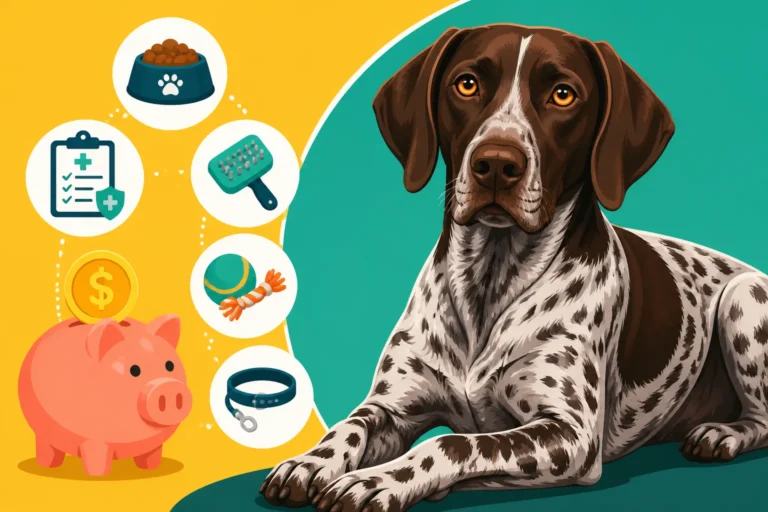
Beyond insurance, having a dedicated emergency fund for your GSP is a brilliant strategy. This isn't just for snake bites; it's for any unforeseen medical crisis, like The Bloat Risk a Shorthair Carries Into Every Season or a sudden injury in the field. Aim to set aside at least a few thousand dollars in an easily accessible savings account specifically for your pet. This fund can cover your deductible, co-pays, or even the entire bill if you opt not to have insurance or if the particular incident isn't covered. Even a small amount saved consistently can build up over time. It gives you peace of mind knowing that if the worst happens, you won't be scrambling to find funds while your beloved GSP is fighting for their life. Think of it as self-insurance for those unpredictable moments.
Exploring Credit Options and Financial Aid
If you find yourself facing a substantial bill without adequate insurance or savings, there are still options to explore. Many veterinary clinics offer payment plans, allowing you to spread the cost over several months. You can also look into veterinary-specific credit lines, which are designed for medical expenses and often come with deferred interest periods if paid off within a certain timeframe. Don't be afraid to ask your vet about these options—they understand that emergency care can be a huge financial strain. For those facing extreme financial hardship, some charitable organizations and breed-specific rescues may offer grants or assistance for life-saving veterinary care. While these options are not guaranteed, they can provide a vital lifeline in desperate situations. Having The Credit Line a Shorthair Owner Should Arrange before an emergency is always a smarter move.
Beyond the Antivenin: The Full Scope of Treatment Costs
While antivenin is the hero of snake bite treatment, it's far from the only expense you'll encounter. A snake bite is a complex medical emergency requiring a multifaceted approach, and the associated costs can quickly add up, easily pushing the total bill well into the multiple thousands, sometimes even into five figures, depending on the severity and complications. It's truly eye-opening how many factors contribute to The Vet Bills a Hunting German Shorthaired Pointer Earns over their lifetime.
Diagnostic Tests and Monitoring
Before and during antivenin administration, your GSP will undergo a battery of diagnostic tests. This typically includes blood work, such as a complete blood count (CBC) to assess red and white blood cell levels, and a chemistry panel to check organ function. Crucially, a coagulation panel will be run to see how the venom is affecting their blood's ability to clot—a common and dangerous effect of many snake venoms. Throughout their stay, continuous monitoring of vital signs, blood pressure, and pain levels is essential. These tests and monitoring are vital for guiding treatment, assessing progress, and catching any complications early, but each test and hour of monitoring adds to the overall bill.
Hospitalization and Supportive Care
After a snake bite, your German Shorthaired Pointer will almost certainly require hospitalization, often for several days, especially if multiple vials of antivenin were needed or if the bite was severe. During this time, they will receive intensive supportive care. This includes intravenous (IV) fluids to maintain hydration and support kidney function, pain medication to manage the intense discomfort from the bite, and potentially antibiotics to prevent secondary infections in the wound site. Depending on the bite location and damage, wound care will be ongoing, potentially involving specialized dressings or even debridement if tissue necrosis occurs. Continuous observation by veterinary staff, often in an intensive care unit (ICU) setting, is critical, particularly for such an active breed like a GSP where complications can arise quickly. This round-the-clock care is a significant part of the overall cost.
Potential Complications and Follow-Up Care
Even with prompt and effective antivenin treatment, complications can arise. Some GSPs may experience an allergic reaction to the antivenin itself, requiring additional medication and monitoring. Severe bites can lead to kidney damage, liver issues, or even cardiac problems, necessitating further specialized care and ongoing medication. In some cases, severe tissue damage might require surgical intervention to remove dead tissue or manage abscesses. Emergency Care for a Bloating German Shorthaired Pointer isn't the only time urgent surgery might be needed; a snake bite can also necessitate it.
Once your GSP is discharged, the care doesn't necessarily end. Follow-up appointments will be necessary to monitor their recovery, check the wound, and ensure there are no lingering effects of the venom. This might include further blood work or medication adjustments. Rehabilitative therapy might even be recommended for severe tissue damage or mobility issues. During recovery, ensuring your GSP receives proper nutrition is key, and some owners might explore specialized recovery diets. Products from trusted retailers like Chewy or specialized fresh food companies like Ollie can support their healing with high-quality ingredients, tailored to their needs during a sensitive recovery period. All these potential complications and follow-up care components contribute to the cumulative cost, making a snake bite a prolonged financial commitment as well as an emotional one.
Disclaimer
This article is for general informational purposes only and does not constitute professional advice. Laws, prices and regulations vary by location and change over time. Consult a qualified professional for guidance on your specific situation.