Shoulder and Toe Injuries in a Running Shorthair
It's an undeniable truth for any German Shorthaired Pointer owner: these dogs are athletes, built for speed, endurance, and chasing birds through the most challenging terrain. But with all that explosive energy and relentless drive comes the heart-wrenching reality of injuries, especially those affecting the crucial joints and delicate digits that enable their incredible movement. This guide will walk you through the common shoulder and toe injuries that can sideline a running Shorthair, explaining how to spot them, what immediate steps to take, and how to help prevent them in the first place.
Why Shorthairs Are Prone to Shoulder and Toe Injuries
German Shorthaired Pointers are marvels of canine engineering, designed for hours of demanding work in the field. Their powerful hindquarters propel them forward, while their forelimbs absorb immense impact as they run, turn, and stop on a dime. This very athletic prowess, however, also makes certain areas of their body particularly susceptible to stress and injury. It's a double-edged sword: the traits that make them exceptional hunters also put them at risk.
Breed Specific Biomechanics and Athletic Demands
Think about the way a German Shorthaired Pointer moves. They cover ground with an incredibly efficient, ground-eating trot, then transition into a full-out gallop when scenting game. This involves powerful extension and flexion of the limbs, rapid changes in direction, and sudden, hard stops when they lock up on point. All of these actions place tremendous strain on their musculoskeletal system. Their deep chests and well-laid-back shoulders are ideal for reach and speed, but the complex network of muscles, tendons, and ligaments supporting the shoulder joint can be stretched, strained, or torn under repetitive stress or sudden trauma.
Furthermore, their keen hunting instincts mean they'll push through thick cover, navigate rocky terrain, and jump over obstacles without hesitation, often prioritizing the hunt over self-preservation. This unwavering drive, while admirable, can lead them into situations where a misstep or awkward landing results in a significant injury. Unlike some breeds, Shorthairs aren't known for being dainty; they're bulldozers in the field, which can sometimes come at a cost to their delicate structures like toes.
Impact of High-Intensity Activity
The sheer volume and intensity of exercise a German Shorthaired Pointer thrives on is a primary factor in these types of injuries. Whether it's daily long runs, competitive field trials, or vigorous hunting seasons, their bodies are constantly under significant load. Imagine a human marathon runner or a professional athlete; they train rigorously, but injuries are an occupational hazard. The same applies to our Shorthairs. Overuse injuries can develop subtly over time, as micro-traumas accumulate in tissues like tendons and ligaments around the shoulder or in the small joints of the toes.
Acute injuries, on the other hand, often result from a single, traumatic event: a bad jump, a fall into a hidden hole, a collision with a tree limb, or twisting a paw on uneven ground. These are the moments that can turn a fantastic day afield into an emergency vet visit. The cumulative effect of years of demanding work also plays a role. As dogs age, even a Shorthair that stays sound well into its later years, like those discussed in How Long a Working German Shorthaired Pointer Stays Sound, can experience age-related wear and tear that makes them more vulnerable to injury. It’s crucial for owners to understand this inherent risk and be vigilant.
Common Shoulder Injuries in Running Shorthairs
The shoulder joint in a German Shorthaired Pointer is a complex arrangement, more akin to a human shoulder in its range of motion and reliance on soft tissue support than the more stable ball-and-socket hip joint. This inherent flexibility, while allowing for impressive reach and speed, also makes it highly susceptible to injuries that can be frustratingly subtle to diagnose and slow to heal.
Soft Tissue Strains and Sprains
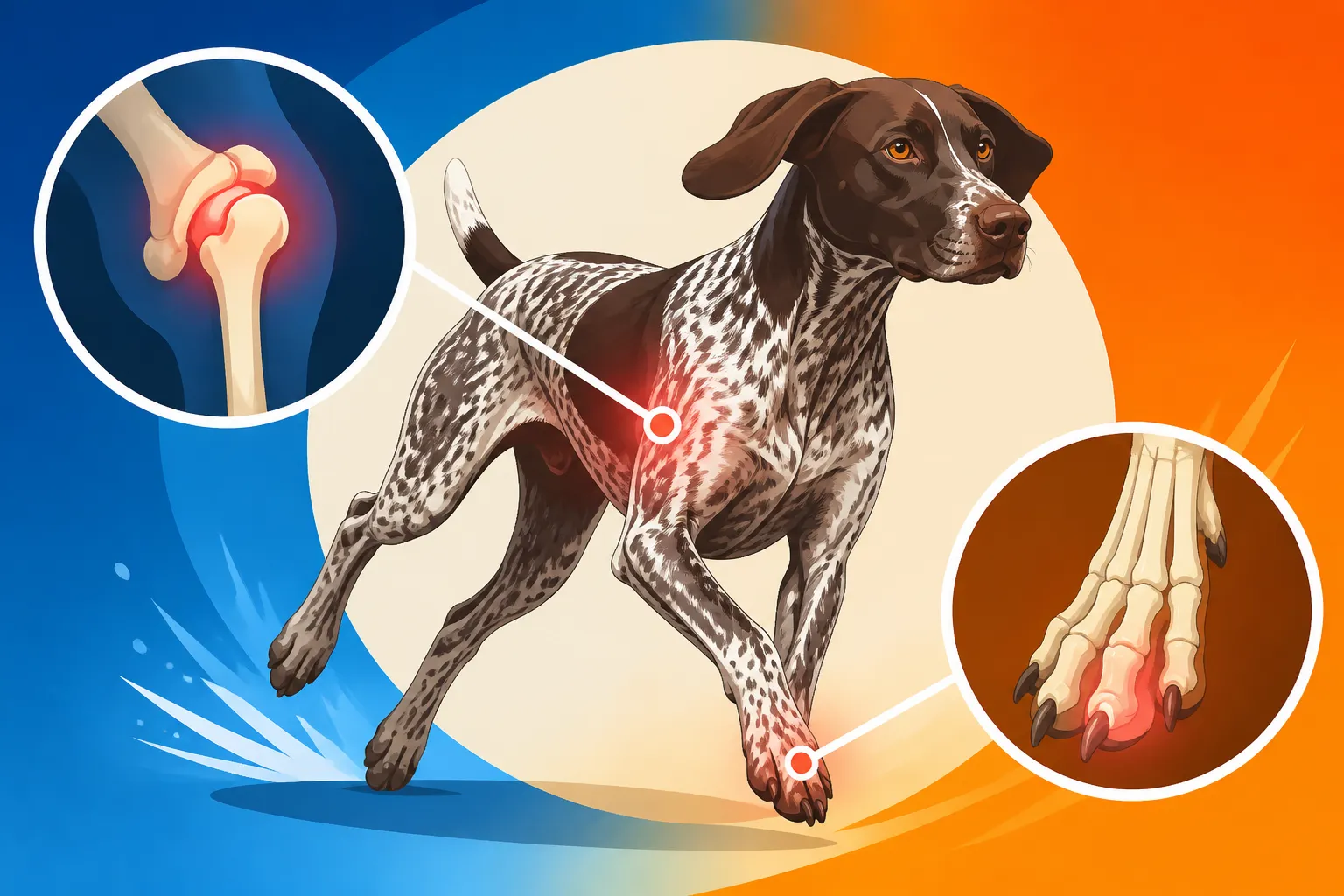
One of the most frequent types of shoulder injury we see in active German Shorthaired Pointers is a soft tissue strain or sprain. This can involve the muscles surrounding the shoulder blade (scapula), the tendons that connect these muscles to bone, or the ligaments that stabilize the joint. Imagine your Shorthair hitting a sudden, unexpected rut while galloping through a field, or trying to stop on a slick surface during a retrieve. The sudden, uncontrolled motion can overstretch or tear these vital soft tissues.
Signs often include a sudden onset of lameness, ranging from a subtle limp to completely refusing to bear weight on the affected leg. You might notice your dog holding the leg up, or perhaps bunny-hopping to avoid putting pressure on it. The pain usually worsens with activity and improves with rest, at least initially. Palpation around the shoulder might elicit a pain response, and the area might feel warm to the touch. It’s important to remember that these injuries can be very similar in presentation to other issues, like a Torn Cruciates in a Field Bred German Shorthaired Pointer, so a vet visit is essential for accurate diagnosis. Early intervention with rest, anti-inflammatory medication, and controlled exercise is often key to a good recovery, preventing the problem from becoming chronic.
Bicipital Tenosynovitis
This is a specific type of soft tissue injury affecting the biceps brachii tendon and its sheath within the shoulder joint. The biceps tendon is crucial for flexing the elbow and extending the shoulder, and it experiences significant stress during the powerful movements characteristic of a running Shorthair. Repetitive strain, micro-trauma, or an acute injury can cause inflammation and degeneration of this tendon and its protective sheath.
Dogs suffering from bicipital tenosynovitis typically exhibit chronic, progressive lameness in one front leg. It might start subtly, perhaps just a slight stiffness after a long run, but it tends to worsen over time. They might shift weight off the affected limb, exhibit a short, choppy stride, or be reluctant to jump or extend the leg fully. The pain is often localized to the front of the shoulder, and your dog might yelp or flinch when the shoulder is manipulated, particularly when the biceps tendon is pressed. Diagnosis often involves a thorough physical exam, sometimes combined with diagnostic imaging like X-rays (though soft tissue isn't always visible), ultrasound, or even MRI to confirm the inflammation and rule out other issues. Treatment options range from conservative management with rest, anti-inflammatories, and physical therapy, to more advanced therapies like steroid injections into the tendon sheath or even surgery in severe, chronic cases.
Shoulder Osteochondrosis (OCD)
While less common in adult running Shorthairs, shoulder OCD is an important developmental orthopedic disease that can manifest in growing puppies and continue to cause issues if not addressed. OCD occurs when cartilage in the shoulder joint fails to properly mature into bone, leading to a flap of cartilage (and sometimes bone) that can detach and cause pain, inflammation, and lameness. While often linked to genetics and rapid growth, the stress of early activity can exacerbate the condition.
A Shorthair puppy with shoulder OCD might show lameness in a front limb, often intermittent at first, which can become constant and worsen after exercise. They might be reluctant to play or run as vigorously as their littermates. The condition can affect one or both shoulders. If you notice a Shifting Lameness in a Six Month Shorthair, especially if it seems to move from one leg to another, or consistently affects a front leg, OCD should be on your radar. Early diagnosis, usually via X-rays, is vital. Depending on the severity, treatment can range from strict rest and pain management for minor cases to surgical removal of the cartilage flap, which can be expensive but often provides the best long-term outcome for active dogs. Recovery from such a surgery would require dedicated care and physical therapy, similar to Physical Therapy for a Shorthair After Knee Surgery.
Common Toe Injuries in Running Shorthairs
The feet of a German Shorthaired Pointer are their connection to the ground, providing traction, shock absorption, and sensory input. While robust, the individual toes and their delicate structures—bones, ligaments, tendons, and nails—are remarkably vulnerable to the impacts and twists inherent in a Shorthair's active lifestyle. These small injuries can often cause disproportionately large amounts of pain and lameness.
Sprains, Fractures, and Luxations
The toes (phalanges) of a dog's foot are made up of many small bones, each connected by tiny ligaments and tendons. When a Shorthair is running at full tilt and catches a toe on a root, twists it in deep mud, or lands awkwardly after a jump, these delicate structures can be easily injured.
- Sprains: This is an overstretching or tearing of the ligaments connecting the toe bones. It's probably the most common toe injury. Your Shorthair might suddenly start limping, favoring the affected toe. The toe might appear swollen or warm, and your dog will likely resist you touching it.
- Fractures: A break in one of the small toe bones. These can range from hairline cracks to complete breaks, sometimes involving multiple bones. A direct impact, a severe twist, or even repetitive stress can cause a fracture. The lameness is usually more severe, often non-weight bearing, and the toe might be visibly deformed or very swollen.
- Luxations (Dislocations): This occurs when the bones of a toe separate from their normal alignment at a joint. This is intensely painful and typically results in immediate, severe lameness and a visibly abnormal angle or position of the toe.
Any of these injuries require prompt veterinary attention. The vet will likely perform a thorough physical examination, feeling each toe for swelling, pain, and instability. X-rays are almost always necessary to differentiate between a sprain, fracture, or luxation and to guide treatment. Treatment can involve splinting, casting, or even surgery for more complex fractures or dislocations. The recovery period often involves strict rest and can be lengthy, with specific guidance needed for reintroducing activity to prevent re-injury.
Torn Nails and Damaged Pads
Beyond the skeletal and ligamentous structures, the nails and paw pads of a Shorthair are constantly exposed to the elements and hazards of the field. These injuries, while seemingly minor, can be incredibly painful and debilitating.
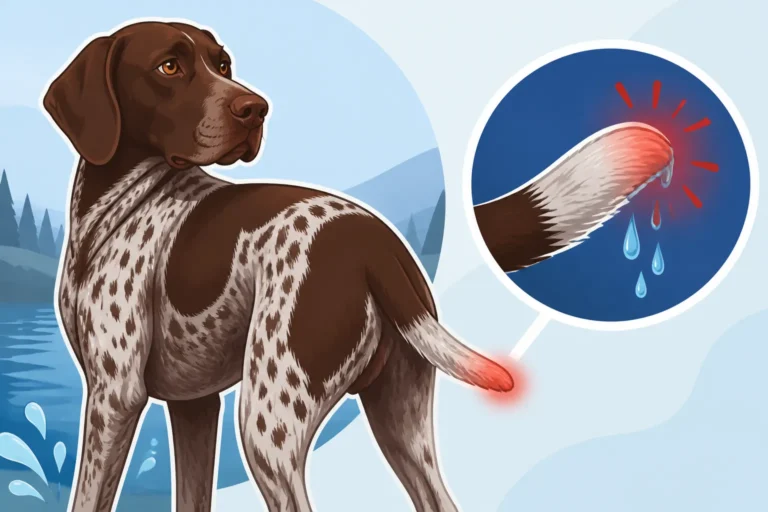
- Torn Nails: This is a classic field injury, often occurring when a nail snags on something like thick brush, a piece of barbed wire, or even during a hard stop on rough ground. The nail can be partially torn, completely ripped off, or fractured, exposing the sensitive quick and potentially causing significant bleeding. It's excruciating for the dog. If you see your Shorthair suddenly pull up lame, lifting their paw and perhaps licking it obsessively, check their nails. You might find a hanging piece of nail, active bleeding, or a raw, exposed quick. Dealing with Torn Dewclaws on a Hunting Shorthair is a specific variation of this, as dewclaws are particularly vulnerable to snagging.
- Damaged Pads: The paw pads are tough, but they're not invincible. Running over sharp rocks, broken glass, hot pavement, or even just excessively rough terrain can lead to cuts, abrasions, punctures, or severe bruising. A long day afield, especially early in the season before pads are fully conditioned, can also result in raw, worn-down pads, similar to Cut Pads on a German Shorthaired Pointer After a Long Day. These injuries can be incredibly painful, making every step agony. Your Shorthair might lick their paws excessively, avoid putting weight on the affected foot, or leave bloody paw prints.
For torn nails, often the best immediate action is to stop the bleeding, clean the area, and protect it with a bandage. A vet visit is usually required to properly trim or remove the damaged nail portion, address potential infection, and prescribe pain relief. For damaged pads, cleaning the wound, stopping any bleeding, and bandaging is crucial. Serious cuts or punctures might require stitches and antibiotics. In both cases, preventing infection is paramount, and ensuring proper healing means keeping the paw clean and protected. These incidents can lead to significant vet bills, which is where a good pet insurance plan like those offered by Healthy Paws can truly alleviate financial stress.
Prevention and Long-Term Management
The best offense is a good defense when it comes to keeping your high-drive German Shorthaired Pointer sound and healthy. While you can't eliminate all risks, proactive measures and diligent care can significantly reduce the likelihood of these debilitating shoulder and toe injuries. Thinking ahead and preparing your dog’s body for the rigors of its active life is key.
Proactive Conditioning and Appropriate Gear
Just like any athlete, a Shorthair needs proper conditioning to minimize injury risk. Don't expect your dog to go from couch potato to covering twenty miles in a day without issues. Gradual conditioning, especially before the start of a demanding hunting season or competitive event, is vital. This means building stamina, strength, and resilience slowly over several weeks or months. Activities like controlled roadwork, swimming, and varied terrain running can build muscle and toughen pads. Consider integrating exercises that specifically strengthen the core and hindquarters, which indirectly support the front end. The Age a German Shorthaired Pointer Can Start Roadwork gives guidance on when to introduce more strenuous exercise safely.
Beyond conditioning, appropriate gear plays a significant role. For toe and pad protection, especially when hunting in rough, rocky, or burr-laden terrain, consider using protective dog boots. It might take some training to get your Shorthair used to them, but a good pair of boots can prevent painful cuts, abrasions, and torn pads, as highlighted in Boots for a Shorthair on Rock and Stubble. While there isn't "shoulder protection gear" in the same way, ensuring your dog wears a well-fitting harness or collar that doesn't restrict shoulder movement is important for general comfort and avoiding rubs or pressure points during strenuous activity.
Diligent Post-Activity Checks and Care
After every run, hunt, or intense training session, make it a non-negotiable routine to thoroughly check your Shorthair from nose to tail. This focused "once over" allows you to catch minor issues before they escalate into major problems. For the shoulders, gently palpate the muscles and joints, feeling for any heat, swelling, or tenderness. Observe their gait closely for any stiffness or lameness that might not have been apparent during the activity itself.
Pay particular attention to the feet. Spread each toe, inspecting the pads for cuts, punctures, thorns, or excessive wear. Check between the pads for embedded debris, burrs, or grass awns that can migrate and cause serious infection. Examine each nail for cracks, chips, or any signs of tearing. Early detection of a small cut or a developing hotspot can mean the difference between a quick clean and bandage, and a full-blown infection requiring antibiotics and weeks of rest. Checking a German Shorthaired Pointer Over After a Hunt provides more detailed steps for this essential post-field routine. If you spot anything concerning, don't hesitate to contact your vet. Prompt care can significantly improve outcomes and reduce recovery time, and your pet insurance like Healthy Paws would be a valuable asset for unexpected vet visits related to these The Vet Bills a Hunting German Shorthaired Pointer Earns.
Nutritional Support and Joint Health
A well-balanced, high-quality diet is the foundation of overall health and can contribute to joint and tissue resilience. For highly active German Shorthaired Pointers, consider performance-formula dog foods that provide adequate protein, fat, and essential nutrients to support muscle repair and energy levels. Beyond general nutrition, specific supplements can also play a role in maintaining joint health, especially as your Shorthair gets older or if they have a history of injuries.
Joint supplements containing ingredients like glucosamine, chondroitin, MSM, and Omega-3 fatty acids are popular choices for supporting cartilage health and reducing inflammation. While they won't prevent acute trauma, they can contribute to the overall resilience and recovery of joint tissues. Discussing these options with your veterinarian is always the best approach, as they can recommend the most appropriate supplements and dosages for your individual dog's needs and activity level. Regularly reviewing your dog's diet and considering Joint Supplements for a Hunting German Shorthaired Pointer can be a proactive step in their long-term well-being. Keeping your Shorthair at an ideal lean body weight also reduces stress on all joints, including the shoulders and toes.
Disclaimer
This guide is intended for informational purposes only and is not a substitute for professional veterinary advice. If your German Shorthaired Pointer exhibits signs of injury or illness, please consult with a qualified veterinarian immediately for accurate diagnosis and treatment.