Torn Dewclaws on a Hunting Shorthair
It’s a scenario no hunting dog owner ever wants to face, but for those of us with active German Shorthaired Pointers, a torn dewclaw can feel like an inevitable rite of passage. One minute your powerful, driven companion is quartering through heavy cover with boundless energy, and the next, they let out a yelp, favoring a leg, and you dread what you might find. This guide will help you understand why these injuries happen so frequently, how to manage the immediate aftermath, crucial prevention strategies, and what a full recovery looks like for your dedicated hunting partner.
Why Hunting German Shorthaired Pointers Often Suffer Torn Dewclaws
Let's be honest, our German Shorthaired Pointers are built for speed, agility, and relentless pursuit, but their anatomy, combined with the rugged environments we ask them to work in, often creates a perfect storm for injuries like torn dewclaws. It’s not just bad luck; there are fundamental reasons why this particular injury is so common.
The Anatomy of a Dewclaw and Its Vulnerability
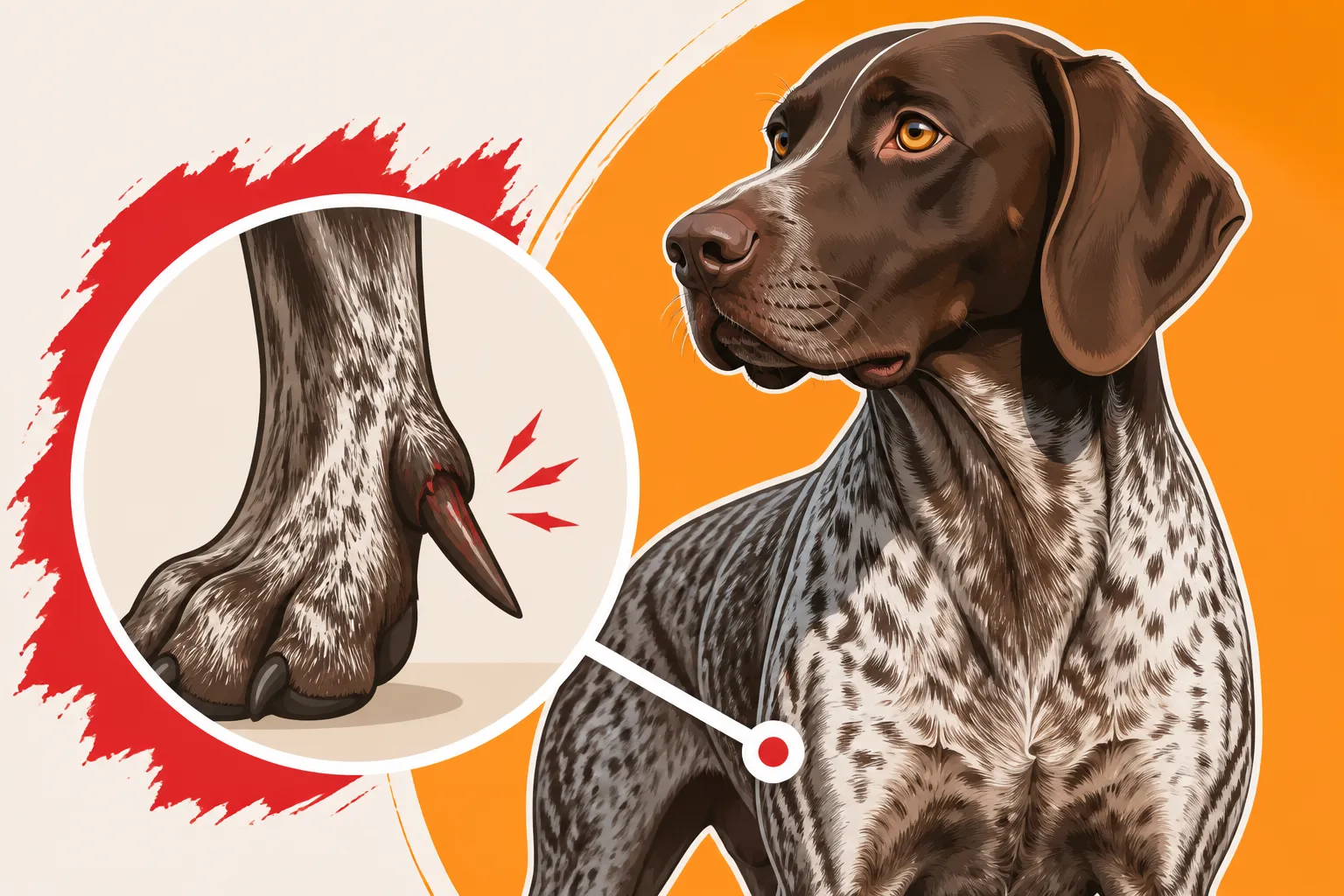
To truly understand why a dewclaw can be such a weak point, it helps to know what it actually is. Think of your dog's dewclaw as a vestigial thumb. It's located higher up on the inside of the leg, typically on the front limbs, though some dogs also have them on their rear legs. Unlike the nails on their other toes, which get natural wear and tear from walking and running on various surfaces, the dewclaw rarely touches the ground. This means it doesn't get filed down naturally, often growing longer and sometimes curling around.
What makes them truly vulnerable is their attachment. Some dewclaws are quite firmly attached to a small bone, much like a regular toe. Others, however, are connected only by skin and soft tissue, making them incredibly flimsy and susceptible to being snagged. These "floating" dewclaws are particularly problematic. Their position, sticking out on the side of the leg, makes them the canine equivalent of snagging a loose thread on a bush – except it's much more painful. When a GSP is really moving, that dewclaw can swing and catch on practically anything.
Terrain and Activity: A Perfect Storm for Injury
Our German Shorthaired Pointers live for the hunt, and that often means plunging headfirst into environments that would make most other dogs think twice. Imagine a prime pheasant field: tall, thick cover, often interwoven with briars, thorny bushes, and maybe some hidden barbed wire or discarded debris. Or perhaps a dense grouse covert, with fallen logs, sharp twigs, and uneven ground. These are precisely the places where a dewclaw can become a liability.
A GSP's inherent drive and incredible speed mean they’re not tiptoeing through this terrain; they're exploding through it. They jump over obstacles, weave through dense vegetation, and cover ground at an astonishing pace. In the heat of the moment, with bird scent in the air, a hunting German Shorthaired Pointer isn't looking down at every step. That loose, ungrounded dewclaw can easily get caught on a branch, a root, a piece of wire, or even just a particularly tough stubble stalk. The force of their forward momentum, combined with the snag, can rip the nail partially or completely from its bed. It’s a jarring, painful experience, and it's one of the common Field Injuries a Hunting German Shorthaired Pointer Comes Home With.
Adding to the risk, wet weather can make nails softer and more pliable, potentially increasing their susceptibility to tearing. A dewclaw that might withstand a glancing blow when dry could tear more easily when saturated. It's a cruel irony that the conditions often ideal for a hunt can also make our dogs more prone to such painful injuries.
Immediate Steps and Veterinary Care for a Torn Dewclaw
When you hear that yelp or notice your Shorthair suddenly limping, your heart sinks. Finding a torn dewclaw can be shocking, with blood often making it look worse than it is, but it's crucial to stay calm. Your dog will feed off your energy. Knowing what to do in the immediate aftermath can make all the difference in their comfort and recovery.
First Aid in the Field and at Home
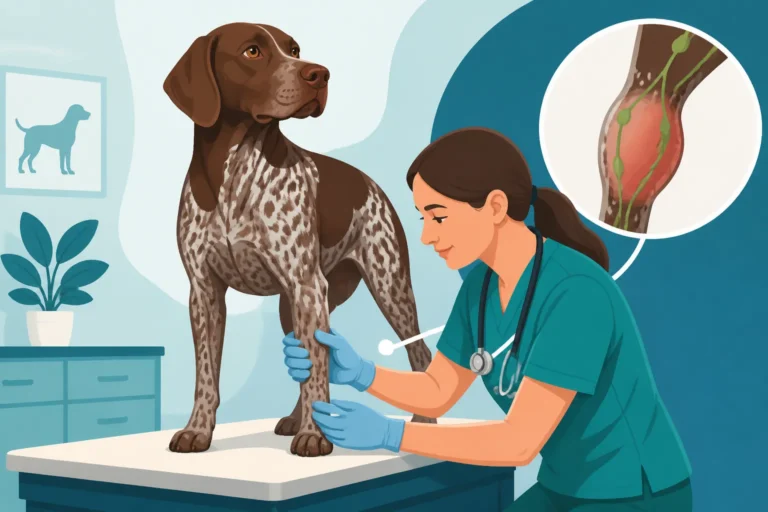
The first step is always to safely assess the injury. Try to get your dog to a calm, secure spot, away from the excitement of the hunt if possible. You might need to muzzle them if they’re in pain, as even the sweetest dog can nip when hurting. Gently examine the dewclaw. Is it a partial tear, where the nail is still mostly attached but dangling? Or is it a full avulsion, meaning the entire nail, or a large part of it, has been ripped out, leaving the quick exposed and bleeding significantly?
For any amount of bleeding, apply direct pressure with a clean cloth or gauze. This will help stem the flow. If you’re in the field, a spare bandana or even a clean sock can work in a pinch. Once the bleeding is somewhat controlled, if the nail is still partially attached, you might be able to gently clean the area with a saline solution (like contact lens solution) or plain water to remove dirt and debris. Avoid harsh antiseptics unless specifically instructed by a vet, as they can cause more pain.
For transport, a temporary bandage can help keep the wound clean and prevent further trauma. Just make sure it’s not too tight, as you don't want to cut off circulation. Even if you manage to stop the bleeding, a torn dewclaw is very painful and prone to infection, so a veterinary visit is almost always warranted.
When to See the Vet and What to Expect
While you can provide immediate comfort and basic first aid, a torn dewclaw, especially a full avulsion, absolutely requires professional veterinary attention. Don't try to play vet and ignore it, hoping it will heal on its own. The exposed quick is raw tissue, incredibly painful, and a prime target for bacterial infection.
When you get to the vet, they'll thoroughly examine the paw and assess the extent of the damage. They'll likely clean the wound more thoroughly and might need to trim away any remaining jagged nail fragments that could cause further irritation or injury. For a complete avulsion, they may need to cauterize the quick to stop persistent bleeding. In some cases, especially if the nail bed is severely damaged or there's a risk of debris remaining, your vet might recommend light sedation or even general anesthesia to properly clean and treat the area. This is a good time to remember that unexpected vet visits, like those for Emergency Fees for a Shorthair Cut Open in the Field or a severely torn dewclaw, can add up quickly. This is where pet insurance can be a real lifesaver. Many owners of active hunting dogs find that a comprehensive policy from a provider like Healthy Paws can significantly ease the financial burden of these common, unpredictable injuries.
Your vet will almost certainly prescribe pain medication to keep your GSP comfortable during the healing process, and very often, antibiotics to prevent or treat infection. They might also apply a protective bandage that you’ll need to keep clean and dry, changing it according to their instructions. It's all part of ensuring a smooth recovery and getting your German Shorthaired Pointer back on their feet. Adhering to The Vet Schedule a Working Shorthair Should Keep is vital for managing both routine health and emergency situations like this.
Strategies for Preventing Future Dewclaw Injuries
The best offense is a good defense, right? When it comes to torn dewclaws on your hunting German Shorthaired Pointer, prevention is definitely worth a pound of cure. While you can't eliminate all risks when your dog is doing what they love, there are several proactive steps you can take to significantly reduce the chances of this painful injury recurring.
Regular Nail Trimming and Conditioning
This might sound obvious, but it's the single most effective way to prevent dewclaw tears. Because dewclaws don't wear down naturally, they tend to grow long, sharp, and more prone to catching on things. Keeping them very short is paramount. This isn't just about a quick snip; it’s about consistent, careful maintenance.
You'll want to use a good quality nail trimmer, either the guillotine style or scissor style, or even a Dremel tool for a smoother, shorter finish. The key is to trim frequently – at least once a week, possibly more often for active hunting dogs during peak season. You want to get as close to the quick as possible without actually hitting it, which would cause pain and bleeding. If you're unsure, ask your vet or a professional groomer to show you the proper technique. Some owners also find that regularly using Pad Toughener Products for a Hunting Shorthair can contribute to overall paw health, though their direct impact on dewclaws is minimal, the practice reinforces good paw care habits.
It’s important to understand that even vigorous running doesn't wear down dewclaws. They're just too high on the leg. So, even if your GSP is covering miles every day, you still need to actively manage those dewclaws. For a more detailed guide on this crucial task, you can refer to Trimming a German Shorthaired Pointer's Dewclaws. Consistency here is key to minimizing risk.
Protective Gear for the Field
Sometimes, despite your best trimming efforts, the terrain is just too unforgiving. This is where protective gear can come into play. There are a few options, each with pros and cons, but all designed to add a layer of defense to those vulnerable dewclaws.
- Hunting Boots: Dog boots are designed to protect the entire paw, including the dewclaws, from sharp rocks, ice, thorns, and abrasive terrain. Brands like Ruffwear and Neopaws offer durable options. The challenge is finding boots that fit well, stay on, and that your Shorthair will tolerate. It takes practice and positive reinforcement to get a dog accustomed to wearing boots, so don't wait until opening day to try them out. Make sure they fit snugly but aren't too tight, and check for rubbing, especially between the toes and around the dewclaw area, which can lead to chafing and sores. For more information on selecting and using paw protection, check out Boots for a Shorthair on Rock and Stubble.
- Protective Wraps/Tape: For shorter hunts in particularly dense or thorny cover, you can use athletic tape or vet wrap to create a protective barrier around the dewclaw. This involves carefully wrapping the area, making sure the tape isn't too tight to restrict blood flow but secure enough to stay put. It's a more temporary solution and can sometimes slip or get soaked, but it offers targeted protection. Some owners combine this with boots for extra security in extreme conditions.
The best use case for protective gear depends on your dog's tolerance and the specific hunting environment. Experiment during training or lighter hunts to see what works best for your German Shorthaired Pointer.
Considering Surgical Removal
For some German Shorthaired Pointers, especially those with very loosely attached dewclaws or those that suffer from recurrent tears despite best efforts, surgical removal might be a worthwhile consideration. This procedure, called a dewclaw amputation or removal, is a permanent solution to eliminate the risk of future injury.
The procedure is relatively straightforward and is often done when a puppy is very young, typically during their spay or neuter surgery, though it can be performed on an adult dog as a standalone procedure. It usually involves a brief outpatient visit to the vet. The benefits are clear: no more worrying about torn dewclaws, no more emergency vet visits for that specific injury, and no more pain for your dog from such tears.
However, like any surgery, there are considerations. It requires general anesthesia, and while modern anesthesia is very safe, there’s always a small Anesthesia Risk in a Lean German Shorthaired Pointer or any dog. There's also a recovery period, where the surgical site needs to be kept clean and dry, and activity needs to be restricted. In rare cases, dogs can experience phantom limb pain or neuroma formation at the surgical site. This is a conversation you'll need to have with your veterinarian, weighing the risks and benefits for your individual dog's health and lifestyle. For many active hunting GSPs with chronic dewclaw issues, the long-term relief and prevention of pain outweigh the surgical risks.
Recovery, Aftercare, and Long-Term Management
Once your German Shorthaired Pointer has seen the vet and the torn dewclaw has been treated, the focus shifts to recovery. This period requires patience, diligent care, and careful management to ensure proper healing and prevent complications. Rushing the process can lead to re-injury or chronic issues, which is the last thing any hunting dog owner wants.
Post-Injury Care and Wound Management
Your veterinarian will provide specific instructions for at-home care, and it’s critical to follow them to the letter. Typically, this involves keeping the wound clean and dry. This usually means your GSP will be sporting an Elizabethan collar (the "cone of shame") to prevent them from licking or chewing at the bandage or surgical site. Licking introduces bacteria and can delay healing significantly.
You’ll likely need to change bandages regularly, usually daily or every other day, depending on the wound and your vet's advice. When changing bandages, gently clean the area as instructed by your vet – often with a mild antiseptic solution or saline. Look for any signs of infection: increased redness, swelling, heat, foul odor, or discharge (other than a tiny bit of clear or slightly bloody fluid). If you notice any of these, contact your vet immediately. Your GSP will also likely be on pain medication, and potentially antibiotics, so administer these exactly as prescribed. A diligent post-hunt Checking a German Shorthaired Pointer Over After a Hunt routine can also help you spot these issues early if they arise after an injury.
It's also essential to restrict your dog's activity during this healing phase. No running, jumping, or strenuous exercise. Leash walks for potty breaks only, and keep them confined in a crate or a small, safe area of the house where they can't get into trouble. This prevents them from tearing open the wound or dislodging the bandage, which would set back the healing process.
Gradual Return to Activity
Patience is a virtue, and nowhere is that more true than in the recovery of a hunting dog. Your German Shorthaired Pointer, with their boundless energy, will likely feel ready to go long before their dewclaw is fully healed and strong. It's up to you to manage their enthusiasm.
Once your vet gives the all-clear, you can begin a very gradual return to activity. Start with short, controlled leash walks on soft, even surfaces like grass. Monitor their paw carefully after each outing for any signs of discomfort, swelling, or re-opening of the wound. Slowly, over several weeks, you can increase the duration and intensity of these walks. Avoid rough, uneven, or dense terrain until the dewclaw area is completely healed and toughened up. Think about how you’d ease a human athlete back into training after an injury; your Shorthair needs the same consideration.
It's wise to consult with your vet about a specific return-to-activity plan, especially if it was a severe tear or required surgery. This personalized guidance can be invaluable, similar to how one might approach Physical Therapy for a Shorthair After Knee Surgery. They can help you gauge when it's safe to reintroduce more vigorous exercise and eventually, to get back to the field. Remember, pushing too hard, too fast, often leads to setbacks. Many pet insurance policies, such as those from Healthy Paws, will help cover the costs of these follow-up visits, consultations, and even potential physical therapy if needed, ensuring your GSP gets the best care on their journey back to full health. Your patience during this time will directly contribute to your German Shorthaired Pointer's long-term health and hunting career.
Summary of Dewclaw Prevention and Care
| Method | Description | Key Action | Recovery Focus |
|---|---|---|---|
| Regular Trimming | Keep dewclaws short and blunt. | Weekly trimming (clippers/Dremel). | Prevents initial injury, ongoing maintenance. |
| Protective Gear | Boots or wraps for challenging terrain. | Practice fitting, consistent use in cover. | Reduces risk during activity, not for recovery. |
| Surgical Removal | Permanent removal of dewclaws. | Vet consultation, post-op care. | Eliminates future tears, post-surgery healing. |
| First Aid & Vet Care | Immediate wound cleaning, pressure, vet visit. | Control bleeding, clean, seek professional help. | Pain management, infection prevention, wound healing. |
| Gradual Return | Slowly increase activity after healing. | Leash walks, monitor paw, vet approval. | Prevents re-injury, builds strength. |
Disclaimer
The information provided in this guide is for general informational purposes only and does not constitute veterinary advice. Always consult with a qualified veterinarian for any health concerns or before making any decisions about your German Shorthaired Pointer's care, diet, or treatment. Individual results and outcomes may vary.