A Shorthair’s Ear Infection That Returns Every Duck Season
It’s incredibly frustrating when your German Shorthaired Pointer, a dog bred for the field and water, gets sidelined by the same old ear infection year after year, especially when duck season rolls around. You want your athletic companion out there doing what they love, not scratching at their ears or feeling miserable. This guide dives deep into why these recurrent ear infections plague our Shorthairs, particularly during high-activity seasons, and what you can truly do to break the cycle.
Why Duck Season Fuels Ear Infections in Shorthairs
That persistent ear infection often cropping up during duck season isn't just bad luck; it's a perfect storm of anatomy, environment, and activity tailored to our beloved GSPs. Their very design and purpose make them susceptible when they're living their best, most active life.
The Anatomy of a Shorthair Ear
Let's face it, those beautiful, soft, floppy ears are part of what makes a German Shorthaired Pointer so endearing, but they're also a primary culprit when it comes to ear infections. Unlike dogs with prick ears, a Shorthair's pendulous ear flaps cover the ear canal, effectively sealing it off from fresh air. This creates a warm, dark, and moist environment – basically, a five-star resort for bacteria and yeast to thrive. It’s like living in a perpetual sauna for their inner ear.
Adding to this, the ear canal itself is not a straight shot like ours. It takes an L-shaped turn, going down vertically before turning horizontally to reach the eardrum. This anatomical twist makes it incredibly difficult for moisture, debris, and discharge to drain naturally. Instead, it all tends to collect at that bend, festering and irritating the delicate lining, setting the stage for infection after infection. It's a design flaw, in a way, for a dog meant to be in water.
Water Exposure and Its Impact
Now, combine that ear anatomy with a GSP's love for water, especially during duck season. Whether they're breaking ice to retrieve a downed bird or just splashing in a murky pond, their ears are constantly getting wet. This isn't just clean tap water either; we're talking about pond water teeming with mud, algae, bacteria, and all sorts of microscopic nasties. Each swim introduces more moisture and potential contaminants into that already damp, poorly ventilated ear canal.
Once water gets in, it often stays there. The ear flap holds it in, and the L-shaped canal prevents it from easily draining out. This trapped moisture further increases the humidity and warmth, providing an even better breeding ground for opportunistic pathogens. It softens the skin lining the ear canal, making it more vulnerable to irritation and invasion. It's no wonder many GSP owners find themselves dealing with an ear infection after every strenuous retrieve.
Allergies and Environmental Triggers
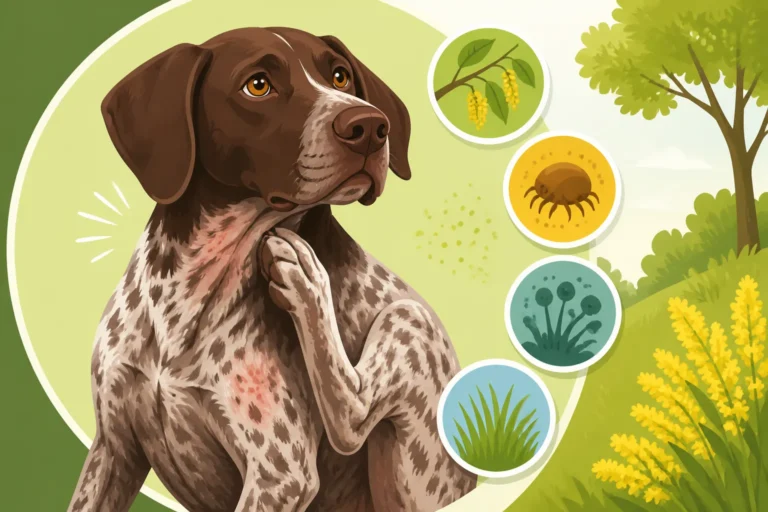
Beyond water, many German Shorthaired Pointers, like other active breeds, battle seasonal or environmental allergies that can weaken their ear defenses. Think about it: during duck season, your dog is likely running through tall grass, reeds, and various types of cover that are loaded with pollens and other allergens. These allergens can cause inflammation not just in their skin, but also deep within their ear canals, making the tissue red, itchy, and swollen. This inflammation alone can feel like an infection or can significantly lower the ear's resistance to actual bacterial or yeast overgrowth.
Furthermore, these environments are also ripe with physical irritants. Those dreaded foxtails and grass awns, for example, are notorious for finding their way into ear canals. They act like tiny barbed arrows, migrating deeper and deeper, causing immense pain, irritation, and creating a portal for infection. You might think it's just another infection, but sometimes, a foreign body is the hidden culprit behind the recurring issues. For more on this, you might want to read about Foxtails and Grass Awns in a Hunting Shorthair. Even benign plant material or mud can simply clog the canal, exacerbating the moist, anaerobic conditions.
Recognizing the Signs of a Stubborn Ear Infection
Spotting an ear infection in its early stages can make all the difference in treatment and preventing it from becoming a full-blown, painful ordeal. Our German Shorthaired Pointers are stoic athletes, often trying to power through discomfort, so it's up to us to be vigilant and recognize the subtle and not-so-subtle cues they give us.
Behavioral Clues
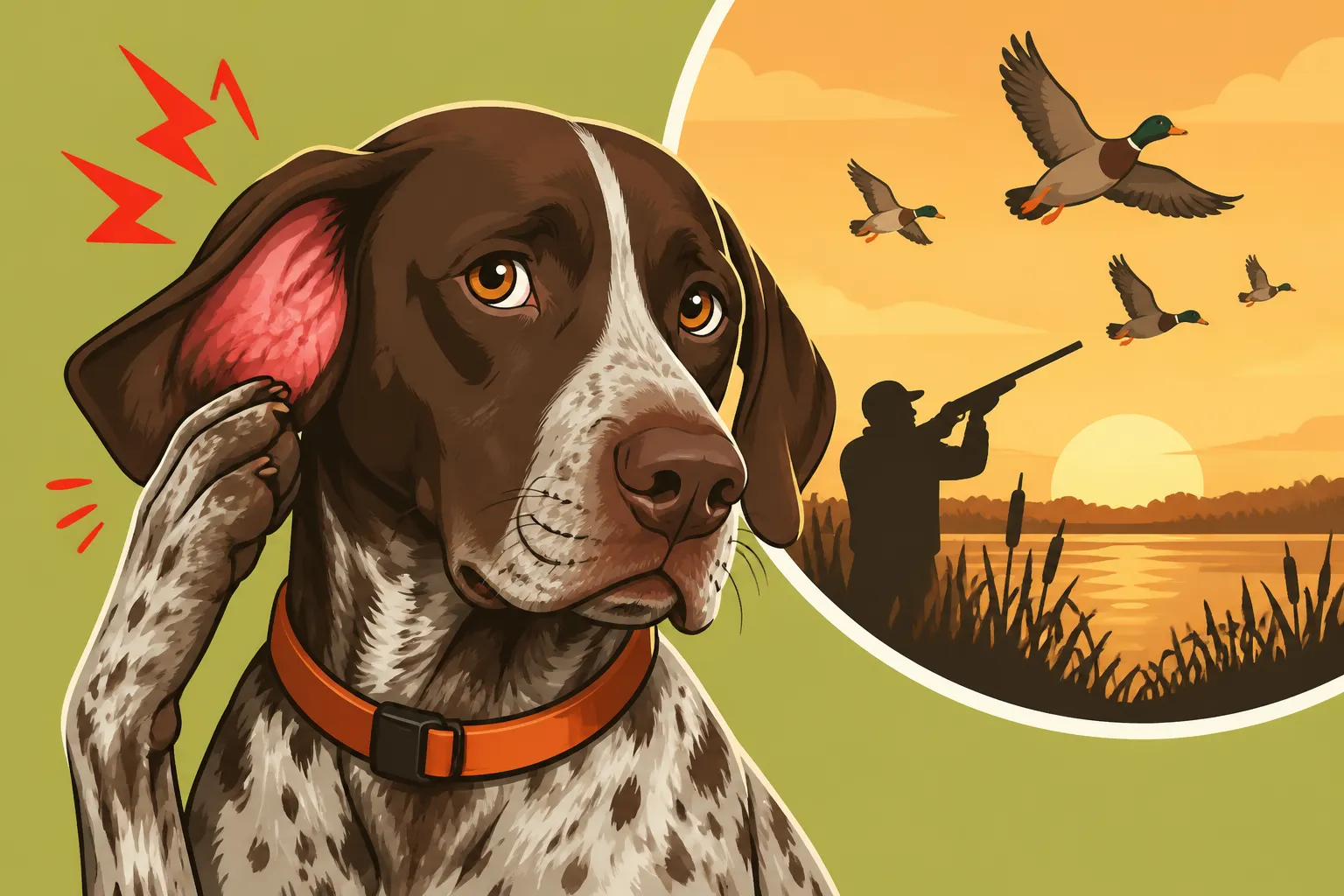
One of the first things you'll likely notice is a change in their behavior. Your Shorthair might start scratching at their ears with a hind paw, sometimes quite vigorously. They might rub their head and ears along the carpet, furniture, or even against your leg, seeking relief from the incessant itch. Head shaking is another common sign, often accompanied by a distinct flapping sound if there's fluid or debris in the ear canal. If you have multiple dogs, you might even notice their kennel mates grooming the affected ear more often.
Beyond the obvious, watch for more subtle signs. If your dog flinches, pulls away, or vocalizes when you try to pet their head or touch their ear, that's a clear indicator of pain or discomfort. They might become generally more irritable or withdrawn. A dog with a painful ear infection might also be reluctant to retrieve from water, or even hesitant to chew on harder toys, as the jaw movement can put pressure on the painful ear canal.
Physical Indicators
Physical inspection of your Shorthair's ears is crucial. Gently lift the ear flap and take a good look and a sniff. A healthy ear canal should be clean, pale pink, and largely free of odor. With an infection, you’ll typically see redness and swelling inside the ear flap and down into the canal. The skin might appear inflamed, and in severe cases, even thickened. You might also observe a visible discharge. This discharge can vary: it could be waxy and dark brown (often indicative of yeast), yellowish-green and pus-like (pointing to a bacterial infection), or even black and crumbly (sometimes associated with ear mites, though less common in adult hunting dogs).
Perhaps the most unmistakable sign is the odor. If you've smelled it before, you know what I'm talking about – a distinct, often sweet but pungent, yeasty or foul smell emanating from the ear. This smell is a dead giveaway, often present even before visible discharge appears. It's a critical clue, and understanding The Smell That Means a Shorthair's Ear Is Infected can help you react quickly. The ear may also feel noticeably warmer to the touch than the surrounding skin. In chronic cases, you might even see some hair loss around the ear canal from constant scratching or rubbing. If left untreated, the inflammation can extend to the outer ear flap itself, causing thickening and potentially contributing to a condition known as an aural hematoma, where blood collects in the ear flap due to vigorous head shaking.
Effective Strategies for Managing Recurrent Ear Infections
Living with a German Shorthaired Pointer means accepting a certain level of commitment to their health, especially when it comes to those hardworking ears. Recurrent ear infections demand a multi-faceted approach, moving beyond just treating symptoms to truly preventing their return.
Post-Swim Ear Care and Cleaning
This is perhaps the most critical, yet often overlooked, step for our water-loving GSPs. Every single time your Shorthair comes out of the water – whether it's a duck pond, a lake, or even a backyard splash pool – their ears need attention. Immediate and thorough drying is paramount. Use a soft, absorbent cloth or cotton balls to gently wipe out the outer ear canal. Don't push anything deep into the ear, as this can compact debris or even damage the eardrum.
Following drying, applying a veterinarian-approved ear cleaner can make a huge difference. These cleaners are formulated to help acidify the ear canal, creating an environment less hospitable to bacteria and yeast, and to break down wax and debris. Look for products containing drying agents like boric acid or salicylic acid, but always consult your vet for the best product for your specific dog. Some popular brands include Virbac Epi-Otic or TrizULTRA + Keto. Simply apply the cleaner as directed, gently massage the base of the ear for 20-30 seconds to distribute the liquid, and then let your dog shake its head. Afterwards, gently wipe away any expelled solution and debris with a fresh cotton ball. Consistently performing Drying a Shorthair's Ears After Every Swim can drastically reduce moisture-related issues.
Addressing Underlying Causes
If you’re caught in a cycle of recurring infections, it’s not just about managing the symptoms; it’s about identifying and treating the root cause. This always starts with a trip to the vet. Self-diagnosing or using leftover medications from a previous infection is often ineffective and can even make things worse, potentially leading to antibiotic resistance. Your vet will perform an otoscopic exam to look deep into the ear canal and typically take a swab for cytology. This microscopic analysis will tell them if they're dealing with bacteria, yeast, or both, and which specific types, allowing for targeted medication.
Beyond the immediate infection, consider if allergies are playing a role. Many Shorthairs, despite their rugged nature, can suffer from environmental allergies to pollens, dust mites, or even food. These allergies cause inflammation throughout the body, including the ears, making them more prone to infection. Discuss allergy testing or trials with your vet. This might involve dietary changes, antihistamines, or more advanced medications like Apoquel or Cytopoint. Understanding Environmental Allergies in a Shorthair That Works Cover is crucial here. Also, always remember to check for foreign bodies like those pesky grass awns that migrate into the ear, as these require physical removal by a vet.
Proactive and Preventative Measures
Consistency is key to prevention. Beyond post-swim care, establish a routine of regular ear checks, especially during hunting season. Aim for daily quick checks if your dog is frequently in the field or water. Look for any redness, discharge, or odor. Early detection can mean a minor cleaning instead of a full-blown infection.
Consider integrating supplements into your Shorthair's diet. Omega-3 fatty acids, for instance, found in fish oil, are renowned for their anti-inflammatory properties and can support overall skin and coat health, which extends to the ear canal lining. Always consult your vet before adding any new supplements. While uncommon, some dedicated duck hunters even use ear protection for their dogs, similar to human earplugs, though finding a comfortable fit that doesn't cause irritation itself can be a challenge for a GSP. A discussion around Whether Weekly Ear Cleaning Is Enough for a Shorthair with your veterinarian can help tailor a routine to your dog's specific needs and level of activity. Additionally, some old-school hunters swear by Whether Ear Powder Helps a Swimming Shorthair to keep the ear canal dry, but ensure it doesn't cause clumping or irritation.
When to Seek Veterinary Intervention and What to Expect
It's tempting to try and manage recurring ear issues at home, especially when you've dealt with them so many times before. However, the stubborn nature of these infections in a German Shorthaired Pointer, particularly when tied to their hunting activities, often necessitates professional veterinary intervention. There's a point where home remedies simply aren't enough, and a vet can offer a deeper diagnosis and more comprehensive solutions.
The Importance of Professional Diagnosis
When your Shorthair's ear infection keeps coming back, it’s a clear signal that something more than a simple clean-out is needed. Over-the-counter solutions, while sometimes providing temporary relief, rarely address the specific type of bacteria or yeast causing the issue, let alone any underlying factors. A vet visit is essential for a precise diagnosis. Your veterinarian will use an otoscope to get a clear view of the ear canal and eardrum, checking for blockages, inflammation, or damage. They'll also perform cytology, which involves taking a swab of the ear discharge and examining it under a microscope. This is invaluable as it identifies the exact culprits – be they rod-shaped bacteria, cocci, or specific types of yeast – guiding the choice of the most effective medication. Without this, you're essentially guessing, and guessing often leads to frustration and prolonged suffering for your dog. For severe cases, or if the ear is too painful to examine, sedation might be necessary for a thorough cleaning and evaluation. Remember that every time something collects in a Shorthair's folded ear, it risks creating another infection.
Treatment Options and Long-Term Plans
Once a diagnosis is made, treatment typically begins with targeted topical medications, which are drops or ointments that contain antibiotics, antifungals, and/or anti-inflammatory drugs. These are usually administered once or twice daily for a prescribed period, often longer than you might expect, even after symptoms seem to clear. It’s crucial to complete the full course of medication. For very severe infections, or those that have spread beyond the ear canal, oral antibiotics or antifungals may be prescribed. In some cases, your vet might recommend a professional ear flush under sedation, especially if there's a lot of debris, thick discharge, or suspected foreign bodies deep in the canal.
For chronic, severe, and untreatable recurrent ear infections that significantly impact your dog's quality of life and don't respond to any medical management, surgical options may be discussed. The most common procedure is a Total Ear Canal Ablation (TECA) with Bulla Osteotomy. This radical surgery involves removing the entire ear canal and often opening the bone that houses the middle ear (bulla) to remove infected tissue. While highly effective at resolving chronic pain and infection, it does result in permanent hearing loss in the affected ear and is considered a last resort. This decision is never taken lightly and requires careful consideration, especially with the potential Anesthesia Risk in a Lean German Shorthaired Pointer.
Financial Considerations and Pet Insurance
Let's be realistic: managing recurrent ear infections can quickly add up. Each vet visit, cytology test, ear cleaner, and prescription medication contributes to a mounting bill. If your dog requires sedation for a deep clean or, heaven forbid, a TECA surgery, the costs can be substantial, easily running into thousands of dollars for the latter. These unexpected expenses can be a major source of stress for any pet owner, especially when you consider The Vet Bills a Hunting German Shorthaired Pointer Earns over a lifetime.
This is where pet insurance can be a literal lifesaver. Providers like Healthy Paws offer coverage that can help offset the costs of diagnostic tests, medications, specialist consultations, and even surgeries related to chronic conditions like recurrent ear infections (provided the condition wasn't pre-existing before you enrolled). Having a good pet insurance policy can give you peace of mind, allowing you to focus on getting your GSP the best possible care without having to worry about breaking the bank every time their ears flare up. It's an investment in your dog's long-term health and your financial well-being.
| Symptom of Ear Infection | Preventative/Management Action |
|---|---|
| Head Shaking / Scratching | Daily ear checks, routine cleaning |
| Redness / Swelling | Vet exam for diagnosis, targeted medication |
| Foul Odor | Consistent post-swim drying, vet-prescribed cleaners |
| Discharge (Waxy/Pus) | Vet cytology for pathogen ID, appropriate medication |
| Sensitivity to Touch | Gentle handling, pain relief from vet, addressing underlying cause |
| Reluctance to Swim | Immediate drying after any water, allergy management |
| Chronic Recurrence | Vet for underlying causes (allergies, foreign bodies), long-term plan |
Disclaimer
Please remember, the information provided in this guide is for educational purposes only and is not a substitute for professional veterinary advice. Always consult with a qualified veterinarian for any health concerns or before making any decisions about your German Shorthaired Pointer's care, especially regarding persistent or recurring health issues.