The Scaling Skin That Starts on a Shorthair’s Back
It can be incredibly disheartening, and frankly, a bit alarming, to run your hand over your German Shorthaired Pointer's sleek, short coat and feel not the smooth, healthy skin you expect, but instead, an area of dry, flaking, or even crusty skin, often starting right on their back. This isn't just a cosmetic issue; it's a sign that something deeper is going on, and it's a common worry for many Shorthair owners. This guide will walk you through understanding why your beloved hunting companion might be experiencing scaling skin, what to look for, how to get a diagnosis, and the best ways to manage it, especially when it points to more serious conditions like sebaceous adenitis, also known as lupoid dermatosis.
Understanding Scaling Skin on Your Shorthair's Back
When you notice scaling skin on your German Shorthaired Pointer, especially starting along their spine or over their flanks, it's natural to jump to conclusions or feel overwhelmed. There's a range of possibilities, from benign environmental factors to more complex, breed-specific conditions that require careful management. Getting to the root cause is the first critical step to bringing your dog relief and restoring their healthy coat.
What Causes Scaling Skin in German Shorthaired Pointers
The term "scaling skin" essentially means your dog's skin cells are shedding at an accelerated rate, often appearing as flakes or crusts. For German Shorthaired Pointers, a breed known for its robust health and short, dense coat, this can be particularly noticeable. Sometimes, it's something as simple as dry skin, especially in arid climates or during colder months when indoor heating zaps moisture from the air. A diet lacking in essential fatty acids can also contribute to a dull coat and flaky skin, as can insufficient hydration. Environmental factors like certain shampoos or harsh chemicals they come into contact with can also irritate the skin.
Beyond these common culprits, parasites are another frequent cause. Mites, fleas, or even specific types of fungal infections can manifest as scaling, redness, and itching, sometimes mimicking other skin conditions. Allergies, whether to food ingredients, environmental allergens like pollen, or even flea saliva, are also rampant in many dog breeds, including Shorthairs, and can lead to itchy, inflamed skin that eventually scales. These are often the first things a vet will rule out because they are generally easier to identify and treat, providing quick relief for your dog.
The Specific Concern: Lupoid Dermatosis
However, when the scaling skin specifically starts on a German Shorthaired Pointer's back and becomes persistent or severe, breeders and veterinarians often turn their thoughts to a more serious, breed-predisposed condition: sebaceous adenitis, often referred to as lupoid dermatosis. This isn't just dry skin; it's an autoimmune disease where the body's immune system mistakenly attacks and destroys the sebaceous glands in the skin. These glands are vital for producing sebum, the natural oils that keep the skin and coat moisturized, protected, and healthy. Without them, the skin becomes incredibly dry, scaly, and prone to secondary infections.
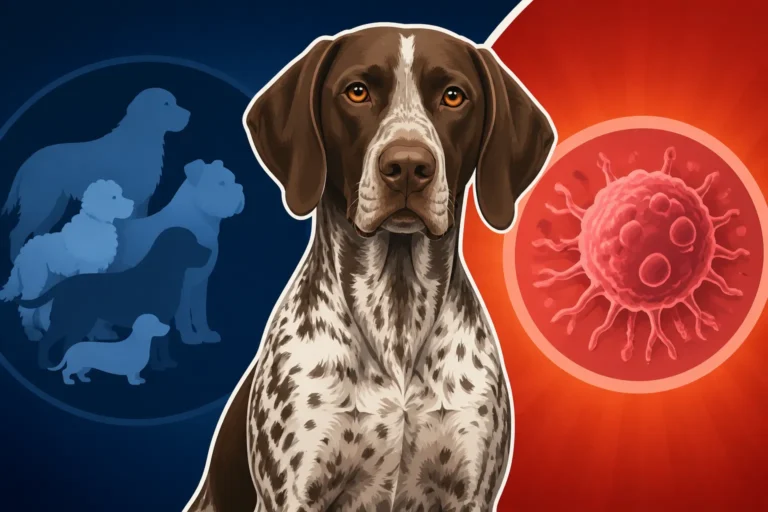
Lupoid dermatosis is known to affect German Shorthaired Pointers more commonly than many other breeds, making it a significant concern for owners. It's a condition that can be frustrating to diagnose and manage because it often presents subtly at first, gradually worsening over time. It’s not just a minor skin irritation; it’s a chronic condition that, if left untreated, can severely impact your dog’s comfort and quality of life, leading to extensive hair loss, secondary bacterial or yeast infections, and even systemic issues. Owners often worry deeply when they realize the flaking isn't just a transient issue but something potentially long-term. This really highlights the importance of thorough investigation when those tell-tale scales appear.
Recognizing the Signs of Scaling Skin and Lupoid Dermatosis
It's easy to dismiss a few flakes here and there, especially on a short-coated breed like a German Shorthaired Pointer. We all get a bit of dry skin now and then, right? But with our Shorthairs, whose coats are meant to be smooth and lustrous, any persistent scaling is worth a closer look. Understanding the progression of symptoms, especially those indicative of conditions like lupoid dermatosis, can help you advocate for your dog and seek timely veterinary intervention.
Initial Observations: Where It Starts and How It Looks
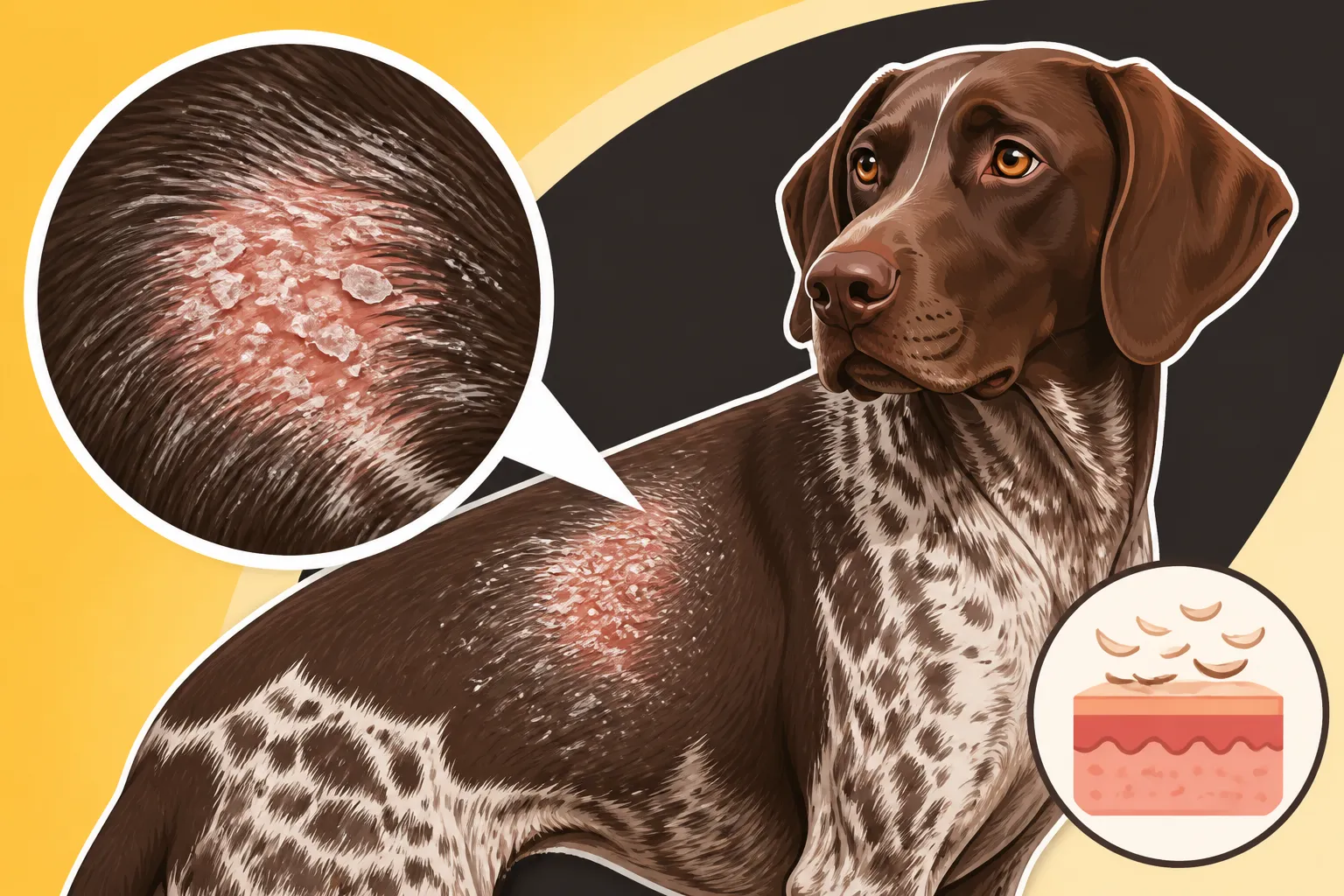
For many German Shorthaired Pointers with scaling skin, the back is often the first place owners notice changes. You might be petting your dog, running your hand along their spine, and suddenly feel a rough, scaly patch. Initially, it might just look like dandruff, tiny white flakes clinging to the short hairs. However, unlike typical dandruff, these scales often become more tenacious, thicker, and greasier as the condition progresses. You might start to see a dullness to the coat in affected areas, rather than the usual vibrant shine.
With sebaceous adenitis, the scaling often begins subtly on the dorsal midline – right along the back and over the hips. You might notice the hair becoming brittle, breaking easily, and eventually, patchy hair loss might start to occur. The scales can sometimes form adherent crusts, making the skin feel bumpy and uneven. It's not uncommon for owners to first notice this when they're giving their dog a good scratch or just grooming them after a day in the field. This scaling can eventually spread to other areas, including the head, ears, and tail, but the back is a very common starting point for this particular type of skin issue in German Shorthaired Pointers.
Accompanying Symptoms to Watch For
Beyond the visible scaling and hair loss, there are other symptoms that can accompany various skin conditions, and particularly lupoid dermatosis. One of the most common is itching. Your Shorthair might start scratching, licking, or rubbing against furniture more frequently. This incessant itching can further irritate the skin, break the hair, and even lead to secondary bacterial or yeast infections, which manifest as redness, pustules, or a yeasty smell, making the whole situation much worse and more uncomfortable for your dog.
With lupoid dermatosis, specifically, the damage to the sebaceous glands can sometimes lead to a characteristic "moth-eaten" appearance as patches of hair are lost. The skin itself can become thickened, hyperpigmented (darkened), and sometimes develop a rancid or greasy odor due, ironically, to an overgrowth of bacteria and yeast that thrive in the compromised skin barrier. In severe cases, where the skin barrier is significantly disrupted, dogs might even experience a loss of their water-resistant qualities, which is particularly concerning for a breed that often enjoys water work. If you notice your dog's skin feels oily and dry at the same time, or they're starting to smell "off" despite regular grooming, these are significant red flags that warrant immediate veterinary attention.
Diagnosing Scaling Skin Issues in Your German Shorthaired Pointer
When you notice those unsettling scales on your Shorthair's back, your first thought is probably to get them to the vet, and that's absolutely the right instinct. Diagnosing skin conditions can be a bit of a detective job, as many symptoms overlap. Your veterinarian will systematically rule out common issues before delving into more specific, breed-predisposed conditions like sebaceous adenitis.
The Vet Visit: What to Expect
When you bring your German Shorthaired Pointer in for scaling skin, your veterinarian will start with a thorough physical examination. They’ll look at the extent of the scaling, note any areas of hair loss, redness, or inflammation, and check for any odors. They’ll also ask you a lot of questions about your dog's history – when did it start, has it gotten worse, what foods do they eat, what medications or supplements are they on, do they have any allergies, and what does their daily exercise routine look like? Have you noticed any other symptoms like increased thirst or changes in appetite? This detailed history provides crucial clues.
Often, the initial diagnostic steps involve ruling out external parasites and common infections. This might include skin scrapings to check for mites, fungal cultures to identify ringworm, or cytology (examining skin cells under a microscope) to look for bacterial or yeast overgrowth. Your vet might also discuss trying an elimination diet if food allergies are suspected, or recommend specific shampoos to address secondary infections while awaiting further diagnostic results. It's a process of elimination, but each step helps narrow down the possibilities and get closer to an accurate diagnosis.
Specialized Tests for Lupoid Dermatosis
If initial tests don't reveal a clear cause, or if the presentation strongly suggests an autoimmune skin disease, your vet will likely recommend more specialized diagnostics, especially if they suspect lupoid dermatosis. The gold standard for diagnosing sebaceous adenitis is a skin biopsy. This involves taking small samples of skin, usually under local anesthesia and sedation, and sending them to a specialized veterinary pathologist. The pathologist will then examine the tissue under a microscope, looking for characteristic changes in the sebaceous glands. For a German Shorthaired Pointer, the absence or destruction of these glands is a strong indicator of sebaceous adenitis.
It's important to understand that while a biopsy is the most definitive way to diagnose sebaceous adenitis, the process can take some time, and it's a financial commitment. However, it's a necessary step to confirm the condition and differentiate it from other inflammatory skin diseases. As discussed in How Lupoid Dermatosis Is Diagnosed in a Shorthair, a skilled pathologist can identify the unique cellular changes that distinguish this condition. Sometimes, a general practice veterinarian might refer you to a veterinary dermatologist, who has specialized expertise in these more complex skin conditions and can guide you through the diagnostic and treatment process with greater precision. Don't be afraid to ask for a referral if your general vet suggests it; it means they want the best possible care for your Shorthair.
Managing and Treating Scaling Skin Conditions
Discovering your German Shorthaired Pointer has a persistent scaling skin condition, especially something chronic like lupoid dermatosis, can feel overwhelming. You want your dog to be comfortable and healthy, and a treatment plan can seem daunting. The good news is that while some conditions might not have a "cure," most can be effectively managed with the right approach, significantly improving your dog's quality of life.
General Care for Dry, Flaky Skin
For general dry, flaky skin not linked to an autoimmune condition, a multi-faceted approach focusing on hydration and nutrition is often key. Ensuring your Shorthair has constant access to fresh water is fundamental. Their diet plays a huge role; consider a high-quality dog food rich in omega-3 and omega-6 fatty acids. Adding a supplement like fish oil can dramatically improve skin hydration and coat quality. As mentioned in Fish Oil for a German Shorthaired Pointer's Skin, these fatty acids are essential building blocks for healthy skin.
Regular, but not excessive, bathing with a gentle, moisturizing shampoo designed for dogs can also help. Avoid harsh shampoos or bathing too frequently, which can strip natural oils. If your dog has a secondary bacterial or yeast infection contributing to the flaking, your vet might prescribe a medicated shampoo to use for a specific period. Brushing your Shorthair with a soft brush helps distribute natural oils and remove loose scales, improving circulation and promoting a healthier coat. Keeping your home's humidity up in dry seasons can also indirectly benefit their skin.
Specific Treatments for Lupoid Dermatosis
When it comes to sebaceous adenitis (lupoid dermatosis), the treatment approach is more targeted and often long-term. Since the condition involves the destruction of sebaceous glands, the primary goal is to manage the symptoms and support the skin barrier. This often involves a combination of topical and systemic therapies. Topical treatments can include specialized shampoos, conditioners, and emollients designed to rehydrate the skin and reduce scaling. Regular bathing, sometimes weekly or bi-weekly, with specific shampoos containing ingredients like sulfur and salicylic acid can help remove scales and debris. Following up with a moisturizing conditioner or even a leave-on hydrating spray is crucial to replenish lost moisture.
Systemic medications may also be necessary, especially in more severe cases. This can include immunosuppressive drugs like cyclosporine, which aims to reduce the immune system's attack on the sebaceous glands. Oral fatty acid supplements are also a cornerstone of treatment to try and compensate for the lack of natural sebum production. Some vets might explore retinoids, which can help normalize skin cell turnover. It's important to understand that managing this condition is a partnership with your vet, and finding the right combination of therapies might take some trial and error. As highlighted in Whether a Shorthair's Lupoid Dermatosis Can Be Cured, while there's no complete cure, diligent management can significantly improve the condition and comfort of your German Shorthaired Pointer, ensuring they can continue to live a full and active life.
Living with a Shorthair Prone to Skin Issues
Having a German Shorthaired Pointer with a chronic skin condition like lupoid dermatosis means making some adjustments to your routine, but it certainly doesn't mean a diminished life for your companion. It simply means being more mindful and proactive in their care. It's about creating an environment and routine that supports their skin health, allowing them to thrive despite the challenge.
Environmental Management and Prevention
Part of living with a Shorthair prone to scaling skin is actively managing their environment. Minimize exposure to harsh chemicals, strong detergents, or irritating plants that could exacerbate skin sensitivity. If your dog spends a lot of time outdoors, especially in dense cover, be diligent about checking them for irritants, burrs, or potential allergens that could lead to hot spots or flare-ups. You might find that certain seasons are tougher on their skin than others, requiring increased vigilance. For example, dry winter air or humid summer conditions can both present challenges.
Regular grooming, beyond just brushing, becomes a critical component. For a Shorthair with lupoid dermatosis, this might mean frequent medicated baths followed by conditioning treatments, as outlined in Managing a German Shorthaired Pointer's Lifelong Skin Disease. These baths aren't just about cleanliness; they are therapeutic. Ensure you use lukewarm water and gently pat your dog dry afterward to avoid further irritation. Investing in a good quality humidifier for your home can also help, especially if you live in an area with low humidity, as it adds moisture back into the air, which can be beneficial for dry skin.
The Importance of Nutritional Support
Nutrition plays a pivotal role in skin health, and for a German Shorthaired Pointer with a predisposition to scaling skin or lupoid dermatosis, it’s even more critical. A high-quality diet that provides balanced nutrients, especially essential fatty acids, is fundamental. Look for dog foods that list omega-3s and omega-6s, often derived from fish oil, flaxseed, or sunflower oil, in their ingredients. These fatty acids are integral for maintaining the skin barrier and reducing inflammation.
Many owners find adding a separate omega-3 fatty acid supplement, like a high-quality fish oil, to be very beneficial. Your veterinarian can advise on the appropriate dosage for your dog's size and specific condition. Some dogs with chronic skin issues also benefit from probiotic supplements to support gut health, which can indirectly influence skin immunity. Experimenting under veterinary guidance to find the optimal diet and supplements can make a significant difference in reducing flare-ups and improving the overall health of your Shorthair's skin and coat.
Financial Considerations and Pet Insurance
Managing a chronic condition like lupoid dermatosis can unfortunately come with significant veterinary costs over your German Shorthaired Pointer's lifetime. From initial diagnostic biopsies and specialized consultations with dermatologists to ongoing medications, therapeutic shampoos, and supplements, the bills can add up quickly. This is where pet insurance can be an absolute lifesaver for many families.
Companies like Healthy Paws offer comprehensive pet insurance plans that can cover a significant portion of these costs. Having a policy in place before a chronic condition is diagnosed means that a large percentage of your eligible vet bills, after your deductible, can be reimbursed. This allows you to focus on getting your beloved Shorthair the best possible care without the added stress of overwhelming financial decisions. It’s always wise to research various providers and plans to find one that best fits your budget and offers robust coverage for long-term health issues that a German Shorthaired Pointer might face. For example, some plans might even cover the cost of specific prescription diets or rehabilitation therapies if they become necessary down the line.
Breeding Considerations for Affected Shorthairs
Understanding the genetic component of conditions like lupoid dermatosis is crucial, not just for the health of individual German Shorthaired Pointers, but for the future of the breed itself. Ethical breeding practices play a significant role in minimizing the prevalence of hereditary diseases that can cause lifelong discomfort.
The Genetic Link
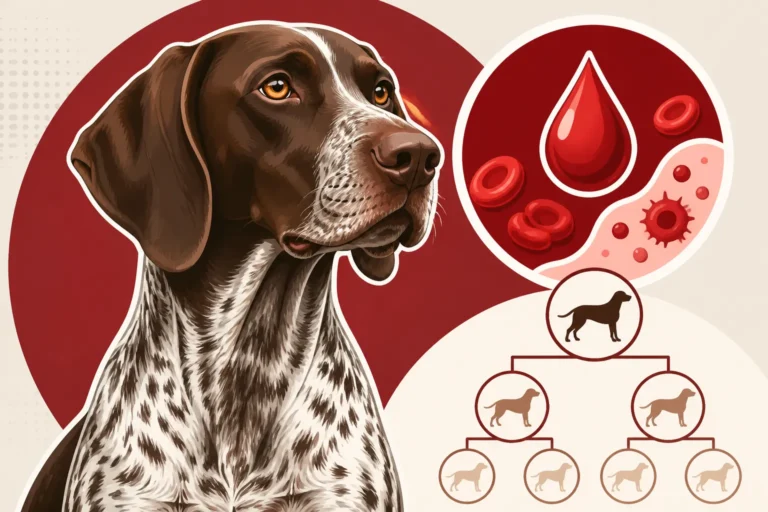
Lupoid dermatosis, or sebaceous adenitis, is considered to have a hereditary component in German Shorthaired Pointers, meaning it can be passed down through generations. While the exact mode of inheritance might be complex and not fully understood, it is generally accepted that certain genetic predispositions increase the risk of a dog developing the condition. This means that if a Shorthair develops lupoid dermatosis, it's highly likely that one or both of its parents carried genes contributing to the disease, even if they never showed symptoms themselves.
The fact that it’s more common in German Shorthaired Pointers and a few other breeds strongly points to a genetic basis. This hereditary aspect is why responsible breeders are so vigilant about health testing and carefully scrutinizing pedigrees for any history of skin diseases. It's a reminder that good health doesn't just happen; it's the result of thoughtful breeding decisions aimed at producing resilient, healthy dogs. Understanding this genetic link empowers owners to make informed decisions and helps breeders improve the health of the breed over time.
Ethical Breeding Practices
Given the hereditary nature of conditions like lupoid dermatosis, ethical breeding practices are paramount. Reputable German Shorthaired Pointer breeders will strive to avoid breeding dogs that have been diagnosed with sebaceous adenitis or that have a strong history of the condition in their immediate lineage. Even if a dog doesn't show overt symptoms, if it produced offspring with the disease, it should be removed from a breeding program. As asked in Whether an Affected Shorthair Should Be Bred From, the general consensus among responsible breeders and veterinary geneticists is no; affected animals should not be bred.
This often means breeders conduct thorough health screenings, maintain open communication with puppy buyers about any health issues that arise, and are transparent about their dogs' pedigrees and health histories. They contribute to canine health databases and make conscientious decisions to improve the health of their lines. While it might be impossible to eliminate all genetic health issues entirely, especially with complex, polygenic traits, ethical breeding significantly reduces the risk and helps ensure that German Shorthaired Pointers continue to be healthy, vibrant companions for generations to come.
Disclaimer
Please remember that the information provided in this guide is for informational purposes only and is not a substitute for professional veterinary advice. Always consult with a qualified veterinarian for any health concerns or before making any decisions about your German Shorthaired Pointer's care or treatment.